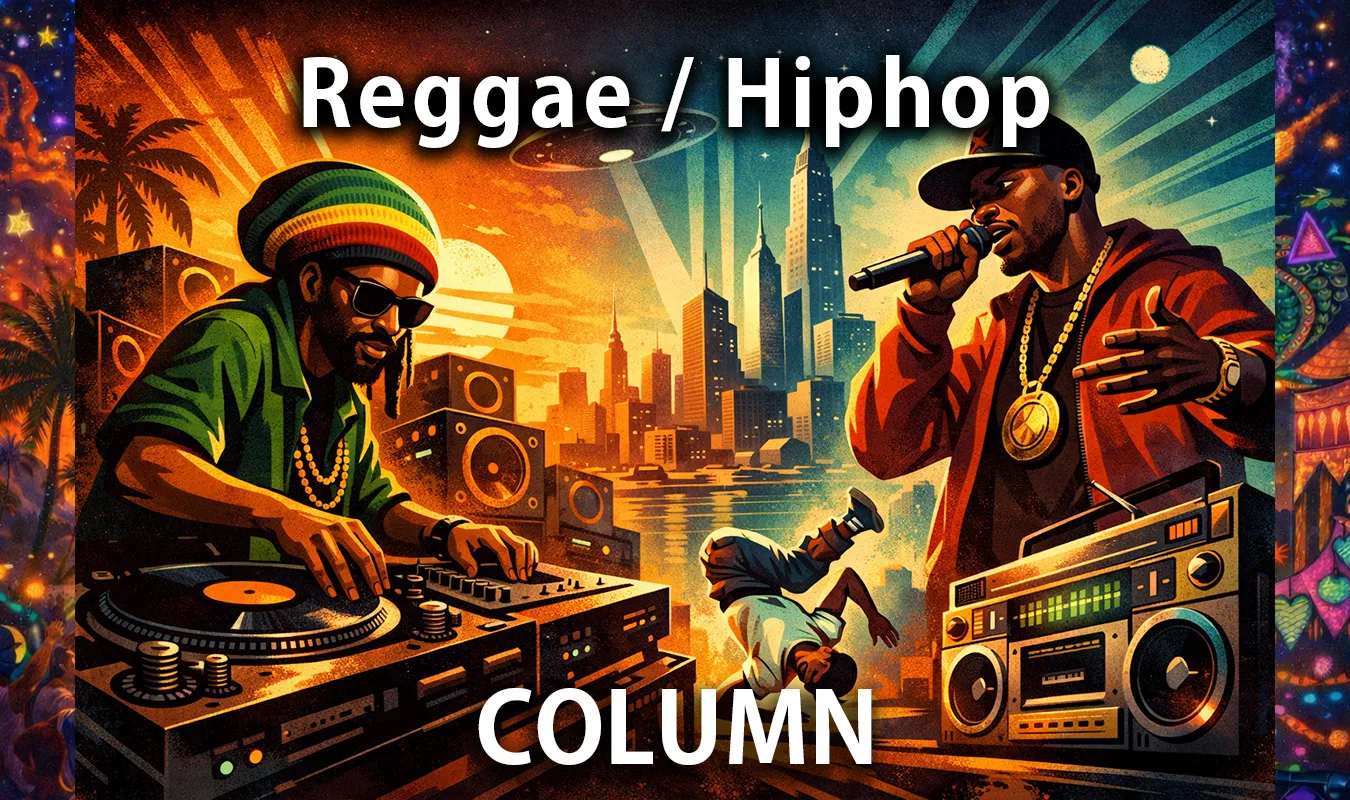
[Column] Reggae × Hip-Hop: From sound systems to world cities—a history of global exchange of intersecting rhythms

Column en Hiphop Reggae
[Column] Reggae × Hip-Hop: From sound systems to world cities—a history of global exchange of intersecting rhythms

From sound systems to world standards, the genealogy of bass culture that crosses borders

Text: mmr|Theme: The back and forth of rhythm connecting Jamaica and the Bronx, and the cultural history of expansion into global cities

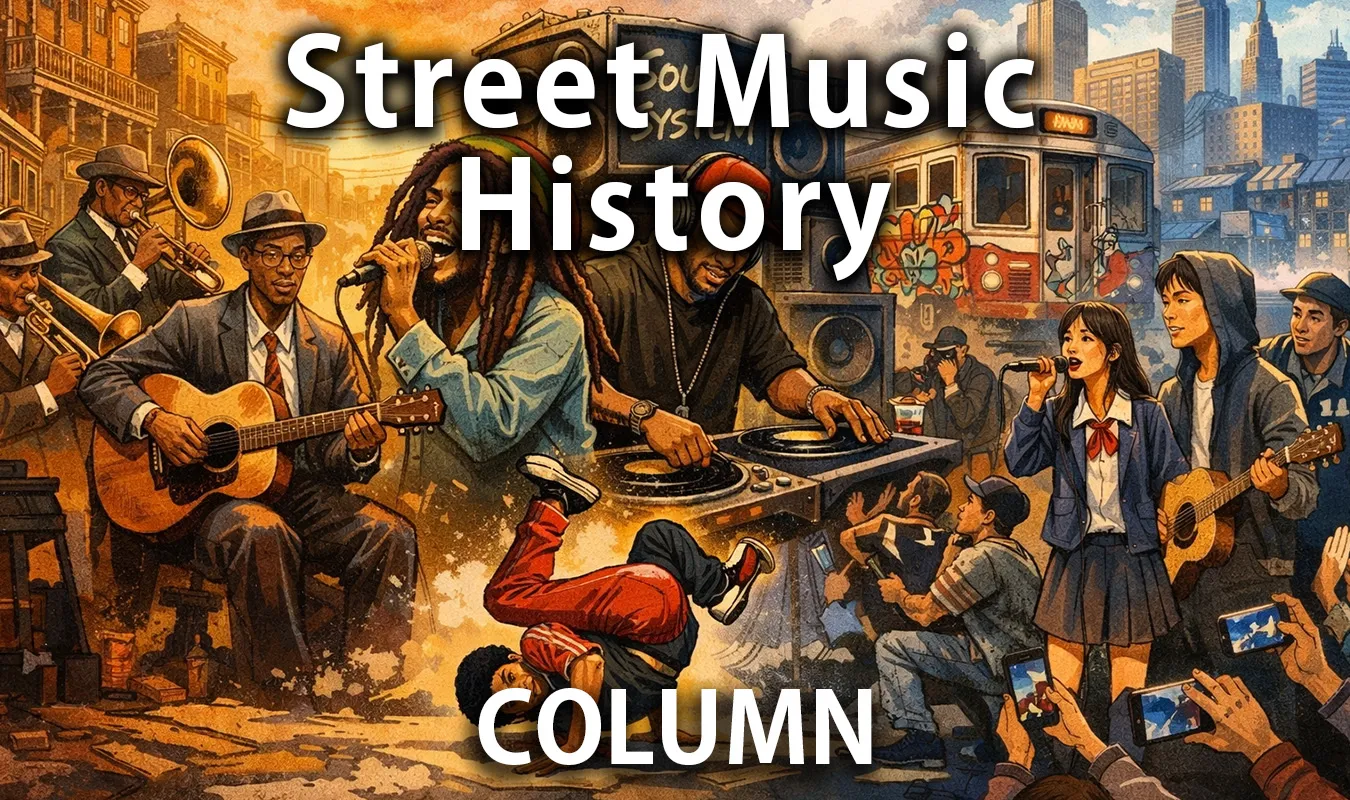
Reggae and hip-hop are bass cultures that were born from the periphery and spread to the world through cities. When Jamaican sound systems intersected with New York’s Bronx, the music became more than just entertainment and began to tell the story of immigration and the city itself. This paper traces the history of that exchange in terms of events and works.


What is Reggae × Hip-Hop?

Reggae is a popular music that was established in Jamaica in the late 1960s, and has evolved from ska and rocksteady, and is characterized by off-beats and heavy bass. Hip-hop is a cultural movement that was formed in the Bronx, New York in the early 1970s, and has four elements: DJing, MCing, breakdancing, and graffiti.

The points of contact between the two are sound system culture, toasting (narration over the beat), and bass-driven sound design.

  • The culture of public address equipment called sound systems
  • MC/toasting rhythmic speaking
  • Bass-centered mix philosophy *Cultural migration by diaspora
  • Self-expression from the urban periphery

Reggae and hip-hop are “sibling cultures” with the same structure developed in different cities.


History

Kingston: The establishment of the sound system

In the 1950s, sound systems with large mobile speakers were popular in Kingston. Coxsone Dodd and Duke Reid imported American R&B and created their own dance culture.

From the late 1960s to the 1970s, DJs appeared who spoke over instrumental music. A representative figure is U-Roy, who made his style of layering improvisational storytelling over existing riddim into a hit.

The technique of manipulating words over the beat would later be reinvented in another city.


The Bronx: The Birth of Hip Hop

Originally from Jamaica, DJ Kool Herc moved to New York in 1967. On August 11, 1973, at a party on Sedgwick Avenue in the Bronx, he demonstrated a technique for extending breaks using two turntables.

This “breakbeat” excited the dancers, and the MC was responsible for stirring up the audience. Over time, Grandmaster Flash refined quick mix theory and developed scratching and precise cueing techniques.

Hip-hop was a reimagining of Jamaican sound system culture in an urban context.

The musical memories engraved on the bodies of immigrants gave birth to a new culture in the Bronx.


Digitalization and fusion: 1980s-90s

In 1985, Under Mi Sleng Teng was released. This song, which used presets on the Casio MT-40, ushered in the digital dancehall era.

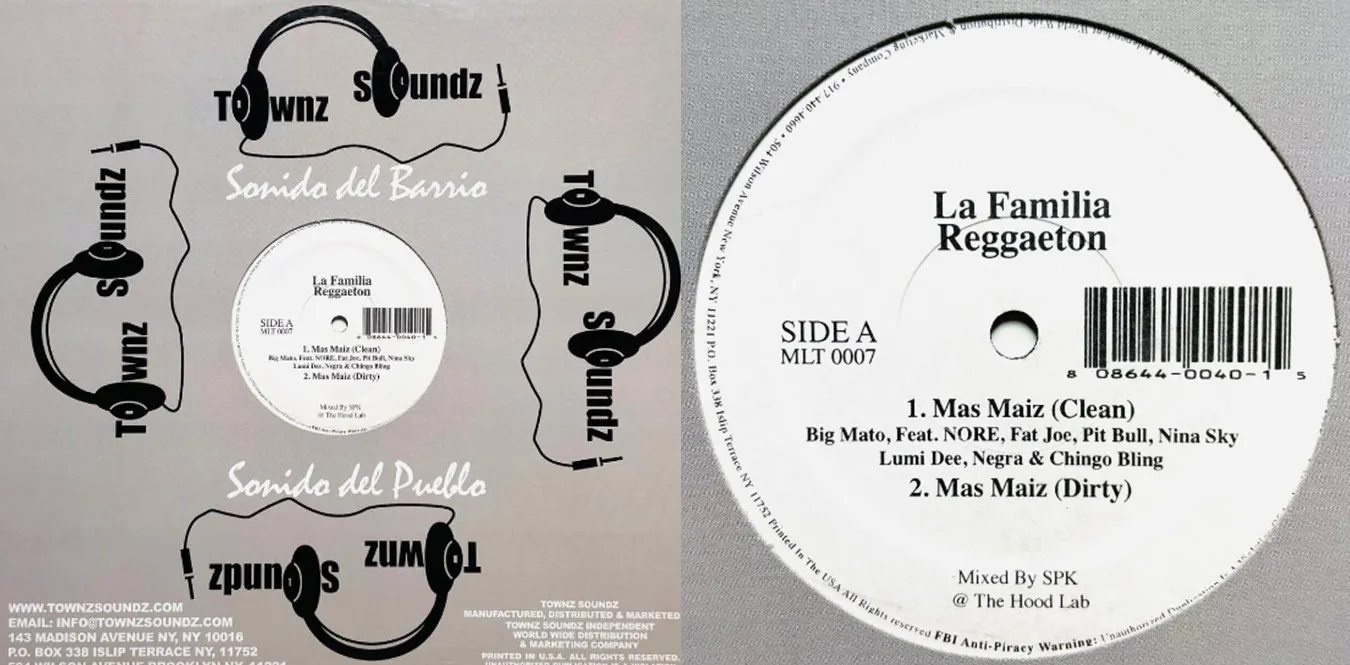
Around the same time, sampling culture expanded in the United States, and hip-hop entered the realm of sonic experimentation. In the 1990s, Shabba Ranks became an international hit and the fusion of dancehall and rap progressed.

The appearances of Busta Rhymes, who has a Jamaican flow, and The Notorious B.I.G., which has a Caribbean intonation, are symbolic of this.

The two have gone beyond their citational relationship and become a hybrid on the acoustic and linguistic level.


21st Century: Expanding to Global Pop

In the 2000s, dancehall rhythms permeated mainstream pop. Sean Paul becomes a success on the US charts and his Caribbean beat becomes a global standard.

Additionally, artists such as Rihanna and Drake introduced dancehall elements, and hip-hop became completely global.

Reggae and hip-hop are once again intersecting at the heart of the pop market.


Chronology

Years Events
1950s Sound system culture established in Kingston
1970 U-Roy hits Toasting
1973 DJ Kool Herc develops breakbeats in the Bronx
1985 Under Mi Sleng Teng announcement
1990s Progress in the fusion of dancehall and hip-hop
2000s Dancehall becomes global pop

Structure diagram

flowchart TD A[Kingston Sound System] --> B[Toasting Culture] B --> C[Migration to Bronx] C --> D[Breakbeat DJing] D --> E[Hip-Hop Culture] E --> F[Dancehall Digital Era] F --> G[Global Pop Expansion]

Sound was passed across the ocean and from city to city.


Key Artists

  • Coxsone Dodd *U-Roy
  • DJ Kool Herc
  • Grandmaster Flash
  • Shabba Ranks *Sean Paul

They were not only musicians but also mediators of culture.


Essential Tracks

  • Under Mi Sleng Teng – Wayne Smith
  • Rapper”s Delight – Sugarhill Gang
  • Dem Bow – Shabba Ranks
  • Get Busy – Sean Paul

Listening to these songs, the genealogy of bass culture becomes clear.


Cultural Impact

Reggae presented a postcolonial identity in sound. Hip-hop visualized urban reality through poetry and beats. As the two intersected, bass and storytelling became a universal language.

  • Visualization of immigrant culture
  • Global spread of sound systems
  • Commercial success of dancehall
  • International standardization of hip-hop

Reggae × Hip-Hop is a microcosm of the cultural circulation created by cities.


FAQ

Which came first, reggae or hip hop?

Reggae, including its toasting culture, preceded it, and its techniques influenced the formation of hip-hop.

Why are the two connected?

This was due to the common ground of cultural movement due to immigration and bass-driven sonic philosophy.

Is the impact still being felt?

This structure has been inherited by many genres such as contemporary pop, trap, and Afrobeats.

This history of exchange will never end. As long as cities exist, bass sounds will continue to give birth to new languages.


Monumental Movement Records

Monumental Movement Records