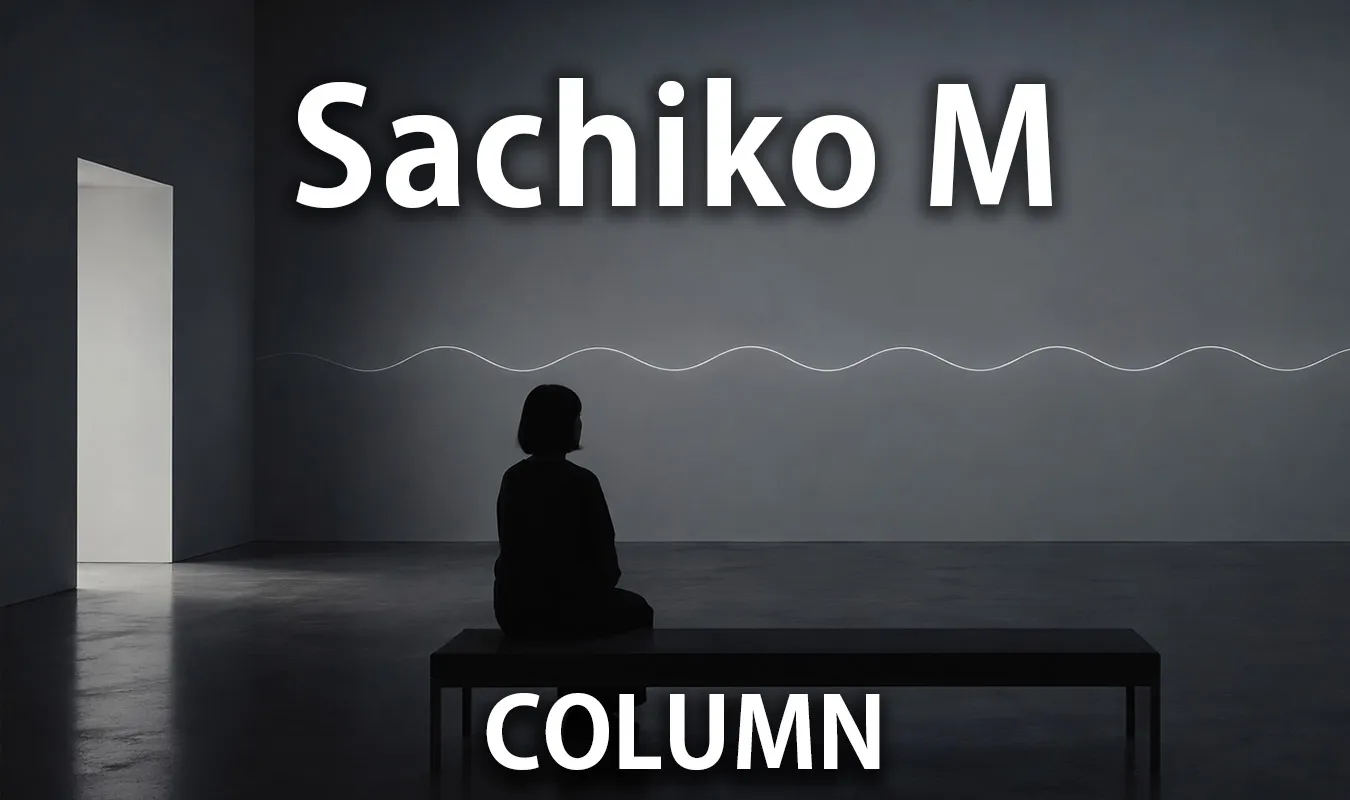
序章:音が消えかける場所から始まる
文:mmr|テーマ:サイン波のみで空間を再定義する音響芸術の極北と視覚芸術の交差点
Music is usually made up of melody, rhythm, and harmony. However, there is music that strips away all of that and is made up of almost a single frequency. Sachiko M is the embodiment of this extreme.
彼女の作品は「音楽」という枠組みを越え、むしろ空間そのものの知覚を変容させる装置として機能する。サイン波という最も純粋な音の単位を用い、ほとんど変化しない持続音を提示することで、聴取者は音を「聴く」のではなく、「環境として経験する」状態へと導かれる。
This isn’t just minimalism. Rather, it is an act that shakes the boundary between the presence and absence of sound, and is deeply connected to the exhibition space and the context of art.
The less sound there is, the more the space itself stands up as a work of art.
Sachiko Mの方法論:サイン波という極限
Sine wave selection
サイン波とは、倍音を持たない純粋な単一周波数の音である。通常の楽器音や電子音は複雑な倍音構造を持つが、サイン波はそれを完全に排除している。
Sachiko M mainly uses a test tone generator to sustain a fixed frequency for a long time. Although this method is in the context of improvisation, it is based on extremely restrictive rules.
変化の拒否
彼女の演奏では、音の変化は極限まで抑制される。音量も動きもほとんどなく、場合によっては「鳴っているのかどうか分からない」状態すら生まれる。
これは従来の音楽における「展開」や「ドラマ」を完全に拒否する態度である。
Transformation of physicality
Music usually involves the physicality of the performer. However, in Sachiko M”s performance, the presence of the body is minimized. Manipulation is minimal; rather, the space and the listener”s body take center stage.
The subject of the sound shifts from the performer to the space
Near-silent space: Reconstruction of hearing
「聴く」から「気づく」へ
The persistence of the sine wave obscures the auditory focus. Listeners are unable to actively follow the sounds, and instead focus on environmental sounds and their own body sounds.
例えば以下のような現象が起こる:
*Tinnitus-like perception
- 空調音や衣擦れの強調
- 他者の存在の意識化
Boundary with silence
Sachiko M’s sound is often described as “almost silent.” However, it is not actually completely silent. Rather, its subtle existence relativizes the concept of silence.
この点で彼女の実践は、John Cageの《4分33秒》と共鳴する。ただしCageが環境音を「音楽として受け入れる」方向だったのに対し、Sachiko Mは極小の人工音を介してそれを引き出す。
無音は存在せず、知覚の枠組みだけが変化する
即興音楽からの出発と逸脱
Japanese improvisational scene
Sachiko M has occupied an important position in the Japanese improvisational music scene since the 1990s. Yoshihide Otomo and Tetsuji Akiyama are involved in this context.
このシーンは、音楽的構造よりも音そのものの質感や関係性に焦点を当てていた。
reductionism
彼女のスタイルは「reductionism」と呼ばれる潮流と関連する。これは音の要素を極限まで削減するアプローチであり、以下の特徴を持つ:
- Extremely low volume
- 長時間持続
- Non-dramatic structure
Redefining improvisation
通常の即興は「瞬間的な創造」を意味するが、Sachiko Mの場合、それは「何も変えないことを選び続ける行為」として現れる。
即興とは変化ではなく、持続の選択でもありうる
視覚芸術との接続:展示空間の変質
Installation-like nature
Sachiko M’s sound is more strongly associated with museums and gallery spaces than with concert halls. Since sound functions as part of the environment, the entire space becomes a work of art.
In this respect, her practice resembles a sound installation.
Perception transformation of space
音がほとんど存在しない状態では、以下の要素が強調される:
- 光の変化
- Architectural structure
- 人の動き
音は背景ではなく、知覚のフレームを変える媒介となる。
Masterpiece: The moment when a sine wave becomes space
Sachiko M’s practice is difficult to talk about in terms of “songs.” This is because her works are not temporally closed structures, but exist as sustained states that extend throughout space. However, some important practices clearly define her methodology.
《I’m Here》(2001)
This album is considered one of Sachiko M’s representative works. Here, the extremely small sound of a sine wave persists for a long time, and there is almost no musical development.
The importance of this work lies in its thoroughness that ““nothing happens.’’ The sound does not change, and the listener loses track of the flow of time, gradually becoming aware of the space itself.
As a result, the listening experience changes as follows:
- Awareness of the act of listening itself, not the content of the sound
- 環境音との境界の消失
- Emergence of one’s own physical sensations
This work functions more as an auditory installation than as music.
Lack of change maximizes perceptual change
Improvisational performance (since 2000s)
Sachiko Mの最も本質的な表現はライブにある。特に欧州や日本のギャラリー空間で行われた演奏では、音と空間の関係が極限まで研ぎ澄まされる。
Performance features:
- Fixed sine wave duration
- Extreme volume suppression
- Maintaining near-silence
The audience no longer exists as an ““audience” but as ““part of the space.” Rather than attracting attention, sound changes the very nature of attention.
この形式は、従来のコンサートとは異なり、美術展示に近い体験を生み出す。
演奏は出来事ではなく、環境の生成として現れる
Reductionism sessions (late 1990s~)
Sachiko Mは大友良英や秋山徹次らと共に、いわゆるreductionismの文脈で活動した。
In this session:
- Avoid sound collisions
- 間(ま)を極端に引き延ばす
- Concentrate on minute differences in sound
Her sine waves can also create beats and beats (interference sounds) by interfering with the sounds of other performers. This is not an intended rhythm, but a sound that appears as a physical phenomenon.
What is important here is not the ““performance” but the ““condition setting.” Music changes from being an expression of the performer to a phenomenon born from the situation.
Sound is not something that is created, but a phenomenon that appears depending on conditions.
美術空間でのサウンド・インスタレーション的実践
Since the 2000s, Sachiko M’s activities have expanded to include museums and galleries. Here, sound is arranged not as a temporal event but as a part of space.
Characteristic points:
- The presence of the sound source is often invisible
- Homogeneous sound spreads throughout the space *Perception changes as the listener moves
この形式では、音は「展示物」ではなく「環境条件」として機能する。視覚作品と同様に、観客の位置や動きが体験を決定する。
これはサウンドアートにおける重要な転換点のひとつといえる。
Sound becomes a property of the space itself, not an object.
Perceptual model diagram: Relationship between sine waves and space
Perceptual structure in “I”m Here”
In this work, although the sound itself is extremely simple, the process of perception changes step by step. What is especially important is the moment when we can no longer follow the sound, at which point our hearing expands to encompass the entire environment.
Simple sounds evoke complex perceptions
Spatial distribution in improvisational performance
Even when the same sound is playing, the experience varies greatly depending on the position in space and physical conditions. As a result, the work diverges into multiple perceptions rather than a single one.
同じ音が、異なる作品として知覚される
Reductionismセッションにおける干渉モデル
The musical structure is not pre-designed here. Instead, the physical interference between sounds creates new perceptions. This is not ““composition” but ““the occurrence of a phenomenon.”
Sound arises from relationships, not intentions.
美術空間における音の配置モデル
音は特定の位置から発せられるというよりも、空間全体に浸透するように知覚される。このとき、建築的要素が音響体として機能し始める。
空間そのものがスピーカーになる
聴取者の内的変化モデル
This process occurs in stages, but not necessarily in a linear manner. By repeating concentration and diffusion, an unusual perceptual state is formed.
聴く行為が、自己の認識構造を変えていく
周波数帯域モデル:サイン波の位置づけ
Sachiko Mが用いるサイン波は、多くの場合この可聴帯域の中でも比較的高い周波数に位置することが多い。これは空間内での拡散性や、聴覚の鋭敏な反応を引き出すためである。
また単一周波数であるため、通常の音楽のように帯域全体を占有せず、空間に「隙間」を残す。その結果、環境音や身体音が際立つ構造が生まれる。
音が占有しない領域が、知覚を拡張する
可聴/不可聴境界モデル
Sachiko Mの音はしばしば「聴こえるかどうかの境界」に配置される。この知覚閾値付近にある音は、以下のような特徴を持つ:
- You can hear it when you pay attention to it.
- 注意を逸らすと消える
- 環境条件によって変化する
In this state, sound appears not as a fixed object but as a perceptual process itself.
Sound does not exist, but is established by being perceived.
空間内での周波数知覚分布
単一周波数であっても、空間内では反射や干渉によって微細な変化が生まれる。これにより、完全に均質な音ではなく、場所ごとに異なる知覚が発生する。
特に高周波ではこの影響が顕著であり、わずかな位置の違いが音の印象を変える。
単純な音が、空間によって複雑化する
可聴境界と身体の関係
知覚閾値付近の音は、聴覚だけでなく身体全体の感覚と結びつく。特に以下のような現象が起こる:
- 音が「内側から鳴る」感覚
- 耳鳴りとの混同
- 空間と身体の境界の曖昧化
この状態では、音は外部の対象ではなく、身体の内部経験として現れる。
音は外にあるのではなく、内側で生成される感覚となる
美術との共鳴
このアプローチは、ミニマル・アートやコンセプチュアル・アートと深く共鳴する。例えば:
- 知覚の遅延
- 反復
- 空間への注意
音は視覚作品と同様に、観客の意識を操作する装置となる。
音は作品ではなく、空間の読み方を変える装置となる
時間の引き伸ばし:持続の哲学
Non-temporal structure
Sachiko Mの音楽には、明確な始まりや終わりが感じられにくい。時間は線形ではなく、停滞または拡張された状態として経験される。
聴取体験の変化
聴取者は次第に以下の状態に入る:
- 時間感覚の喪失
- 集中と散漫の往復 *Changes in self-consciousness
フェルドマンとの関係
この時間感覚は、Morton Feldmanの長時間持続作品とも比較される。しかしSachiko Mはさらに要素を削減し、ほぼ単一音へと到達している。
時間は流れるものではなく、滞在するものとして現れる
年表:Sachiko Mと音響ミニマリズム
構造図:音と空間の関係
現代における意義:なぜ今、極限なのか
情報過多への応答
現代は常に音と情報に満ちている。その中でSachiko Mのアプローチは、極端な「削減」によって逆説的に感覚を鋭敏化する。
知覚の再教育
彼女の作品は、聴くという行為を再定義する。音楽は消費されるものではなく、知覚を再構築するプロセスとなる。
Sound as art
音はもはや時間芸術に留まらず、空間芸術として機能する。その意味でSachiko Mは、音楽と美術の境界を横断する存在である。
Sound stripped to its limits opens up the widest space
結論:音が消えることで見えるもの
Sachiko Mの実践は、音楽の可能性を拡張するだけでなく、知覚そのものの枠組みを問い直す。サイン波という最小単位を通じて、彼女は空間・時間・身体の関係を再構築する。
その結果として現れるのは、音ではなく「場」である。
At that moment when the sound begins to disappear, we begin to hear the space for the first time.
音の不在が、空間の存在を最も強く浮かび上がらせる
YouTube Podcast
※このPodcastは英語ですが、自動字幕・翻訳で視聴できます
Explore more like this
![[Column] Ryoji Ikeda|Acoustic art of](/../assets/images/column-ryoji-ikeda.webp)
【コラム】 Pan Sonic ― 極限音響のミニマリズム:電子音楽を再定義したフィンランドの黒い電流
序章:北方の沈黙から放たれた「黒い電子」
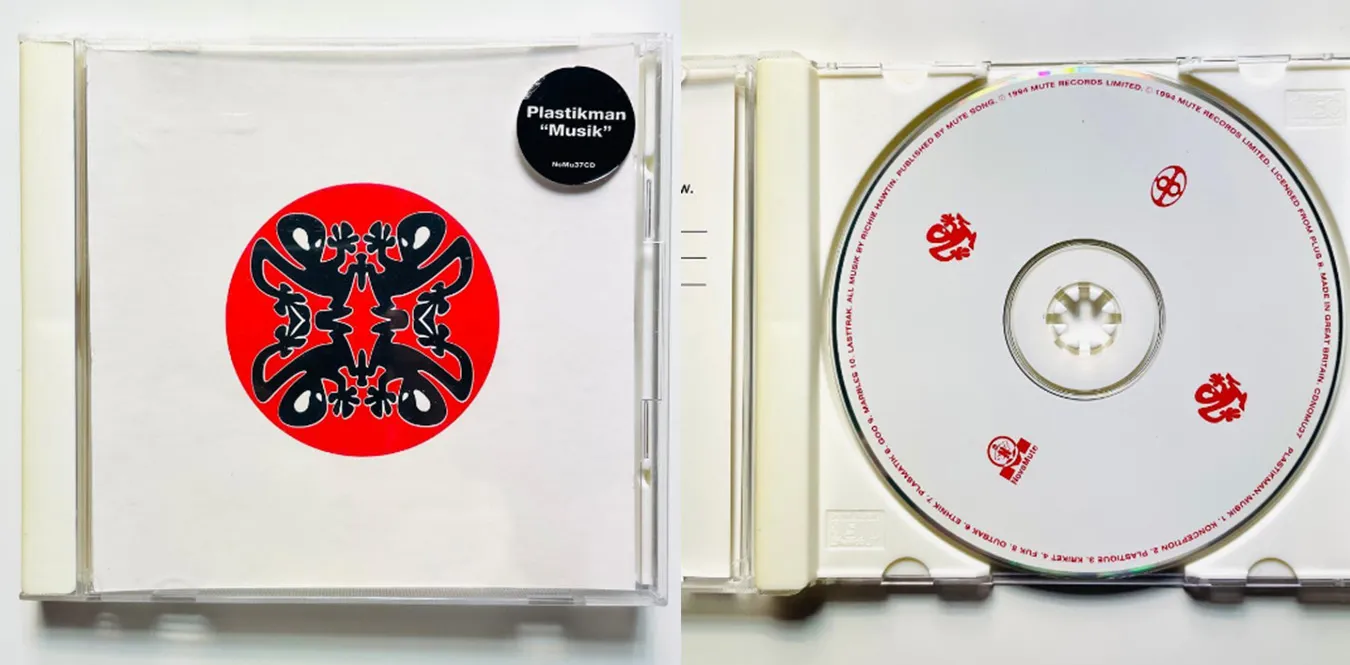
Plastikman – Musik
Richie Hawtin (リッチー・ホゥティン)の別名義Plastikman(プラスティックマン)として1994年にレーベルNovaMuteからリリースしたアルバム。Richie Hawtinとしては3枚目、Plastikman名義では2枚目のスタジオアルバムとなる。
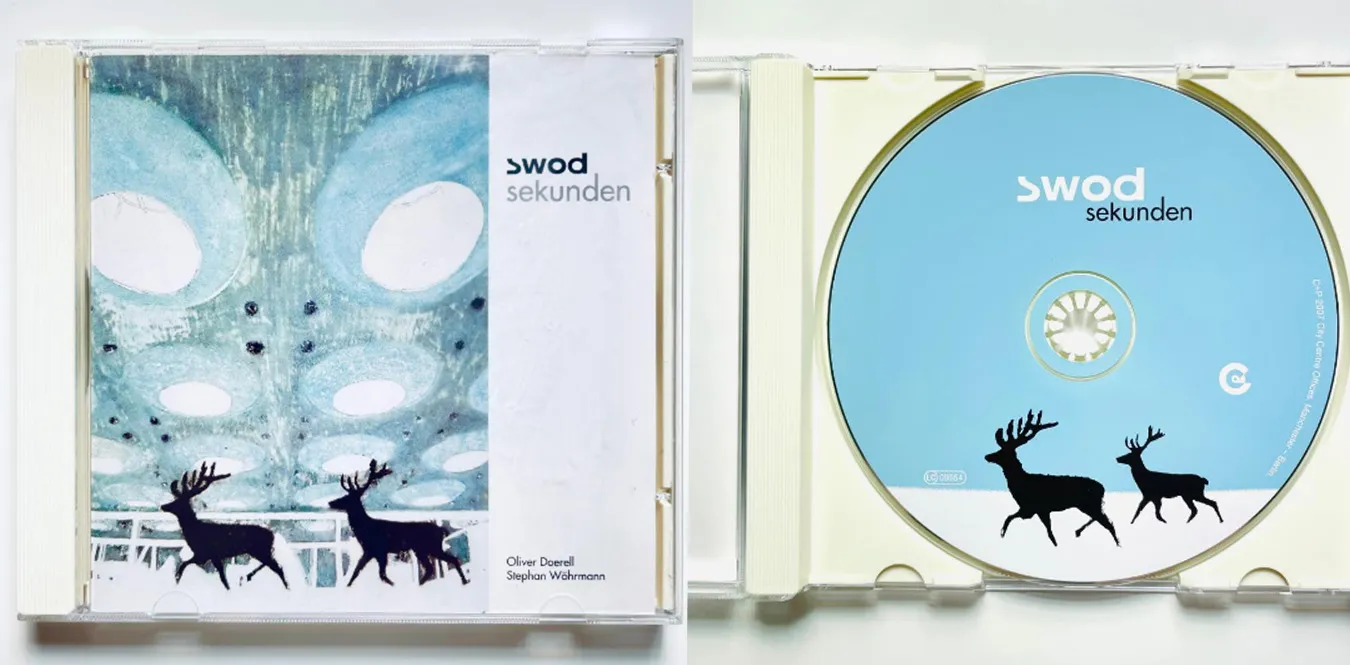
Swod – Sekunden
Swod is a recording project by musicians Oliver Doerell and Stephan Wöhrmann.