[Column] Ryoji Ikeda|Acoustic art of "space = visualization" drawn by ultra-high frequencies and data sound
Column en Experimental Installation Minimal![[Column] Ryoji Ikeda|Acoustic art of](/../assets/images/column-ryoji-ikeda.webp)
データとしての音、音としての空間
Text: mmr|Theme: Extreme minimalism that converts data into sound and light to create a perception of space itself
Ryoji Ikedaの作品を語るとき、最初に理解すべきなのは「音楽」という枠組みそのものが彼にとって主題ではないという点だ。彼の制作は、音響・数学・物理・プログラム・視覚表現が一体化した総合的な知覚装置に近い。
What is particularly distinctive is the use of ultra-high frequencies that approach the limits of human hearing. This is not just a stimulus, but a design that exposes the boundaries between “hearing” and “not being able to hear.” In other words, it presents the ““conditions of perception’’ rather than the sound itself.
彼の音はクリック、ノイズ、サイン波といった最小単位にまで分解される。それらはリズムや旋律としてではなく、時間と空間を測定するための粒子として機能する。ここで重要なのは、音が“意味”ではなく“構造”として扱われている点だ。
そしてこの構造は、視覚と完全に同期する。プロジェクションに映し出される数値、バーコード、グリッドは、音と同じデータから生成される。結果として観客は「音を見る」「光を聴く」という状態に置かれる。
Sound no longer exists only for the ear, but becomes a structure that is perceived throughout space.
From minimal to data: initial activities and turning points
Ikedaのキャリアは1990年代に遡る。京都を拠点としたクラブ/実験音楽シーンにおいて、極度に削ぎ落とされたサウンドで注目を集めた。特にミニマルテクノやクリック・ミュージックの流れと接続しながらも、彼のアプローチは常に「音の物理性」に焦点を当てていた。
1995年前後には、後に国際的評価を得るきっかけとなる作品群の基盤が形成される。1998年のアルバム『+/-』では、デジタル信号そのものを音として扱うスタイルが明確になる。
この時期の重要な変化は、「音楽作品」から「インスタレーション」への拡張だ。単なる音源制作ではなく、空間全体を作品化する方向へと移行していく。
2000年代初頭には、パリのIRCAM(音響音楽研究所)との協働を開始。ここで彼は科学者と共同で、データや物理現象を音響化する研究を進める。この経験が後の代表作「datamatics」シリーズへと結実する。
Ikeda’s turning point was the moment when it redefined sound from a material to a form of information expression.
datamatics:データの宇宙を可視化する
Ikeda’s masterpiece, ““datamatics,’’ is a project that converts vast amounts of scientific data into sound and video. The data used is wide-ranging, including astrophysics, DNA sequences, and particle information.
The core of this series is to transform “data that is too abstract to understand” into a form that can be experienced sensually.
以下はdatamaticsにおける基本構造の概念図である。
ここで重要なのは、音と映像が独立しているのではなく、同一のデータから生成されている点だ。つまり、視覚と聴覚は同じ現象の異なる側面にすぎない。
また、彼の作品では「スケール」が頻繁に変化する。ミクロ(素粒子)からマクロ(宇宙)までを同一のロジックで扱うことで、観客は自身の位置づけを相対化される。
Data is not abstracted but converted into “reality” experienced through perception
超高周波と身体:知覚の限界を露出する
Ikedaの作品において、超高周波は単なる音響効果ではない。それは身体そのものを測定する装置として機能する。
人間の可聴域は一般的に20Hz〜20kHzとされるが、Ikedaはその上限付近、あるいはそれを超える領域を積極的に使用する。このとき、音は「聴こえる」というよりも「圧力」や「振動」として感じられる。
以下は可聴域とIkeda作品の関係を示す概念図である。
This approach makes the audience aware of how far their own bodies can accept sound. In other words, ““one’s own sense organs’’ are incorporated as part of the work.
Additionally, because sound reflection and interference change depending on the venue, the experience will be different each time even with the same work. Here, space is not just a container, but an active element.
Ikedaの音は耳で聴くものではなく、身体全体で測定される現象である
The idea that space = data visualization
Ikedaの作品を一言で表すなら、「空間のデータ化」である。彼は音と光を使って、空間そのものを数値的・構造的に提示する。
通常、空間は無意識に存在する背景として扱われる。しかしIkedaは、そこにある音の反射、距離、密度、時間差といった要素をすべて“可視化”する。
For example, the following structure will be formed in the installation.
このプロセスにより、観客は「空間を聴く」という体験を得る。つまり、音が空間を描くのではなく、空間そのものが音として現れる。
また、彼の作品ではしばしば極端なコントラスト(静寂と爆音、暗闇と閃光)が用いられる。これは知覚の閾値を強調し、空間の存在を際立たせるための手法である。
空間は背景ではなく、データとして読み取られる対象へと転換される
了解。このコラム構成に自然に組み込める形で、代表作セクションを追加します。既存トーンに合わせてそのまま挿入できる完全原稿です。
代表作に見る「データ=空間」の具体化
test pattern:最小単位としての情報
test patternは、Ikedaの思想を最も純粋な形で提示するシリーズのひとつだ。バーコード状の白黒ストライプ、高速で切り替わるフレーム、そして同期するクリック音。
ここで扱われているのは、テキストや画像ではなく「データそのもの」である。文字列、数値、画像データがすべて二進法へと還元され、そのまま音と映像に変換される。
特徴的なのは、その速度と密度だ。人間が認識できる限界を超えるスピードで情報が流れることで、「理解する」こと自体が不可能になる。
しかし逆に、その過剰さが“純粋な構造”としてのデータを浮かび上がらせる。
Information loses its meaning and appears as a structure
datamatics:科学データの感覚化
datamaticsは、Ikedaの代表作であり、彼の方法論が最も体系化されたプロジェクトである。
使用されるデータは、CERNの素粒子実験、ヒトゲノム、宇宙観測データなど。通常は専門家しか扱えないこれらの情報が、音と光として再構築される。
Countless points, lines, and grids appear in the video, and they are transformed and rearranged at high speed. At the same time, clicks and noises are precisely synchronized.
ここで重要なのは、「翻訳」ではなく「変換」である点だ。データの意味を説明するのではなく、その構造をそのまま知覚させる。
The audience experiences the scale of the data by being “overwhelmed” rather than understanding it.
理解不能なデータは、感覚を通して現実になる
spectra:光そのものを彫刻する
spectraは、音よりもむしろ光に焦点を当てた作品である。無数の強力なサーチライトが空へと向かって垂直に放たれ、巨大な光の柱を形成する。
この作品では、音は最小限に抑えられ、視覚的スケールが前面に出る。しかしその構造は依然としてデータ的である。
The placement, spacing, and intensity of light are all calculated, and the urban space and natural environment itself become part of the work.
The audience can see this light from a distance, extending the work beyond a single venue.
空間そのものがキャンバスとなり、光はデータとして配置される
superposition: multilayer structure of perception
superposition is a live performance piece based on quantum mechanical concepts.
複数のスクリーンに映し出される映像、同期する音響、そして時間軸のズレ。それらが重なり合うことで、「同時に複数の状態が存在する」という感覚が生まれる。
この作品では、観客は一つの視点に固定されることができない。どこを見るか、どこを聴くかによって体験が変化する。
Reality is not perceived as a single layer, but as an overlapping layer.
Consistent thought seen in representative works
これらの作品に共通しているのは、「データをそのまま提示する」という徹底した態度だ。
・Eliminate meaning
- Break down into the smallest units ・Expand throughout the space
この3つのプロセスによって、Ikedaの作品は成立している。
そして重要なのは、それらが単なるコンセプトではなく、極めて精密な設計によって実現されている点だ。音、光、空間、時間がすべて同期し、一つの知覚体験として統合される。
All of Ikeda’s masterpieces function as devices for “feeling” data.
Chronology: Ryoji Ikeda’s main activities
Ikedaの歩みは音楽家から空間設計者への拡張の歴史でもある
結論:知覚を再プログラムする芸術
Ryoji Ikedaの作品は、単なる音楽や映像の枠を超え、人間の知覚そのものを再定義する試みである。彼はデータという最も抽象的な存在を、最も身体的な体験へと変換する。
As a result, the audience is forced to fundamentally reconsider the acts of ““watching” and ““listening.” Sound becomes space, space becomes data, and data is returned to sensation.
この循環こそが、Ikedaの芸術の核心だ。
Ikeda’s work presents new sensory protocols for understanding the world
YouTube Podcast
*This podcast is in English, but you can watch it with automatic subtitles and translation.
Explore more like this
【コラム】 サイン波が空間を変えるとき——Sachiko Mと極限ミニマリズムの美学
序章:音が消えかける場所から始まる
【コラム】 Pan Sonic ― 極限音響のミニマリズム:電子音楽を再定義したフィンランドの黒い電流
序章:北方の沈黙から放たれた「黒い電子」
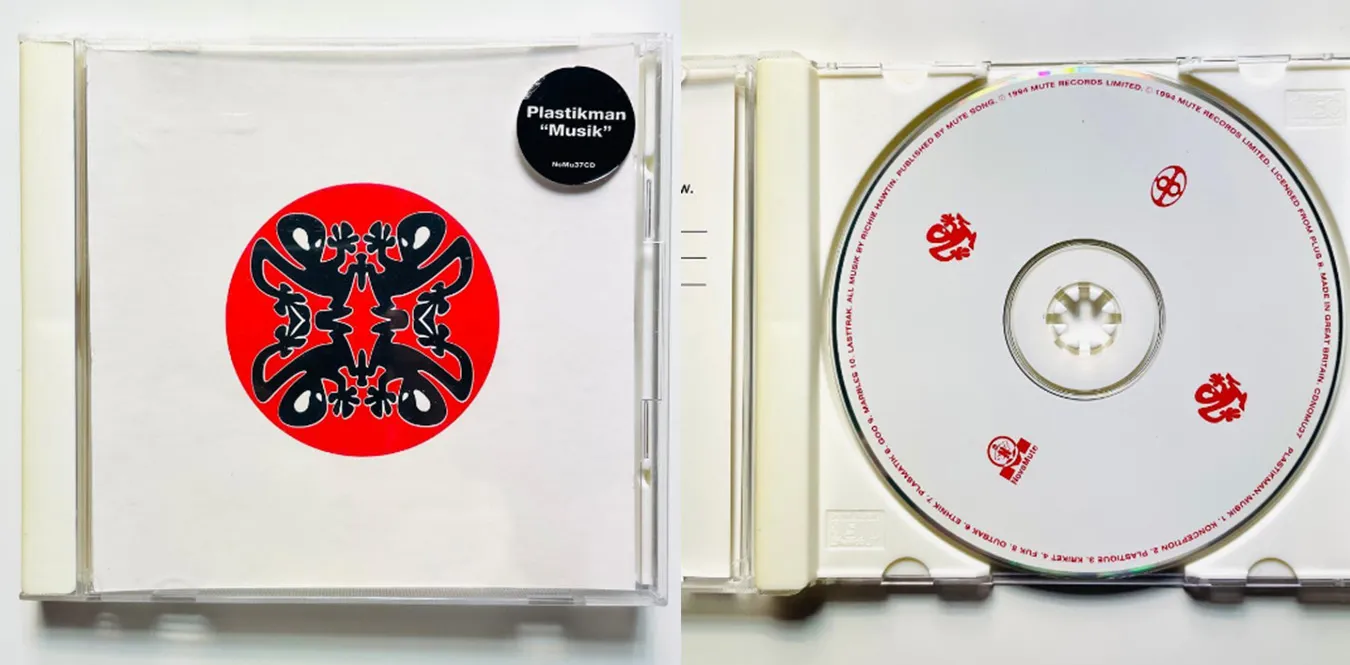
Plastikman – Musik
Richie Hawtin (リッチー・ホゥティン)の別名義Plastikman(プラスティックマン)として1994年にレーベルNovaMuteからリリースしたアルバム。Richie Hawtinとしては3枚目、Plastikman名義では2枚目のスタジオアルバムとなる。
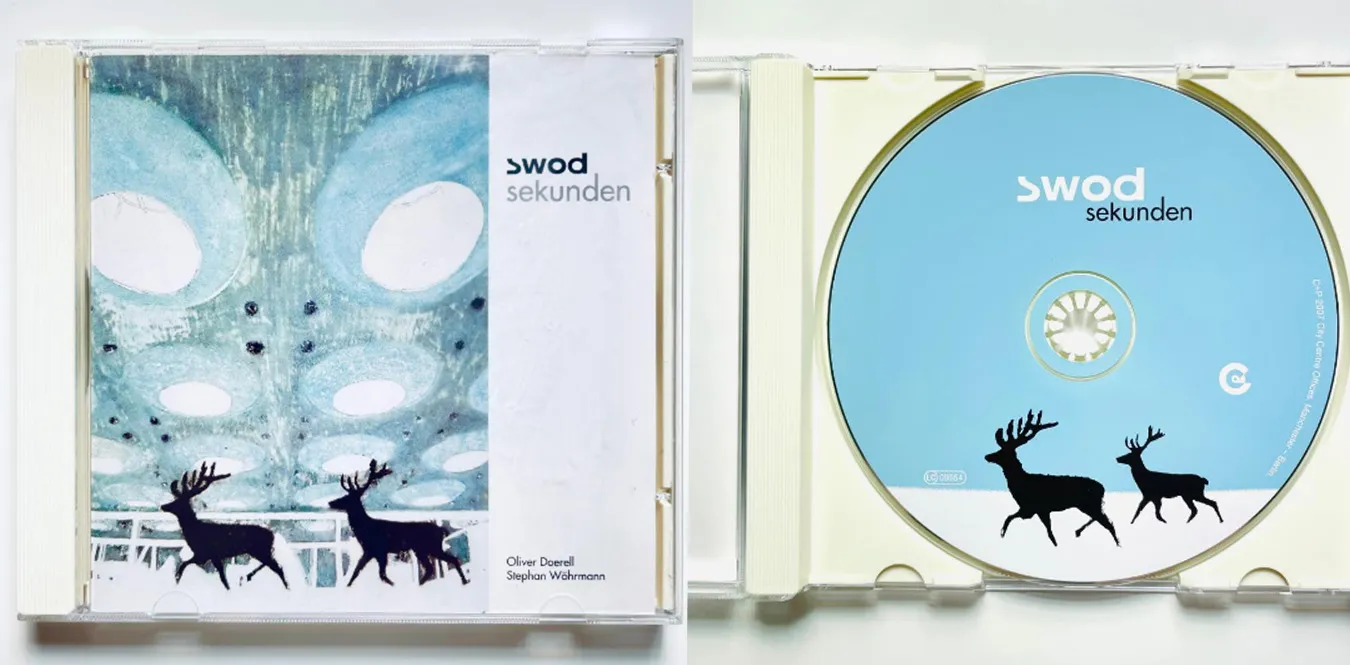
Swod – Sekunden
Swod is a recording project by musicians Oliver Doerell and Stephan Wöhrmann.