序章:ロックが「体験」へ変わる瞬間
文:mmr|テーマ:音楽を空間芸術へと押し広げたPink Floydの革新と思想の軌跡
音楽はどこまで拡張できるのか
1960年代、ロックはまだ「演奏される音楽」だった。しかしPink Floydは、それを「体験される空間」へと変えてしまう。音、光、映像、そして沈黙までも含めた総体としての音楽。彼らの登場は、ロックの定義そのものを書き換えた出来事だった。
ロンドンのUFOクラブなどで行われた初期のライブでは、音楽と同時に液体ライトショーが投影され、観客は単なるリスナーではなく“内部にいる存在”となる。この時点で既に、彼らのライブはコンサートではなく「環境」だった。
当時の観客の証言には、「バンドを見ていたのではなく、空間の中に溶けていた」というものが残っている。これは誇張ではなく、彼らが意図した体験そのものだった。
ロックは「聴くもの」から「没入するもの」へと変わった。
第一章:サイケデリアの起点と崩壊
シド・バレットという核
初期のSyd Barrettは、バンドの創造性の中心だった。彼の書く楽曲は童話的でありながら不穏さを孕み、当時のサイケデリック文化と強く結びついていた。
1967年のデビューアルバム『The Piper at the Gates of Dawn』は、その象徴だ。録音は同じスタジオでThe Beatlesが『Sgt. Pepper’s Lonely Hearts Club Band』を制作していた時期と重なっている。スタジオの廊下ですれ違うこともあったとされるが、両者の音楽的方向性は大きく異なっていた。
バレットには数多くの逸話が残されている。ライブ中にギターのコードを一切変えず、ただ一つの音を延々と鳴らし続けたという話は有名だ。また、髪にブリリアントクリームを塗り、そのままステージに立った結果、照明の熱で溶けて顔を覆ったというエピソードも語られている。
1968年、彼はバンドを離脱。だがその後も、1975年の『Wish You Were Here』制作中に突如スタジオに現れ、誰も彼だと気づかなかったという出来事がある。この訪問は、楽曲「Shine On You Crazy Diamond」に象徴されるように、バンドに深い影響を与えた。
創造の爆発は、同時に崩壊の始まりでもあった。
第二章:音響構築としてのロック
集団による再定義
バレット離脱後、Roger Waters、Richard Wright、Nick Mason、そしてDavid Gilmourの4人は、新たな方向性を模索する。
彼らが選んだのは「構築された音楽」だった。録音スタジオは楽器と同等、あるいはそれ以上の役割を持ち始める。テープの逆回転、ループ、フィールドレコーディング。すべてが音素材となった。
『Meddle』収録の「Echoes」では、ピン音のような不思議なサウンドが特徴的だが、これはピアノにマイクを近づけて偶然発見された音を元にしている。偶然を構造に取り込むという姿勢は、後の電子音楽にも通じる。
また、彼らはライブで四方にスピーカーを配置し、音を移動させる「クアドラフォニック・サウンド」を実験的に導入した。観客の背後から音が回り込む体験は、当時としては極めて革新的だった。
音は演奏されるものから設計されるものへと変わった。
第三章:コンセプト・アルバムの完成形
『The Dark Side of the Moon』
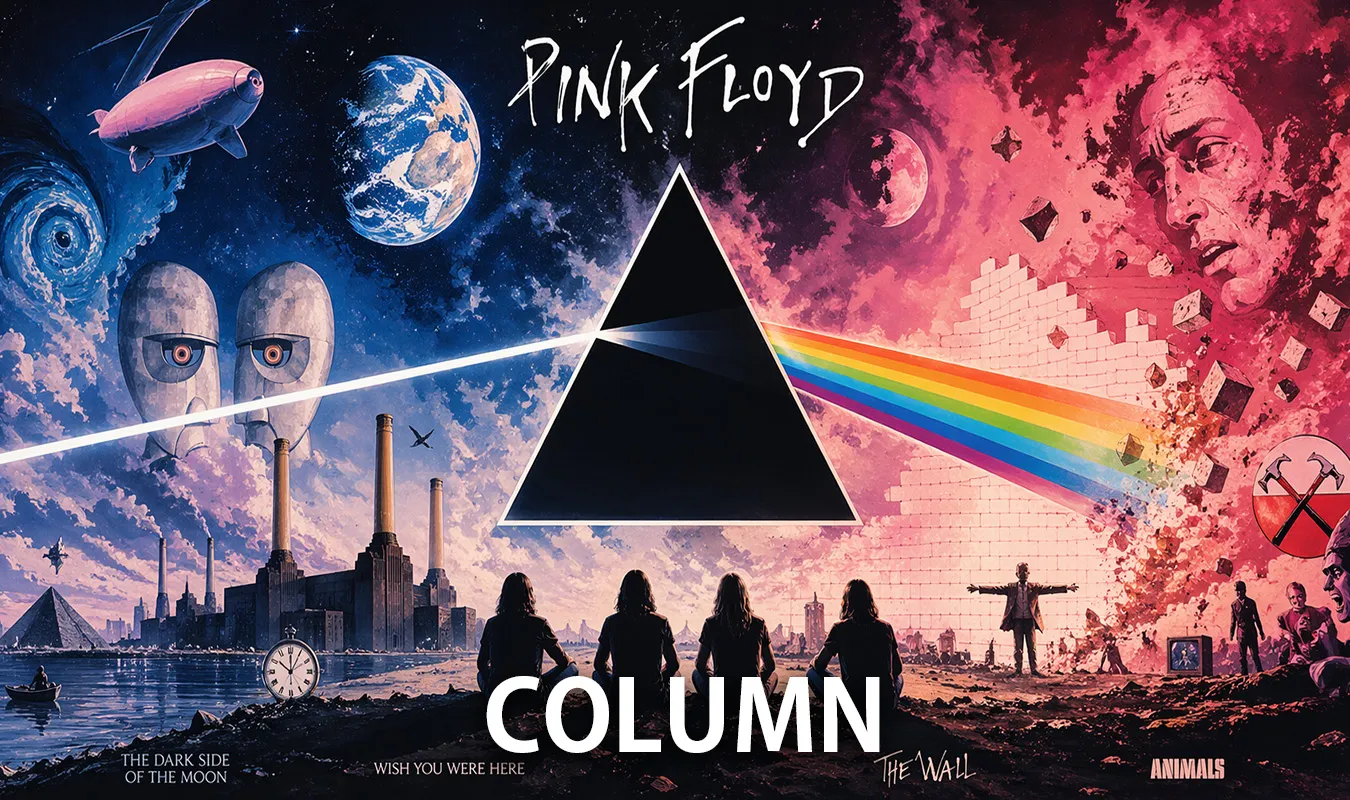
1973年、『The Dark Side of the Moon』はロック史の転換点となる。この作品は時間、狂気、死、資本主義といったテーマを統一的に扱い、アルバム全体が一つの思想として機能する。
レコーディングでは心拍音を再現するためにドラムを加工し、レジの音や時計の音など日常の音がリズムとして組み込まれた。冒頭の時計の音は、スタジオにあった多数の時計を同時に録音したものだ。
また、一般人へのインタビュー音声が挿入されている点も特徴的である。「狂気とは何か」「死についてどう思うか」といった質問に対する答えが、そのまま楽曲の一部となっている。
このアルバムのジャケットデザインはHipgnosisによるもので、プリズムのイメージは音の分解と再構築を象徴している。
アルバムは単なる曲の集合ではなく、思想そのものとなった。
第四章:巨大化する物語と演出
『The Wall』と分断の寓話
1979年の『The Wall』は、Roger Watersの個人的体験を基にした作品であり、孤立や抑圧をテーマにしている。
ライブでは実際にステージ上に巨大な壁が築かれ、演奏の進行とともに完成していく。そして終盤でその壁が崩壊する。この演出は観客に強烈な印象を残した。
さらに象徴的なのは「In the Flesh」ツアーでの事件である。ウォーターズが観客に唾を吐いた出来事は、彼自身にとっても衝撃であり、それが『The Wall』の構想の出発点となったとされている。
映画版ではAlan Parkerが監督を務め、アニメーションと実写が融合した表現が採用された。音楽作品がここまで視覚的に拡張された例は当時ほとんど存在しなかった。
物語は音を越え、空間そのものを支配し始めた。
第五章:内部対立と再編
ウォーターズの離脱
1980年代に入ると、バンド内の緊張は高まり、1985年にウォーターズが脱退する。彼はバンドの終焉を宣言したが、David Gilmourらは活動を継続する決断を下す。
この時期には法的な争いも発生し、バンド名の使用を巡って対立が続いた。結果としてギルモア側が「Pink Floyd」の名称を維持することになる。
1987年の『A Momentary Lapse of Reason』は、スタジオミュージシャンを多用した作品として知られるが、ライブでは再び壮大な演出が復活し、巨大スクリーンやレーザー光線が使用された。
バンドは一つの思想から複数の解釈へと分裂した。
第六章:遺産としてのPink Floyd
現代への影響
Pink Floydの影響は計り知れない。アンビエントの領域ではBrian Enoの思想と共鳴し、空間的音楽の発展に寄与した。
また、現代のライブ演出——巨大LEDスクリーン、立体音響、没入型インスタレーション——の多くは、彼らの試みの延長線上にある。
1990年、ベルリンの壁跡地でウォーターズが『The Wall』を再演したイベントは、冷戦終結の象徴的な文化的出来事となった。
さらに2005年のLive 8で、主要メンバーが再集結した瞬間は、音楽史に残る出来事として記憶されている。
彼らの音楽は終わらず、方法論として生き続けている。
Chronology
Pink Floydの主要出来事
時代ごとに音楽の定義を更新し続けた軌跡である。
YouTube Podcast
※このPodcastは英語ですが、自動字幕・翻訳で視聴できます
Explore more like this
![[Column] Tropical illusions — the world of Brazilian psychedelics](/../assets/images/column-Brazilian-Psychedelic-Music.webp)
[Column] Tropical illusions — the world of Brazilian psychedelics
序章:ブラジル・サイケデリックの夜明け
The Soft Machine – The Soft Machine
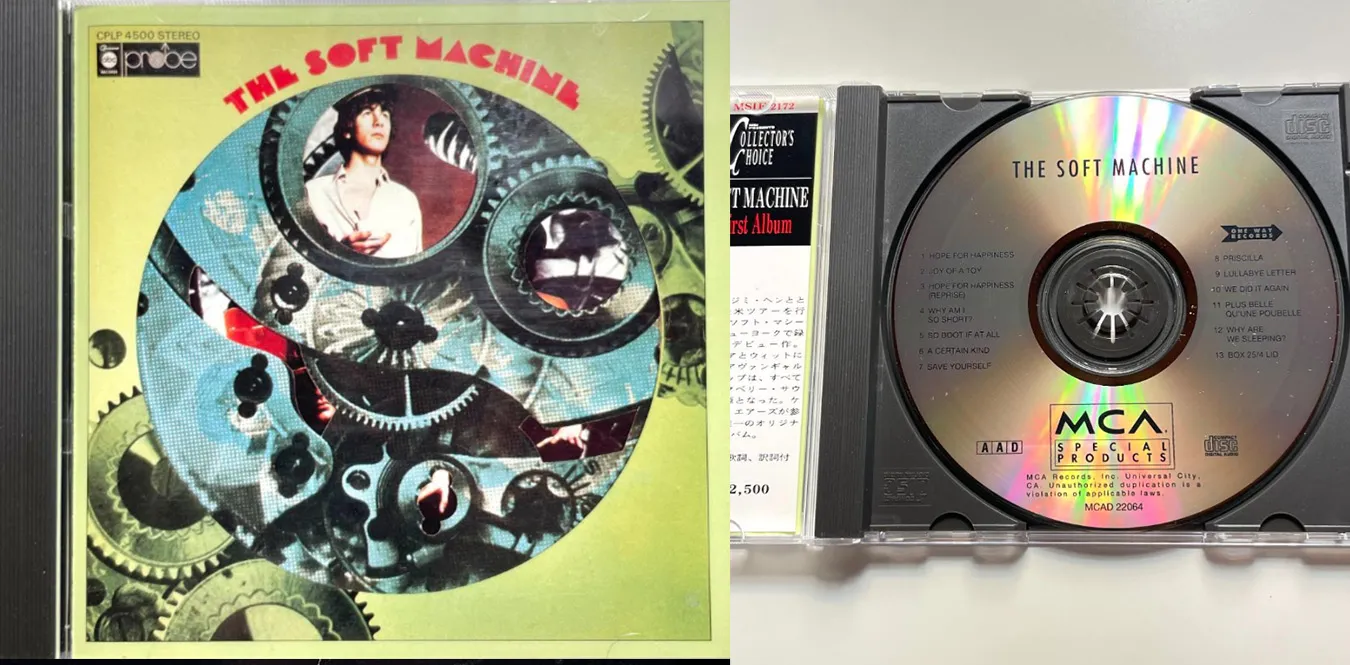
The Soft Machine(ソフト・マシーン)は、1966年半ばにマイク・ラトレッジ、ロバート・ワイアット、ケビン・エアーズ、デイヴィッド・アレン、ラリー・ナウリンによって結成されたカンタベリー出身のUKプログレッシヴジャズロックバンド。バンド名は、ウィリアム S. バロウズの小説「ソフトマシーン」にちなんで名付けられた。
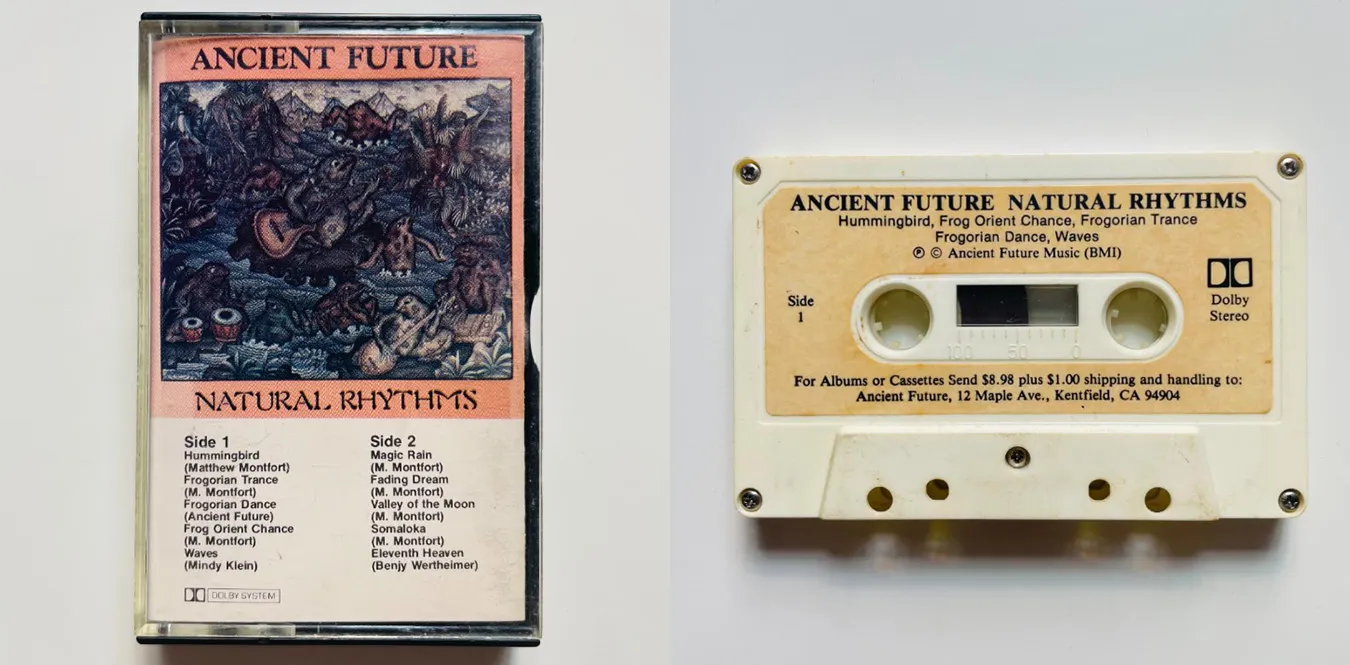
Ancient Future – Natural Rhythms
Ancient Future is a world fusion music group formed in 1978 by Matthew Montfort, who is considered one of the 100 greatest acoustic guitarists in the world.
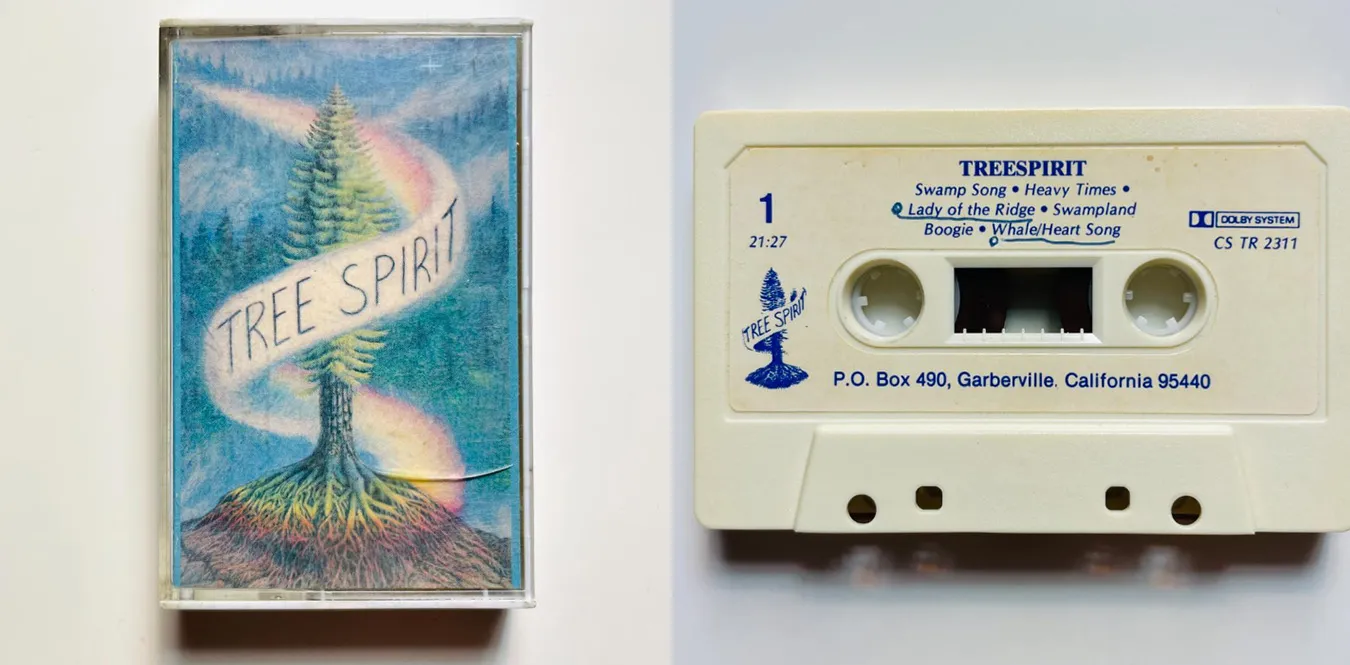
Tree Spirit – Tree Spirit
Tree Spirit is a group from California. The high-energy, earth-loving band has a unique style they call “earth rock,” which is a fusion of rock, folk, and psychedelic.
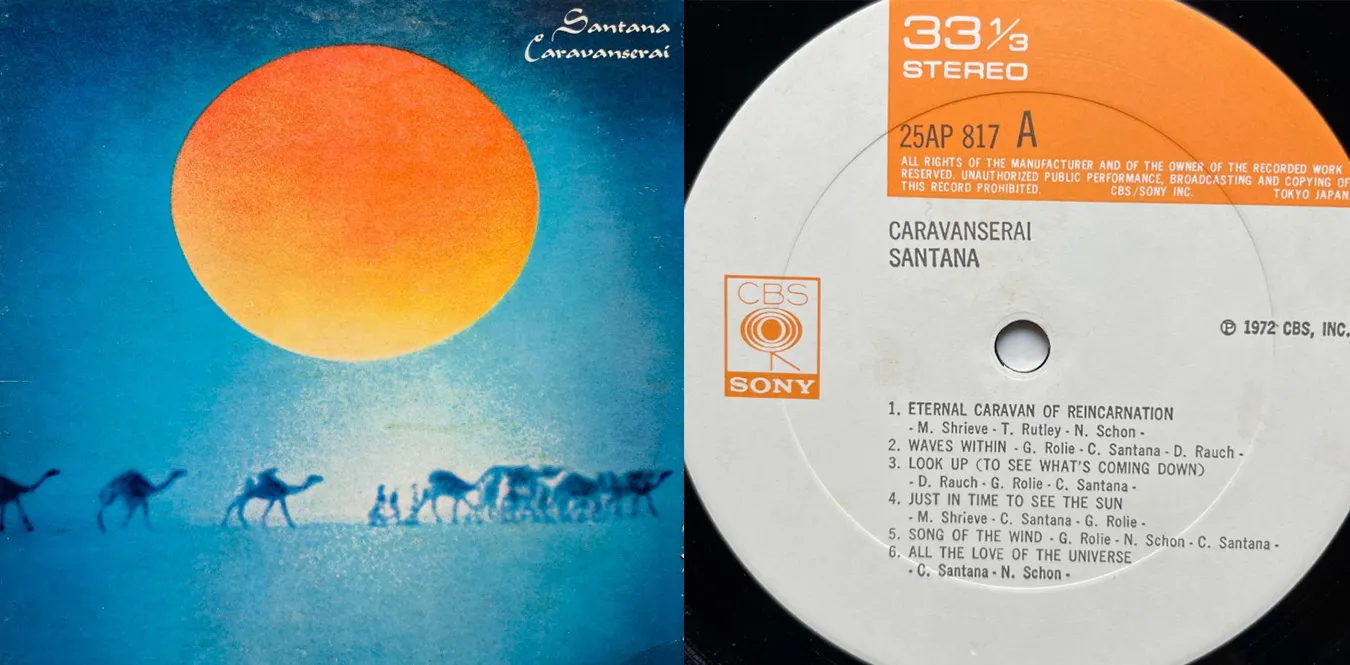
Santana – Caravanserai
サンタナは、ギタリストのカルロス・サンタナが率いる1960年代後半に結成されたアメリカのラテンロックグループ。
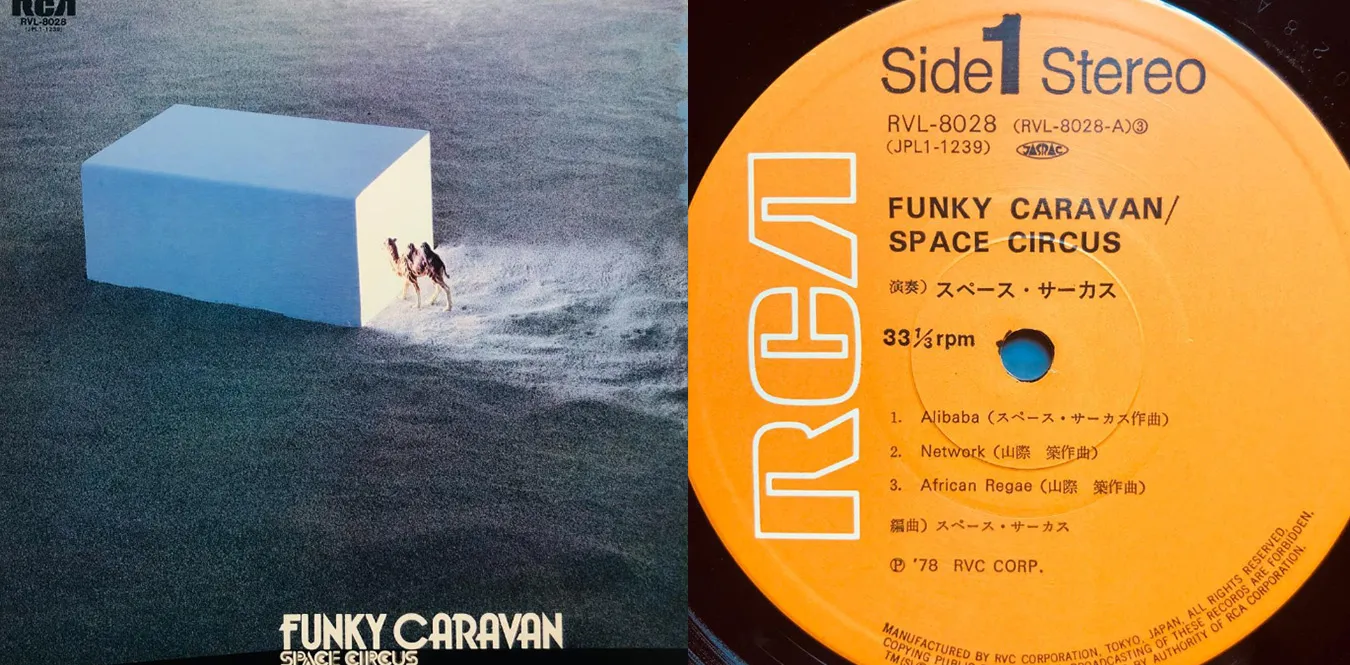
Space Circus – Funky Caravan
「Funky Caravan(ファンキー・キャラバン)」は、1970年代後半に活躍した日本のプログレ&フュージョンバンドSpace Circus(スペース・サーカス)のデビューアルバム。ベースの岡野 ハジメは音楽プロデューサーとして、スターリン、POLYSICS、L’Arc〜en〜Ciel(ラルク アン シエル)など多数のバンドに関わっている。
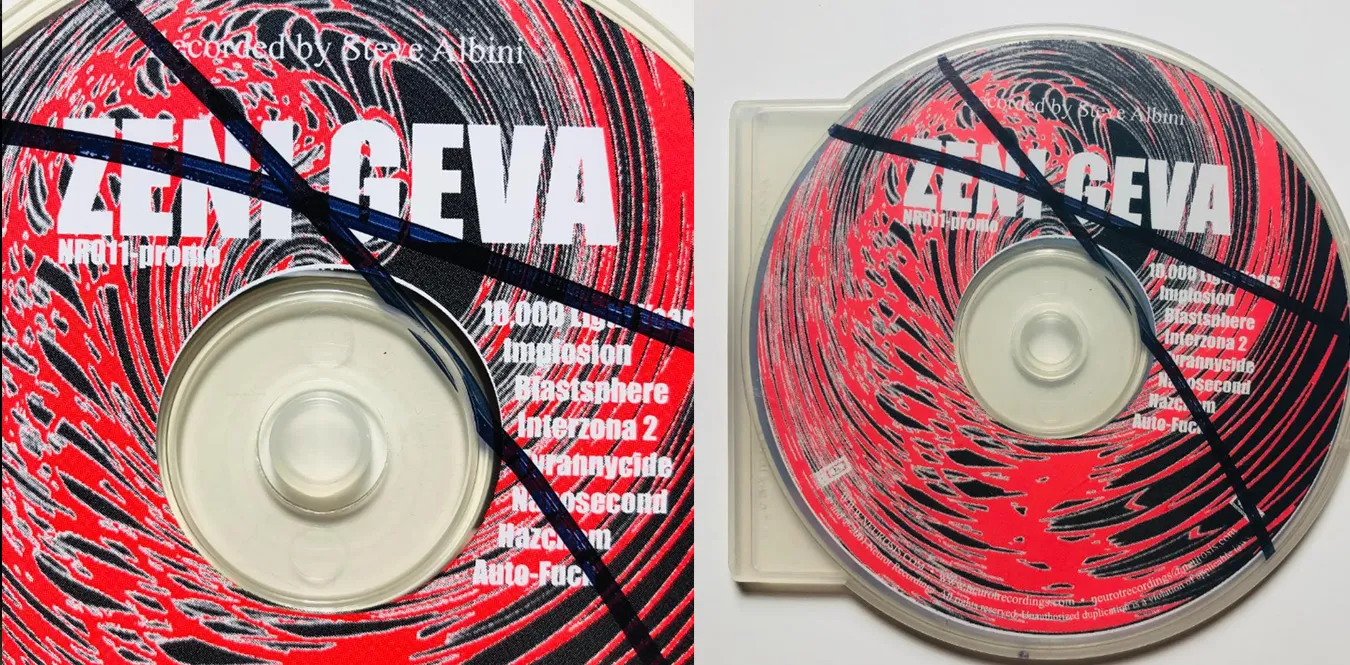
Zeni Geva – 10000 Light Years
「Zeni Geva – 10000 Light Years」は、 2000年10月、シカゴElectrical Audioで録音されたアルバムのプロモ盤。
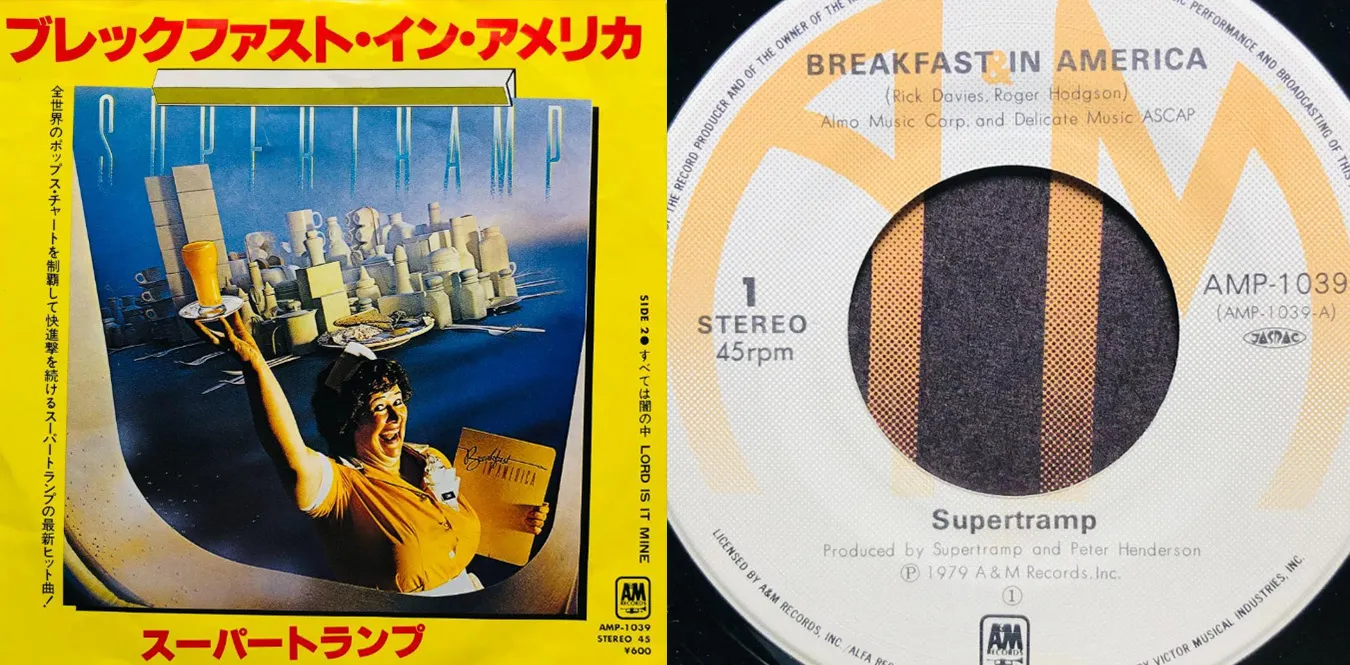
Supertramp – Breakfast In America
Supertramp(スーパートランプ)は、1970 年にロンドンで結成されたイギリスのロックバンド。「Breakfast In America」は1979 年の同名アルバムのタイトル曲で、世界的なヒットとなりました。
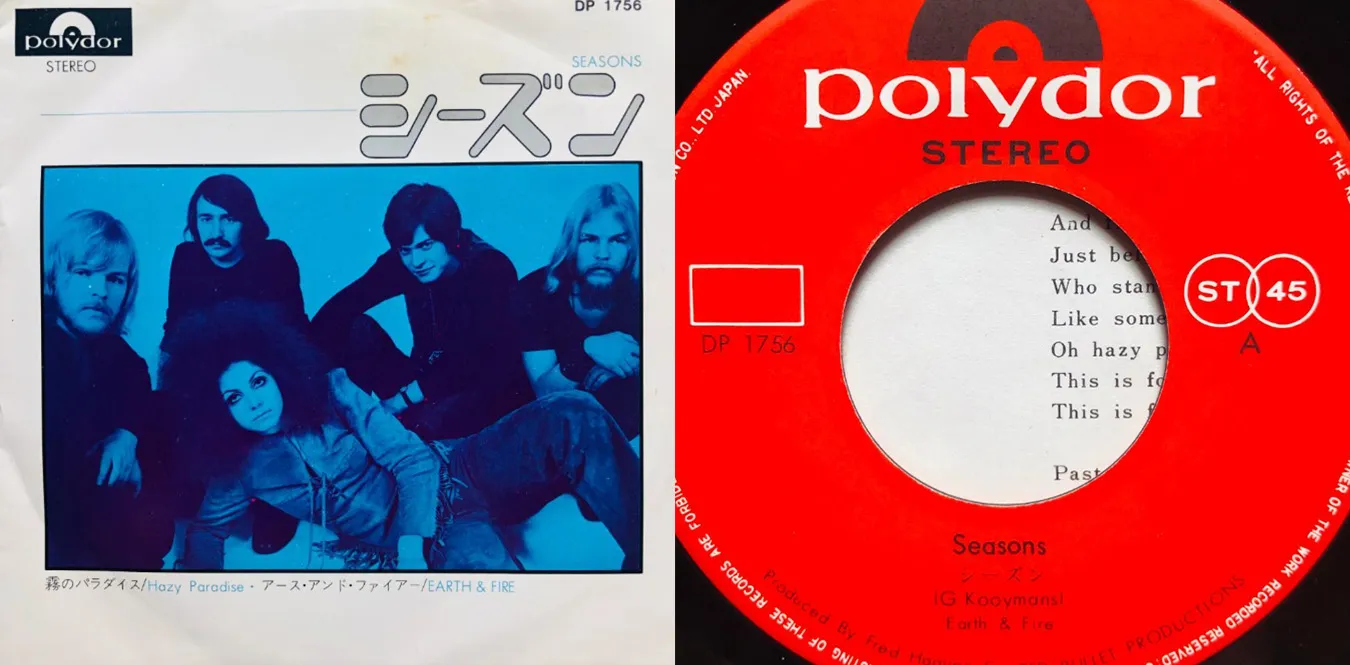
Earth and Fire - Seasons
Earth & Fire is a pop-rock band from Voorchoten/Vorburg, the Netherlands. “Seasons”, released in 1969, is Earth & Fire’s signature song.
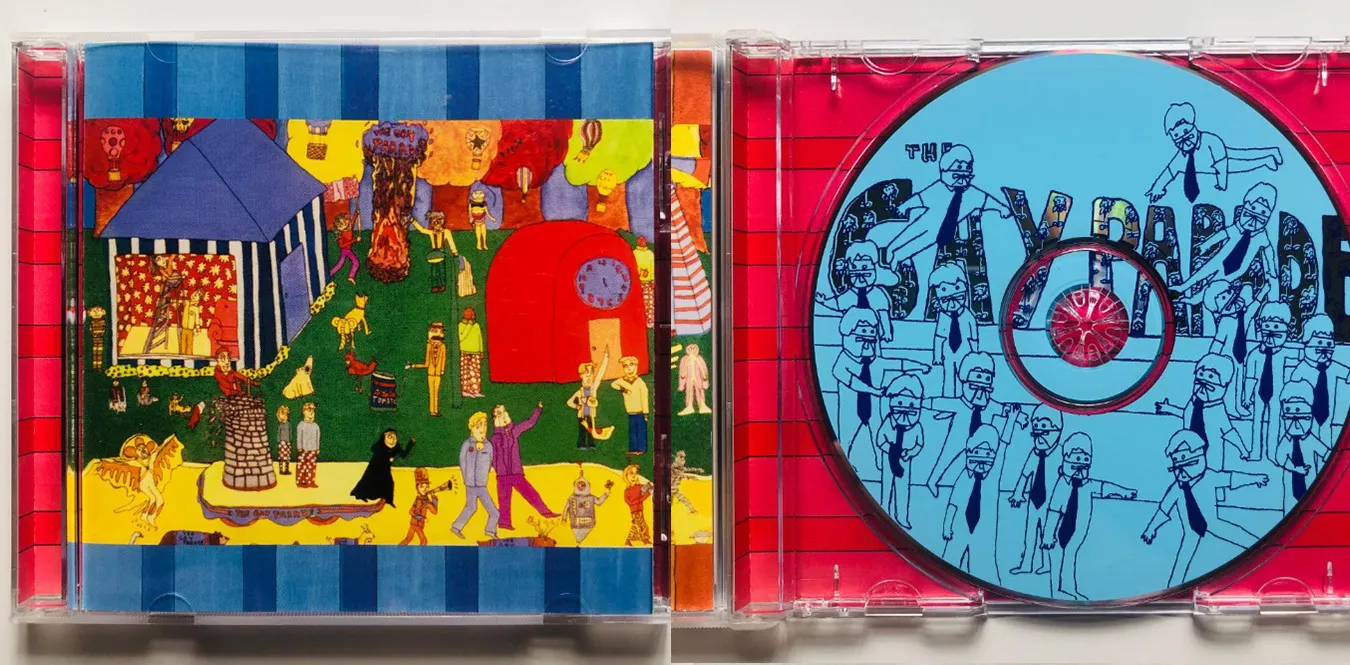
Of Montreal – The Gay Parade
of Montrealは、1996年ジョージア州でケヴィン・バーンズを中心に結成されたUSロックバンド。
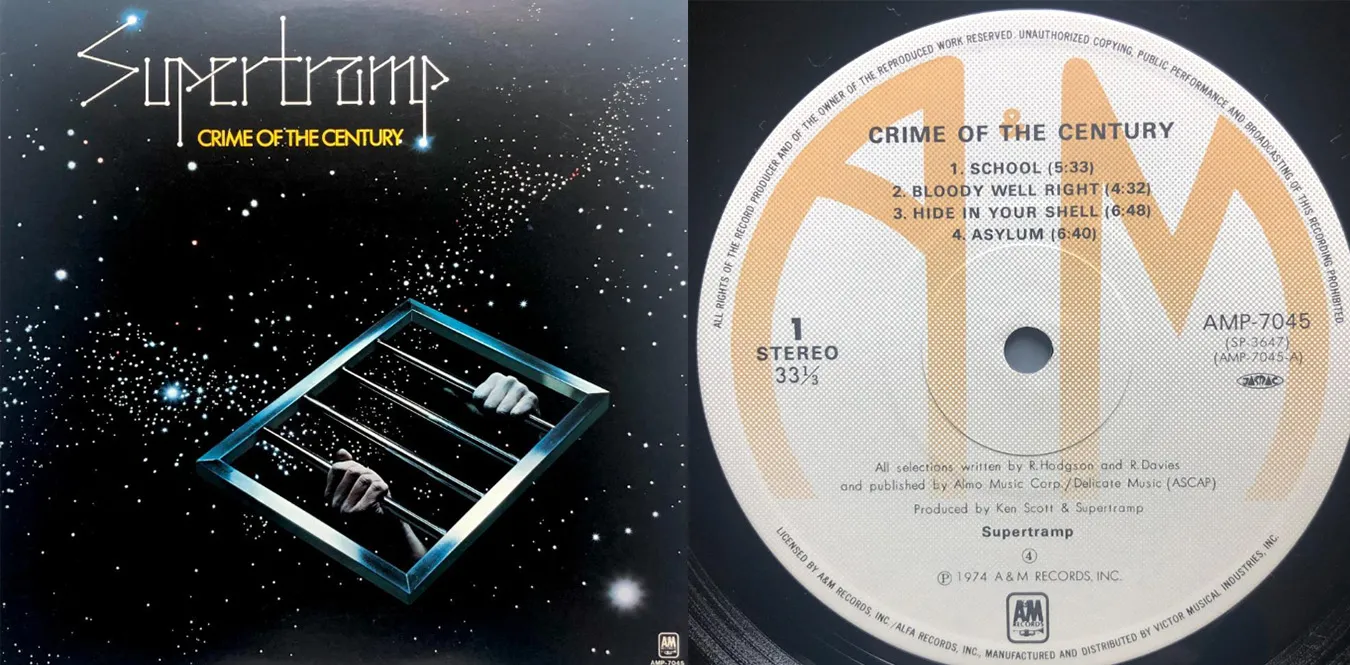
Supertramp – Crime Of The Century
Supertramp is a British progressive rock band.