![[Column] Tropical illusions — the world of Brazilian psychedelics](/../assets/images/column-Brazilian-Psychedelic-Music.webp)
序章:ブラジル・サイケデリックの夜明け
文:mmr|テーマ:トロピカリア運動から現代リバイバルまで、ブラジルが生んだサイケデリック音楽の系譜を辿る
In the late 1960s, political tensions and cultural experimentation coexisted in a strange way in Rio de Janeiro and São Paulo. While speech was increasingly controlled under the military regime, young people were inspired by British and American rock and sought new sonic freedom. At the forefront of this was the Tropicália movement.
詩人トルカト・ネトやアーティストエリオ・オイチシカと並び、音楽面を牽引したのがカエターノ・ヴェローゾとジルベルト・ジルだった。彼らは「ブラジル音楽の再定義」を掲げ、ボサノヴァ、サンバ、フォルクローレ、そしてロックを自在に融合していった。
“Tropicáliaは、我々の魂の中の熱帯だ。”
— Caetano Veloso, 1968
In the studios of the time, ““manual overdubbing” was repeated, taking advantage of the limitations of recording equipment. ““Psychedelic sound technology” was born, such as physically cutting and pasting reel-type tape and rotating the tape backwards to create reverse echoes.
Chapter 1: Tropicalia and psychedelic fusion
In 1968, the compilation album Tropicália: ou Panis et Circencis was released. This wasn’t just an album, it was a cultural declaration. ジルベルト・ジル、カエターノ・ヴェローゾ、オス・ムトゥンテス、ガル・コスタ、ナラ・レオンらが参加し、音と映像と詩が一体となったブラジル的アヴァンギャルドを提示した。
オス・ムトゥンテス(Os Mutantes)は特に革新的だった。セルジオ・ディアスのファズギターとリタ・リーの甘くも挑発的なヴォーカル、そして即興的なノイズ操作は、英国のピンク・フロイドやソフト・マシーンと並ぶ水準にあった。彼らの1970年作『A Divina Comédia ou Ando Meio Desligado』は、ブラジル音楽史における音響的転換点とされる。
“Os Mutantesはロックを食べ、ボサノヴァを飲み込み、未来を吐き出した。”
— Rolling Stone Brasil (1971)
第2章:音響革命 — ブラジル録音技術の革新
At the time, the recording studio Phonogram Studios (Rio) could not obtain Western-made multi-track equipment, so they adopted the artisanal method of layering two-track recorders. This restriction is the cause of the unique “bleeding” sound image. In particular, Os Mutuntes’ engineer Arnaldo Baptista built his own fuzz circuit and subtly fluctuated the pitch to recreate the hallucinatory floating sensation unique to South America.
Another important innovation was the fusion of ethnic instruments and electronic sounds. By combining indigenous sounds like cavaquinho and bell imbau with Moog synths and reverse tape, Brazilian music was expanded into a ““psychedelic tropic’’.
Chapter 3: Underground fever — the intersection of oppression and creation
In the 1970s, many of Tropicália’s central figures were exiled. However, the fire of music had gone underground and was alive and well in the local scene. Student bands in São Paulo and local radio in Bahia continued to share sounds through cassette tape networks.
On the other hand, Clube da Esquina, based in the state of Minas Gerais, appears. Clube da Esquina, the 1972 album by Milton Nascimento and Lo Borges, is a masterpiece that fused the boundaries between psychedelic, folk, and MPB, and epitomized the ““quiet trip’’.
Chapter 4: Modern Rebirth — The Age of Psychedelic Revival
21世紀に入り、ブラジルの若手バンドたちは再び“熱帯の幻覚”を取り戻した。
Boogarins, Carne Doce, Glue Trip, O Terno and others bridge British and American indie rock with the hallucinogenic sounds of the 60s. In particular, Boogarins’ 2015 album “Manual” is characterized by lo-fi spatial recording using cassettes and analog mixers, and symbolizes the ““DIY psychedelia’’ of the Spotify generation.
“Our sound is humid, like the Brazilian air.” — Dinho Almeida (Boogarins)
Chapter 5: Live Review — Tropical Trance Experience
2018年、サンパウロのCine Joiaで行われたBoogarinsのライブは、トロピカリアの亡霊を現代に蘇らせた瞬間だった。
Behind the stage are moving images of tropical plants, lighting that gives you a sense of humidity, and an endless guitar drone. Rather than dancing, the audience “floated”, immersed in the sound.
アンコールで演奏された「Lucifernandis」は、まるでOs Mutantesの再来のようなカオティックな音像を描き、観客の歓声が空気を震わせた。
The sound staff used analog tape echoes to transform the entire hall into a sea of hallucinatory reverberations.
第6章:ブラジル・サイケデリック主要年表
Chapter 7: Discography — In the wake of psychedelic Brazil
| Artist | Title | Year | Link |
|---|---|---|---|
| Os Mutantes | Tropicália: ou Panis et Circencis | 1968 | Amazon |
| Caetano Veloso | Caetano Veloso | 1969 | Amazon |
| Gilberto Gil | Expresso 2222 | 1972 | Amazon |
| Milton Nascimento & Lô Borges | Clube da Esquina | 1972 | [Amazon]https://amzn.to/4n2waIJ) |
| Boogarins | Manual | 2015 | Amazon |
| Glue Trip | Glue Trip | 2016 | Amazon |
終章:未来への幻視 — サイケデリアは続く
トロピカリアの精神は、半世紀を経た今も形を変え続けている。デジタル録音、AI生成音楽、そして映像芸術との融合を経て、ブラジルのアーティストたちは「新しい幻覚」を創造している。
それは、現実逃避ではなく、現実の再構築。
「熱帯の幻影」は、今なお世界のどこかで鳴り響いている。
“サイケデリアとは、心の中の現実を見つめることだ。”
— Gilberto Gil
YouTube Podcast
※このPodcastは英語ですが、自動字幕・翻訳で視聴できます
Explore more like this

【コラム】 Pink Floyd——音と空間で世界を再構築したロックの拡張
序章:ロックが「体験」へ変わる瞬間
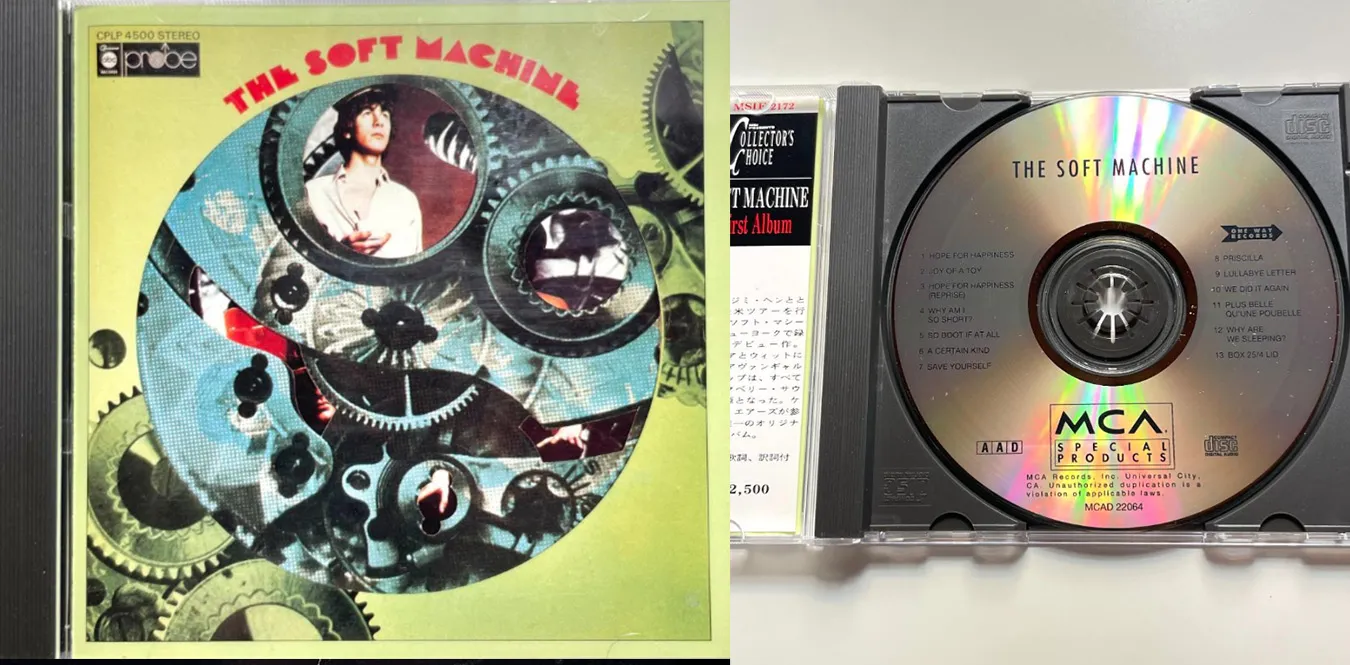
The Soft Machine – The Soft Machine
The Soft Machine(ソフト・マシーン)は、1966年半ばにマイク・ラトレッジ、ロバート・ワイアット、ケビン・エアーズ、デイヴィッド・アレン、ラリー・ナウリンによって結成されたカンタベリー出身のUKプログレッシヴジャズロックバンド。バンド名は、ウィリアム S. バロウズの小説「ソフトマシーン」にちなんで名付けられた。
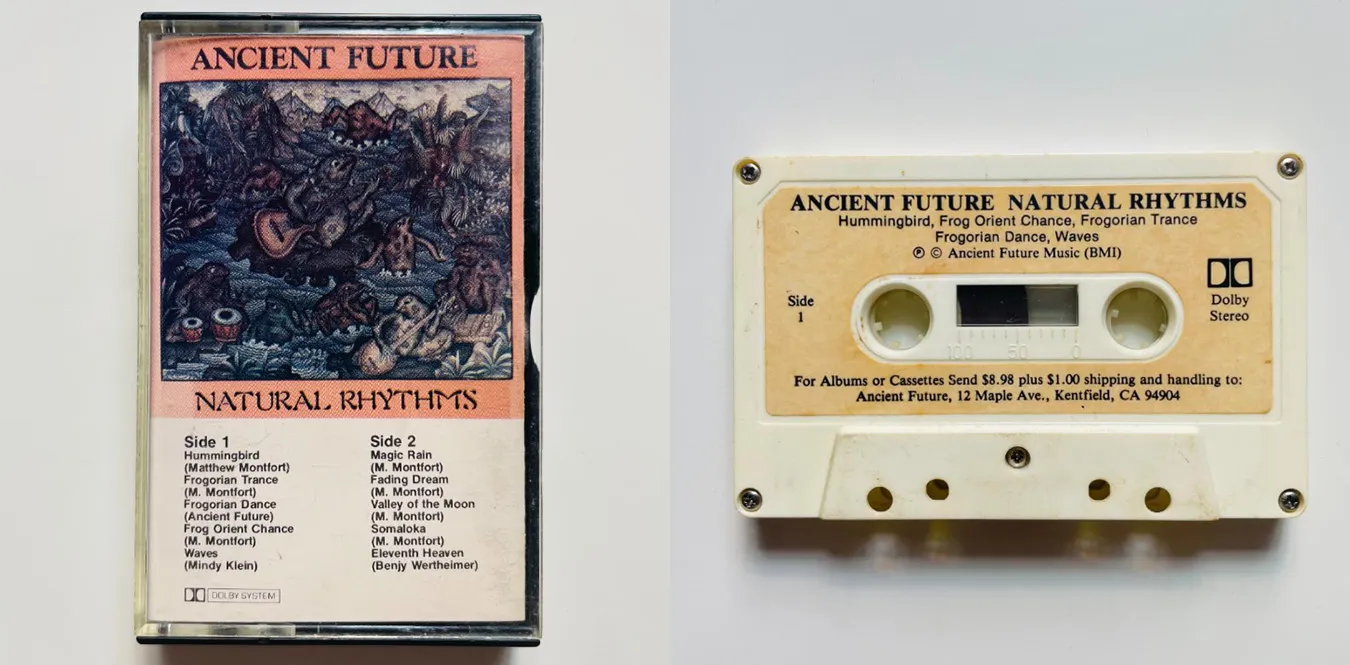
Ancient Future – Natural Rhythms
Ancient Future is a world fusion music group formed in 1978 by Matthew Montfort, who is considered one of the 100 greatest acoustic guitarists in the world.
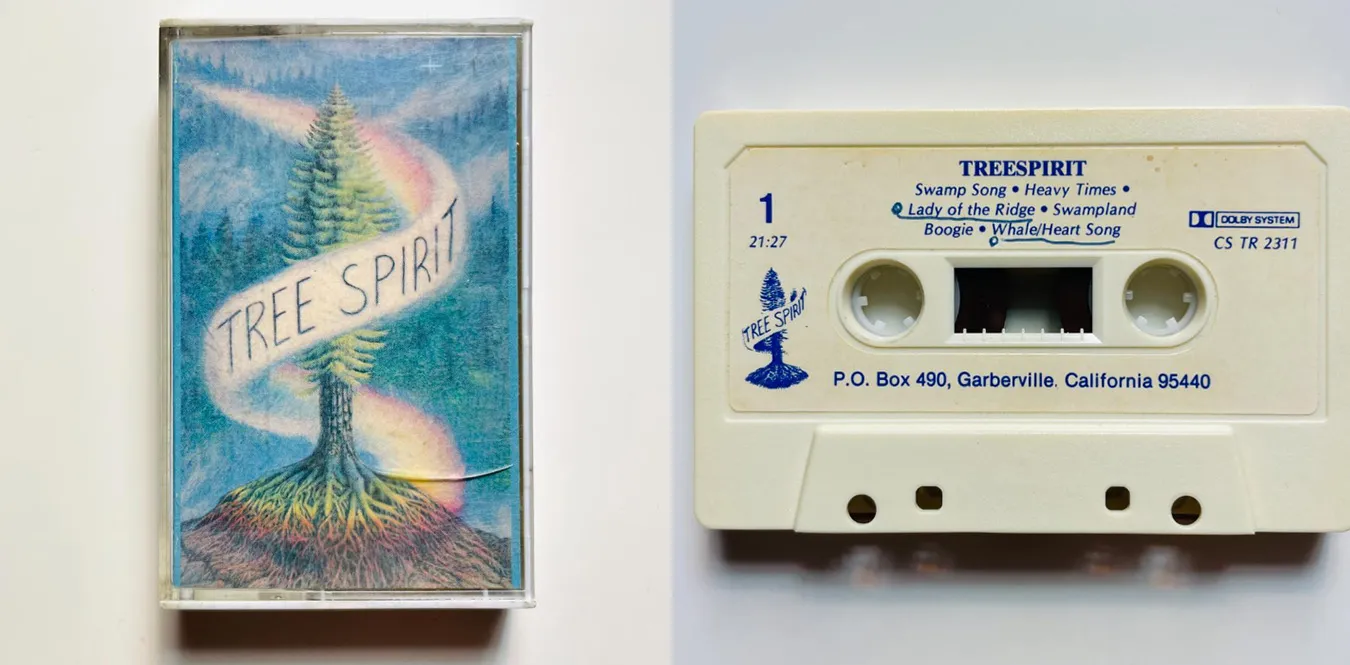
Tree Spirit – Tree Spirit
Tree Spirit is a group from California. The high-energy, earth-loving band has a unique style they call “earth rock,” which is a fusion of rock, folk, and psychedelic.
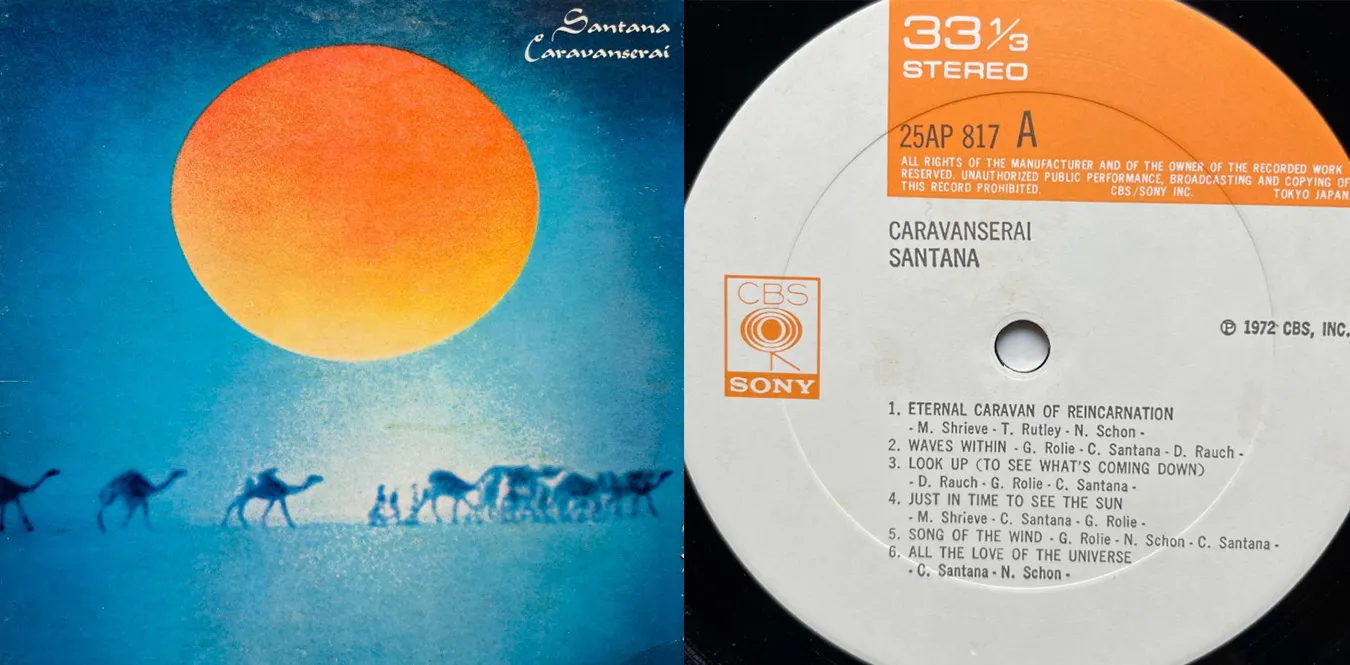
Santana – Caravanserai
サンタナは、ギタリストのカルロス・サンタナが率いる1960年代後半に結成されたアメリカのラテンロックグループ。
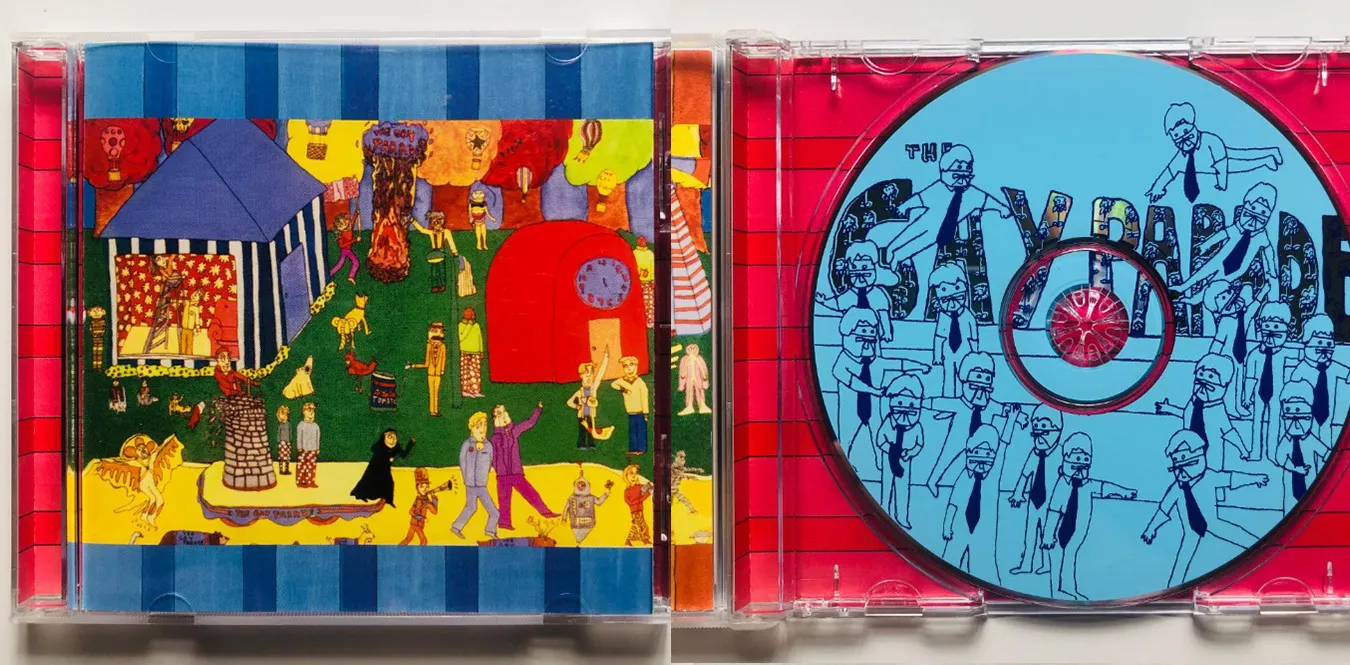
Of Montreal – The Gay Parade
of Montrealは、1996年ジョージア州でケヴィン・バーンズを中心に結成されたUSロックバンド。
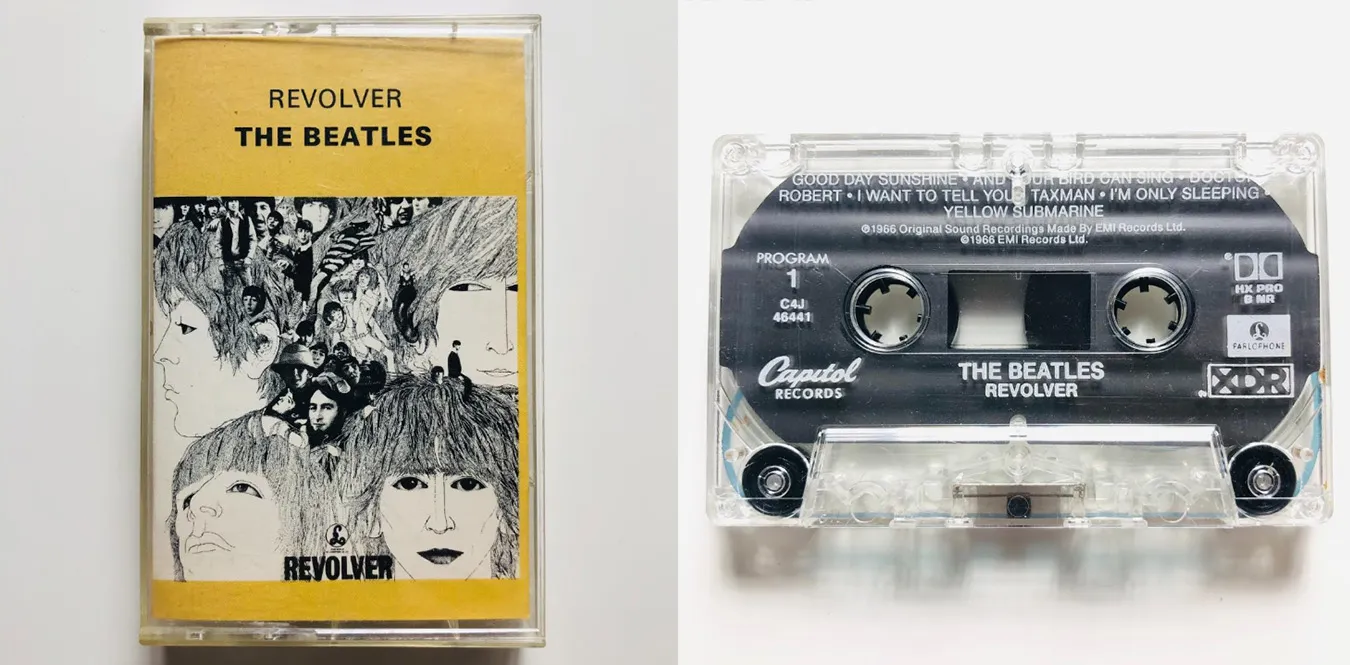
The Beatles – Revolver
A notable song on “Revolver” is “Eleanor Rigby.” This heartwarming song features a string octet and showcases Paul McCartney’s storytelling talent.