[Column] Lo-Fi Hip Hop / Chillhop (home-recorded beat culture)
Column en 80s 90s Chillhop Hiphop Lo-Fi![[Column] Lo-Fi Hip Hop / Chillhop (home-recorded beat culture)](/../assets/images/column-lo-fi-hip-hop-chillhop.webp)
1. Concept definition and name arrangement
Text: mmr|Theme: Historical facts about the home-recorded beat culture collectively known as Lo-Fi Hip Hop / Chillhop, including its background, technical conditions, distribution structure, aesthetics, and social acceptance.
Lo‑Fi Hip Hop has become an established name for a musical practice based on hip-hop beat production that is characterized by intentionally low-resolution sound quality, simple organization, and highly repetitive structures. Chillhop is a derivative name that emphasizes its listening use, especially the aspect consumed in work/environmental music contexts.
The term Lo‑Fi means ““Low Fidelity,’’ and refers to an attitude that treats recording technology limitations and noise as an element of expression rather than a flaw. On the other hand, Chillhop is not so much a genre name as a label formed within the categorization and playlist culture on distribution platforms.
While both share production techniques and aesthetics, they have played different roles in the distribution context.
2. Hip-hop beat production as an antecedent culture
Lo-Fi Hip Hop’s direct origins lie in the hip-hop beat production culture of the late 1980s and 1990s. Techniques such as repetitive beat construction using samplers and drum machines, sampling from records, and reconstructing breakbeats were carried over into later Lo-Fi beat production.
At the time, the production environment was centered on hardware such as MPC, SP‑1200, and ASR‑10, and short sample times and low bit rates directly affected sound quality. These constraints gave rise to acoustic characteristics that were later reevaluated as ““warmth” and ““roughness.”
3. Spread of home recording culture and digital production environment
From the late 1990s to the 2000s, DAW software and personal computers became more popular. This has made it possible for individuals without a professional studio to produce beats at home.
In this home recording environment, it has become common for production to be completed using only a simple audio interface, an inexpensive MIDI controller, and headphones. The private nature of the production space is thought to have encouraged a more introspective and understated tendency to sound.
The very production conditions of home recording defined the feel of the genre.
4. Shaping the Lo‑Fi aesthetic
The Lo‑Fi Hip Hop aesthetic is characterized by the deliberate use of technical flaws. Specifically, the following elements can be mentioned.
- Addition of record noise and tape hiss
- Pitch fluctuation and time stretch distortion
- Simplified chord progressions
- Loop structure that avoids excessive expansion
These reflect an attitude that prioritizes atmosphere and sustainability over perfection.
5. Instrumentalization and functional musicality
Much of Lo‑Fi Hip Hop is an instrumental format that does not involve rap. This tendency has resulted in the elimination of linguistic information and increased functionality as background music.
By linking it to concentrated activities such as studying, reading, and working, Lo‑Fi Hip Hop became both a listening object and an ambient music.
6. Changes in the Internet and distribution structure
Since the late 2000s, with the advent of video sharing sites and music distribution services, Lo‑Fi Hip Hop has rapidly become more visible. Highly anonymous account management, 24-hour streaming, and a configuration based on loop playback formed a distribution form unique to this genre.
This is an example of how distribution design directly influenced music format.
7. Establishment of the category Chillhop
The name Chillhop was established during the process of organizing genres and optimizing playlists on distribution platforms. The tempo was moderate, the sound pressure was restrained, and the melody was repetitive, with an emphasis on not drawing too much attention from the listener.
This categorization brought about a certain level of format consciousness on the production side, and as a result, musical homogenization progressed.
8. Visual representation and animation culture
Visual representations associated with music also played an important role in the spread of Lo‑Fi Hip Hop. Looped images made of still images and simple animations were highly compatible with the repetitive nature of the music.
Visual repetition served to reinforce acoustic repetition.
9. Standardization of production techniques
As the genre expanded, production techniques gradually became more standardized. Specific BPM bands, swing amounts, and tone selections have been shared, and production educational content and templates have also increased.
While this formalization lowers the barrier to entry, it also limits the range of expression.
10. Commercialization and critical perspective
Lo‑Fi Hip Hop / Chillhop was strongly tied to a revenue model based on streamed views. Structures suitable for long-term playback are highly compatible with algorithms, and there have been many cases of commercial success.
On the other hand, there is also criticism that consuming music as a background makes it difficult to evaluate individual works.
11. Relationship with other genres
Lo‑Fi Hip Hop has connections with genres such as jazz, soul, ambient, and downtempo. The influence of jazz is particularly noticeable in the chord feel and tone selection.
12. Regionality and globalization
This culture is not limited to a specific region, but is formed simultaneously over the Internet. Therefore, it is characterized by the fact that it does not have a clear geographical center.
13. Chronology
Late 1980s
- Sampler-centered hip-hop beat production culture established
1990s
- Sound quality characteristics of low-bit samplers become commonplace
Early 2000s
- Popularization of DAW and home recording environment
2010s
- The term Lo‑Fi Hip Hop / Chillhop has become established in streaming culture.
2020s
- Consumption for environmental music has become commonplace
14. Structure diagram (production and distribution)
15. Social acceptance and normalization
What is distinctive about Lo-Fi Hip Hop/Chillhop is that it has permeated everyday life without being confined to a specific subculture. Connected to activities such as commuting to work or school, working from home, studying, and reading, a listening style in which music is placed in the background rather than the foreground of consciousness has become commonplace.
This everydayization indicates the process by which music moves from being an ““object of appreciation” to being an ““environmental condition.” Lo-Fi Hip Hop was accepted as something to keep flowing rather than being listened to.
This expansion of culture was supported by the shift in the role of music to aiding behavior.
16. Music structure in the age of algorithms
Recommendation algorithms in distribution platforms had a strong influence on the structure formation of Lo-Fi Hip Hop/Chillhop. Stability that lowers the dropout rate has become more important than introductions that make an impression in a short period of time or dramatic developments.
As a result, the following trends became noticeable.
- Avoid extreme volume changes
- Dilution of rust structure
- Acoustic continuity between songs
These are designed with the premise of consumption in units of streams rather than in units of albums.
17. Dealing with silence and white space
Lo-Fi Hip Hop is characterized by silence and a small number of sounds. This is not just a matter of simplification, but also a design to avoid excessively stealing the listener’s attention.
Periods where no sound is present, or extremely suppressed bands, function as blank spaces that do not disturb concentration.
White space is not an omission, but an intended component.
18. Tempo and physicality
The tempo of Lo-Fi Hip Hop/Chillhop is generally concentrated in the medium to low speed range. This tempo band maintains a constant sense of rhythm while not evoking strong physical reactions.
By avoiding excessive excitement and tension, the listener’s body is kept in a state where they can continue working and thinking without becoming too synchronized with the music.
19. Suppression of emotional expression and anonymity
In this culture, there is a tendency to suppress the strong presentation of authorship and personal feelings. In many cases, the artists’ names and portraits were not featured, and anonymity was compatible with the nature of the genre. Anonymity served to depersonalize the listening experience.
20. Educational aspects and imitative culture
Lo-Fi Hip Hop was relatively difficult to produce and was also consumed as learning material. With the spread of tutorials and presets, learning skills through imitation has become commonplace.
This culture of imitation led to the homogenization of genres and at the same time an explosive increase in the production population.
21. Chronology (extended details)
Late 1980s
- Establishment of sampler culture in hip-hop beat production
Early 1990s
- Sound quality characteristics of low-bit samplers become commonplace
Late 1990s
- Beat production aimed at home recording is expanding
Early 2000s
- Spread of DAW environment and normalization of individual production
Late 2000s
- Development of beat sharing culture on the Internet
Early 2010s
- Visualization of the name Lo-Fi Hip Hop
Late 2010s
- Chillhop established as a distribution category
2020s
- Generalization of ambient musical consumption
22. Structure diagram
23. Critical organization
Lo-Fi Hip Hop/Chillhop is music that rejects excessive meaning and symbolism. Its value lies in sustainability and availability, not in strong claims.
This culture quietly redefined how music was placed within society.
24. Conclusion
Lo-Fi Hip Hop/Chillhop is a contemporary music culture that was formed through the confluence of multiple conditions: the home recording environment, digital distribution, algorithms, and daily activities.
Its quiet repetition indicates music’s new position in consumer society.
Explore more like this
![[Column] Why Lo-Fi hip-hop has become a standard for studying and working](/../assets/images/column-lofi-hiphop-study-youtube.webp)
[Column] Why Lo-Fi hip-hop has become a standard for studying and working
What is Lo-Fi hip-hop?
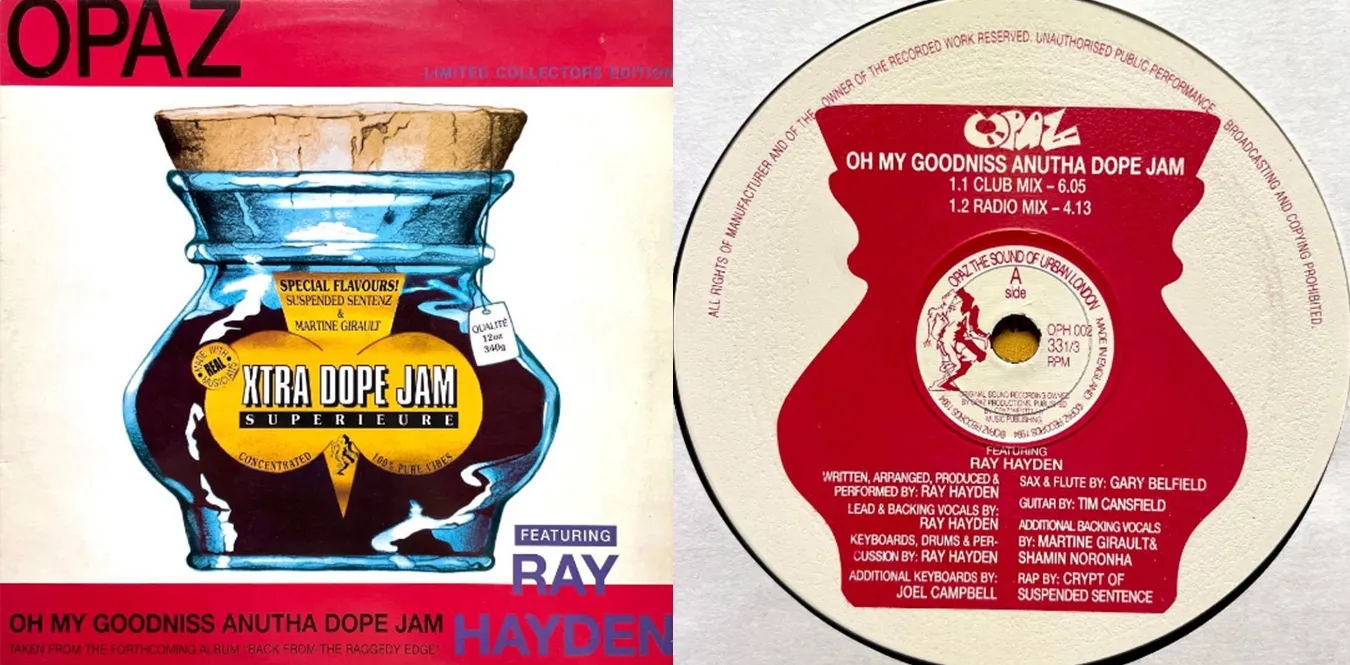
Opaz – Oh My Goodniss Anutha Dope Jam
Ray Hayden, aka Opaz, is a London-based producer and vocalist who runs Opaz Records, which specializes in acid jazz and world music.
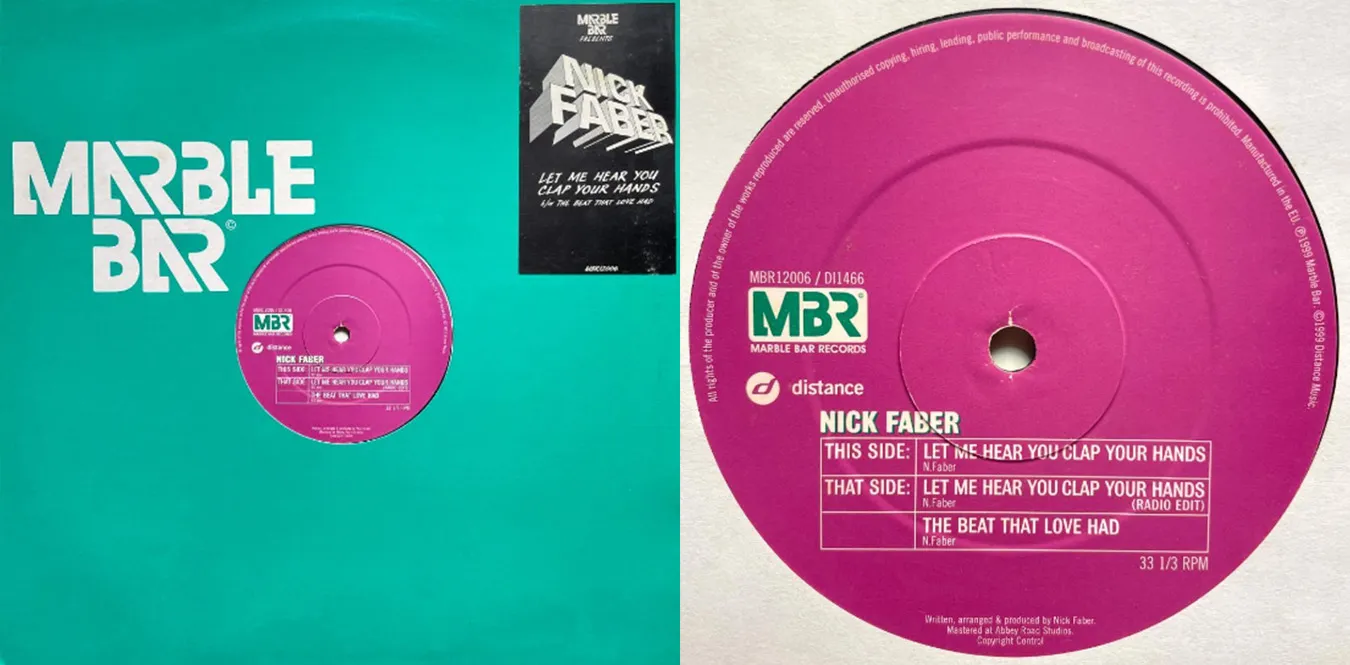
Nick Faber – Let Me Hear You Clap Your Hands
Nick Faber is a producer/musician based in London.

M. C. Miker 'G' & Deejay Sven – Holiday Rap
MC Miker G and DJ Sven are a hip-hop duo from the Netherlands.

8-Off – Alize For Dolo
8-Off ことAngel Aguilarは、NYを拠点に活動するhip-hop MC/プロデューサー。Agallah, Angel Aguilar, Brad Piff, The Don Bishopなどさまざまな名義でリリースしている。
![[Column] Brenda Fassie — The township diva: A journey of glory and struggle](/../assets/images/column-brenda-fassie.webp)
![[Column] Complete history of French hip-hop: from NTM to the present day](/../assets/images/column-french-hiphop.webp)
[Column] Complete history of French hip-hop: from NTM to the present day
Complete history of French hip hop

【コラム】 Human Beatbox 世界史と日本のプレイヤーたち ― 技術進化・大会文化・各国の潮流
Human Beatbox 世界史と大会文化 ― 技術・潮流・プレイヤーの歩み
【コラム】 DMC World DJ Championship:ターンテーブリズムが世界文化へ昇華するまでの軌跡
DMC World DJ Championship——ターンテーブリズムの世界史
![[Column] Company Flow: The horizon of alternative hip-hop opened up by the DIY spirit](/../assets/images/column-company-flow.webp)
[Column] Company Flow: The horizon of alternative hip-hop opened up by the DIY spirit
Introduction——The existence that broke the “limitations of indie”