![[Column] IDM × Jazz / Electronic Jazz Fusion](/../assets/images/column-idm-jazz-electronic-jazz-fusion.webp)
Introduction: The intersection of IDM and jazz
Text: mmr|Theme: About music presented as the structure of time itself
The fusion of IDM and jazz has progressed not as an addition of genres, but as a redesign of the sense of time and performance philosophy. By blurring the lines between improvisation and composition, groove and programming, and human power and machines, an aesthetic different from traditional fusion is being formed. Since the 1990s, as club culture and experimental jazz have deepened simultaneously, rhythmic structure itself has become the subject of music.
If you understand IDM x Jazz not as a style, but as a methodology for processing time, it is easier to see the whole picture.
Establishment of IDM and changes in the view of rhythm
Intelligent electronic music after breakbeats
In the early 1990s, attempts to subdivide and reconstruct breakbeats progressed, and rhythms that contained change rather than repetition came to be valued. In a field called IDM, the focus is less on the stability of tempo and more on what’s happening inside the beat. Rhythm has changed from being a foundation for dancing to an information structure for listening.
Redefining time signature and tempo
In IDM, multiple periods often exist simultaneously within a 4/4 time signature. Even if a constant tempo is maintained, the placement of the snare and hi-hat periodically shifts, causing the sense of time signature to fluctuate. This way of thinking later became strongly connected to jazz’s understanding of polyrhythm.
IDM developed a technique that distorts the flow of time while keeping the tempo fixed.
The flow of electronicization from the perspective of jazz
Genealogy from electric jazz
Electric jazz in the 1970s emphasized the expansion of the rhythm section and sustained grooves, but did not go as far as breaking down the beat. Since the 1990s, the introduction of samplers and sequencers has made it possible to repeat accurately and produce minute shifts that are difficult to perform manually.
Coexistence of improvisation and programming
Improvisation is not lost even in an electronic environment. Performers manipulate loops and effects in real time, improvising the structure itself. The improvisation here appears not as a phrase, but as a structural manipulation.
Electronicization did not take away the improvisational nature of jazz, but moved it to a different level.
A concrete image of IDM x jazz seen in Squarepusher
Integrating bass performance and programming
Squarepusher treated fast electric bass playing and extremely fragmented drum programming as the same musical language. While the bass line has a jazz-like walking and phrasing feel, the rhythm is broken down in an IDM style.
Rhythm decomposition and reconstruction
Drum patterns may seem random at first glance, but internally there is a clear periodic structure. The pattern is updated every few beats, not every bar, so the groove is constantly changing.
Squarepusher’s music nullifies the distinction between performance and editing.
Derivative approaches after Shigeto
Fusion of live drums and electronic processing
Shigeto focused on acoustic drums, and composed music with post-performance editing and loop processing in mind. This creates a sound image that has both human-powered fluctuations and electronic precision.
Minimal structure and complex interior
On the surface, simple repetition continues, but internally the accent positions and ghost notes are constantly changing. Although the sound is calm to the ears, when analyzed, it is packed with high-density information.
After Shigeto, the trend was to hide complexity inside instead of bringing it to the forefront.
Structural analysis of complex rhythms
Polyrhythm and Polymeter
In IDM x Jazz, polyrhythm, in which multiple rhythm cycles run simultaneously, and polymeter, which have different time signatures, are used together. What is important is that they are mathematically consistent and not completely chaotic.
Micro timing control
By moving the notes forward and backward in millisecond increments, a groove that is both mechanical and organic is created. This is also a process of analyzing human playing habits and intentionally rearranging them.
Complexity arises not from the amount of information, but from the accuracy of time arrangement.
Equipment and production environment
Role division between hardware and software
The sampler and drum machine form the rhythmic framework, and the DAW is responsible for the precision of editing and arrangement. Live performances such as bass and drums are often recorded as material and then reconstructed.
Difference between live and studio
In the studio, extremely detailed editing is possible, but in live performances, structural flexibility is more important than reproducibility. Therefore, performers design music to instantly switch between multiple loops and patterns.
Equipment is chosen for time control rather than timbre.
Chronology: Progress of IDM x Jazz
1990s
With the establishment of IDM and the advancement of breakbeats, the introduction of electronic equipment in jazz began in earnest.
2000s
Performance-based IDMs such as Squarepusher are attracting attention, and the integration of live music and programming is progressing.
Since 2010s
Since Shigeto, there has been an increase in introspective and minimalist approaches, and complexity has moved within the structure.
This trend is still being updated slowly.
Conclusion: Time art that transcends genres
IDM x Jazz is an area that should be understood as an idea of how to deal with time, rather than being consumed as a genre name. The boundaries between performance and editing, improvisation and design have already lost their meaning, and music is presented as a temporal structure itself.
This fusion will continue to change form as technology and performance philosophy evolve.
Explore more like this
![[Column] Progressive Jazz / Fusion](/../assets/images/column-progressive-jazz-fusion.webp)
[Column] Progressive Jazz / Fusion
Introduction: The concept of progressive jazz/fusion
![[Column] Electronic World Fusion: The point where electronic acoustics and global music culture intersect](/../assets/images/column-electronic-world-fusion.webp)
[Column] Electronic World Fusion: The point where electronic acoustics and global music culture intersect
Introduction: How electronic music opened to the world
![[Column] Squarepusher: A fusion of breakbeats, jazz, and electronic music](/../assets/images/column-squarepusher-history.webp)
![[Column] Teo Macero and Miles Davis —— The moment when editing surpasses creativity](/../assets/images/column-macero-miles.webp)
[Column] Teo Macero and Miles Davis —— The moment when editing surpasses creativity
Prologue: “Another instrument” called the recording room
![[Column] Planet of Bass: Cultural History of Bassists in the World and Japan ---Sounds Under the Earth's Surface](/../assets/images/column-bassists.webp)
[Column] Planet of Bass: Cultural History of Bassists in the World and Japan ---Sounds Under the Earth's Surface
“The soul of music is in the bass.”
![[Column] History of Future Jazz, famous records, and changes in equipment](/../assets/images/column-future-jazz.webp)
[Column] History of Future Jazz, famous records, and changes in equipment
What is Future Jazz?
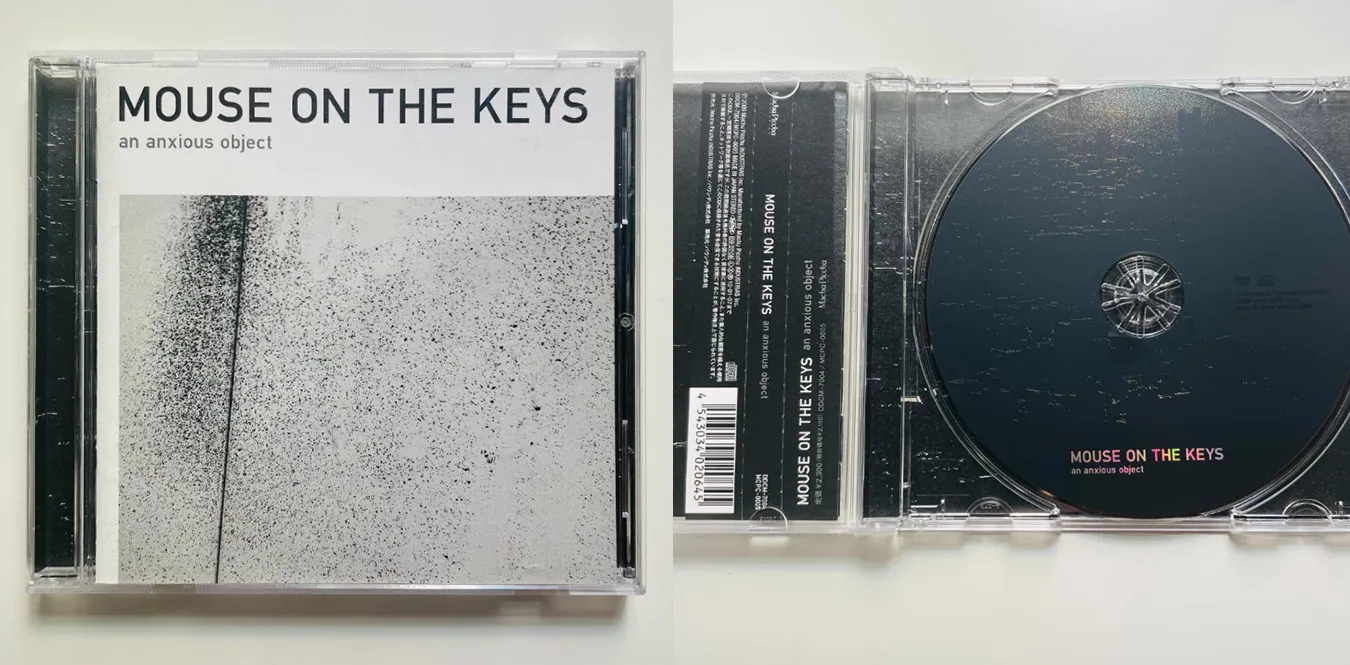
Mouse On The Keys – An Anxious Object
Mouse On The Keys was formed in 2006 by former members of the post-hardcore/post-rock band Nine Days Wonder, Akira Kawasaki (drums, piano) and Atsushi Kiyota (piano, keyboards), and became a...
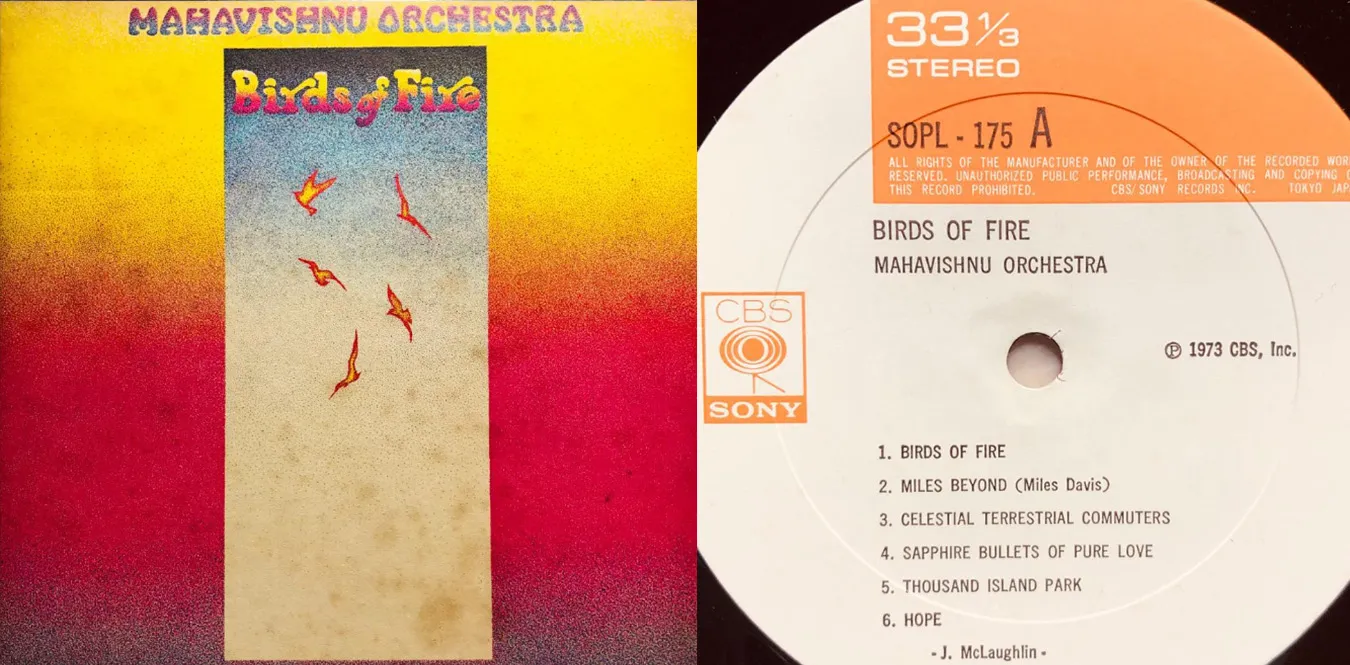
Mahavishnu Orchestra – Birds Of Fire
Mahavishnu Orchestra is a pioneering fusion jazz-rock band formed in 1970 by British guitarist John McLaughlin.
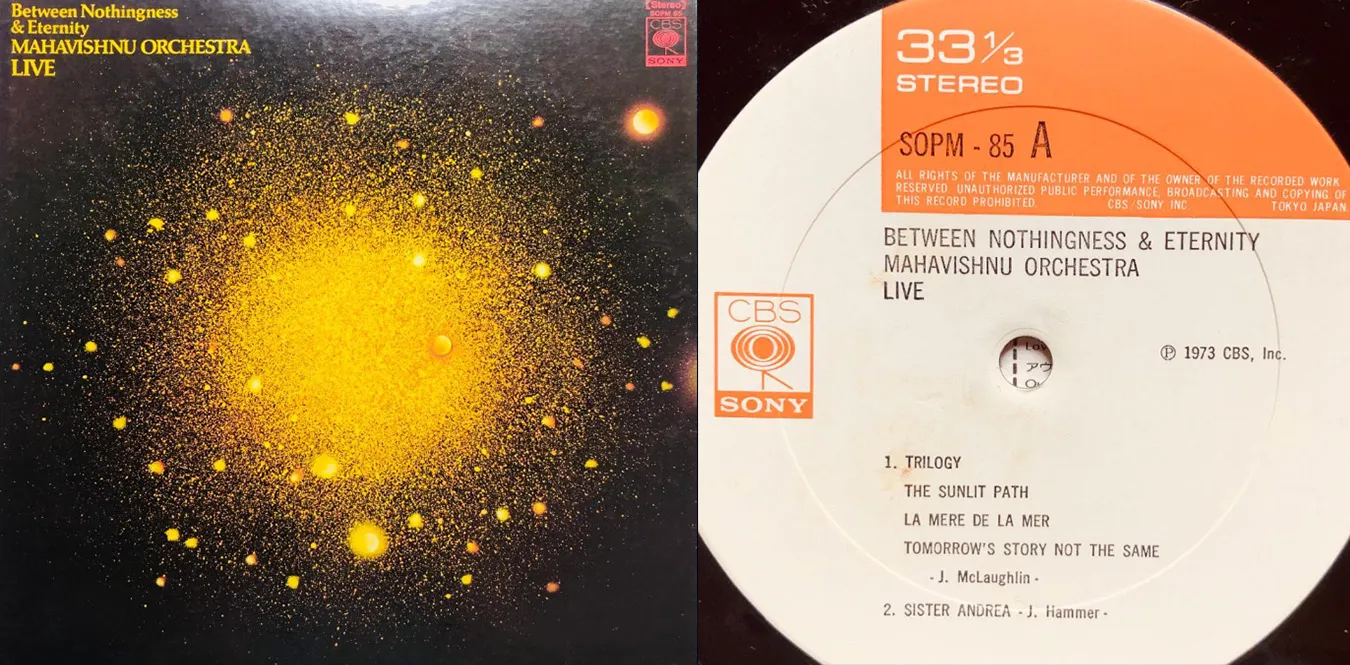
Mahavishnu Orchestra – Between Nothingness & Eternity
Between Nothingness & Eternity, released in 1973, was the Mahavishnu Orchestra’s first live album.