[Column] Gabba/Hardcore Techno - A history of rebellious dance music born of extreme speed
Column en Electronic Gabber Hardcore Techno![[Column] Gabba/Hardcore Techno - A history of rebellious dance music born of extreme speed](/../assets/images/column-gabber-hardcore.webp)
1. Before hardcore - the birth of faster techno
Text: mmr|Theme: Using speed and distortion as weapons, we depict the history of Gabba Hardcore, the most radical and easily misunderstood dance music produced in European cities and youth culture in the 1990s, from its birth to its spread, divergence, re-evaluation, and spread to Japan, in a three-dimensional urban cultural history.
In the late 1980s, Chicago house and Detroit techno traveled to Europe, receiving their own interpretations in each city. In Germany, there is an emphasis on minimal and mechanical repetition, while in England, breakbeats and rave culture are combined. Meanwhile, in the Netherlands, there was an unusual amount of interest in the ““hardness” and ““speed” of techno.
At the time, Dutch DJs didn’t play imported American techno as it was, but instead raised the pitch and used equalizers to exaggerate the low frequencies to see how the floor would react. The BPM exceeds 140, the beat becomes more linear, and the music begins to be treated as a shock to the body.
This change was driven more by the field than by studio production. Parties in clubs and warehouses became testing grounds, and the audience’s reaction directly determined the direction of the music. Immediate effectiveness began to be valued over refinement, and destructive power over architectural beauty.
While techno tends towards futuristic sophistication, another vision of the future was chosen: ““runaway speed.’’
2. The soil of Rotterdam - urban conditions for the birth of Gaba
Rotterdam is a city that lost much of its center during World War II and was rebuilt after the war. The cityscape emphasized practicality, with functionality taking center stage rather than historical decoration. This urban environment also has a strong influence on musical aesthetics.
As a port city, Rotterdam had a high proportion of the working class, with many young people working night shifts and manual labor. Weekend parties were a place to release the tension of everyday life all at once, and music was sought for catharsis rather than healing.
In the early 1990s, clubs around Rotterdam favored intentionally rough and aggressive tracks. Distorted kicks are treated as ““mass” rather than ““pitch,” and the aim is to create a bass sound that feels like it hits the body directly. The feeling formed here would later become the core of the style known as Gaba.
Rotterdam”s Gabba was a direct translation of the city”s history of rebuilding and the rhythm of labor into sound.
3. Establishment of hardcore techno - production technology and sound design
From 1992 to 1994, gabba/hardcore techno rapidly became formalized. Behind this was a change in the production environment. Relatively inexpensive samplers and drum machines became popular, and the know-how of creating radical sounds with limited equipment began to be shared.
Particular emphasis was placed on the production of the kick drum. By distorting, compressing, and layering existing samples, unique and destructive bass sounds are created. This process was very artisanal, and each producer had a subtle individuality.
While the song structure is extremely simplified, the sound pressure and repetition create a strong sense of immersion. The on-floor experience was paramount, with home listening secondary.
Hardcore production was based more on actual experience than on music theory.
4. Fashion and the body - Visualization of Gabba culture
Gabba Hardcore was not a culture that could be defined solely by hearing. Skinheads and extremely short hairstyles were both practical on the sweaty, hot floor and symbols of collective identity.
Sportswear and sneakers are the result of prioritizing functionality to allow people to continue dancing for long periods of time, and were formed without regard to trends in the fashion industry. Here, there was an aesthetic that was not ““for show” but ““for use.”
The dance was jumping, and was characterized by movements in which the whole body was thrown against the rhythm. Rather than individual expression, emphasis is placed on the collective elation that comes from sharing the same movements.
Gaba’s physicality was an extreme demonstration of music as a device for creating social solidarity.
5. Rotterdam vs Amsterdam – a clash of two values
Even within the Netherlands, musical orientations were very different between Rotterdam and Amsterdam. Amsterdam was a strong international city, and house and techno were accepted in a sophisticated manner.
Rotterdam’s hardcore, on the other hand, functions as a reaction to such sophistication. Immediate effect and destructive power are prioritized over melody and atmosphere, and the criterion is ““whether you can endure it” rather than ““whether you can dance.”
This conflict was exaggerated by the media, with scenes in both cities often portrayed in contrast. However, in reality, the flow of people and influence was bidirectional, and the tension itself was the vitality of the scene.
The differences between the two cities did not isolate hardcore, but rather accentuated its presence.
6. Criticism and misunderstanding–view from the outside
Gabba Hardcore was often misunderstood because of its extreme nature. The media emphasized external characteristics and some violent images, and did not sufficiently convey the musical background and internal diversity.
As a result, entire genres came to be talked about with a single set of values, and were sometimes linked to social issues. However, internally, musical experimentation and detailed stylistic differentiation were progressing.
The strength of the criticism shows the magnitude of the impact that hardcore had on society.
7. Branching and deepening–from the late 1990s to the 2000s
After passing its commercial peak, hardcore quickly diverges. At the same time, there were styles that were moving in a bright and catchy direction, styles that were moving in a darker and more experimental direction, and styles that pursued speed itself to the limit.
During this period, hardcore began to distance itself from the mainstream and reorganize itself as a more sustainable underground culture. Continuous activities by a core support base will become more important than large-scale events.
Hardcore has advanced to the next stage by enrichment, not reduction.
8. History of reception of GABA in Japan: import and reinterpretation
Gabba/hardcore was introduced in earnest to Japan in the mid-1990s. Its existence became known to some techno enthusiasts through imported records and magazine articles.
Initially, it received limited support in the Japanese club scene due to its extreme nature, but the unique energy of hardcore gradually gave rise to unique interpretations. In the Japanese scene, there was a tendency to emphasize not only musicality but also artwork and performance.
Since the 2000s, a unique Japanese interpretation of hardcore has been formed, and it has attracted attention from overseas scenes as well. Here, it was not just imitation, but fusion with local sensibilities.
Its reception in Japan proved that Gaba is translatable as a culture.
9. Re-evaluation and the present – the legacy of hardcore
Since the 2010s, 90s hardcore has been subject to re-evaluation. Elements that were once shunned because they were excessive have come to be seen as more of an element of sincerity.
Gabba-like speed and distortion are taking on new meaning in the context of contemporary techno and experimental music. The former rebellion now serves as a reference point.
Gabba Hardcore is an unfinished culture that continues to be reinterpreted over time.
Chronology
Structure diagram: genre branching
The history of Gabba Hardcore is a record of a long experiment in the intersection of the desire for speed and urban culture.
Explore more like this
.webp)
Ramirez – Terapia (Hocus Pocus Remixes + DMC UK Rmx)
Ramirez is an electronic dance music project created by the Italian DFC label in the early 90”s. DFC”s production team, Davide Rizzatti, Elvio Moratto, Ricki Persi, and singer Alex Quiroz...

DO – Running Out Of Time
DO (Digital Orgasm) is a Belgian techno act formed by the M.N.O. production trio Maurice Engelen (Somora/Praga Khan), Nikkie van Lierop (Jade 4 U, Miss Lie), and Oliver Adams.
![[Column] Border Community — A community of sound that transcends boundaries](/../assets/images/column-border-community.webp)
[Column] Border Community — A community of sound that transcends boundaries
I. Prologue: A story that begins at the border
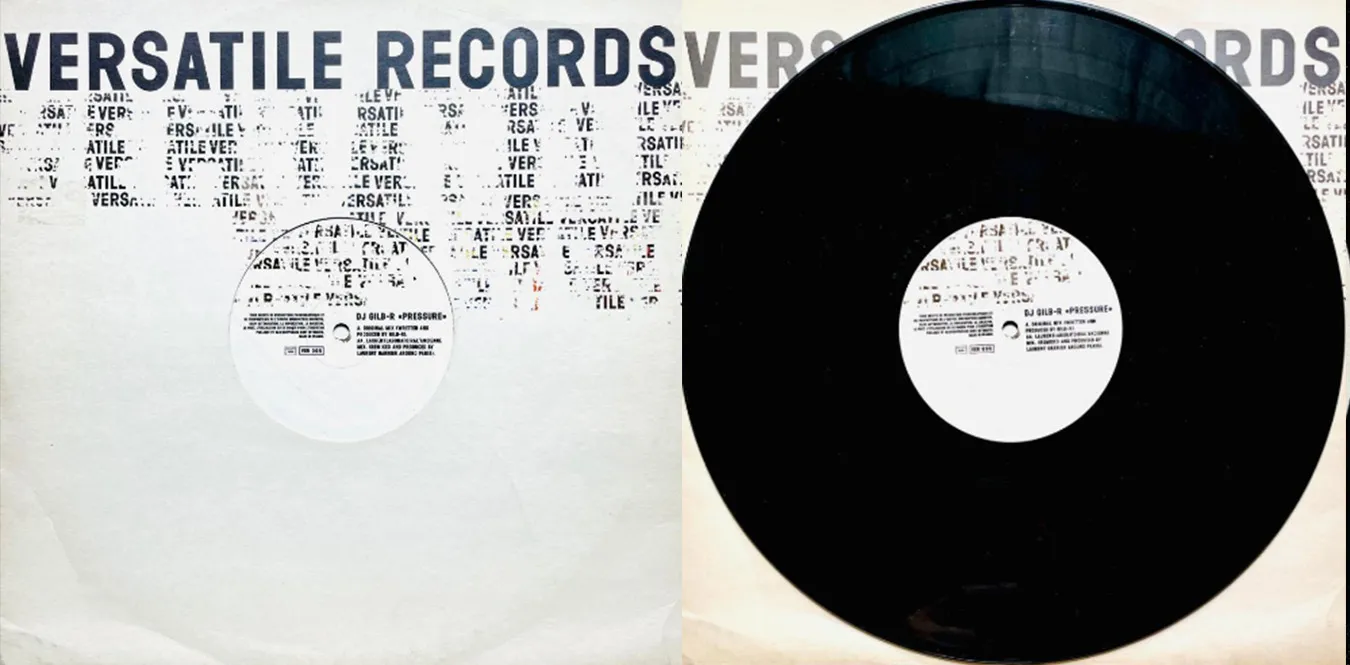
DJ Gilb-R – Pressure
DJ Gilb-Rは、フランスのエレクトロニックミュージックプロデューサー、Gilbert Cohen(ギルバート・コーエン)の別名。
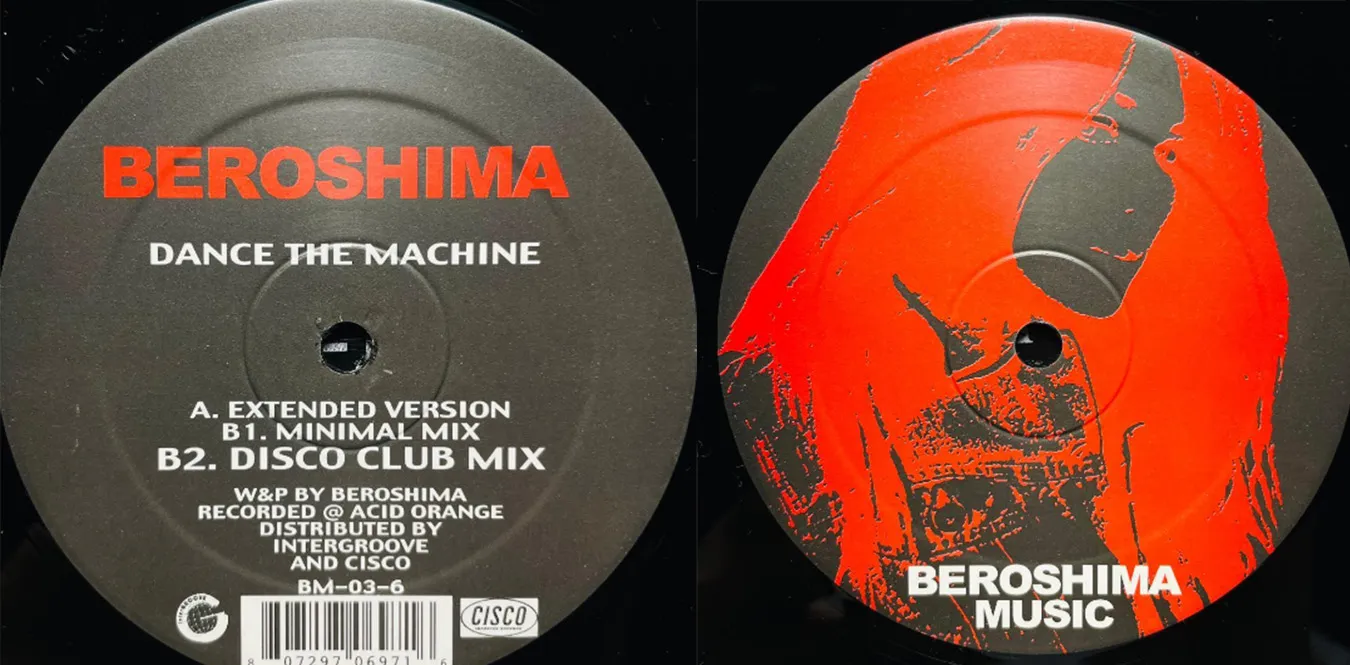
Beroshima – Dance The Machine
Beroshima is a German techno/electro project formed in 1994 by Frank Muller. It was later joined by Ulrich Schnauss, but is now Frank Muller’s solo project.
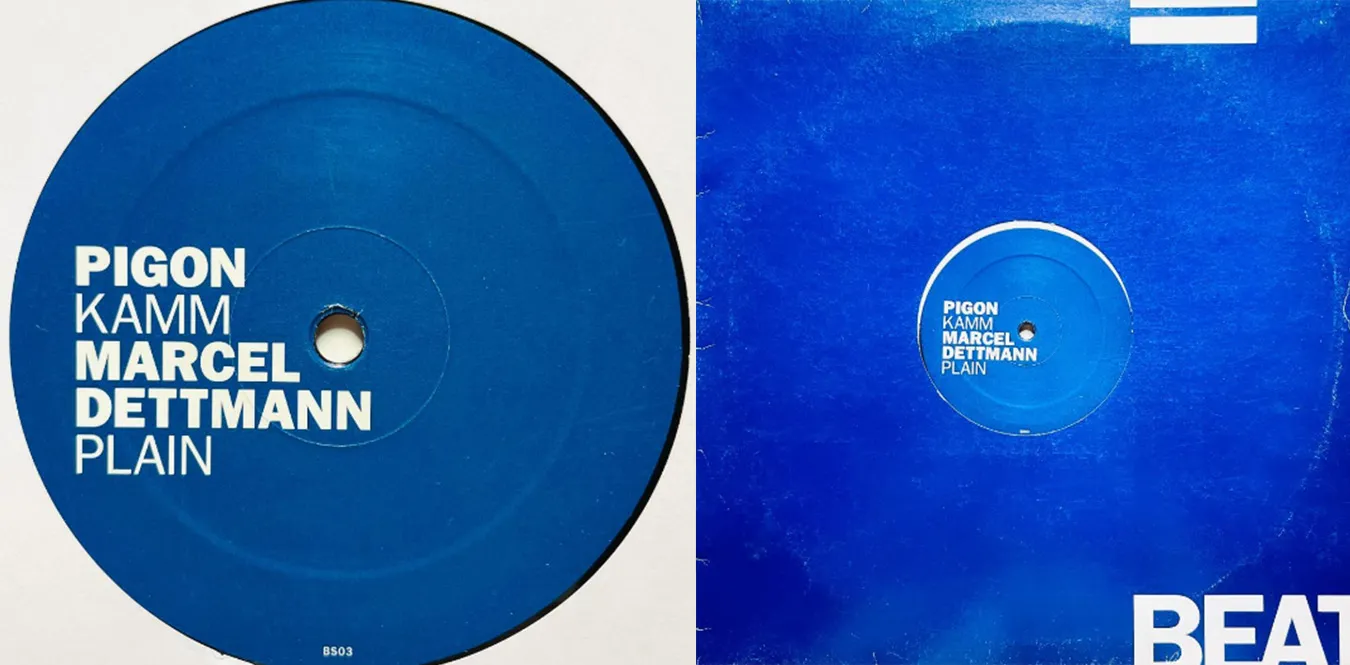
Pigon Marcel Dettmann – Kamm Plain
2008年にレーベルBeatstreetからリリースされた両A面のテクノトラック。
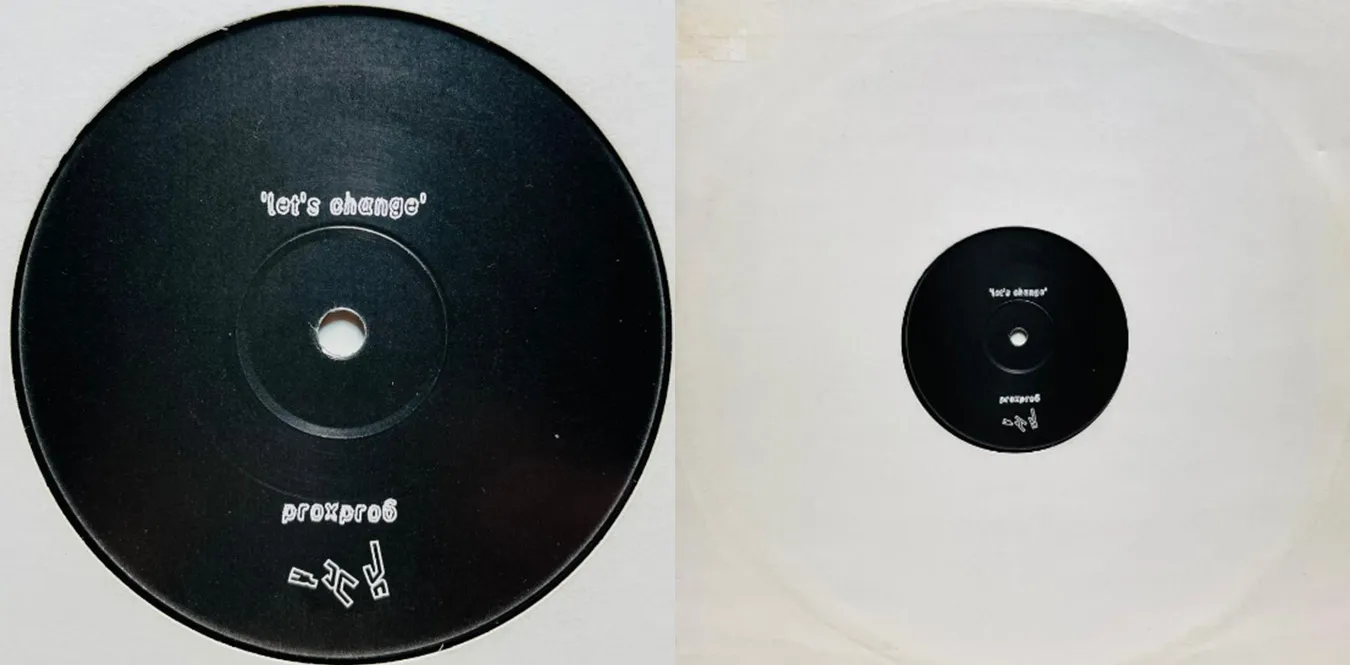
DJ Rush – Let's Change
DJ RushことIsaiah Majorは、シカゴ出身でドイツを拠点に活動するテクノ&ハウスDJ・プロデューサー。Major Rush、Russian Roulette名義でも活動している。
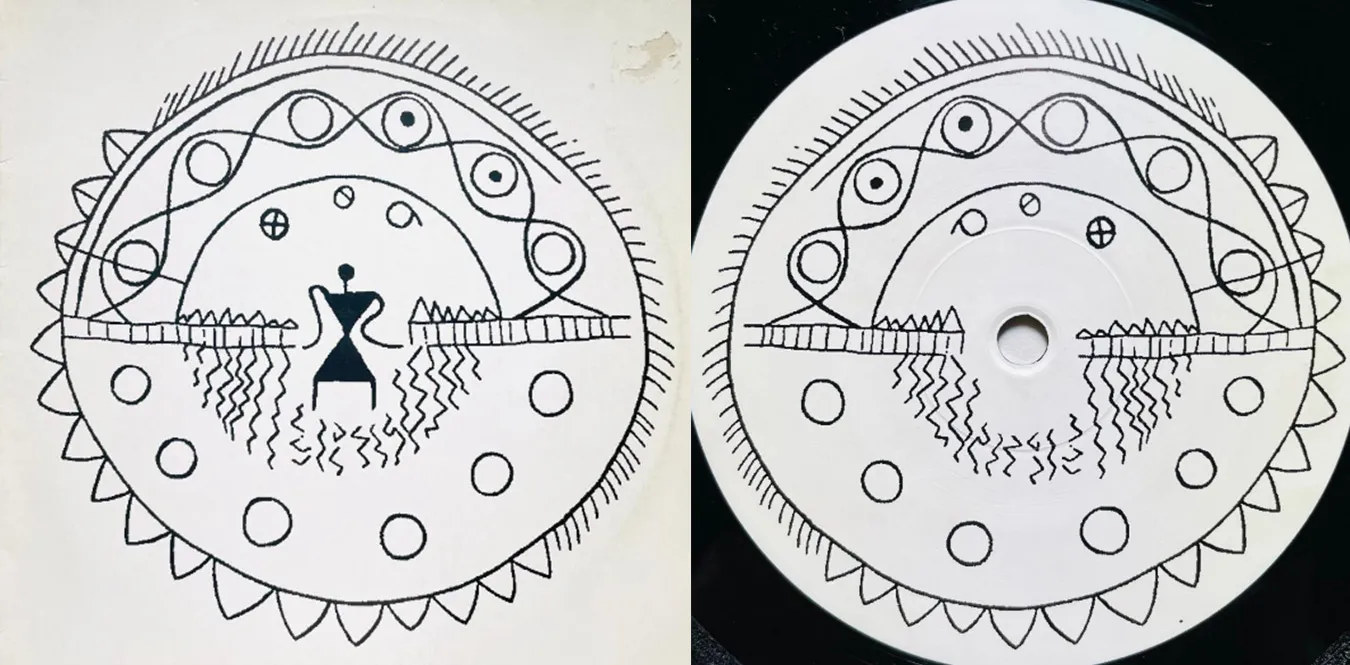
Sanjiva – Secret Rooms Over Flowing Delight
A techno ambient trance track by Charles Reix, also known as Sanjiva. It was released in 1996 on Sanjiva’s own label Ninetysix Sounds. He also worked under the name Charles...
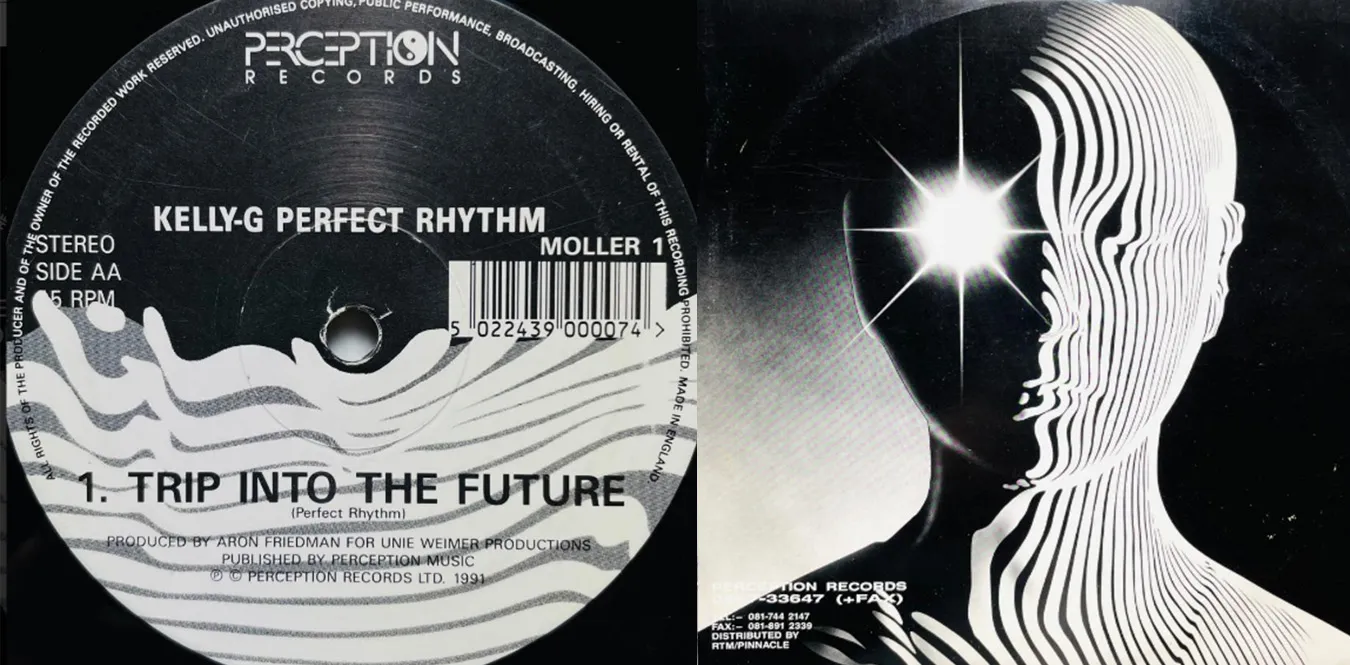
Kelly-G Perfect Rhythm – Trip Into The Future
The producer is Aron Friedman, also known as Kelly-G, who is from the UK and based in the US.
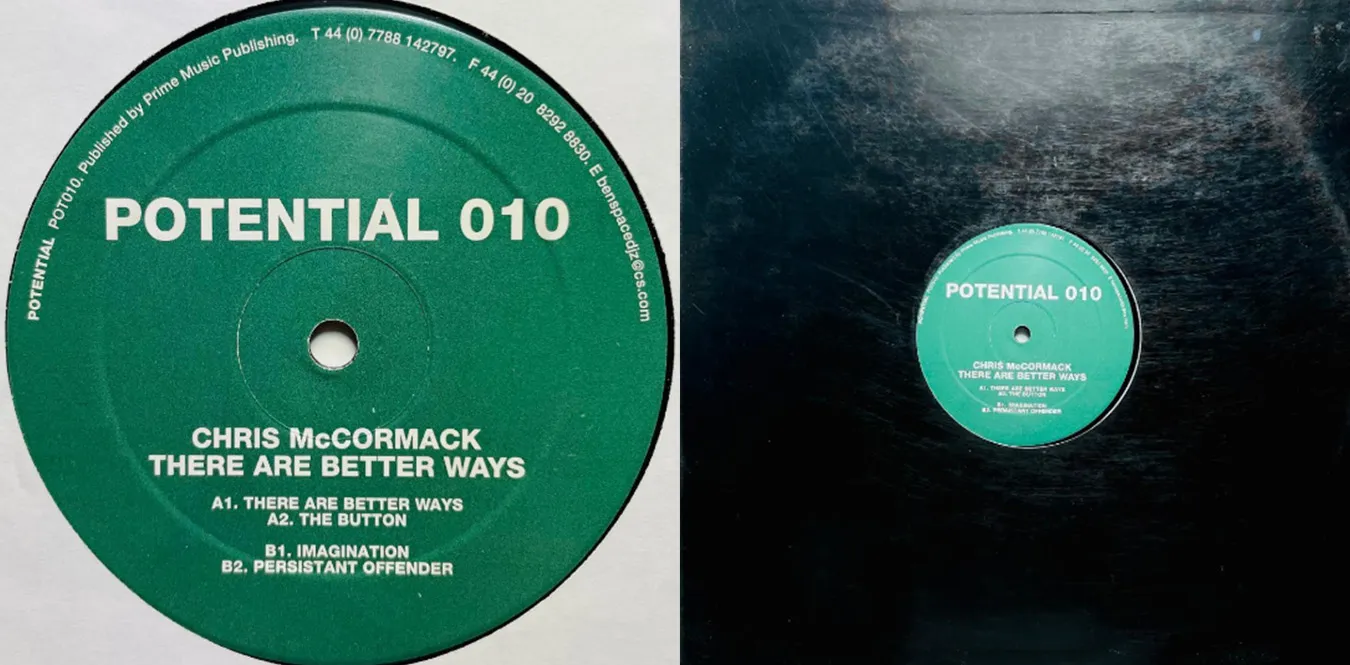
Chris McCormack – There Are Better Ways
Chris McCormack is a UK techno producer. “There Are Better Ways” is a two-disc house set. record.
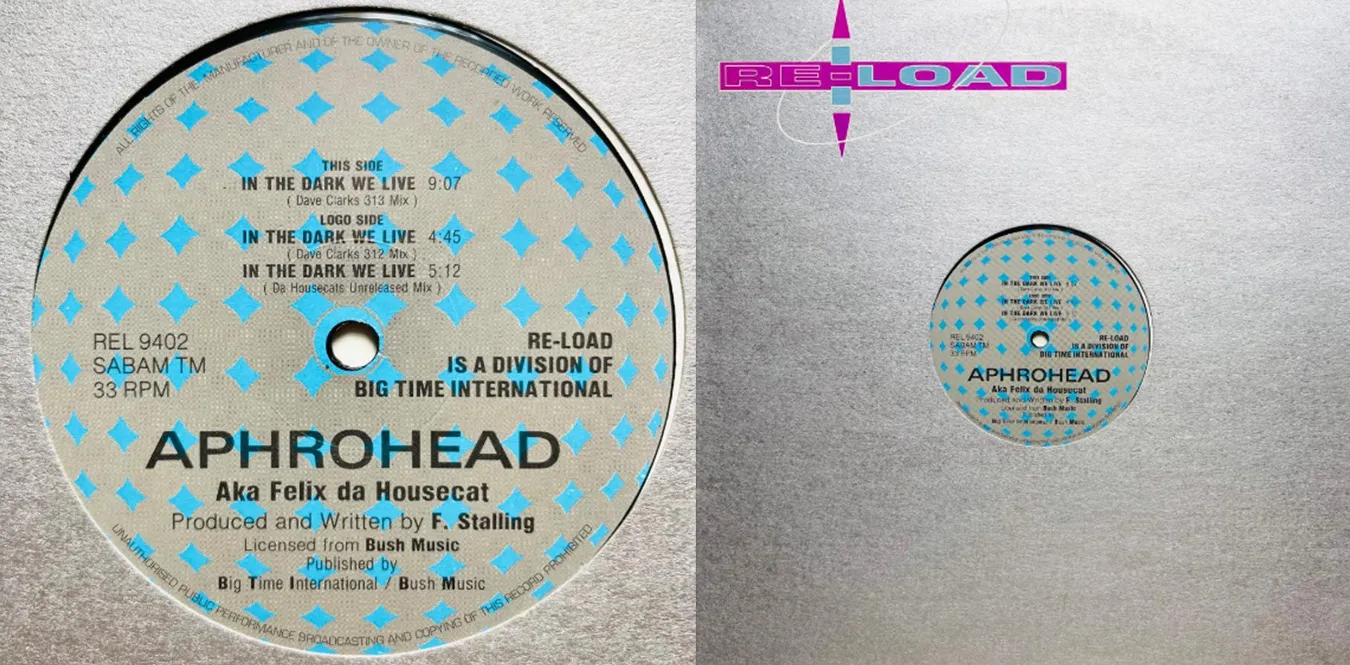
Aphrohead aka Felix Da Housecat – In The Dark We Live (Remixes)
Aphrohead is the alias of second-generation Chicago house legend Felix Da Housecat.