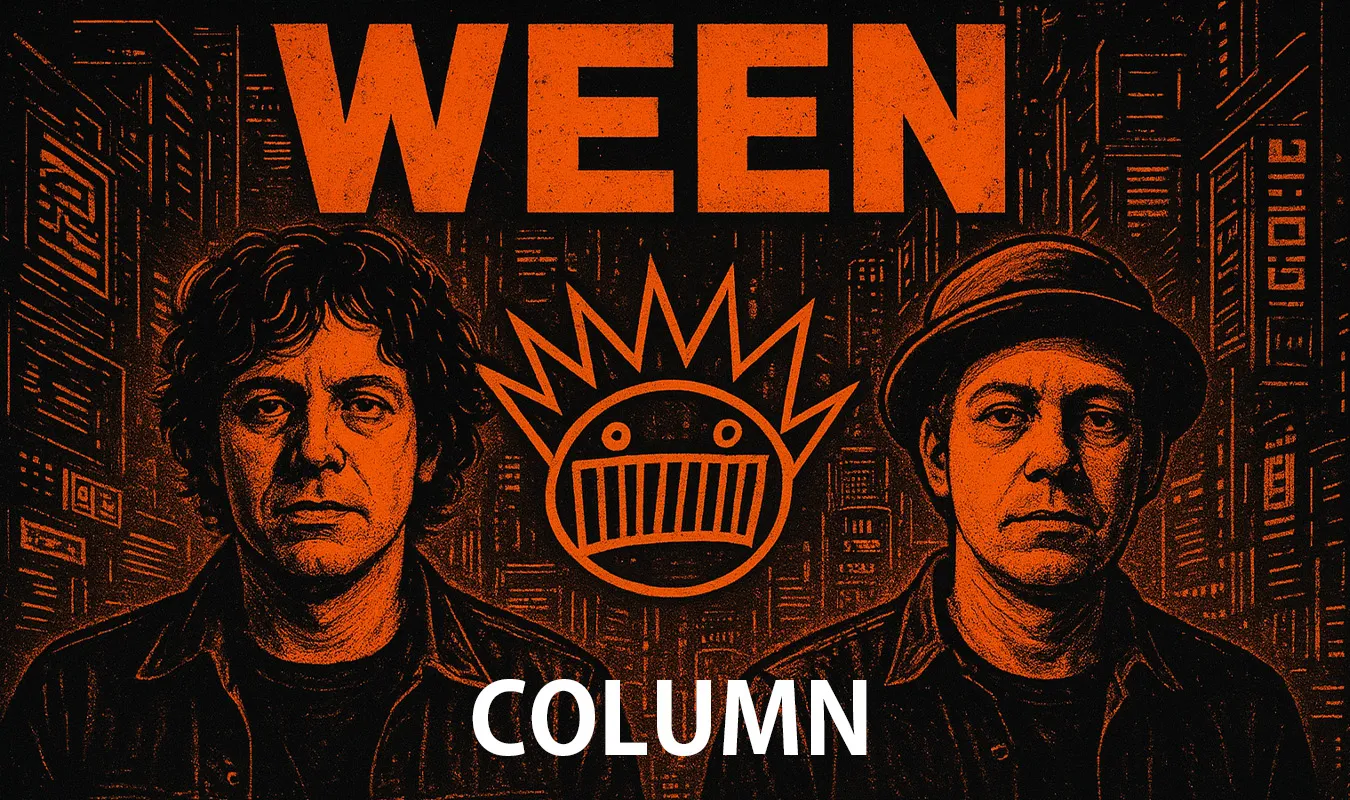
“What is Ween?”
文:mmr|テーマ:アメリカ郊外のガレージで生まれた奇妙な神Boognish。その降臨からローファイの錬金術、そして深海の神話『The Mollusk』まで、Weenという異形の兄弟が描いた音楽宇宙を辿る
A garage tucked away in the suburbs of America. From that darkness, a god was born - Boognish. ——それは、ジャンルを笑いながら飛び越える音楽そのもの。 Boognish’s smile contains fragments of music from all over the world.
The Weird Brother Myth of Ween — A Counterattack from the American Suburbs
ポリプロピレンの神・Boognishの降臨
1980年代半ば、ペンシルベニア州の静かな住宅街。
Two boys grab a cassette tape and a 4-track recorder and begin a strange ritual.
Aaron Freeman(Gene Ween)とMickey Melchiondo(Dean Ween)である。
彼らが創り出した“Boognish”という存在は、単なるロゴやキャラクターではない。
A fictional god of laughter and madness, he was a symbol of Ween’s music itself.
The noises, strange voices, and abnormal key changes that were scattered throughout the home-recorded work were all blessed by Boognish.
“Boognish isn’t a joke. He’s everything we do.”
— Dean Ween Interview, 2003
Gene and Dean — imaginary brothers or spiritual doubles?
GeneとDean。
その名の響きは「兄弟」を想起させるが、血の繋がりはない。
しかし音楽的には、ほとんど双子のように結びついていた。
Geneは感情とカオスの化身、Deanは構築と技巧の職人。
The moment the two collide, the chaos and magic that is unique to Ween is born.
“The Pod” (1991) uses a cheap microphone and an old four-track
“汚れた美”が支配している。歪んだボーカル、くぐもったドラム、
それでも全体は完璧にWeenであった。
It’s as if Boognish was living inside the equipment.
ローファイ時代の錬金術 — 1980〜1990年代初期
“I wanted a sound that sounded like it was playing in a basement at 3am.” — Gene Ween, 1992 Interview
カセット・レコーダーが生んだ宇宙
初期Weenのサウンドは、4トラック・カセットMTRによる宅録の魔法だった。
ノイズも歪みも消さずに残す。それは“汚さ”ではなく、“真実”だった。
彼らの自宅録音は、いわばローファイの錬金術。
『The Pod』では、病的な笑いとサイケデリックな構造が奇妙に混ざり合う。
聴く者を不安にさせながら、同時に中毒的な快感をもたらした。
アンダーグラウンド・シーンとの接点
HomesteadやShimmy Discといったインディ・レーベルが、Weenの狂気を拾い上げた。
彼らの音源は地下流通のように広まり、奇人たちの手に渡っていった。
この時代、Weenは「悪ふざけと実験音楽の狭間」で生きていた。
"”Chocolate and Cheese’’: The tipping point between vulgarity and highbrow
「ジャンルなんて関係ない。好きな音楽を全部ぶち込むだけさ。」
— Dean Ween, 1994 Interview
1994年の『Chocolate and Cheese』は、
Weenがローファイの洞窟からスタジオへ飛び出した最初の傑作だ。
ポップ、ファンク、カントリー、プログレ、ソウル……すべてが衝突し、
下品と高尚が奇跡的に共存する。
The sensual groove of “Voodoo Lady”
“Freedom of ’76”の偽りの郷愁。
それらは同じ心臓から生まれている。
「笑えるのに泣ける」、この二律背反こそがWeenの核心だった。
MTVが“Push th’ Little Daisies”を取り上げたとき、
アメリカの視聴者は混乱した。
Is this a gag? Is he a genius?
The answer can still remain vague.
Because Ween was both.
Country nostalgia and strange orthodoxy — “12 Golden Country Greats”
“I’m not making fun of country music. I seriously love it too much.” — Dean Ween, 1996 Interview
“12 Golden Country Greats” is
わずか12曲で構成された“偽カントリー”アルバム。
しかし演奏しているのは本物のナッシュビル・セッション・ミュージシャンたちだった。
Ween is collapsing the country format with them,
He has created a masterpiece that dances between affection and irony.
そのサウンドは、笑えるのに涙が出るほど温かい。
Band Mode and the Deep Sea Mythology of “The Mollusk”
“The ocean is limitless. We want our music to be like that too.” — Gene Ween, 1997 Interview
『The Mollusk』は、
Weenの音楽的宇宙が最も豊かに広がった瞬間だ。
“Ocean Man”を筆頭に、海洋神話を題材としたサイケデリック・ポップの金字塔。
Brian WilsonのロマンとCaptain Beefheartの狂気を、
一枚のシェル(貝殻)に閉じ込めたようなアルバムである。
All recordings are analog using 16-track tape. Even the fluctuations of noise were controlled as music, creating a pseudo-seafloor sound. Effects like guitar echoes, vocal overtones, and the sound of the sea. The sound itself tells the myth of the deep sea.
ツアー・バンドとしての成熟と崩壊
Live Ween was complete chaos. ““Live in Toronto 1996’’ ignores the order of the songs. Laughter and noise collide, and the boundaries with the audience melt. それはバンドというより、ひとつの儀式のようだった。
“Every show is an accident waiting to be beautiful.”
— Dean Ween, 1997
だがその裏で、酒と薬、疲労と友情の葛藤があった。
In 2008, Gene Ween left the band for personal reasons.
He overcame his alcohol dependence and began a quiet path to recovery.
Dean formed The Dean Ween Group and connected the souls of Ween in another way.
『Quebec』〜『La Cucaracha』:黄昏の実験室
『Quebec』(2003)は、
内省とサイケデリアの融合点にある作品だ。
笑いよりも、孤独と静けさが前面に出た。
This was the moment when Ween faced the word “mature” for the first time.
そして2007年の『La Cucaracha』。
The title is “Cockroach”.
その名の通り、どんなに叩かれても死なない生命力を象徴する。
この作品には、Weenという存在そのものの皮肉と美が凝縮されている。
Boognish never dies — reunion and cult continuation
In the 2010s, Ween quietly reunited.
Gene and Dean’s smiles on stage were the same as they were back then.
観客の中には、90年代にWeenを聴いて育った世代と、
There was a mix of young people who learned about “Push th” Little Daisies” from YouTube.
「笑うこと、それが私たちの宗教さ。」
— Gene Ween, 2012 Interview
Boognishは死なない。
彼が笑う限り、音楽は自由であり続ける。
Weenは、ジャンルの壁を越えた“無限の笑い”そのものだ。
Ween活動年表
ディスコグラフィー
| 年 | アルバム | 備考 |
|---|---|---|
| 1990 | GodWeenSatan: The Oneness | Collection of early home recordings |
| 1991 | The Pod | Malformed lo-fi aesthetics |
| 1992 | Pure Guava | “Push th’ Little Daisies”収録 |
| 1994 | Chocolate and Cheese | スタジオ制作への転換点 |
| 1996 | 12 Golden Country Greats | 偽カントリー×本物ナッシュビル |
| 1997 | The Mollusk | A milestone in psych-pop |
| 2000 | White Pepper | “ビートルズ的Ween” |
| 2003 | Quebec | 内省と実験の融合 |
| 2007 | La Cucaracha | 一度の終焉を示すラスト作 |
終章:海の底で笑う神々 — Weenという永遠のジョーク
Ween”s story can”t be summed up simply as a “crazy band.”
それは、音楽という広大な海を、笑いながら泳ぎきった二人の男たちの記録だ。
DeanとGene——彼らは幼なじみとして出会い、カセットテープと安物の機材を手に、
どんなメジャーアーティストにもできなかった“音の遊び”を本気で続けた。
その道は、アメリカ文化のパロディであり、同時に最も純粋な愛でもあった。
A B-grade melody that was treated like garbage, a rural scene that no one paid attention to,
酔いどれの笑い声——それらすべてを拾い上げ、彼らは“神話”に変えてしまった。
Ween created neither a genre nor a movement.
それは「どんな音楽も愛せる」という、無限に拡張する信念だ。
There is the decadence of rock, the intelligence of jazz, the future of techno,
The warmth of the country is all equally equal.
What Boognish symbolizes is not God, but the urge to laugh. That laughter can still be heard from behind speakers somewhere around the world. Even if the sound is distorted, the rhythm is distorted, and everything is broken… The spirit of Ween is still alive there.
“We just want to have fun.” — Dean Ween
そしてそれこそが、Weenの永遠の正体なのだ。
笑い、愛し、壊し、また作る。
音楽の原点を取り戻すための、果てしない航海。
Weenは今日も、どこかの海の底で、愉快に笑っている。
YouTube Podcast
※このPodcastは英語ですが、自動字幕・翻訳で視聴できます
Explore more like this
【コラム】 YHWH Nailgun:ノイズと構造のあいだで再定義される現代オルタナティヴの臨界点
はじめに:ジャンルの外側で鳴る“名づけにくい音”
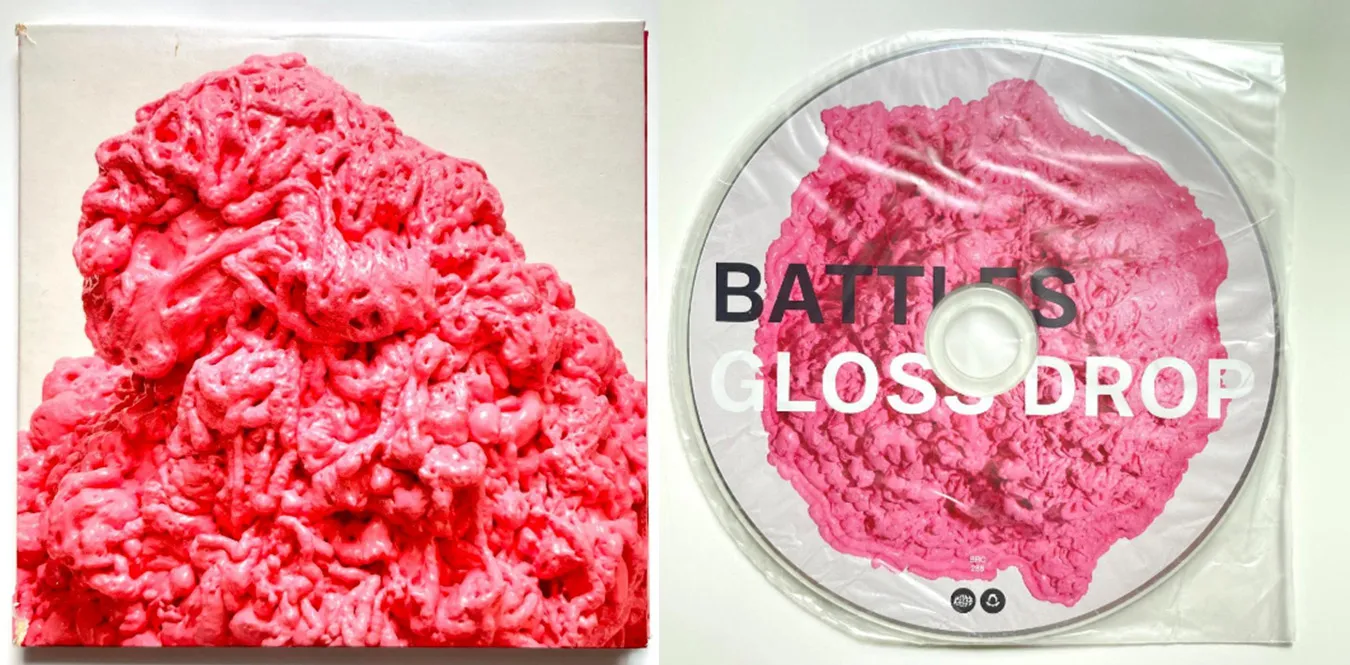
Battles – Gloss Drop
Battles(バトルス)は2002年に結成したアメリカのエクスペリメンタルロックバンド。
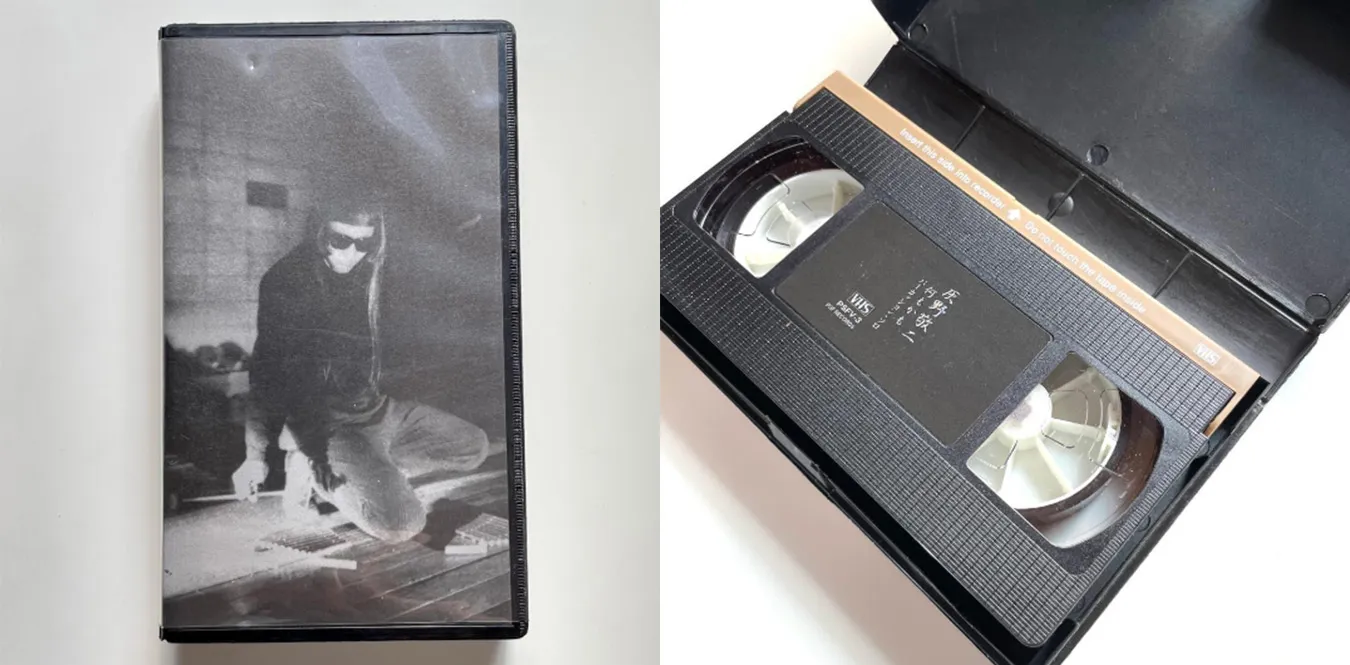
Keiji Haino - Nanimokamo 灰野敬二 – 何もかも
Keiji Haino – Everything percussion solo Keiji Haino
![[Column] Black Midi — The impact of experimental rock from London and its trajectory](/../assets/images/column-black-midi.webp)
[Column] Black Midi — The impact of experimental rock from London and its trajectory
ロンドン実験ロックの新星、その軌跡と音楽性
【コラム】 リズムの革命児たち:世界と日本をつなぐドラマーのリズム最前線
世界と日本の鼓動:地上と地下をつなぐリズムたち — 沈黙と衝動、伝統と実験のあいだ —
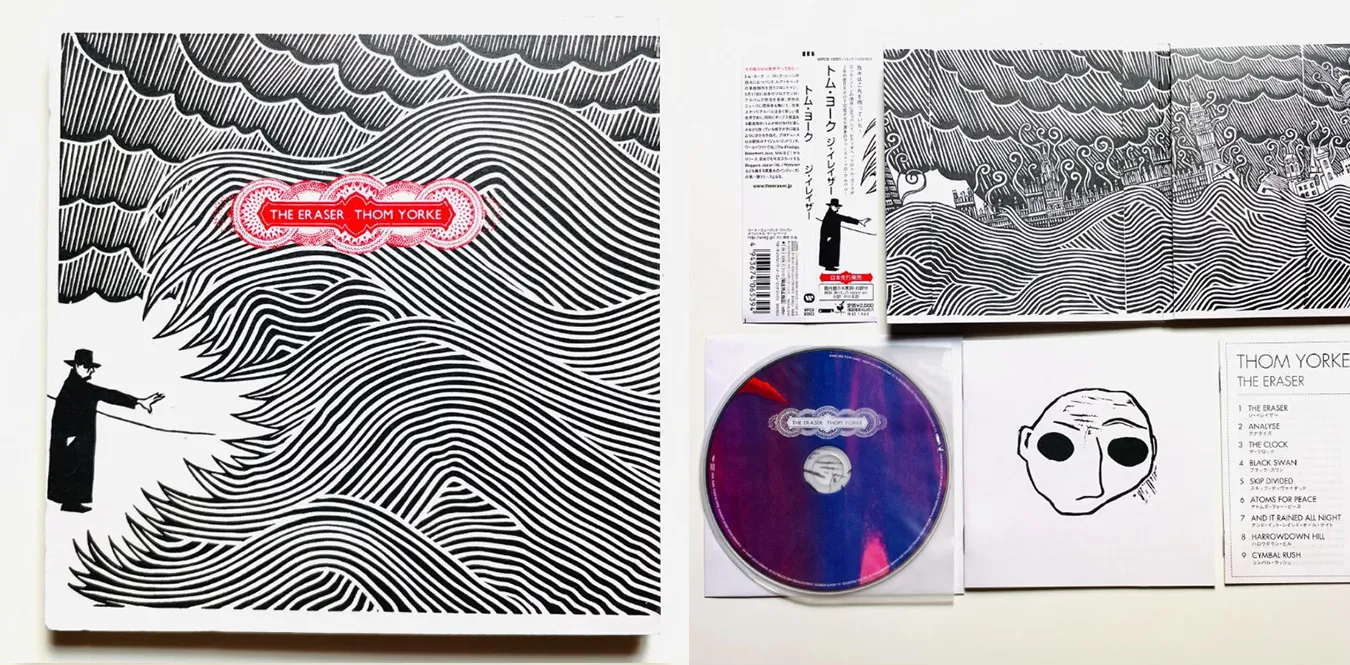
Thom Yorke – The Eraser
“The Eraser” is the debut solo album by UK musician Thom Yorke, released in 2006 by XL Recordings. The producer is Nigel Godrich, the longtime producer of Thom Yorke’s band...
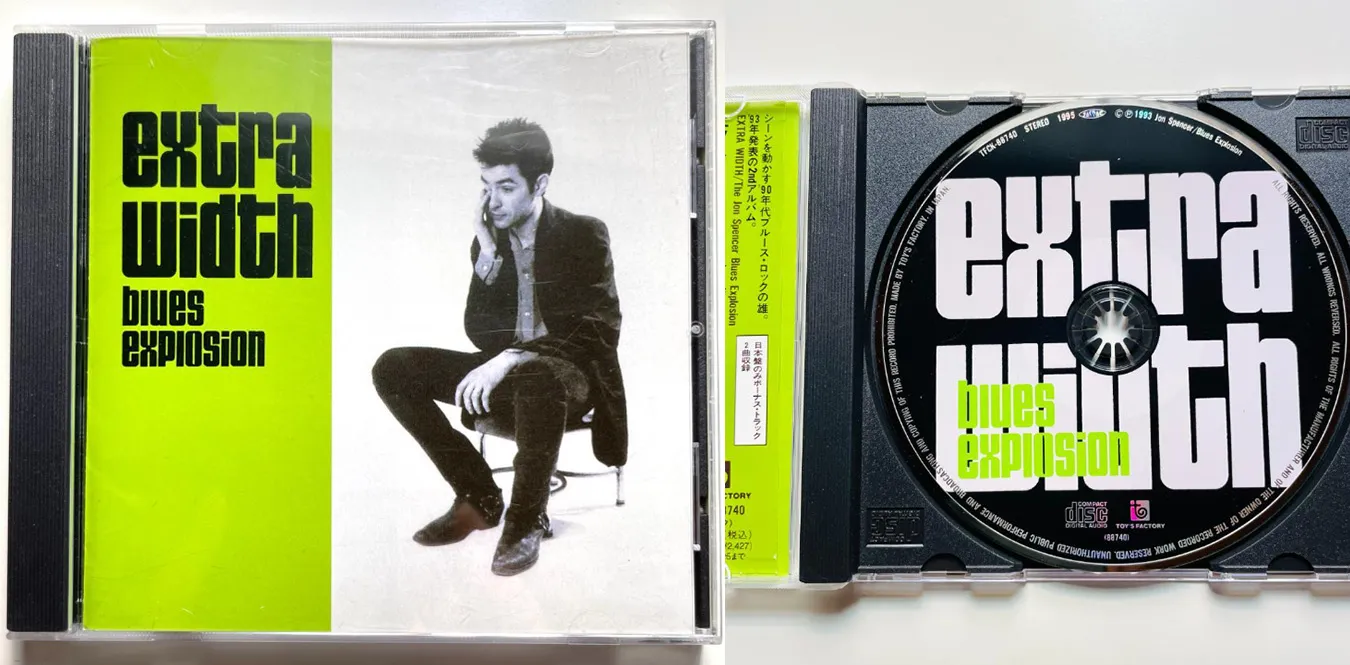
Blues Explosion – Extra Width
The Jon Spencer Blues Explosion(ジョン・スペンサー・ブルース・エクスプロージョン)は、1991年〜2016年まで活動したNY出身の3人組ロックバンド。ロックをベースにパンク、ブルース、ガレージ、ロカビリー、ソウル、ノイズロック、リズムアンドブルース、ヒップホップの要素が融合したスタイルが特徴。
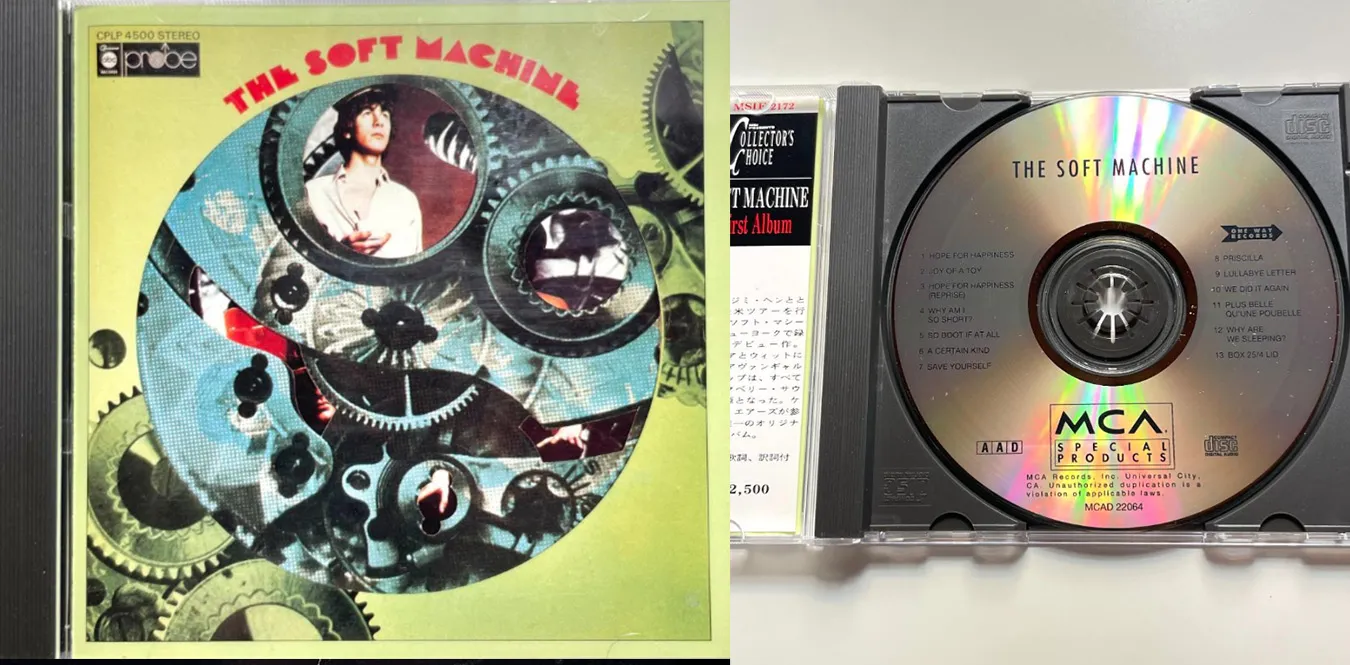
The Soft Machine – The Soft Machine
The Soft Machine(ソフト・マシーン)は、1966年半ばにマイク・ラトレッジ、ロバート・ワイアット、ケビン・エアーズ、デイヴィッド・アレン、ラリー・ナウリンによって結成されたカンタベリー出身のUKプログレッシヴジャズロックバンド。バンド名は、ウィリアム S. バロウズの小説「ソフトマシーン」にちなんで名付けられた。
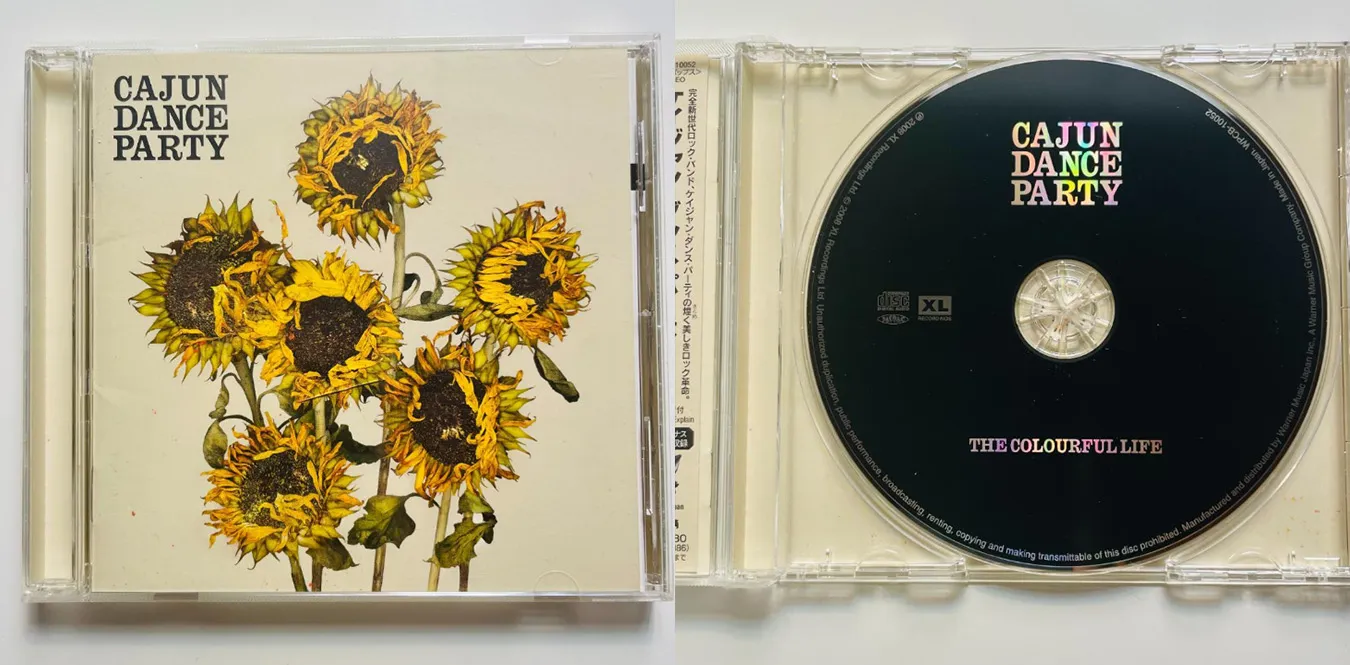
Cajun Dance Party – The Colourful Life
Cajun Dance Party (ケイジャンダンスパーティ) は、イギリス・ロンドン出身の5ピースロックバンド。