![[Column] What was 90s Euro music? ──A feast of dance floors and melodies](/../assets/images/column-euro.webp)
What was 90s Euro music? ──A feast of dance floors and melodies
Text: mmr|Theme: The whole picture of Euro music culture in the 90s
What is the true identity of the music called Euro?
The ““Euro Music’’ of the 1990s was not a specific genre, but rather a general term for popular dance-pop music that developed mainly in continental Europe. The most iconic of these were ““Eurobeat” and ““Eurodance,” but other genres such as Eurotrance, high energy, and synth pop were also running at the same time.
In other words, the Euro of the 1990s was the ““pop image of modern Europe’’ that fused party culture, dance music, catchy melodies, and technology.
Main genre classification and characteristics
| Genre | Features | Representative artist |
|---|---|---|
| Euro dance | Four beat, rap + female vocals, flashy melody | 2 Unlimited / La Bouche |
| Eurobeat | High-speed BPM, mainly synthesizer, mainly produced in Italy, popular in Japan | Dave Rodgers / Domino |
| Eurotrans | Simplified version of trance, melodious, pop-oriented | DJ Quicksilver / Sash! |
| High energy | Gay club origins, flashy beats, continued from the late 1980s | Patrick Cowley / Hazell Dean |
| Italo Dance | Dance pop from Italy, fusion with Eurodance | Eiffel 65 / Prezioso |
| Europop | Mainly pop music, with R&B and Latin elements introduced | Ace of Base / Roxette |
Common language between Europe and pop after the Cold War
After the fall of the Berlin Wall in 1989, Europe rapidly transformed into a cross-border entertainment market. “Euro-pop sung in English” began to enter the international market even from non-English-speaking countries (such as Germany, the Netherlands, Italy, and Sweden).
This means that Euromusic is a musical culture that prioritizes sensory pleasure over political boundaries. Rhythm, synths, and a simple, repeatable chorus. These have become a “common language” that transcends languages and borders.
Mainstream success stories (1990-1999)
● 2 Unlimited – “Get Ready For This” (1991)
From the Netherlands. “Eurodance anthem” is often used at sports venues and commercials.
● Ace of Base – “The Sign” (1993)
Swedish pop group. Ranked #1 on Billboard Hot 100 for 100 years.
● Corona – “Rhythm of the Night” (1994)
Made in Italy. It was also a hit in the Latin American market, demonstrating Eurodance’s versatility.
● Eiffel 65 – “Blue (Da Ba Dee)” (1999)
A masterpiece of Italo Dance. A fusion of digital voice and melody.
90’s sound distribution
● CD Maxi Single Culture
Multiple remixes and B-sides are included in one song, making it suitable for both clubs and homes.
●MTV Europe
A base for “visual dance culture” that sells video and music as a set.
● Super Eurobeat (Japan)
A series developed independently in Japan by Avex. Also linked to Initial D culture.
●Reimported disc produced in Europe and distributed in Japan
Produced in Italy and Germany, planned in Japan, domestic CD (e.g. MAHARAJA NIGHT)
Acceptance of the 90’s Euro in Japan
Eurobeat: Original development by avex
-
Impact on TRF, globe, and Komuro family.
-
At the core of Initial D and Parapara culture.
Eurodance: Disco-J-Pop hybrid
- Japanese groups such as MAX and V6 have released many covers.
Fusion with visual culture: Non-Western Euro culture
- It was also incorporated into anime OPs and game BGM, creating a “non-Western Euro culture.”
Why did the critics ignore it? ──”Lightness” and “Anti-Art”
Euro music was not well received by critics for a long time. The reason is as follows:
-
Simple structure, shallow lyrics (often nonsensical)
-
Mass production/anonymity (the presence of specific artists is weak)
-
Commercial success = disregard for artistry
However, on the other hand, it also proves that music can reach anyone.
Reappraisal and Revival: The Situation in the 2020s and Beyond
In recent years, Euromusic has been reevaluated in the following ways:
-
Euro dance as the origin of Hyperpop and Y2K sounds
-
90s return (Post-Eurodance) in the club scene
-
Like City Pop, Eurobeat from Japan was rediscovered by the internet generation.
In addition, 90’s Euro is reaching a new audience with increased playback on Spotify and YouTube.
Euro music was “pleasure without borders”
Euro music in the 1990s was a phenomenon that turned dance, pleasure, and melody into an international language, not lyrics or politics. That lightness became a weapon that allowed him to transcend genre boundaries and values.
Now, once again, the “naive heat” of the Euro may be asking us a question that transcends genres and generations.
Is it nostalgia or newness for you?
List
| Artist | Title | Format | Age/Characteristics |
|---|---|---|---|
| Rednex | Cotton Eye Joe | 12″ | Swedish euro house/synth pop |
| Masterboy | Different Dreams | CD | 1994 German Eurodance masterpiece |
| VA | Maharaja Top 20 Vol.III | CD | 90s not for sale compilation |
| Various | Overnight Remixes II | Vinyl | 90s famous track compilation |
| MDC‑X‑Static | You And Me | Vinyl | 90s Club Hit EP |
| Ziggy | No Police (Aztec Remix) | Vinyl | 90s Eurobeat/Hi-NRG Rare Edition |
| Dr. Baker | Kaos | Vinyl | 1990 UK release/Euro House |
| Tam Arrow | One Shot Girl | Vinyl | Made in Italy 2001 Euro Beat EP |
| Dao Dezi | La Jument De Mishao | 12″ | "94 deep Euro house release |
| E-Rotic | Sexual Madness | CD | 1997 hit "Turn Me On" included |
| E-Rotic | Willy Use A Billy... Boy | Vinyl | 90s classic single |
Explore more like this
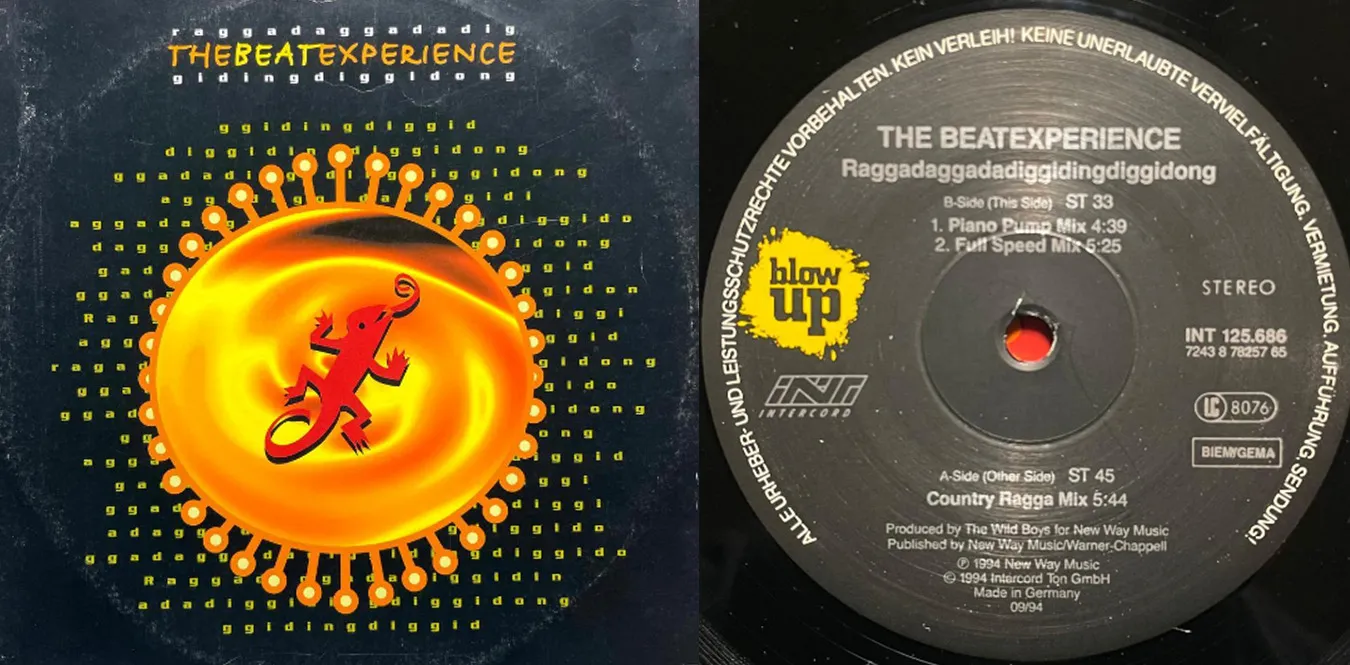
The Beat Experience – Raggadaggadadiggidingdiggidong
The Beat Experience is one of Stefan Heinemann’s many aliases. Stefan Heinemann was also active in Hypertrophy, a project with German house/electro/trance producer and DJ Thorsten Kaiser (DJ Thoka).
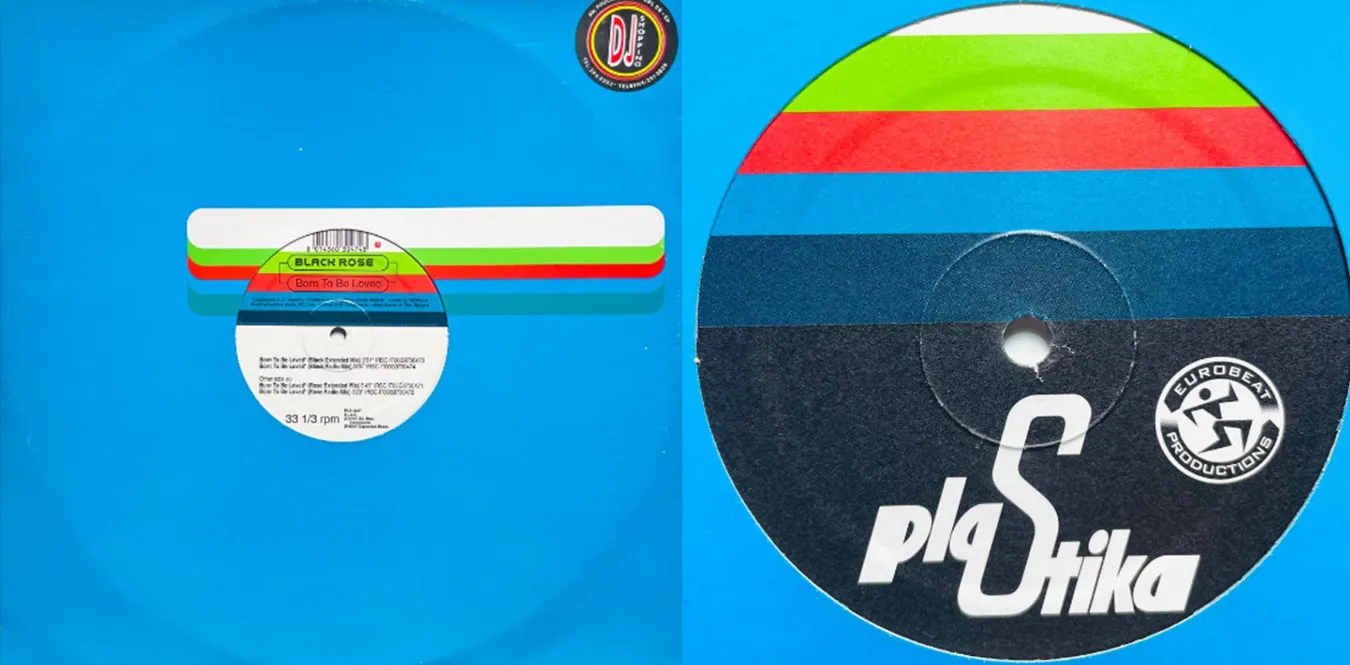
Black Rose – Born To Be Loved
Black Rose is an Italian project by producer Davide Marsilio and vocalists Samantha Boni, Giorgio Spagna, and Samanta.
![[Column] Beyond Drift: Eurobeat/EDM and the future form of](/../assets/images/column-initiald-eurobeat3.webp)
[Column] Beyond Drift: Eurobeat/EDM and the future form of "memory of speed"
Introduction: To the other side of the mountain pass
![[Column] Rave and media: Archiving unrecorded music culture](/../assets/images/column-rave-media.webp)
[Column] Rave and media: Archiving unrecorded music culture
Music that was supposed to disappear
![[Column] Memories of speed where Initial D and music intersect](/../assets/images/column-initiald-eurobeat2.webp)
[Column] Memories of speed where Initial D and music intersect
Explore the cultural trajectory of “Initial D” as it accelerated Eurobeat and spread to the internet and street culture
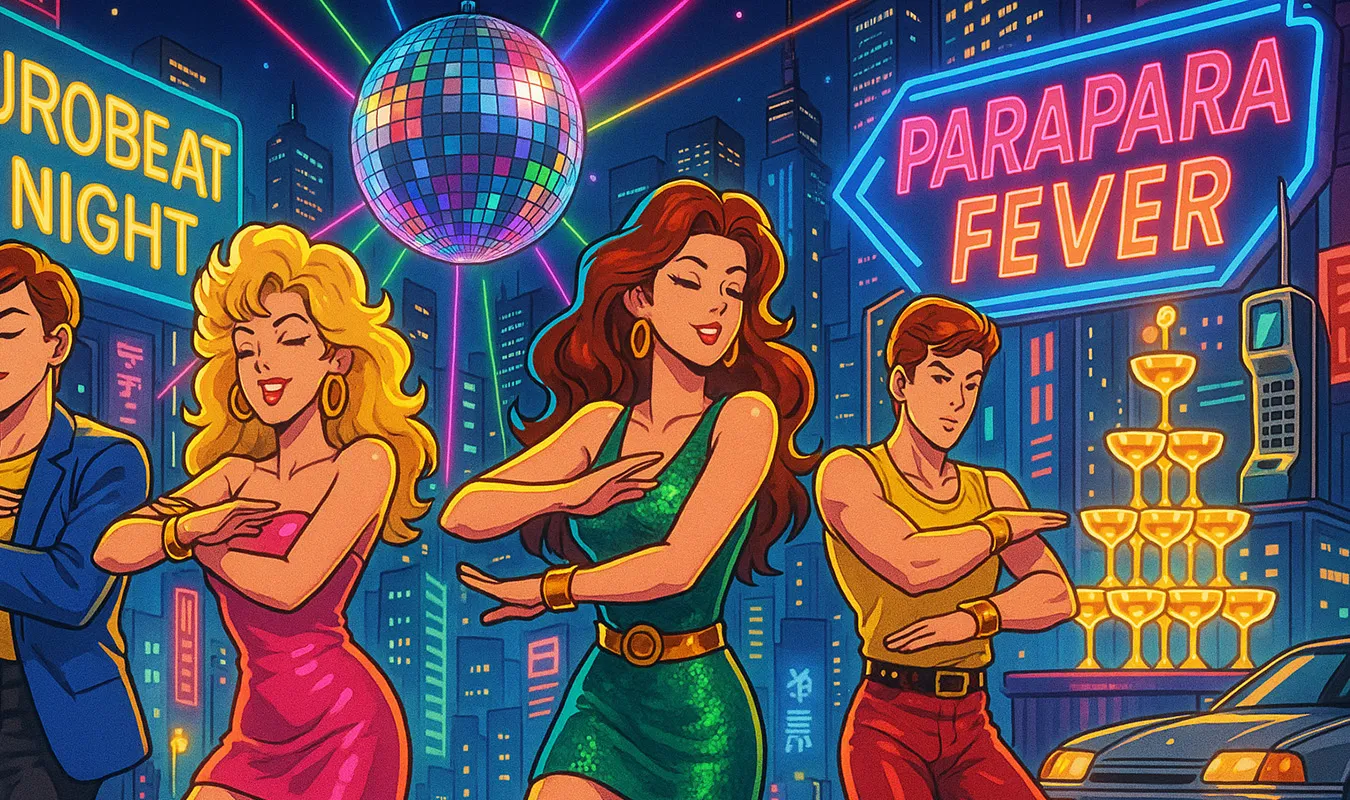
【コラム】 ユーロビートと日本:なぜパラパラと結びついたのか?
奇跡の邂逅「ユーロビート × パラパラ」
![[Column] Cultural relationship between Initial D and Eurobeat](/../assets/images/column-initiald-eurobeat.webp)
[Column] Cultural relationship between Initial D and Eurobeat
Memories of speed where anime and music intersect

Captain Jack – Together And Forever!
Captain Jack is a dance project from Cologne, Germany that represents the Eurodance scene of the 90s. The initial members were producers Udo Niebergall and Richard Witte. A party maker...
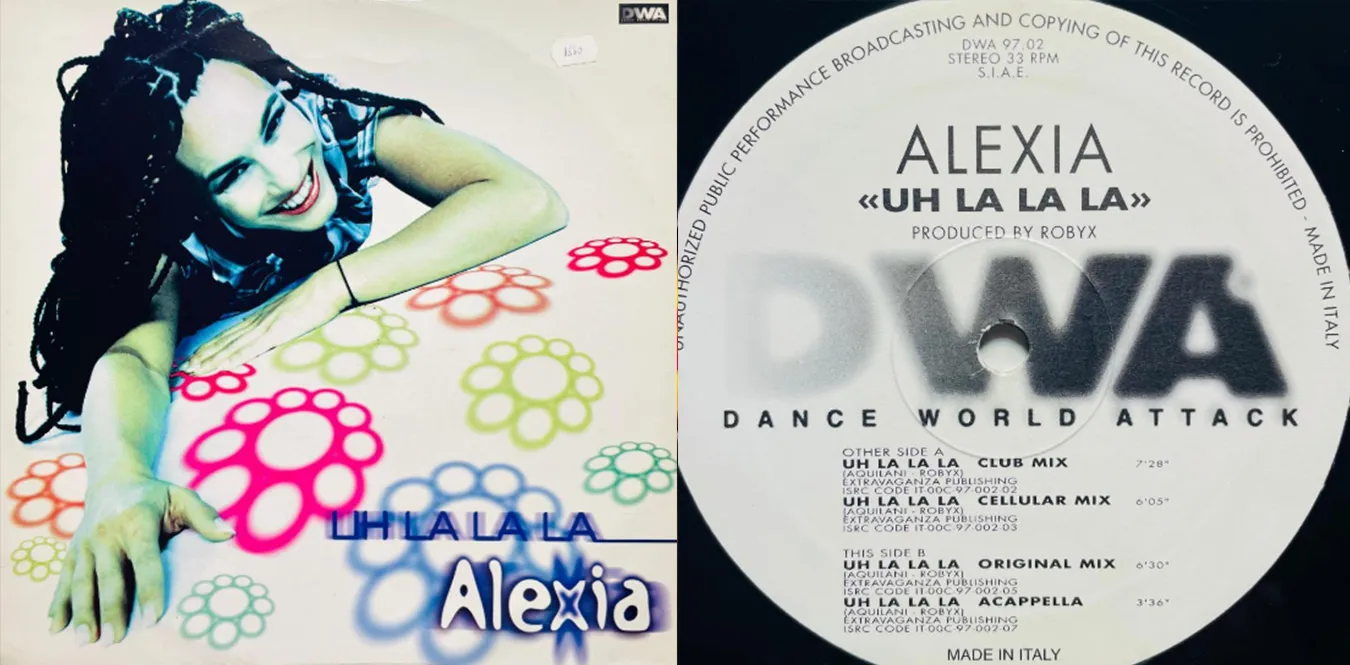
Alexia – Uh La La La
Alexia(アレクシア)は、イタリア出身のシンガー。本名のAlessia AquilaniやAlexia Cooper名義でも活動している。
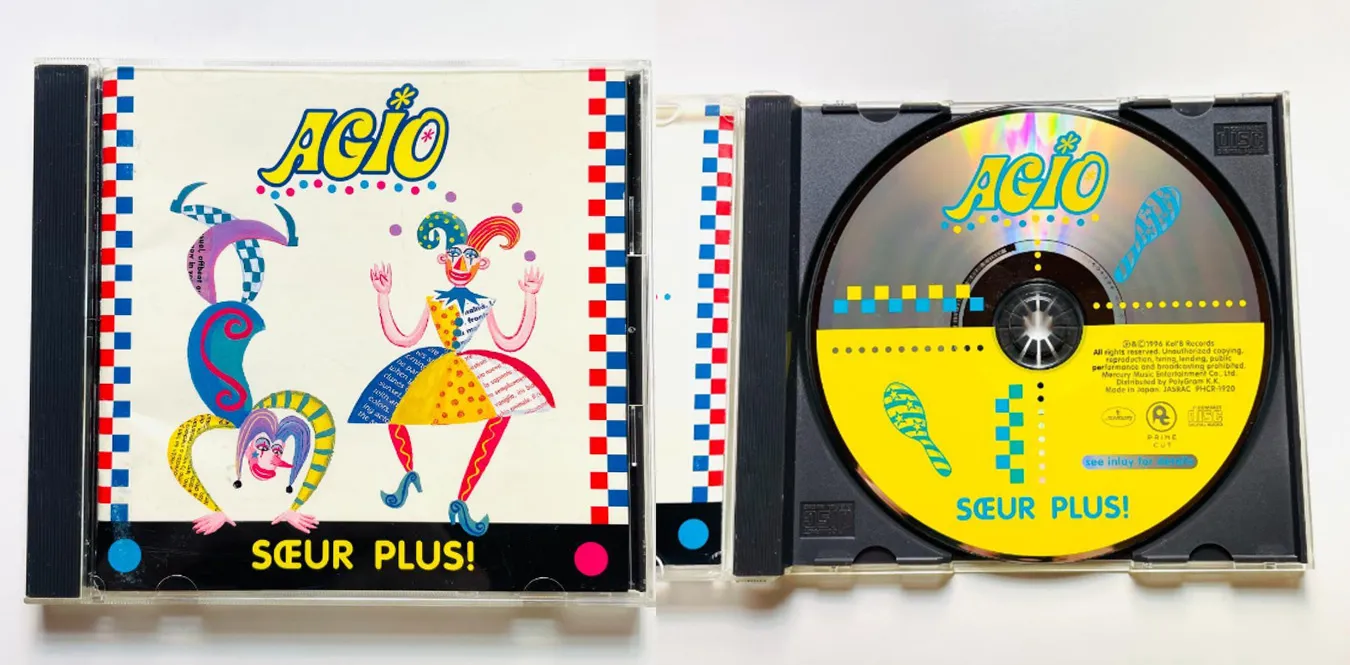
Soeur Plus! – Agio
The debut album by Dutch duo Soeur Plus!, released in 1996.
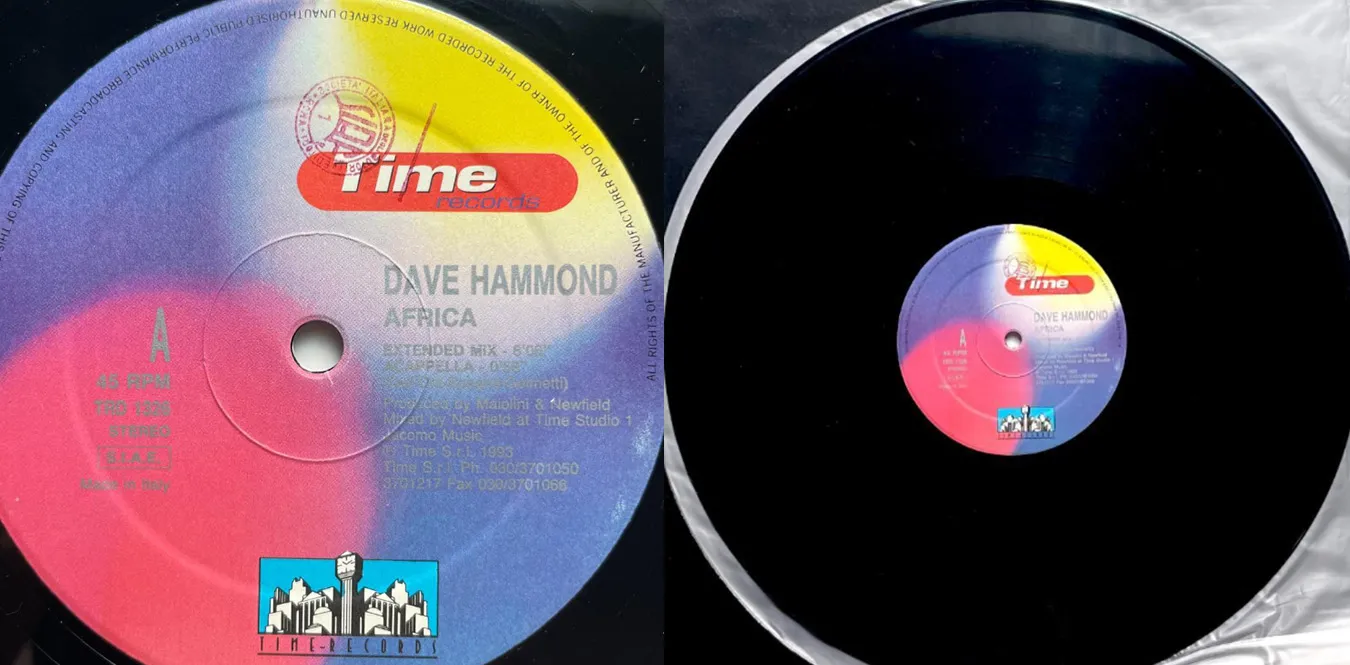
Dave Hammond – Africa
Dave Hammond is a Eurobeat project from the prestigious Italo disco label Time Records.