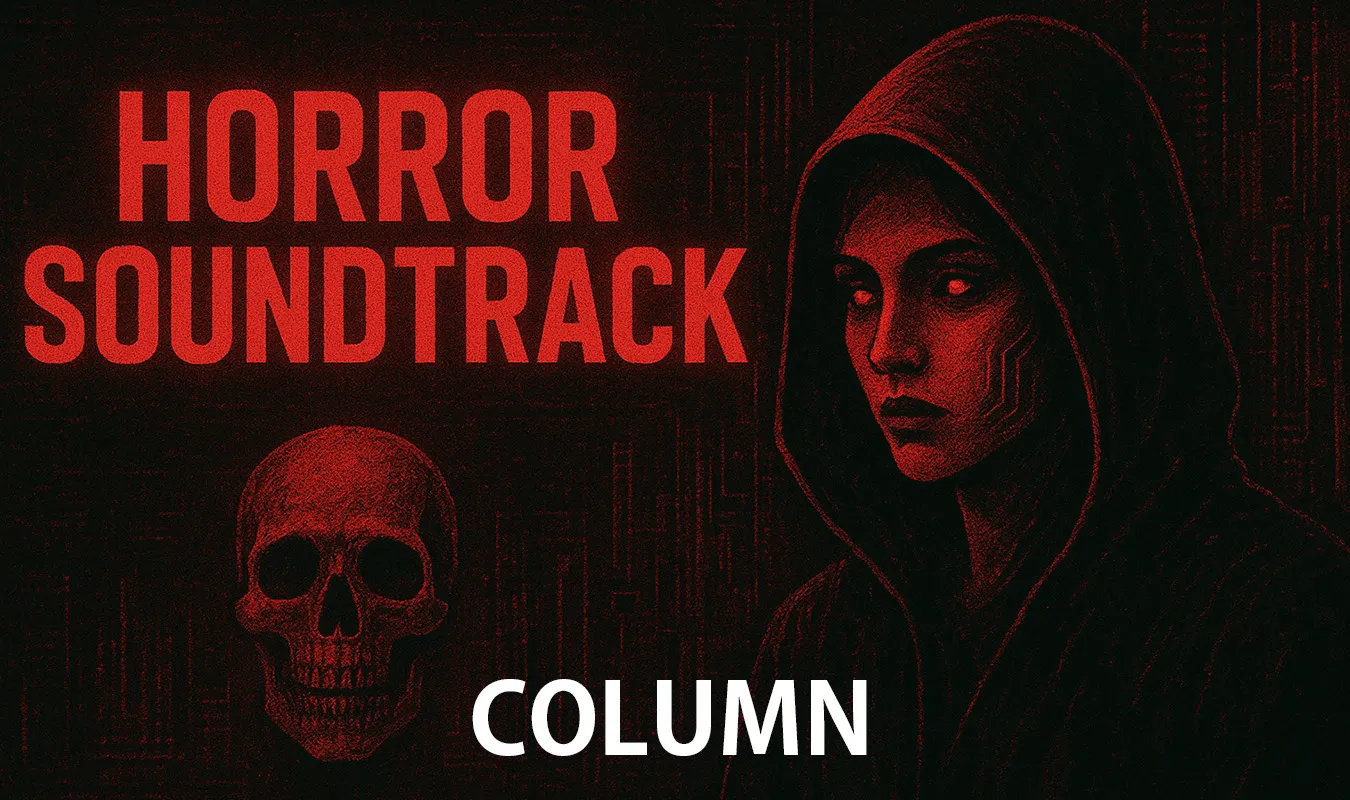
序章:沈黙の恐怖と低周波の時代
Text: mmr|Theme: From A24 to Blumhouse to AI horror–unraveling the “horror of sound” that has dominated horror films since the 2010s, from both cultural history and acoustic aesthetics.
In the 2010s, horror movies have transformed into an art form that is more conscious of sound than ever before.
ジャンプスケア(突発的な音による驚かせ)は過去の手法となり、代わりに低周波・環境ノイズ・残響が恐怖の主役となる。
それは、視覚よりも聴覚が深層心理を直撃するという聴覚心理学的な発見の応用でもあった。
Horror movies of this era not only give fear, but also ““erode”’ the audience”s inner world through sound. この変化の中心にいたのが、A24やブラムハウスといった新世代の制作スタジオである。
第一章:A24が鳴らした“恐怖の新音響”
A24の登場は、ホラーをアート映画の文脈に引き上げた。
“The Witch” (2015) is a symbol of this. The score by Mark Korven rejects melody, with a prayerful drone of wooden instruments and microtones that grips the audience’s nerves.
Acoustic design that blurs the line between silence and noise was at the heart of the A24 aesthetic.
続く『Hereditary/ヘレディタリー』(2018)では、Colin Stetsonのサクソフォニック・ドローンが異様な緊張を形成する。
ブレス音、歪んだリードの共鳴、重低音の波動──これらが“見えない存在”の気配を物理的に感じさせる。
『Midsommar』(2019)では、The Haxan Cloak、Bobby Krlic が北欧の民族儀礼音楽と電子ノイズを融合。 陽光に満ちた映像とは裏腹に、音は祝祭と狂気の境界を曖昧にし、ホラーの新境地を切り開いた。
A24のホラー音響は、「叫び」ではなく「囁き」で観客を震わせる。
第二章:ブラムハウス・ホラーの音響設計
Blumhouse Productions, by contrast, amplified the fear with a low budget but detailed sound design. Joseph Bishara was in charge of the composition for "”Insidious” (2010) and "”The Conjuring” (2013). The “wall of sound” that distorts the strings to their limits and layers white noise is like an exorcism nightmare.
In Get Out (2017), Michael Abels constructs a jazz score that inverts the chord progression of Negro spirituals. The sound translates social fear = structure of racism into sound. This is a rare example of music serving a political function as part of storytelling.
『The Invisible Man-透明人間』(2020)では、Benjamin Wallfischが電子音で“見えない存在”を具現化。
The design of the negative acoustic space shines, as the moment when no sound is heard creates the greatest fear.
Chapter 3: Resurrection of retro horror and analog sound
2010年代半ば、80年代的ホラーサウンドが復活した。
『It Follows』(2014)では、Disasterpeaceがシンセベースの冷たいアルペジオで追跡される恐怖を音像化。
そのトラックはクラブカルチャーでも人気を博し、レトロシンセが再評価される契機となった。
"”The Guest”’ (2014) is a modern reinterpretation of John Carpenter”s electronic suspense. レトロウェーブの波が広がり、『Stranger Things』のKyle Dixon & Michael Steinによるスコアがその潮流を決定づけた。
The ““fusion of nostalgia and fear’’ through electronic sounds dominated the 2010s as a sound horror aesthetic directly descended from Carpenter.
Chapter 4: Sound and Silence of European Art Horror
In addition to A24, horror films that pursue the ““aesthetics of silence’’ have appeared in Europe.
ルカ・グァダニーノ監督『Suspiria』(2018)は、Thom Yorkeがピアノとシンセを中心に、祈りと絶望の音を紡いだ。
これはGoblin版『Suspiria』(1977)への敬意であり、同時に喪失と再生の音響詩でもある。
『Saint Maud』(2019)では、宗教的狂気を包み込むような静寂と幻聴。
ノルウェーの『Thelma』(2017)やスウェーデンの『Border』(2018)では、氷のようなドローン音が北欧的冷気を音で再現する。
沈黙、環境音、呼吸──これらが、視覚を超えた宗教的恐怖を構築するのだ。
第五章:ホラー×電子音楽カルチャーの融合
Electronic musicians like Oneohtrix Point Never, Ben Frost, and Mica Levi entered the scene from the “outside” of horror sound and changed film music. Ben Frost”s “Dark” series and “Super Dark Times’ (2017) create an aural sense of unease with drone and distortion. Mica Leviの『Under the Skin』(2013)は、エイリアン的異物感を音階の逸脱として提示した。
さらに、ホラー・サウンドトラックはアナログレコードとして再流通し、
Death WaltzやWaxwork Recordsがホラー音楽を“聴く文化遺産”として再評価した。
クラブDJがホラーサントラをセットに組み込む現象も広がり、
It was a time when film music and club culture were intertwined in a strange way.
第六章:アジア・ホラー国際化と音のローカリティ
The unique horror sound is attracting attention in Asia as well.
In The Wailing (2016/Korea), folk ritual music blurs the line between fear and prayer.
日本のホラー音響──川井憲次(『リング』)や高橋洋の手法──は、
It was passed down to the world as a fear etiquette using silence and environmental sounds.
Netflix作品が世界市場を統合するなか、
The ““sound folklore’’ of each region is gaining a new position in global horror.
Sound transcends language. Fear needs no translation.
第七章:AIとホラー音響の未来
"”Skinamarink’’ (2022) is a new-age horror film made up of household camera noise and spatial distortion. Sound is hardly music, but merely “reverberations.” But it is that missing sound that evokes the most human fears.
AI-generated music is already venturing into the realm of horror sound.
ディープラーニングによって人間の恐怖反応を模倣し、
It is now possible to generate uncanny valley sounds that make you feel that something is wrong.
映画館のサラウンドからイヤホンの空間音響まで──
恐怖はもはや“個人の耳の中”に閉じこめられていく。
Final chapter: Fear is audible — the cultural significance of modern horror audio
2010年以降のホラー映画において、音は単なる演出を超え、存在そのものを問うメディアとなった。
Colin Stetsonの低音ブレス、Disasterpeaceの電子的緊張、Bobby Krlicの儀式的リズム──
それらはすべて、「恐怖とは何か」という問いの音響的翻訳である。
ホラーの音は、社会の不安と個人の孤独を共鳴させる。
それはポップミュージックが失った“深層の感情”を取り戻すための音楽でもある。
The next generation of horror composers already has an ear for turning horror into art.
Chronology of major contemporary horror works
Soundtrack Discography
| 年 | 作品名 | 作曲者 | レーベル | リンク |
|---|---|---|---|---|
| 2014 | It Follows | Disasterpeace | Milan Records | Amazon |
| 2018 | Hereditary | Colin Stetson | Milan Records | Amazon |
| 2019 | Midsommar | Bobby Krlic (The Haxan Cloak) | Milan Records | Amazon |
| 2017 | Get Out | Michael Abels | Back Lot Music | Amazon |
| 2020 | The Invisible Man | Benjamin Wallfisch | Back Lot Music | Amazon |
“Horror films no longer scream — they hum, resonate, and breathe.” ― From the words of A24 producer
Related columns
🔗 [Column] Media history of film music: How did sound get from the screen to the speakers? ](https://monumental-movement.jp/Column-Soundtrack)
YouTube Podcast
*This podcast is in English, but you can watch it with automatic subtitles and translation.
Explore more like this
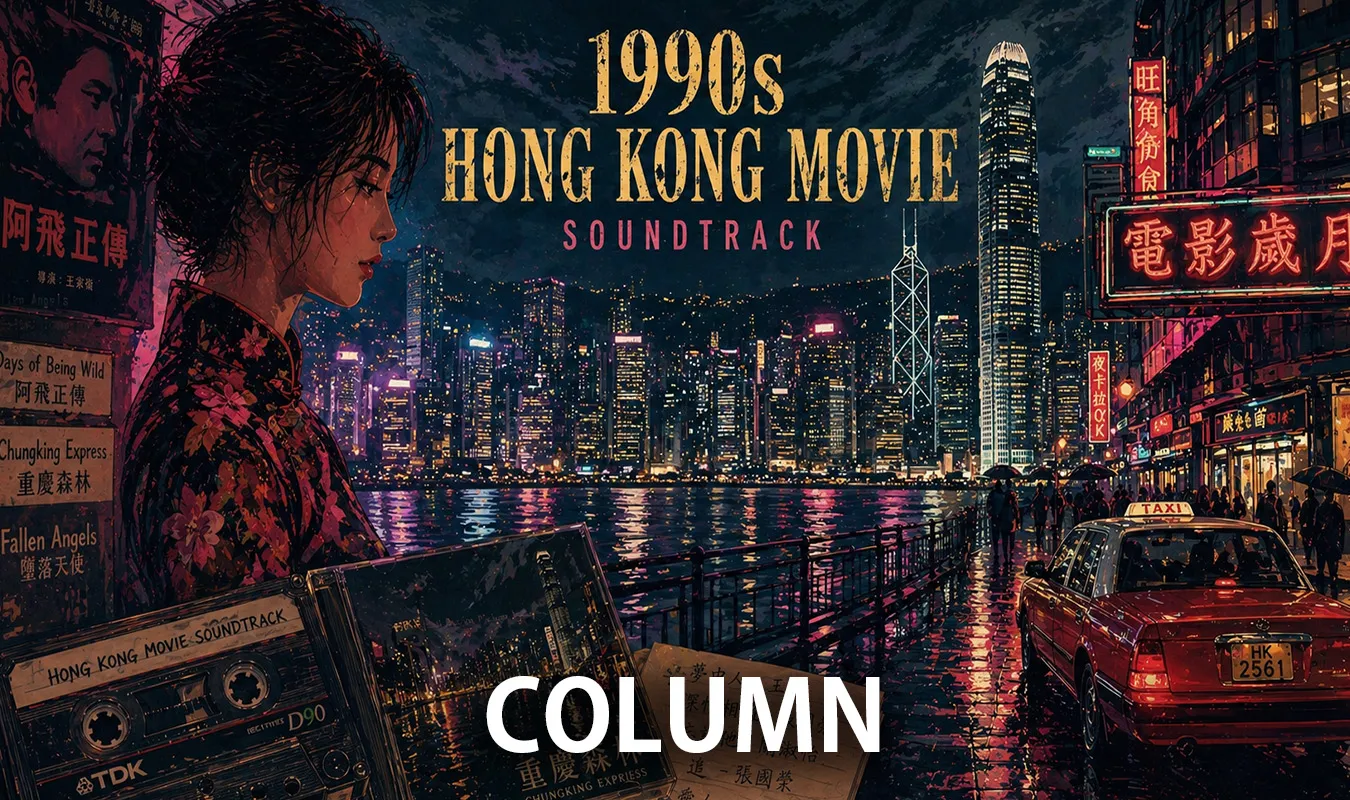
【コラム】 香港映画サウンドトラックの黄金時代──90年代都市の鼓動と記憶
序章:音が都市を記録した時代
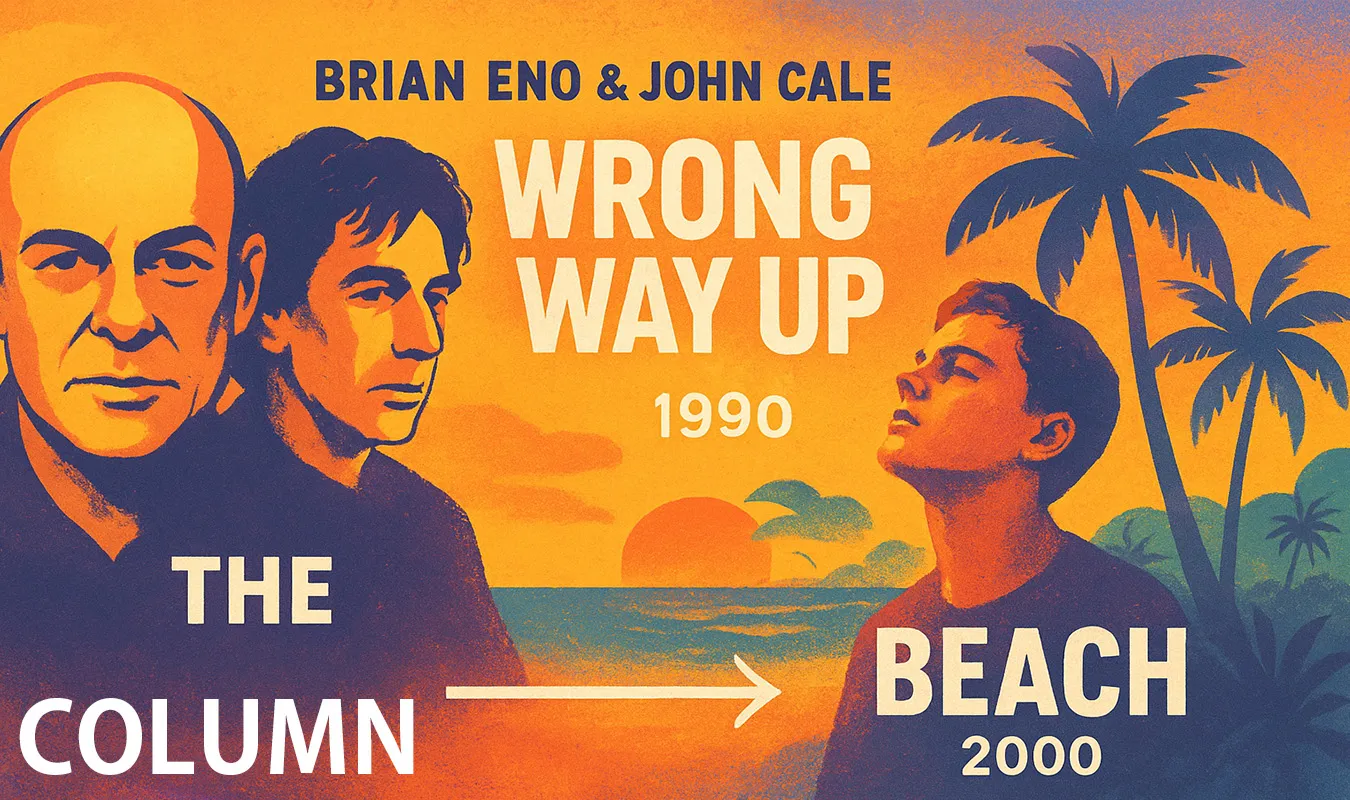
【コラム】 Wrong Way Up と『The Beach』——ユートピアの残響と文明の裏面
序章:南へ向かう者たち — 現代の“楽園”幻想
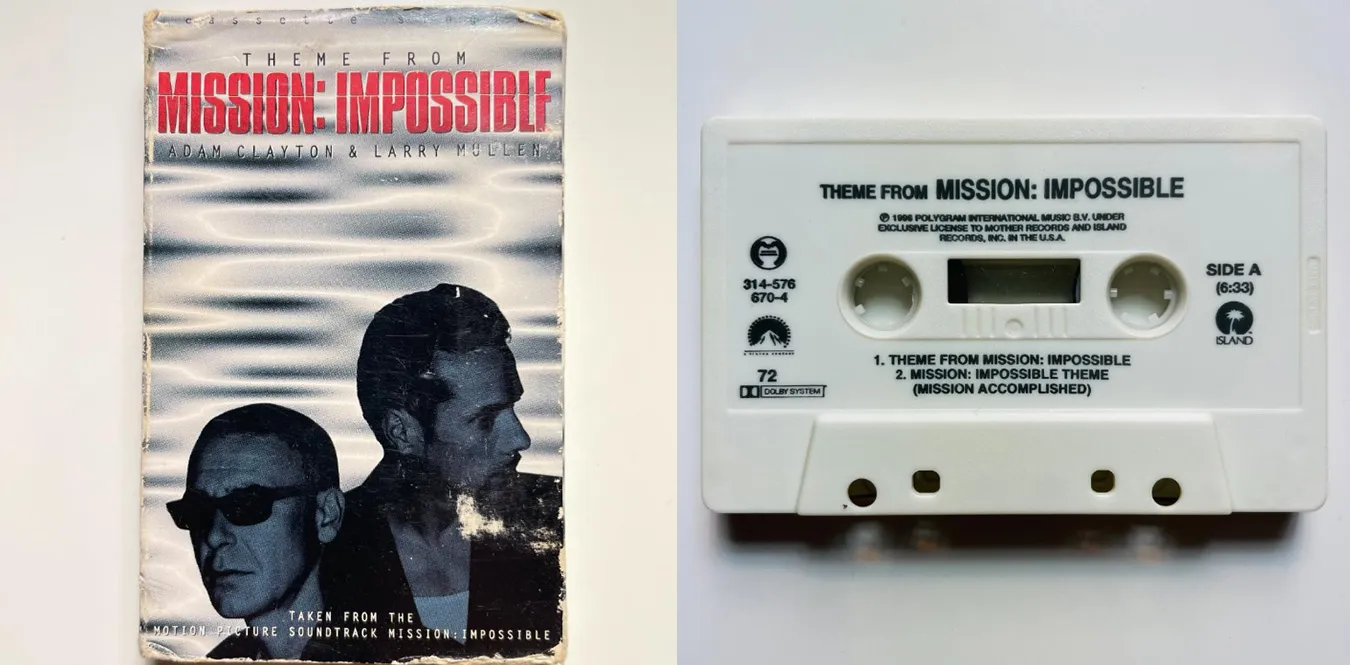
Adam Clayton & Larry Mullen – Theme From Mission: Impossible
1996年にリリースされた、U2のメンバーAdam Clayton(アダム クレイトン)とLarry Mullen(ラリー マレン )による映画「ミッション: インポッシブル」の テーマ曲カセットテープ。