[Column] Waajeed —— A creator who continues to renew the genealogy of Detroit
Column en 10s Deep House House![[Column] Waajeed —— A creator who continues to renew the genealogy of Detroit](/../assets/images/column-waajeed.webp)
Introduction
Text: mmr|Theme: Waajeed’s life and works, and his role in the genealogy of Detroit
When discussing Detroit”s musical history, the focus is often on the giants of the early days of techno. However, there are many artists who have “re-integrated” the city”s own black music bloodline–hip-hop, gospel, soul, house, jazz, and techno–and sublimated it into new forms of expression since the 2000s.
One person at the center of this is Waajeed. Starting his career around Slum Village, he has continued to make Detroit’s musical aesthetic function as a “platform for connecting to the future” with Platinum Pied Pipers (PPP), Tiny Hearts, and his own label Dirt Tech Reck.
Since the late 2010s, he has been building a body of work that more directly follows the flow of Detroit house/techno, while also bringing to the forefront the expression of black roots. In particular, "”Shango EP” (2017) and one of their current masterpieces, "”Mother EP” (2018) are positioned as works that strongly present the spirituality and community nature of club music while inheriting the traditions of Detroit.
1. Early life and background: Detroit, the “city of beginnings”
Waajeed (real name Robert O’Bryant) was born in Detroit in the late 1970s. The artist’s name is of Arabic origin and is taken from a word meaning “to find” or “to discover.”
From an early age, he grew up in an environment influenced by Detroit’s soul/gospel culture, and later came into contact with Slum Village. In the late 1990s and early 2000s, Detroit was creating a new standard for neo-soul/hip-hop, symbolized by J Dilla. Waajeed was at the forefront of this field, and while also working as a photographer, he turned to music production.
● Relationship with Slum Village
- Involved as peripheral staff of the group
- Interact with members T3 and Baatin
- Directly influenced by the creativity of J Dilla
What Waajeed absorbed here was more than just beat making. The attitude is to ““carry out the inheritance of black music as a ‘reinvention’ for the modern era.’‘
2. PPP (Platinum Pied Pipers) period: A new connection point between hip-hop and soul
In the early 2000s, Waajeed and Saadiq formed Platinum Pied Pipers (PPP). This is a project that organically fuses hip-hop, R&B, soul, and beat music, and has gained worldwide acclaim while being based in Detroit.
2005 “Triple P”
- PPP’s debut album
- Featuring Georgia Anne Muldrow, Tiombe Lockhart, Saadiq and more
- Regarded as one of the “most radical and warmest works” in the context of neo-soul and hip-hop at the time.
- An important work that made Detroit’s black music aesthetic known internationally.
During this period, Waajeed blurred the boundaries between sampling and live music, and was moving toward creating a “futuristic soul” style that was not club music. **
PPP was one of Detroit”s most iconic projects in the 2000s and formed the basis of Waajeed”s career.
3. Establishment and mission of the label Dirt Tech Reck
In 2012, Waajeed launched his own label Dirt Tech Reck. As the three words “Dirt”, “Tech” and “Reck” indicate,
- DIRT of street culture
- The future of techno TECH
- RECK (record) of recording culture
The intention is to integrate these.
What makes Dirt Tech Reck unique is that it goes beyond simply running a label. It functions as a platform for cultural autonomy for black artists.
Many of the releases feature the following elements:
- A sound rooted in Detroit
- Black community narrative and social background
- The connection between the dance floor and spirituality
- Structure that crosses hip-hop, house, and techno
From here, Waajeed will move into a different field from the PPP period. **Shifting the focus to the context of club music. **
4. “Shango EP” (2017): Ritual house/techno that became a turning point
Released in 2017, Shango EP was a significant turning point in Waajeed’s career.
The title “Shango” is a deity that appears in traditional West African religion, and is a symbol that connects Afro-diaspora spirituality with the history of black music.
On this EP, Waajeed:
- Detroit house/techno beat structure
- Afro percussion
- Black Spiritual Call
- Ritual nature of raw sounds and rhythm
He clearly steered the band towards ““representing house/techno as a return to the spirit of black art’’ by fusing them.
Rather than being an extension of the PPP and hip-hop era, this work presented a new phase of Detroit music and received high praise worldwide.
5. “Mother EP” (2018): Fusion of spirituality, clubbing, and blackness
Mother EP (2018) is widely recognized as Waajeed’s masterpiece. The theme of this work is not just house/techno, but club music as an archive of the memory and spirituality of the black community.
Features
*Detroit Gospel Influence
- Soulful vocals
- Heavy and dynamic beat
- Afro-futuristic sound image
- Rethinking community culture that symbolizes “motherhood”
It has a much more linear and dancefloor-oriented structure than the beatmaking of the PPP and hip-hop eras, but it also has a clear emotional expression of black roots. It is in a position that can be called “the aesthetic destination of Dirt Tech Rec”.
6. Production attitude: Practitioner redefining Detroit
To sum up Waajeed’s production approach, the following three points are central.
① Inheriting and re-creating Detroit’s heritage
- Influenced by J Dilla
- Gospel/Soul Tradition
- Hip hop aesthetics
- The future of techno
Rather than fragmenting these, they are integrated as ““the musical memory of the city of Detroit itself.’’
② Community-based production
After the Dirt Tech Reck period, Waajeed began to consider music not as “personal art” but **There is a strong desire to make it function as a cultural device in the local community. **
- Involvement in educational projects
- Developing young creators in Detroit
- An attempt to carve the history of the community into music
③ Reconnecting with Black Spirituality
Especially since the Shango EP, Afro-diaspora spirituality has become an important element.
*Call & Response
- Ritual percussion
- Evangelical expression
- Trance rhythm
These are acts that re-present ““where house/techno came from’’.
7. Analysis of the main characteristics and musicality of the work
■ Rhythm and percussion
Waajeed’s beats coexist with “hardness” and “raw swinging”, They value the groove of black dance music more than the minimalism of techno.
■ Vocals and chorus
Since the PPP period, there has been a lot of gospel-like vocal processing. This is even more pronounced on Mother, giving the club track an emotional depth.
■ Hybrid of live sound and electronic sound
The technique of naturally blending synths, pads, electric piano, live drums, percussion, etc. is also the result of the “ear training” of the hip-hop era.
8. Discography (main works)
(*No external links, only facts)
- PPP”Triple P”(2005)
- PPP”Abundance”(2009)
- “The War LP” (2012)
- “Shango EP”(2017)
- “From The Dirt”(2017)
- “Ten Toes Down EP” (2018)
- “Mother” (2022)
9. Chronology (Timeline)
10. Work structure/genealogy
Gospel/Soul/Hip-Hop] --> B[PPP period
Experiment of future Seoul] B --> C[Dirt Tech Reck
Cultural Community] C --> D[Shango EP
Spiritual club music] D --> E[Mother
Achievement of spirituality x dance]
11. Cultural Significance of Waajeed
Waajeed is a rare artist who treats Detroit’s music culture not as a “genre” but as a continuum of history and communal memory.
- Hip-hop → Soul → Gospel → House → Techno In the sense that he single-handedly embodies this lineage, he embodies the image of a typical “Detroit creator.”
Moreover, this creation is aimed at innovation, not nostalgia. The works from “Shango EP” to “Mother” are It will continue to be referred to as club music that looks at the roots and future of black music at the same time.
Ending
Waajeed’s career has been one of continuing to reinterpret the “layers of history” of the city of Detroit by intersecting them with contemporary club culture. Not only are the individual works attractive; It is also important as a methodology for translating urban memory and black spirituality into music, and its existence will continue to be a symbol that supports the evolution of Detroit music.
Explore more like this
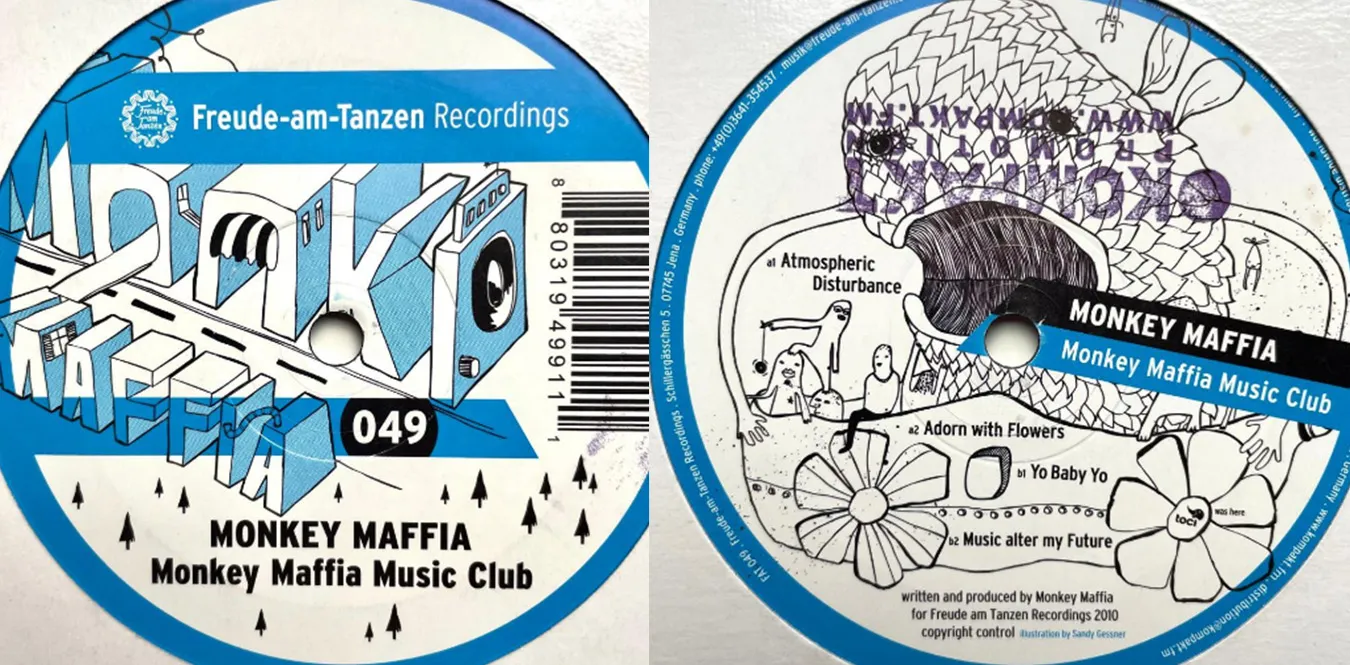
Monkey Maffia – Monkey Maffia Music Club
Sören Bodner, also known as Monkey Maffia, was a central figure in the German producer and label Freude Am Tanzen (FAT) and the owner of the record shop Fatplastics. (Death...
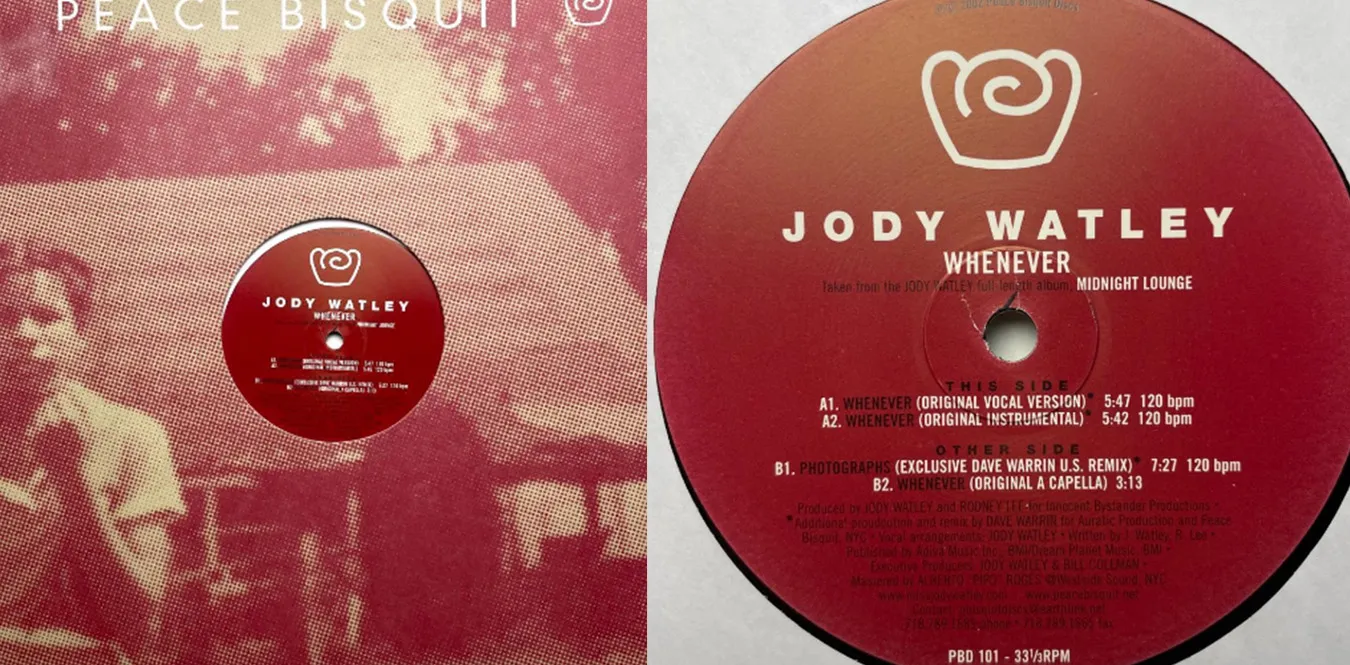
Jody Watley – Whenever
Jody Watley is an American singer from Chicago. From 1977 to 1984, he was a member of the soul/disco group Shalamar. His solo hits include ““Looking for a New Love,”...
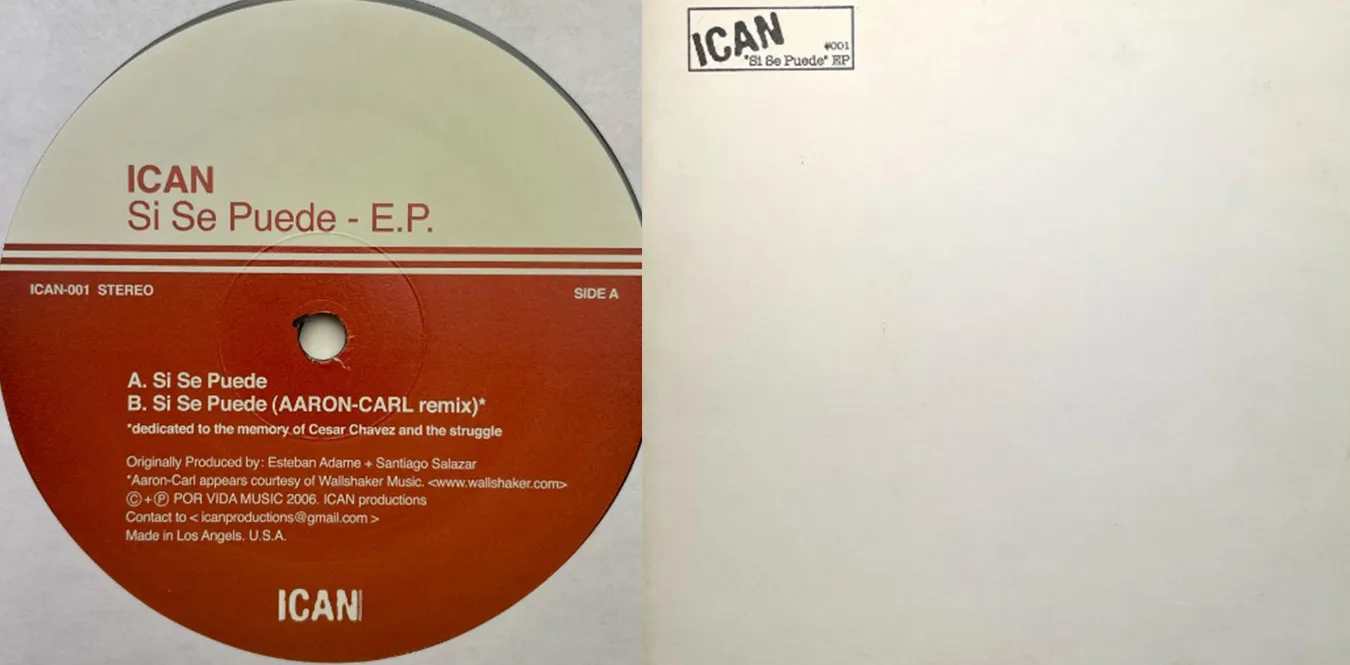
Ican – Si Se Puede E.P
Ican is a duo consisting of Esteban Adame and Santiago Salazar.
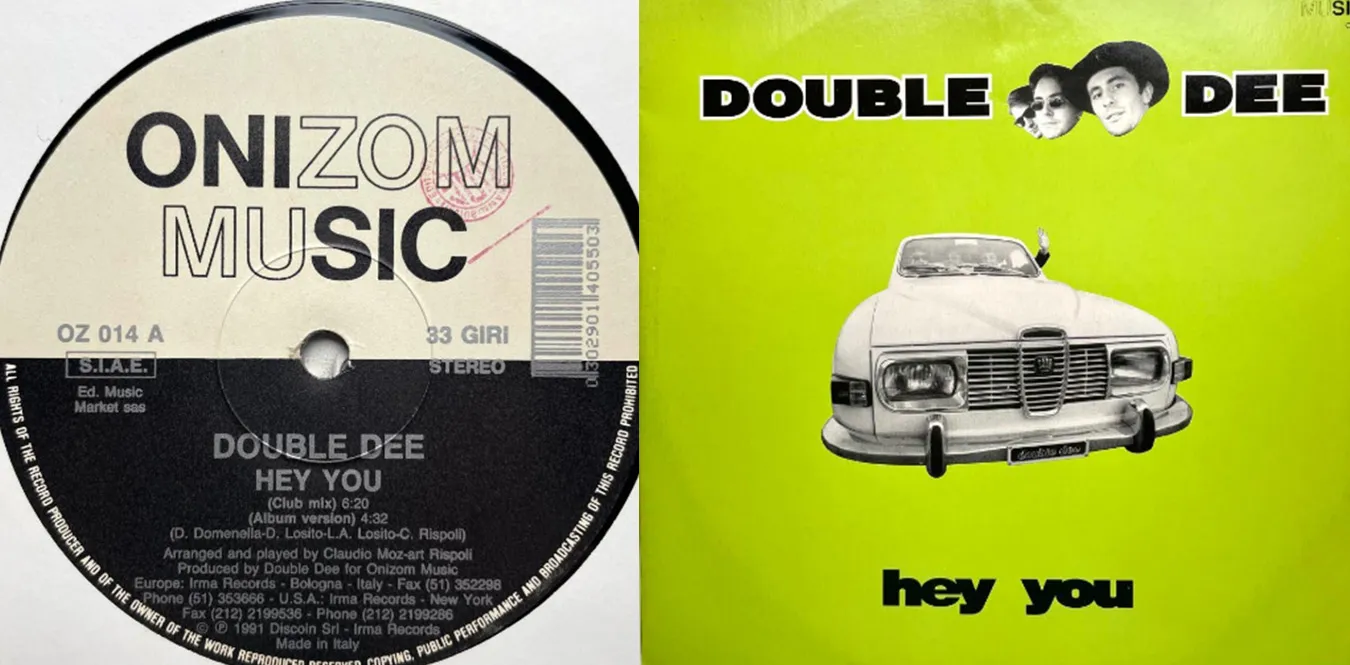
Double Dee – Hey You
Double Dee is a project of Italian producers/DJs: Claudio “Moz-Art” Rispoli, Davide Domenella, and Donato Losito.
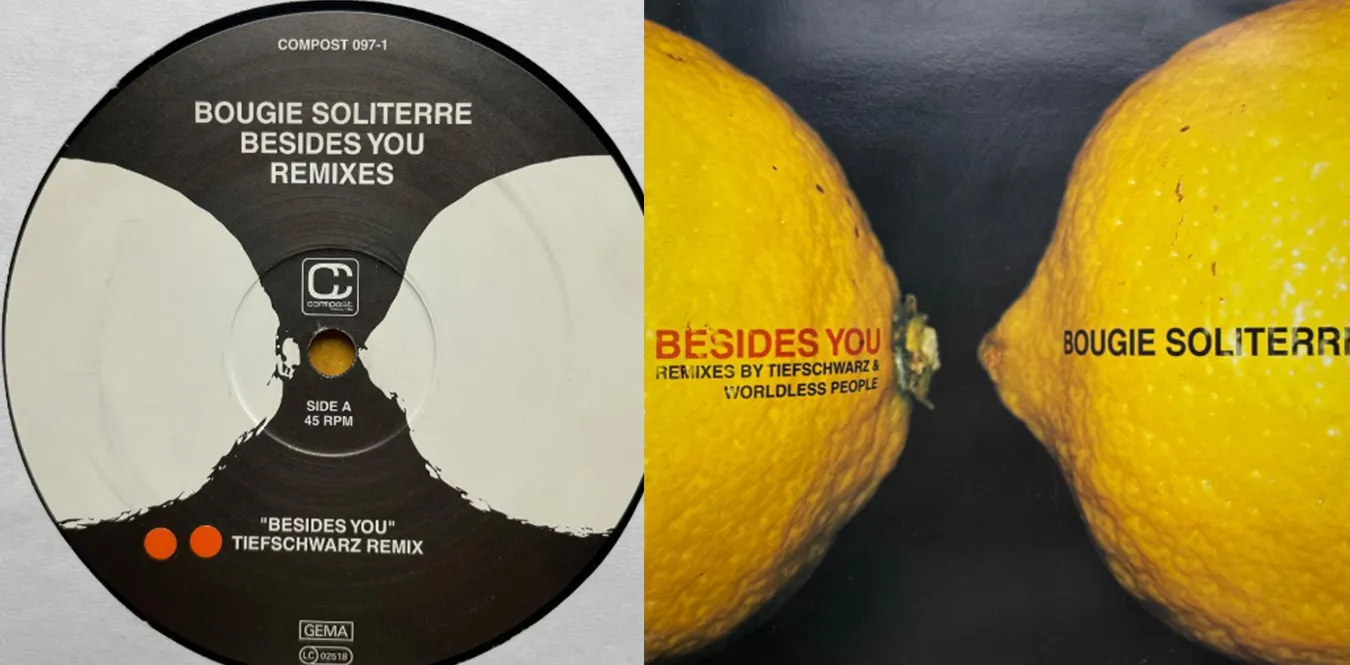
Bougie Soliterre – Besides You
Bougie Soliterre is a solo project by British producer Bettina Costanzo (who has released works on the British label Flipside and the prestigious German Compost Records).
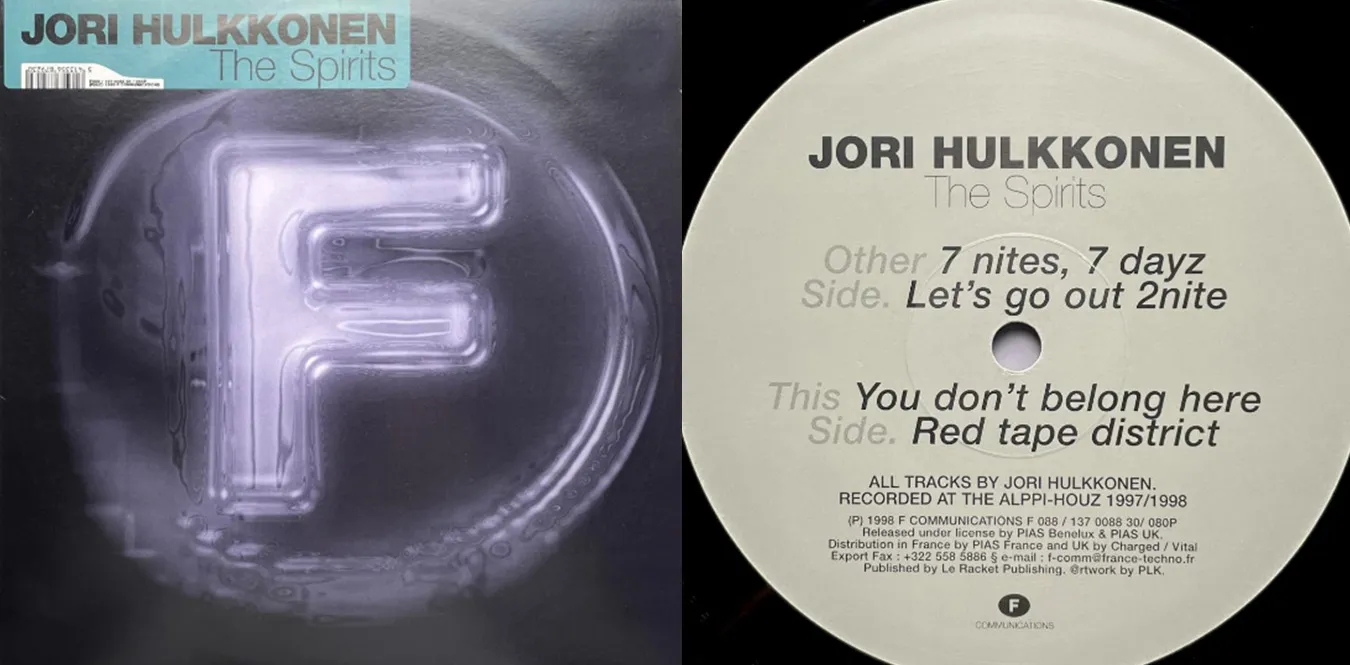
Jori Hulkkonen – The Spirits
Jori Hulkkonen is a Finnish DJ/house producer who has been active since the early 1990s. He has collaborated with versatile artists such as John Foxx, Jose Gonzales, Jesper Dahlbäck (as...
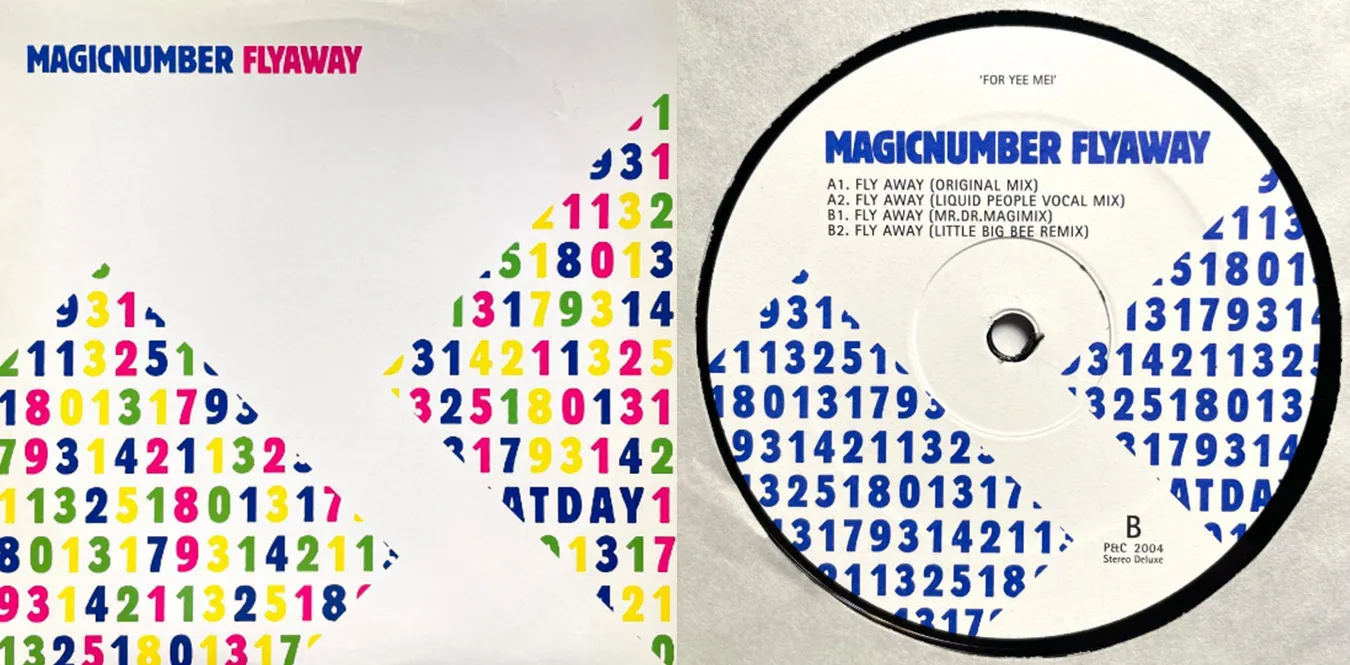
Magicnumber – Flyaway
Magicnumber is the alias of British musician/composer/producer/bassist Ross Hillard. Under the name Magicnumber, he develops a wide range of sounds that incorporate house, soul, downtempo, jazz and orchestral elements.
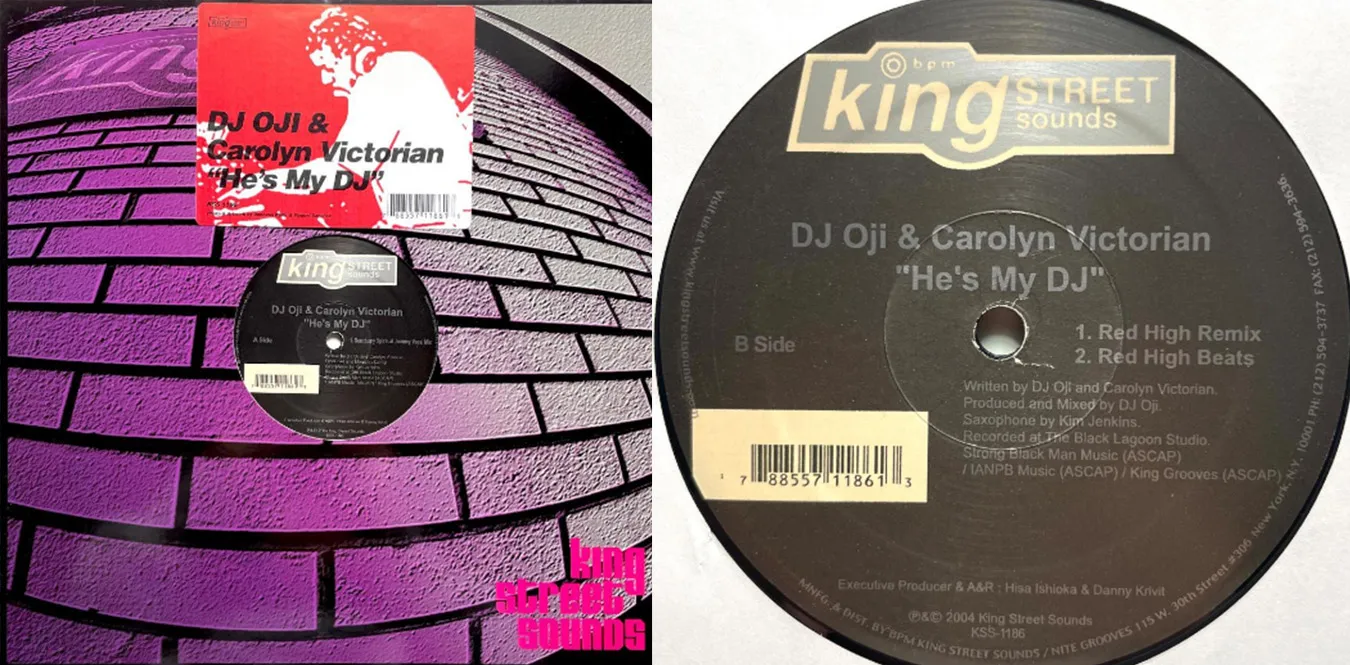
DJ Oji & Carolyn Victorian – He"s My DJ
DJ Oji is a DJ/producer based in Baltimore. “He”s My DJ”, co-written with fellow Baltimore-based vocalist Carolyn Victorian, is a House/Deep House track released on Hisa Ishioka”s House label BPM...
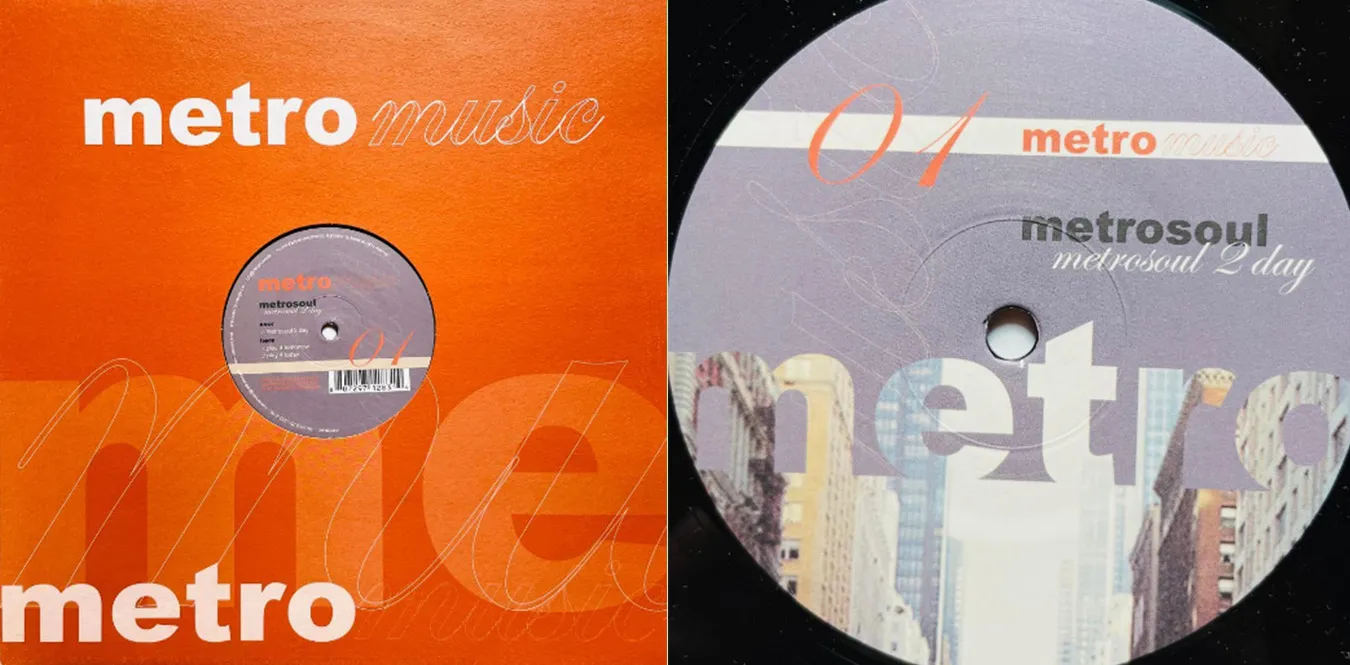
Metrosoul – Metrosoul 2 Day
Metrosoul is a project by German DJ/producers Carsten Sasiak, Daniel Kasprowicz, Frank Herbrechter (Herb LF), Matthias Kunert (Matthew Boone), Meikel Klein, and Tim Bernhardt. Carsten Sasiak & Meikel Klein (M....
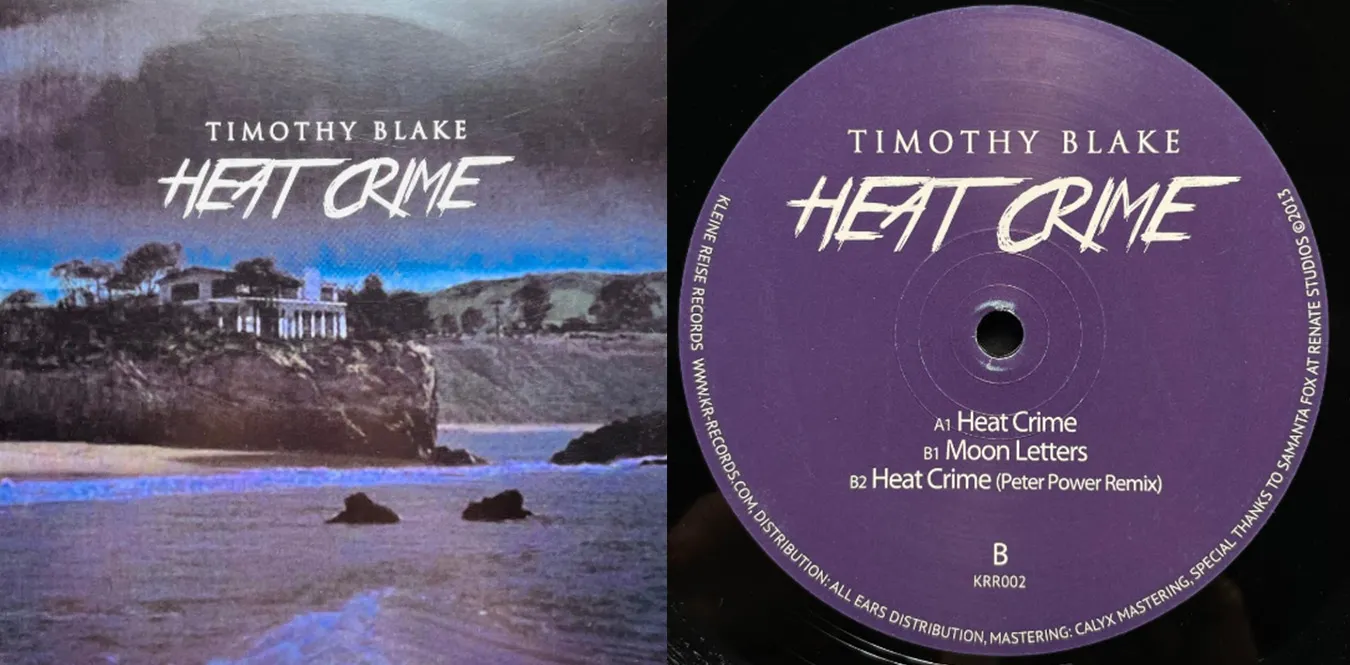
Timothy Blake – Heat Crime
Timothy Blake is an Irish-born electro/house music producer/DJ based in Berlin, Germany. He has released works on independent European labels such as Kleine Reise Records, Dirt Crew, Fatty Fatty Phonographics,...
![[Column] K15 - The light and shadow of a new generation of London nurtured by EGLO](/../assets/images/column-k15.webp)
[Column] K15 - The light and shadow of a new generation of London nurtured by EGLO
Introduction — Why “Eglo × K15” now?