Bloghouseとは何だったのか
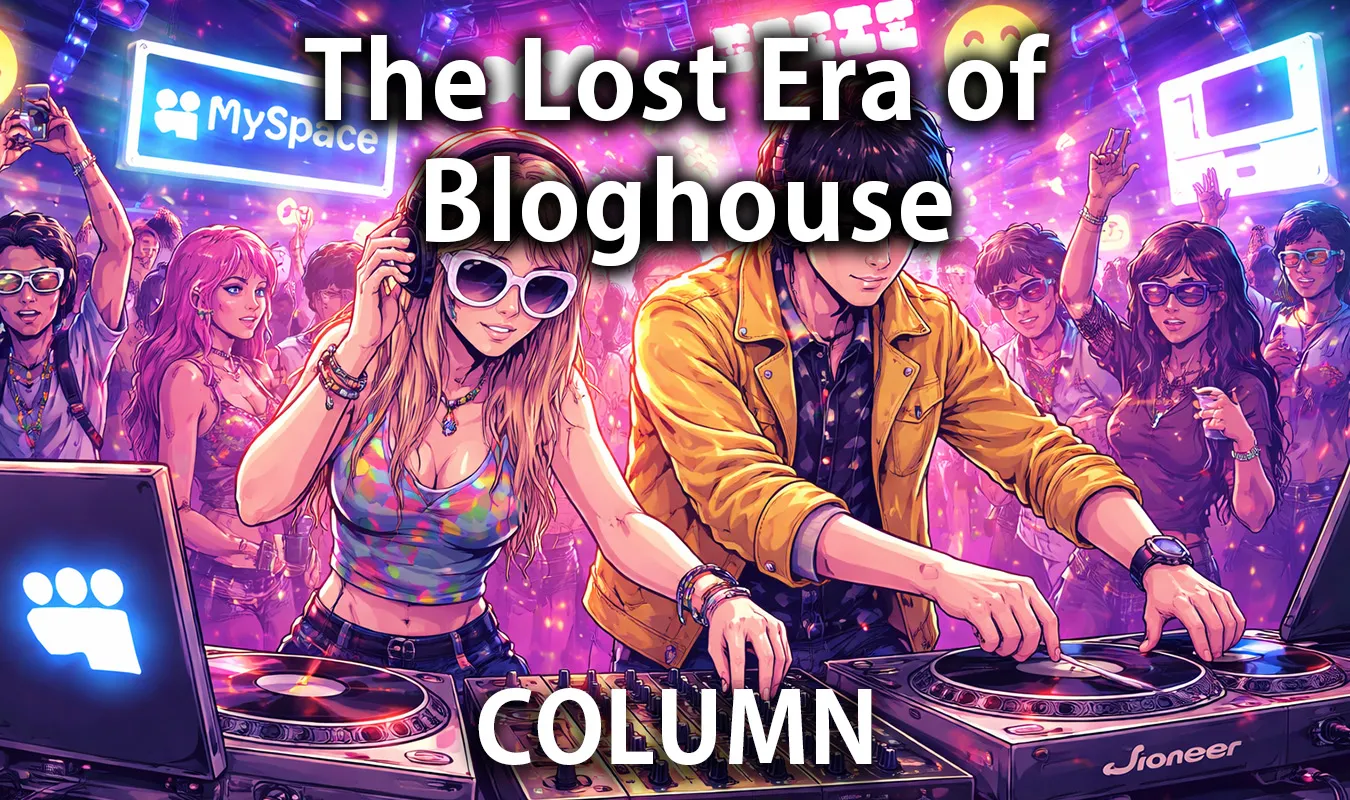
文:mmr|テーマ:2000年代後半、ブログとMySpaceが世界のクラブカルチャーを変えた“Bloghouse”の誕生と消滅の歴史。
インターネットが作った新しいクラブカルチャー
2000年代半ば、クラブミュージックの流通構造は大きく変化していた。レコードショップやDJコミュニティを中心とした従来の拡散経路に加え、インターネット、とりわけ音楽ブログが新しい発信拠点となり始めたのである。
この時代に登場した音楽スタイルが、後に「Bloghouse」と呼ばれる文化である。 Bloghouseは厳密な音楽ジャンルというより、インターネット文化と密接に結びついたムーブメントを指す言葉である。
特徴として挙げられるのは以下のような要素である。
- エレクトロハウスを基盤にした攻撃的なサウンド
- インディーロックの要素との融合
- 非公式リミックスやブートレグの流通
- MP3ブログによる拡散
- MySpaceを中心としたアーティスト発信
つまりBloghouseは、音楽ジャンルというより流通革命の副産物として生まれたクラブ文化だった。
当時の音楽ブログは、新しい音源を紹介する役割を担っていた。多くのサイトがMP3を直接ダウンロード可能な形で掲載しており、読者は無料で最新トラックを入手できた。 この仕組みが、レコード会社のプロモーションを介さない独自の流通ネットワークを形成したのである。
クラブカルチャーの歴史を振り返ると、音楽の広がり方はメディアによって大きく変わる。ラジオがロックを広げ、レコードショップがハウスを育て、そしてブログがBloghouseを生んだ。
Bloghouseとは、インターネット時代の音楽流通が生み出したクラブ文化の実験場だった。
Bloghouse誕生の背景
エレクトロクラッシュからの進化
Bloghouseの直接的なルーツの一つが、2000年代初頭のエレクトロクラッシュである。
エレクトロクラッシュは、1980年代のシンセポップやエレクトロを参照したクラブミュージックで、ニューヨークやヨーロッパのアートシーンを中心に広がった。 この流れの中で、シンセベースと歪んだドラムマシンを特徴とするサウンドが確立されていく。
2000年代半ばになると、エレクトロクラッシュのスタイルはよりハードな方向へ進化する。 フレンチハウス、インディーダンス、テクノなどが混ざり合い、新しいクラブサウンドが形成された。
この変化は同時期のクラブシーンとも連動している。 ヨーロッパではエレクトロハウスが急速に人気を獲得し、より攻撃的なベースラインと歪んだシンセサウンドが主流になり始めた。
そのサウンドは、従来のハウスミュージックよりもロックに近いエネルギーを持っていた。 そのため、インディーロックのファン層とも自然に重なり合うことになる。
Bloghouseはこの二つの文化の交差点で誕生した。
クラブミュージックとインディーロックの距離が縮まり、DJとバンドの境界が曖昧になっていく。 そしてその融合を支えたのが、インターネットだった。
Bloghouseはエレクトロクラッシュの遺伝子とインディーロックの熱量が融合した結果として生まれた。
MP3ブログ革命
音楽発見の中心だったブログ
2000年代中盤、SpotifyやApple Musicのようなストリーミングサービスはまだ存在していなかった。 音楽を発見する主な方法は、以下のようなものだった。
- 音楽雑誌
- ラジオ
- レコードショップ
- MySpace
- 音楽ブログ
この中で特に重要だったのが、MP3ブログである。
音楽ブログは、管理人が好きな音楽を紹介するサイトだった。 記事にはMP3ファイルが添付されており、読者は直接ダウンロードできた。
こうしたサイトは数千単位で存在し、互いにリンクしながらネットワークを形成していた。
この仕組みの特徴は、プロモーションのスピードだった。
レコードが発売される前に音源がブログに掲載され、数日で世界中のDJに広まることも珍しくなかった。
さらに重要だったのは、リミックス文化の爆発である。
Bloghouseの多くは公式リリースではなく、ブートレグや非公式リミックスだった。 有名インディーバンドの曲をエレクトロハウスに改造したトラックが、ブログ経由で広まりクラブヒットになる。
こうして音楽の制作と拡散のサイクルが急激に加速した。
MP3ブログは、レコード会社より速い音楽流通システムとして機能していた。
MySpaceとアーティストの台頭
SNSが生んだDIYスター
Bloghouseの拡大において、MySpaceは極めて重要な役割を果たした。
MySpaceは2003年に開始されたソーシャルネットワークサービスで、音楽プレイヤーをプロフィールに埋め込める機能を持っていた。 これにより、アーティストはレコード会社を通さず直接楽曲を公開できた。
この流れによって、多くのアーティストがオンラインからクラブシーンへ進出した。
彼らの特徴は、従来のクラブDJとは異なるバックグラウンドである。
- インディーロック出身
- グラフィックデザイナー
- 学生
- DIYプロデューサー
つまりBloghouseは、クラブカルチャーの民主化を象徴するムーブメントでもあった。
音楽制作ソフトの普及もこの流れを後押しした。 Ableton LiveなどのDAWが一般化し、自宅でクラブトラックを制作することが可能になったのである。
クラブの外側から新しいアーティストが流入したことで、サウンドはより自由で実験的になった。
MySpaceはクラブシーンにDIY世代のアーティストを大量に送り込んだ。
Bloghouseサウンドの特徴
歪んだベースとロック的エネルギー
Bloghouseのサウンドは、従来のハウスミュージックとは明確に異なっていた。
主な特徴として以下が挙げられる。
- 歪んだシンセベース
- エレクトロハウスのキック
- ロック的なエネルギー
- 大胆なサンプリング
- 短い曲構成
特に象徴的だったのが、ディストーションの多用である。
シンセベースを激しく歪ませたサウンドは、クラブミュージックにパンク的な攻撃性を与えた。 このスタイルは、後のEDMサウンドにも影響を与えることになる。
またBloghouseの特徴として、リミックス文化が挙げられる。
多くのDJが既存の曲を再構築し、新しいダンスフロア向けバージョンを制作した。 これらは公式リリースではなく、ブログで無料配布されることが多かった。
この文化は、クラブミュージックに新しいスピード感をもたらした。
Bloghouseはロックの衝動とエレクトロハウスのビートを結びつけたサウンドだった。
Bloghouseの黄金期
2006〜2009年の爆発
Bloghouseの人気がピークに達したのは2006年から2009年頃である。
この時期、クラブシーンではインディーダンスパーティーが急増し、Bloghouseはその中心的な音楽となった。
この時代のクラブイベントは、従来のハウスパーティーとは異なる雰囲気を持っていた。
- バンドTシャツ
- ネオンカラー
- インターネット文化
- DIYアート
つまりBloghouseは、音楽ジャンルであると同時にファッションや美学を含むカルチャーだった。
インディーロックのファンがクラブに流入し、クラブカルチャーの客層も変化する。 DJとバンドの境界が曖昧になり、ライブとDJセットが混在するイベントが増えていった。
この新しいクラブ文化は、世界各地で急速に広がっていった。
2006年から2009年はBloghouseがクラブカルチャーの中心にあった時代だった。
なぜBloghouseは消えたのか
ストリーミング時代の到来
Bloghouseは短期間で巨大なムーブメントになったが、その寿命は長くなかった。
衰退の理由はいくつか存在する。
第一に、MP3ブログの減少である。 2010年前後になると著作権問題が強化され、多くのブログがMP3配布を停止した。
第二に、音楽流通の変化である。
2010年代になると、SpotifyやSoundCloudなどのストリーミングサービスが登場し、音楽発見の中心がブログからプラットフォームへ移行した。
第三に、EDMの台頭である。
フェスティバル向けの大型エレクトロニックミュージックが人気を獲得し、クラブシーンのサウンドも変化していった。
BloghouseのDIY文化は、巨大フェス文化の中で徐々に影を潜めていく。
Bloghouseの終焉は、インターネット音楽流通の変化と密接に結びついていた。
Bloghouseが残した遺産
現代クラブミュージックへの影響
Bloghouseは短命だったが、その影響は現在も残っている。
主な遺産として挙げられるのは以下である。
- インディーダンスの定着
- リミックス文化の拡大
- DIYプロデューサーの増加
- インターネット主導の音楽発見
また、現在のTikTokやSoundCloud文化も、Bloghouse時代のインターネット拡散モデルに近い構造を持っている。
音楽がコミュニティによって広がるという仕組みは、Bloghouse時代にすでに確立されていた。
クラブカルチャーの歴史を見ると、こうしたムーブメントは短い周期で生まれては消えていく。 しかしその影響は次の世代の音楽に受け継がれる。
Bloghouseもまた、2000年代のインターネット文化が残した重要な足跡の一つである。
Bloghouseは消えたジャンルではなく、現代の音楽文化に溶け込んだ遺産と言える。
Explore more like this
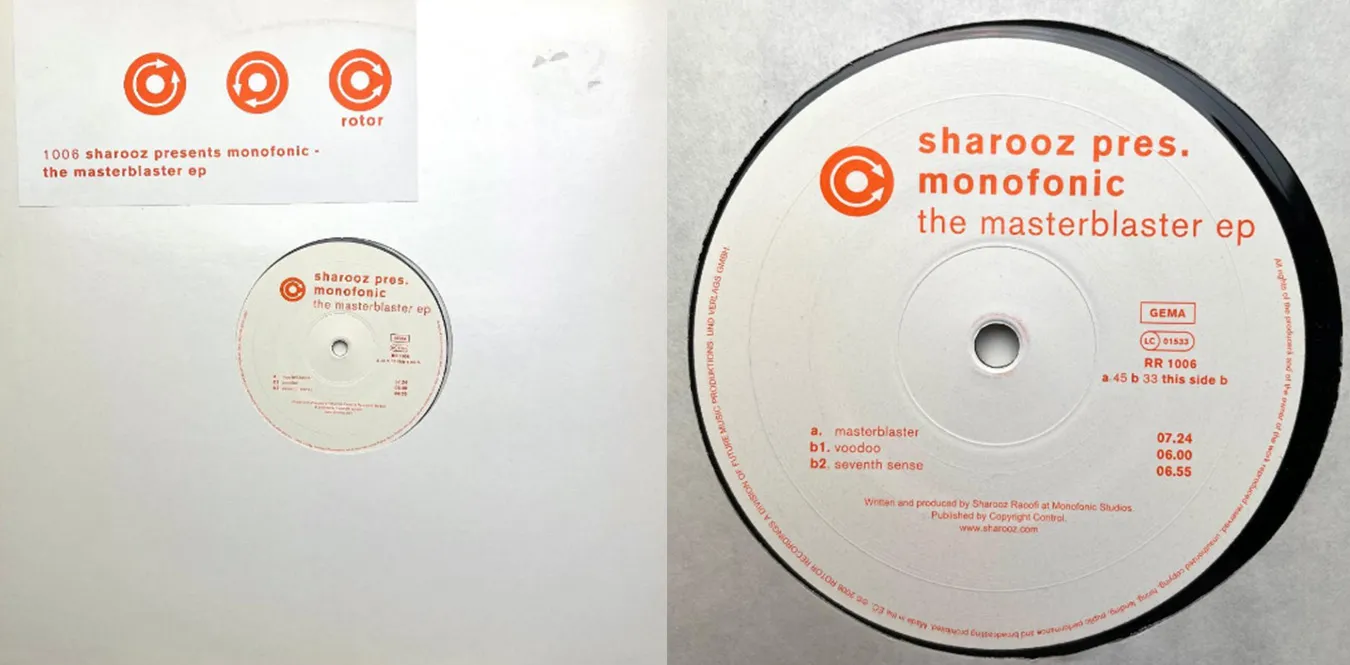
Sharooz Presents Monofonic – The Masterblaster EP
SharoozことSharooz Raoofiは、Principleasure名義でも知られるミュージシャン。40khz, Monofonic, Vails名義でもリリースしている。
Alter Ego – Rocker
Alter Egoは、1992年にRoman FlügelとJörn Elling Wuttkeが結成したドイツのエレクトロニックミュージックデュオ。
Thugfucker – Disco V / Knight Rider
Thugfuckerは、2004年にUSのDJ/プロデューサーGreg Oreckとアイルランド出身でNYを拠点に活動するDJ Holmar Filipssonのデュオとしてスタートしたが、のちにGreg Oreckのソロプロジェクトとなった。
Olav Basoski – Water Fire Rhythm Love EP1
Olav Basoskiは、1990年代後半から活動するオランダ・ハウスの重鎮。
Brian Cross – Sunny Rain
Brian Cross (Brian Fortuny Cruz)は、スペインのDJ/プロデューサー。
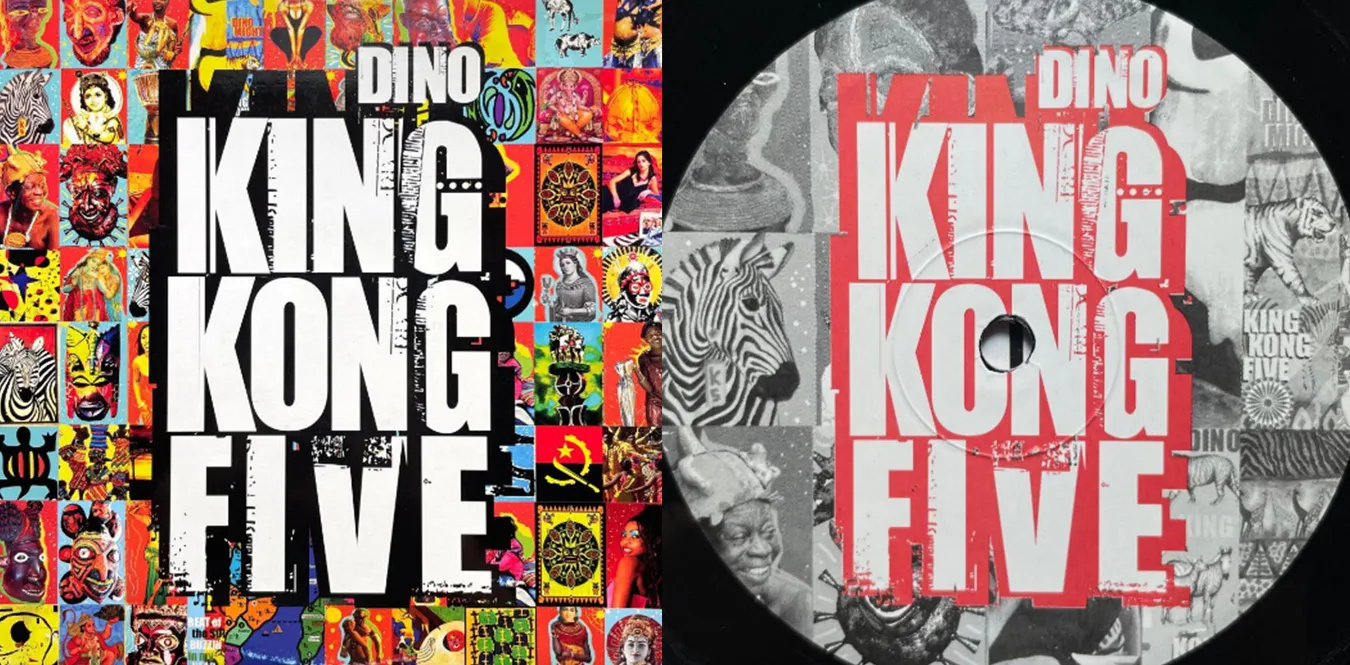
Dino – King Kong Five
DinoことDino Lennyは、ダンスミュージックシーンで30年以上活躍するイタリアのDJ/プロデューサー。
Benjamin Theves – Texas
Benjamin Thevesは、フランス出身のエレクトロニック・アーティスト/プロデューサー。
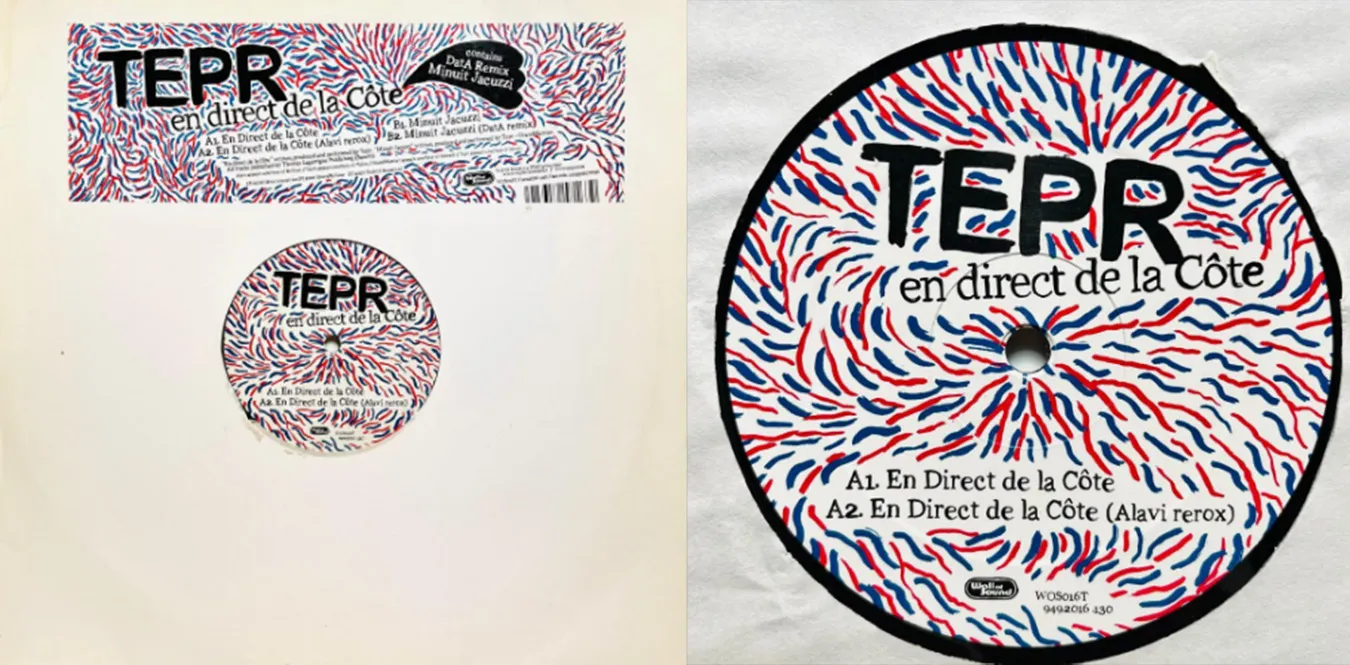
Tepr – En Direct De La Côte
Tepr(テプル)ことTanguy Destable(タンギー・デスタブル)は、フランス出身のミュージシャン、作曲家、芸術監督。
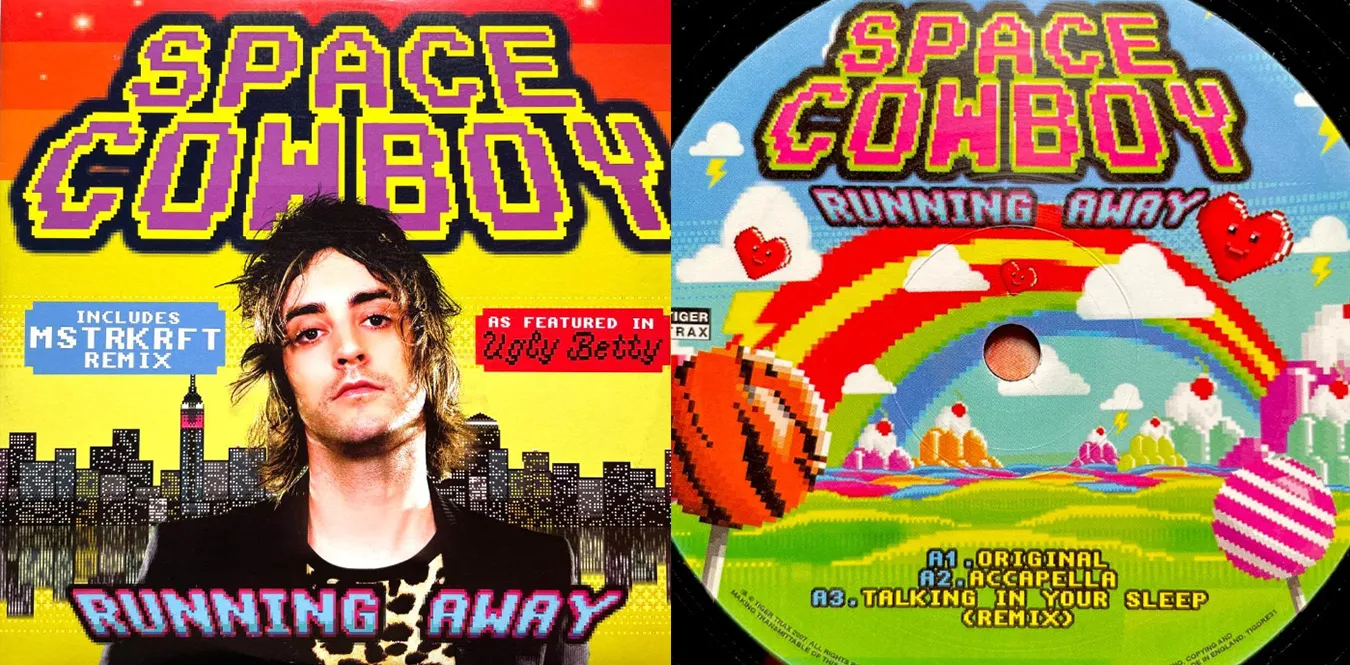
Space Cowboy – Running Away
Space CowboyことNicolas Jean-Pierre Patrick Drestiはフランス系イギリス人のDJ・シンガーソングライター・プロデューサー。DJ Apex、DJ Supreme、Kings Of Rhythmなど様々な名義でリリースしているが、2002年からはSpace Cowboyを使用している。2000年代後半からはレディーガガのパーソナルDJを務める。
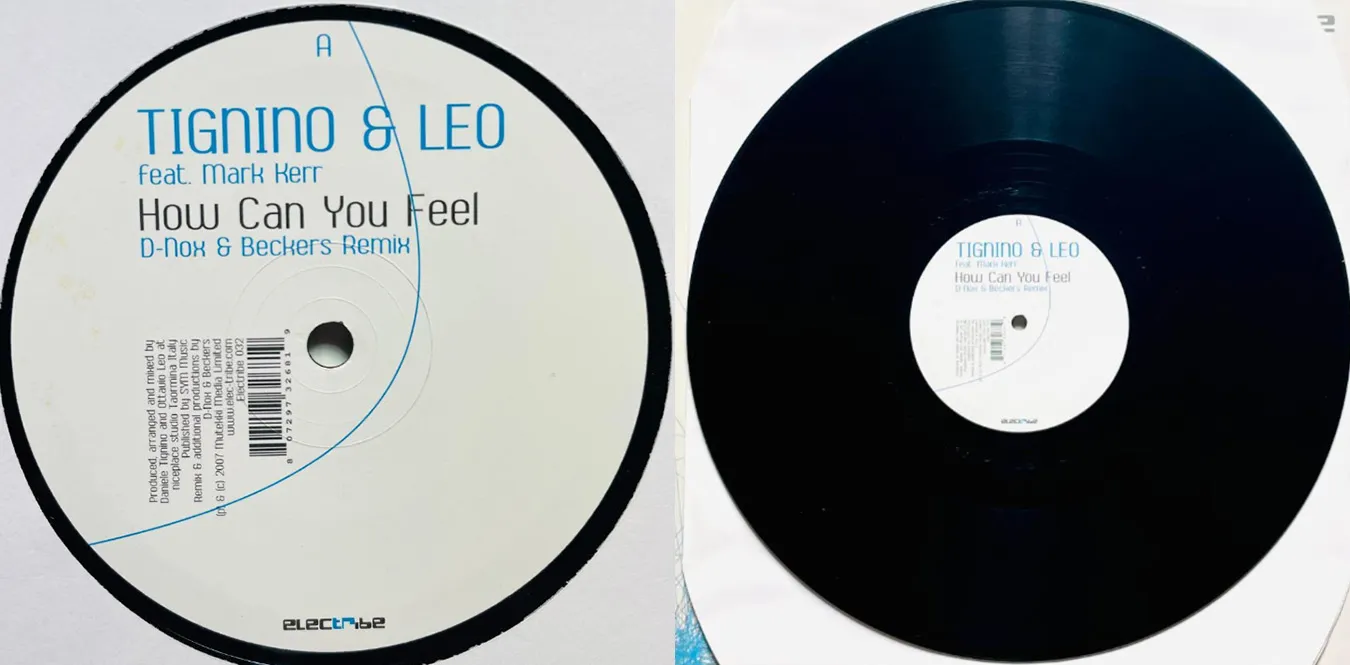
Tignino & Leo Feat. Mark Kerr – How Can You Feel
An electro house track by Italian DJ/producer Daniele Tignino and Sicilian musician Ottavio Leo, featuring Mark Kerr, brother of Scottish rock band Simple Minds frontman Jim Kerr.
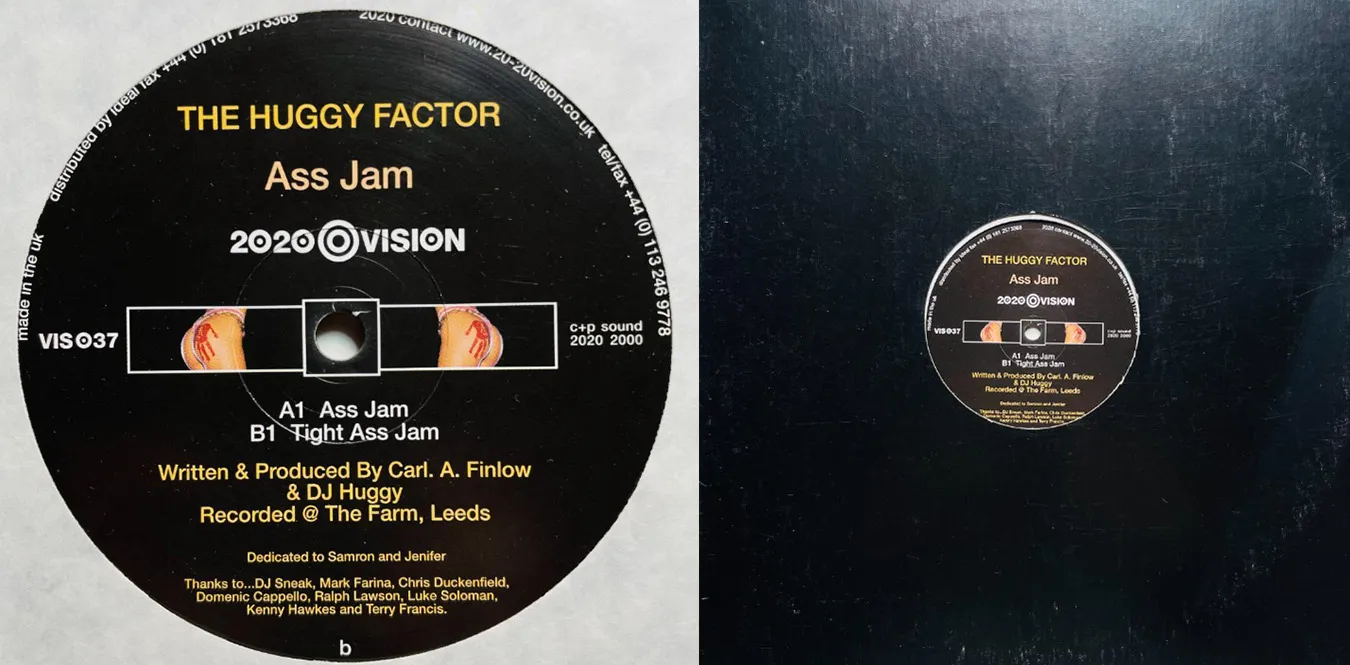
The Huggy Factor – Ass Jam
The Huggy Factorは、Silicon Scally、Random Factor、Voice Stealer、Il.Ek.Tro、Scarletron名義でも活動し、2020 Visionの共同設立者でもあるCarl FinlowとPaul Huggettのユニット。