[Column] Tech House: Minimal precision and reinventing the groove
Column en House Minimal Tech House![[Column] Tech House: Minimal precision and reinventing the groove](/../assets/images/column-tech-house.webp)
From UK hard house to post-90s club culture
Text: mmr|Theme: Background of birth, characteristics of sound, main artists, development in each region, expansion since the 2000s, and current situation
Tech House is a genre that fused the minimal structure of techno with the groove of house, establishing a unique presence in club scenes around the world from the mid-1990s to the 2000s. To put it bluntly, it is ““softer than techno and harder than house,’’ but in reality it is a complex music culture that closely reflects the process of scene formation, regional characteristics, and the evolution of DJ culture.
1. What is Tech House?
Tech House is generally understood to be ““dance music that incorporates the structure and sonic processing of techno while maintaining the warmth of house.’’ It combines the minimalism, metallic textures, and repetitive structures found in techno while retaining the funkiness and fatness of house.
The characteristics can be summarized as follows.
- 4-hit narrow range kick
- Tight bass line in the mid-low range instead of sub-bass
- Detailed placement of synth/percussion
- Minimal loop structure
- Vocals are fragmentary or absent
- Sustainable Groove for Clubs
Tech House is often confused with ““a subgenre of techno” or ““a subgenre of house,” but it is actually a hybrid that bridges the two, and can be said to be music that naturally formed in the context of club DJ mixes.
2. 1980s to 1990s: Background of establishment
Tech House’s origins are said to be the club culture of the early 1990s in Britain, particularly around London. At the time, Acid House and Rave were popular in Britain, and a variety of styles such as Hard House, Progressive House, Techno, and Tribal House were mixed together.
In particular, the following trends were the premise for the creation of Tech House.
- Minimalism of UK Techno (Surgeon, Regis, Dave Clarke, etc.)
- A British take on the groove of US House (Chicago/NY)
- Mix of Tribal House, Garage, and Progressive House
- Genre-crossing DJ styles from Pirate Radio and the London club scene (The End, etc.)
The people who gathered at the club weren’t just looking for either techno or house, but were enjoying long DJ plays that mixed elements of both. Through this process, he developed a sense of mixing that naturally combines the “hardness of techno” and the “warmth of house.”
3. Mid-1990s: Formation of early Tech House
In the mid-1990s, several labels and DJs established Tech House as a musical direction.
The following are of particular importance:
- Mr. C (co-founder of The End, member of The Shamen) *Terry Francis (Fabric resident) *Eddie Richards *Nathan Coles
- Wiggle (Party and Label)
- Swag Records
While having house roots, they actively experimented with techno-like sound processing, minimalizing the groove, and tightening the bass. One of the reasons why the name Tech House became so popular was because of their DJ mixes and long-time performances at clubs The End and Fabric.
The following is a concise diagram of the genealogy of early Tech House.
■ Structure of the birth of Tech House
4. Role of the UK club scene
Tech House’s first real reception was in London. The following clubs are particularly important.
- The End (London)
- Fabric (London)
The End was run by Mr. C and promoted club culture with a musicality that crossed house and techno. Since opening in 1999, Fabric has shown the world the intersection of Tech House, Minimal, Techno, Breaks, etc. through its mix CD series “Fabric” and “Fabriclive.”
5. Early 2000s: Connecting with Minimal
In the 2000s, Minimal Techno from Berlin, Germany attracted worldwide attention. As a result, the intersection with Tech House will rapidly progress, and the following ecosystem will become stronger.
- Minimalization of Berlin Techno
- Influence of labels such as Minus and Cocoon
- Interaction with Ibiza’s club culture
- Development of UK Tech House and fusion of German forces
In particular, the following artists are important as they bridge the gap between Tech House and Minimal.
- Steve Bug (Poker Flat)
- Booka Shade *M.A.N.D.Y.
- Ricardo Villalobos (minimal but also intersects with Tech House)
- Loco Dice *Luciano *John Tejada
■ Tech House × Minimal connection
6. Changes in sound
Towards the late 2000s, Tech House experienced the following changes.
- More detailed arrangement of rhythm
- Increase in sub-base (increased influence of Germany and South America)
- Dry percussion
- Minimalization of effect processing
- Long composition optimized for DJ mixes
At this time, Tech House was characterized by being ““softer than minimal”, ““darker than house”, and ““lighter than techno’’, and became one of the standard formats in the club scene.
7. 2010s: Mainstreaming
In the 2010s, Tech House became one of the most frequently played 4/4 in clubs and festivals around the world. The increase in demand was particularly large in Ibiza.
Examples of notable artists:
*Jamie Jones (Hot Creations) *Lee Foss
- Hot Since 82
- Green Velvet (bridge between Tech House and House)
- Claude VonStroke (Dirtybird context) *Solardo
- Fisher (commercial success)
In the late 2010s, ““festival-style tech house’’ with its more poppy and catchy hooks appeared, and it expanded as music used at large-scale events.
■ 2010s Tech House branching
8. Regional development
Tech House is interpreted and cultivated differently in each country. Below is a summary of representative regions.
■ 1. United Kingdom
*Original place of origin
- A natural mix of house and techno
- Fabric and The End are the center of the scene
■ 2. Germany (Berlin)
- The rise and connection of Minimal Techno *Influenced by Perlon, Kompakt, Poker Flat, etc.
- More minimal and dry sound image
■ 3. America
- Funky and humorous Tech House on the West Coast (represented by Dirtybird)
- East coast has strong connections with NY/Chicago House
■ 4. South America
- Characterized by strong sub-bass and crisp rhythm
- Demand for Tech House increases due to Festa events
9. Role of the label
The following are the labels that defined Tech House.
- Wiggle
- Swag Records *The End Recordings
- Poker Flat *Mobilee
- Bedrock (more Progressive, but intersects with Tech House) *Hot Creations
- Dirtybird
These labels defined Tech House’s sound image by focusing on highly functional tracks that met the needs of the club scene, minimalism, and precision in sound processing.
10. Equipment/production aspects
Although Tech House is not bound by any specific equipment, the following production trends are generally observed.
- Minimal arrangement of square wave and sine wave basses
- Drum machine sound sources such as 909, 808, 707, etc.
- Predominantly sample-based processing rather than modular
- Reverb is short
- Tighten the midrange with EQ
- Gradual development in 16-24 bar units
The production philosophy emphasizes ““aesthetics of subtraction” and ““designing blank space that functions in a club space.”
11. Tech House and DJ Culture
Tech House is inseparable from DJ culture. It is often understood in the context of a DJ set rather than a genre.
- Suitable for long mixes of 2 hours or more
- Adapted to floor temperature management (warm-up → peak → after hours)
- A long story can be built with minimal development
In particular, the Fabric mix series greatly contributed to Tech House’s global recognition.
12. Trends in the 2020s
In recent years, Tech House has seen the following trends.
- Return to simple floor-oriented configuration
- Commercial success of pop tech house
- Re-evaluation of Minimal Tech House
- Population growth in South America and Eastern Europe
- Continued popularity as a DJ tool
Furthermore, on digital distribution platforms, Tech House has a stable popularity as a genre between house and techno, and demand at clubs has been maintained for a long time.
13. Tech House Chronology
14. Summary
Tech House is club music that combines the warmth of house with the minimal structure of techno.It grew mainly in the British club scene in the 1990s, and since the 2000s, it has spread all over the world, closely intersecting with Germany and the United States.
Today, Tech House has evolved into music that is played in a wide range of contexts, from the underground to the main stage, and has become an essential part of DJ culture.
In this article, we have systematically organized how the Tech House genre was formed and how it has developed into its current form, covering its history, sound, regional culture, production theory, and representative artists. Tech House will continue to be an important part of club culture in the future.
Explore more like this
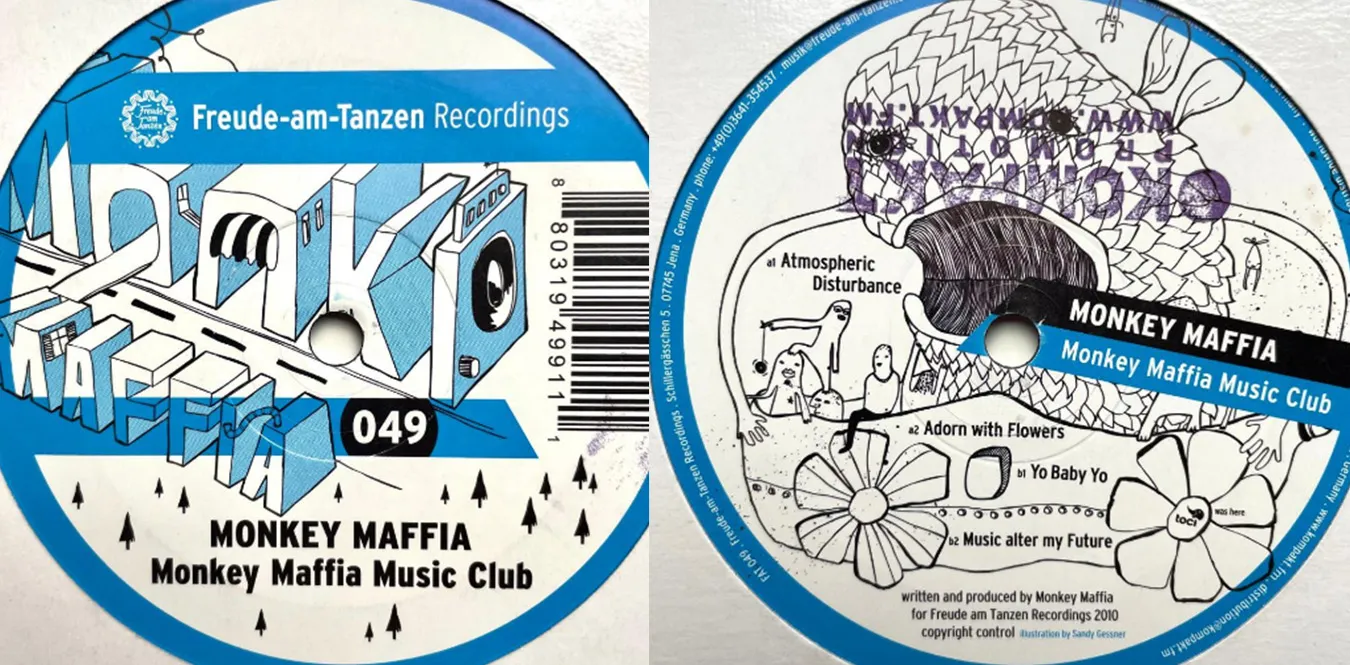
Monkey Maffia – Monkey Maffia Music Club
Sören Bodner, also known as Monkey Maffia, was a central figure in the German producer and label Freude Am Tanzen (FAT) and the owner of the record shop Fatplastics. (Death...
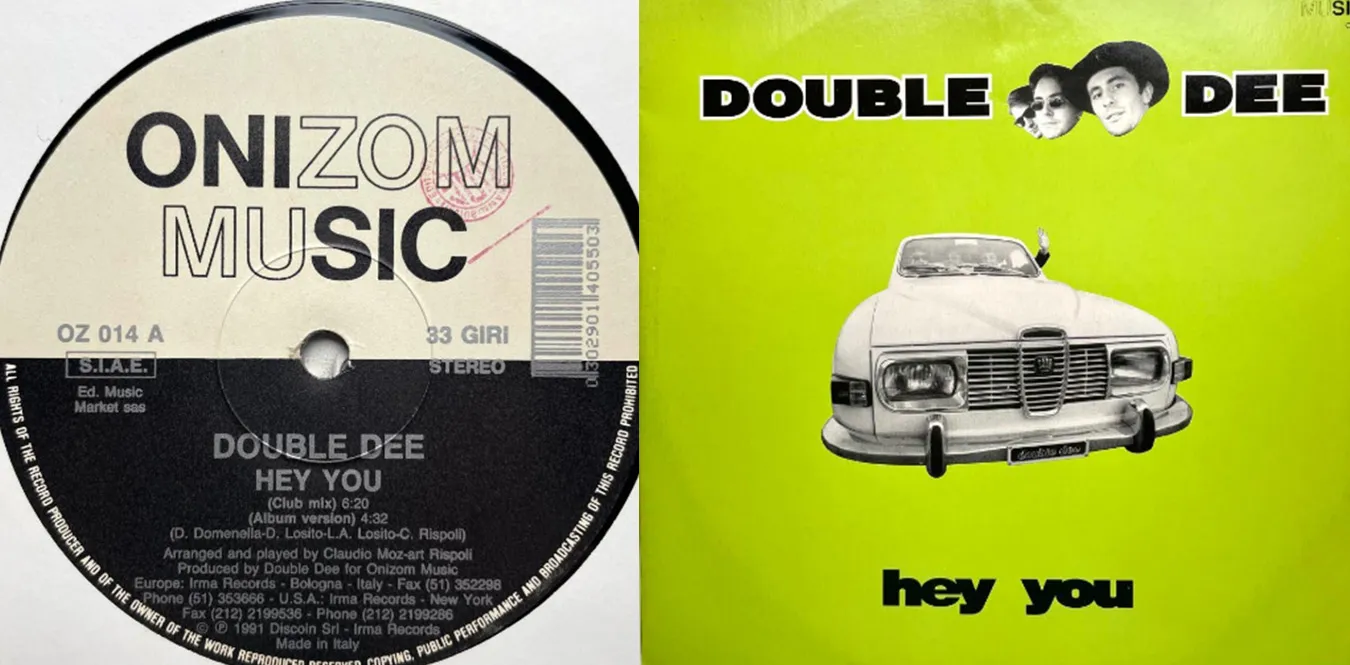
Double Dee – Hey You
Double Dee is a project of Italian producers/DJs: Claudio “Moz-Art” Rispoli, Davide Domenella, and Donato Losito.
Decomposed Subsonic – Different View
Decomposed Subsonic – Different View
DJ F.E.X – Numbers And Letters
Farid Boudinar, also known as DJ F.E.X, is an Electro/House/Techno producer/DJ from Paris, France. He has released on many prestigious labels such as Systematic, Dessous, Pokerflat, and Safari numerique.
Mac Zimms – Ancient Myth
Willem Jelle Faber, also known as Mac Zimms, is a Dutch DJ/producer who has been active since the late 1980s. Active in the trance, hard trance, and tech trance scenes,...
Jori Hulkkonen – The Spirits
Jori Hulkkonen is a Finnish DJ/house producer who has been active since the early 1990s. He has collaborated with versatile artists such as John Foxx, Jose Gonzales, Jesper Dahlbäck (as...
![[a]pendics.shuffle – Eloquent Milk EP](/../assets/images/a pendics.shuffle – Eloquent Milk EP.webp)
[a]pendics.shuffle – Eloquent Milk EP
[a]pendics.shuffle is the alias used by Kenneth James Gibson, known as Dubloner, Bal Cath, and as a member of Bell Gardens, Furry Things, and Bell Gardens, to produce Minimal House,...
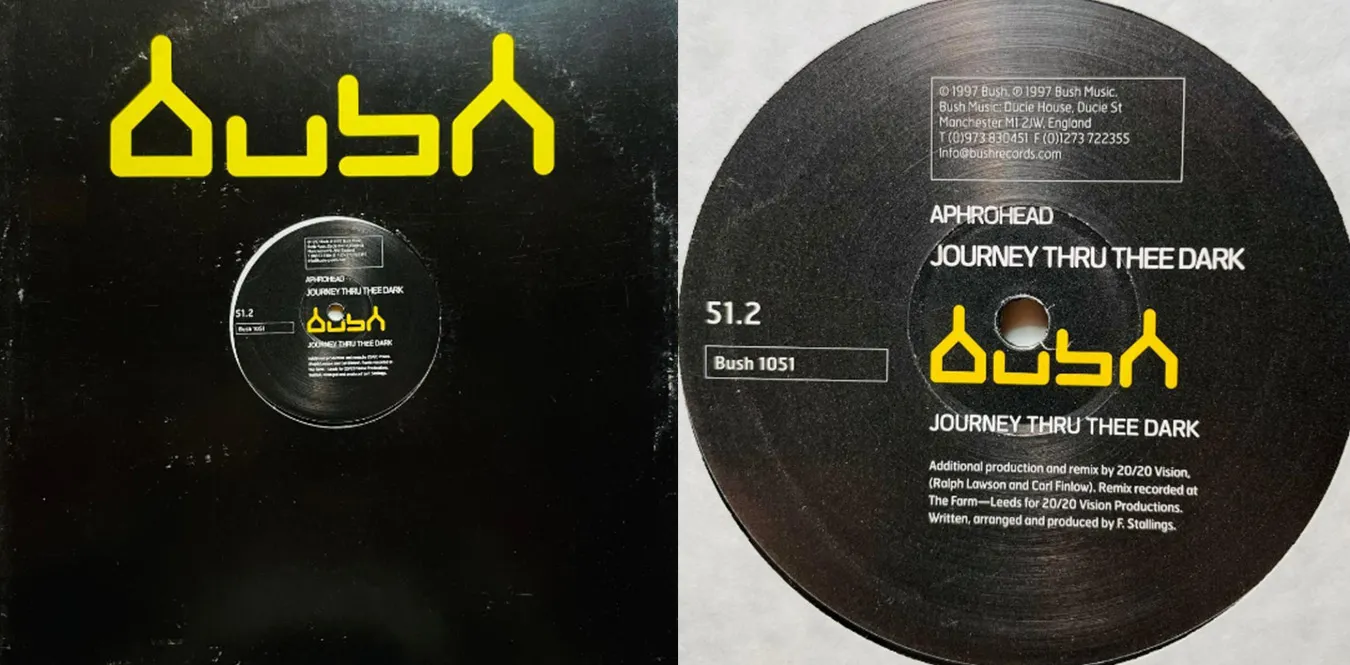
Aphrohead – Journey Thru Thee Dark
Felix Stallings, also known as Aphrohead, is an American DJ and producer.
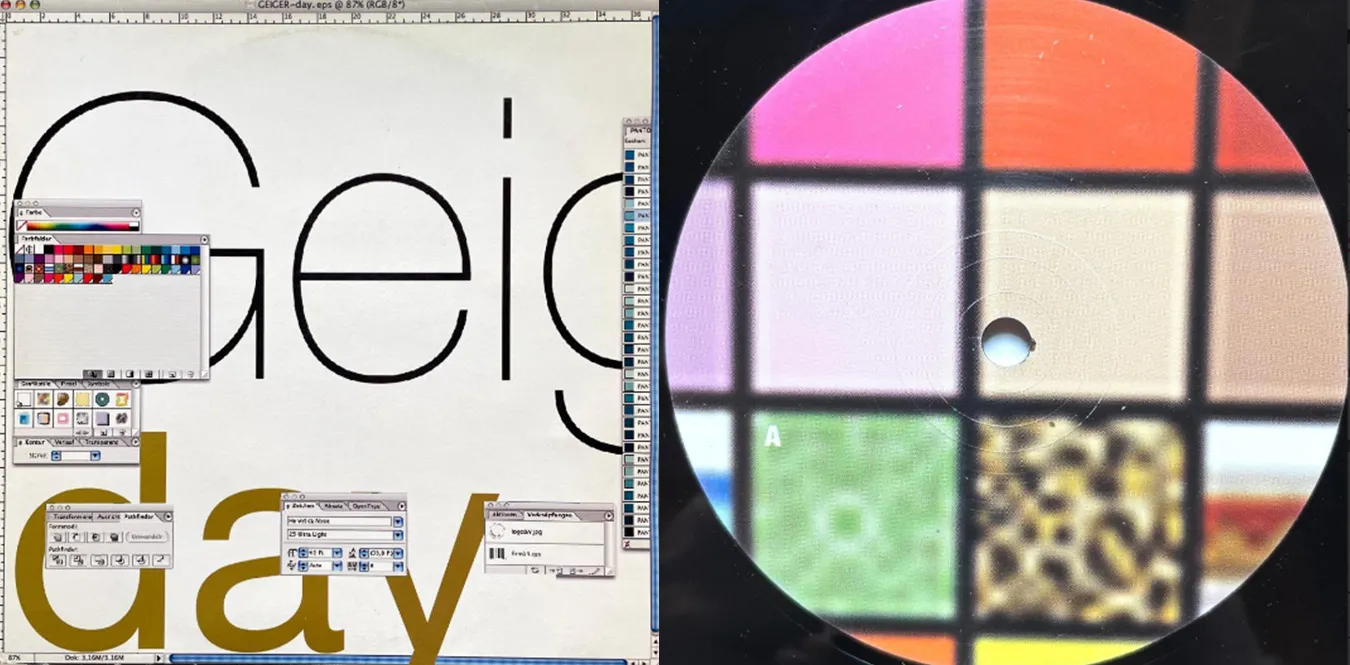
Geiger – Day
A Downtempo/Tech House track released by Geiger (Alexander P.J. Geiger) on the Cologne, Germany label Firm in 2006. Geiger also operated under the name Fahrland, Nass.
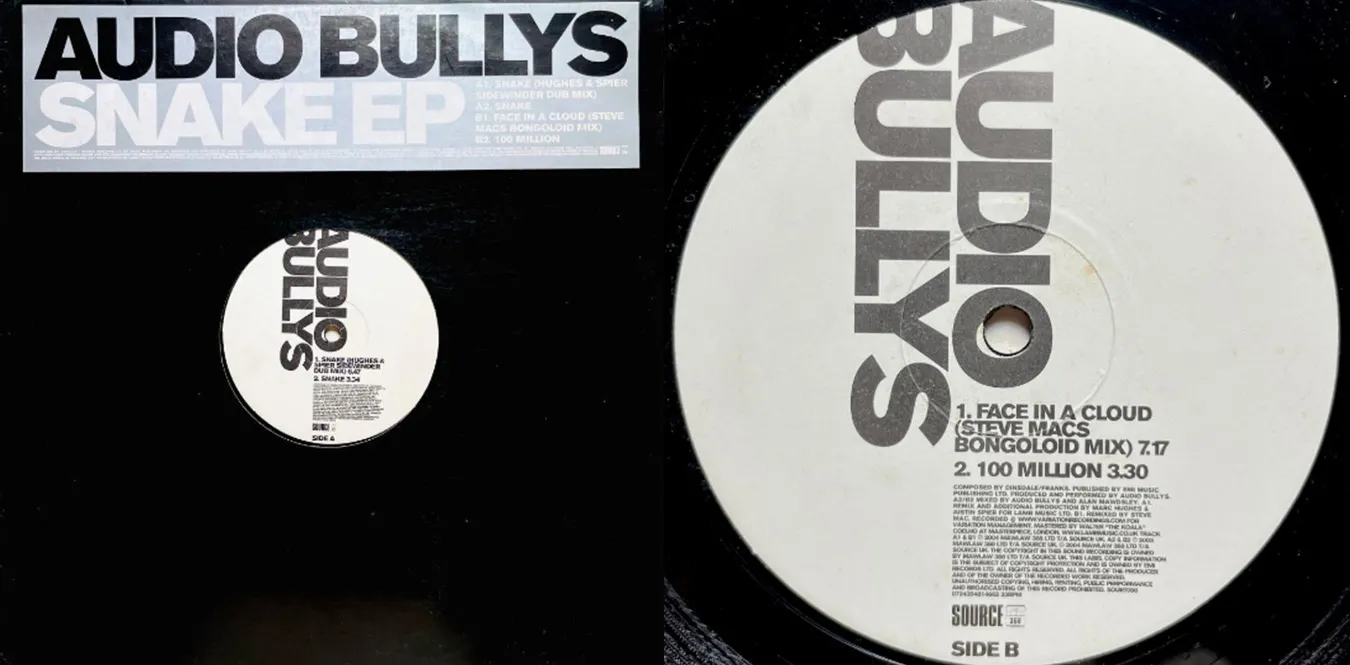
Audio Bullys – Snake EP
Audio Bullys are an electronic music duo known for “Shot You Down” (2005). Original members were Simon Franks and Tom Dinsdale.
![[Column] Modern Soul / Contemporary Funk](/../assets/images/column-modern-soul-contemporary-funk.webp)
[Column] Modern Soul / Contemporary Funk
Introduction