
序章:メタルの轟音から生まれた政治的感性
文:mmr|テーマ:ヘヴィメタルを愛する政治家——高市早苗。その音楽的感性は、どのように彼女の言葉・政策・思想に鋼鉄の響きを与えてきたのか
高市早苗氏は、「保守」「強硬」「戦う女性」として語られることが多い。しかし、その根底には、若き日に聴き込んだヘヴィメタルの衝撃がある。メタルは情念と構築の音楽であり、秩序の中に激情を封じ込める芸術だ。学生時代に組んでいたバンドでは、ブラック・サバス(Black Sabbath)やディープ・パープル(Deep Purple)などの曲を演奏し、ジューダス・プリースト(Judas Priest)などのバンドも好んで聴いており、その感性は、彼女の政治的言葉や文化観の“音響的骨格”を形づくっている。
第一章:メタルという精神の装置
メタルは激情の芸術であると同時に、秩序と構築の芸術でもある。強烈な感情を数理的構成で制御するそのスタイルは、高市氏の政治的発言スタイルと通底している。
| メタルの構造 | 高市政治の構造 |
|---|---|
| 轟音(情熱・怒り) | 国家・文化防衛への情念 |
| リフ(反復) | 政策スローガンの反復構文 |
| Solo (development) | Improvisational emphasis during speech |
| ブレイク(沈黙) | 間の取り方・呼吸のコントロール |
Just as metal is “an art that turns chaos into order,” Takaichi’s speech resonates as music of words that syntaxizes passion.
第二章:声の構築——メタリック・ヴォイスの政治学
政治家にとって「声」は思想を具現化する楽器だ。高市氏の発声は、女性政治家の中でも特に低く、安定している。音響的には中低音域(約170〜180Hz)を基調に、ピッチ変動が少なく、メタル・ヴォーカルにおける“鋼の制御”を思わせる。
「声は、感情を暴れさせずに響かせる技術。」この言葉に象徴されるように、彼女は“鉄の構造体”としての政治を生きている。
第三章:メタル的世界観と国家観
メタルは神話・戦争・宗教・死といった極限の主題を扱う。それは現実の政治における「国防」「文化防衛」「表現の自由」など、人間社会の根本問題と響き合うテーマである。
Mr. Takaichi’s emphasis on ““cultural independence,” ““technological sovereignty,” and ““national independence” sounds like an ““ordered rebellion” played by metal. Her view of the nation is not just a conservative defense, but a constructive ideology that aims to establish a spiritual identity.
第四章:メタルと保守思想——秩序の中の激情
保守思想とメタルは、一見相反するように見える。しかし両者の共通点は、「秩序を壊すための秩序」「強さの中の美学」である。
Like Judas Priest, music that confines explosive passion within an orderly rhythm. This is exactly like Mr. Takaichi’s political stance. Although the logical structure is cold, there is an intense “combustion” behind it.
「冷たい構築の中にこそ、真の熱がある。」この言葉は、メタルと政治の両方に通じる。高市早苗という人物を通して、私たちは“音のように生きる政治”を再考することができるのだ。
Chapter 5: Cultural Policy and Metal Ethics
As Minister of Internal Affairs and Communications, Mr. Takaichi was in charge of broadcasting, communications, and copyright policy for a long time. Consistent among them was the awareness of ““protecting the rights of creators” and ““cultural sovereignty.”
メタルの世界では、レーベルに頼らず自分たちの音を守るDIY精神がある。彼女の政策もまた、「国家として自前の文化インフラを持つ」という哲学に基づいていた。音楽業界においても、配信・著作権・AI生成の時代に、この“自立と保護”の視点はきわめて現代的だ。
Chapter 6: Women and Metal——Elegance of Iron
Female vocalists in metal have used their voices as weapons to open up new worldviews (for example, Arch Enemy’s Angela Gossow). Takaichi has also attracted attention as a woman who uses her voice strategically in politics.
彼女の「強さ」は攻撃ではなく、冷静な制御による強度である。メタルにおける“鋼の優雅さ”を具現化する政治家といえる。その意味で高市早苗は、“国家というバンドにおけるリードヴォーカル”なのかもしれない。
第七章:メタル構造としての政治
彼女の演説構造は、まるでメタルの楽曲構成のようだ。
Within this structure, Mr. Takaichi plays with ““intellect that controls passion.’’
終章:ノイズを恐れない政治へ
Just as metal has evolved by accepting noise, mature politics also becomes stronger when it embraces “unusual sounds.” The existence of Sanae Takaichi symbolizes the “acceptance of noise” in Japanese politics. The noise doesn’t sound like chaos, but creative distortion.
"”New sounds can only be born from silence.’’ This phrase applies to both metal and politics. Through the person of Sanae Takaichi, we can reconsider “politics that lives like sound.”
YouTube Podcast
*This podcast is in English, but you can watch it with automatic subtitles and translation.
Chronology: Sanae Takaichi and the history of metal resonance (1980–2025)
Illustration: Sanae Takaichi’s “metal structure” correlation diagram
参考文献・引用
Black Sabbath、Deep Purple、Judas Priest おすすめアルバム
| バンド | アルバム | 発売年 | 特徴・聴きどころ |
|---|---|---|---|
| Black Sabbath | Black Sabbath(黒い安息日) | 1970 | 世界初のヘヴィメタル誕生とされる作品。ブルースの暗黒化、教会の鐘のSEが象徴的。 |
| Paranoid(パラノイド) | 1970 | メタルの原型を確立した名盤。スピード、社会性、重厚さが共存。 | |
| Master of Reality | 1971 | ドロップDチューニングによる重低音の進化。ドゥームメタルの祖。 | |
| Deep Purple | Deep Purple in Rock | 1970 | ハードロックの礎を築いた名作。クラシック的構成美と爆発力の融合。 |
| Fireball | 1971 | More aggressive and experimental. It has a strong tempo change and blues feel. | |
| Machine Head | 1972 | ロック史に残る完成度。リフとグルーヴの黄金比。 | |
| Judas Priest | Sad Wings of Destiny(運命の翼) | 1976 | 哀愁と叙情のメタル美学が確立。ツインリードの原型。 |
| Sin After Sin | 1977 | メジャーデビュー作。ロジャー・グローヴァー(Deep Purple)プロデュース。ドラマチックな展開。 | |
| Stained Class | 1978 | The beginnings of speed metal. Precise and cold sound image. |
Explore more like this
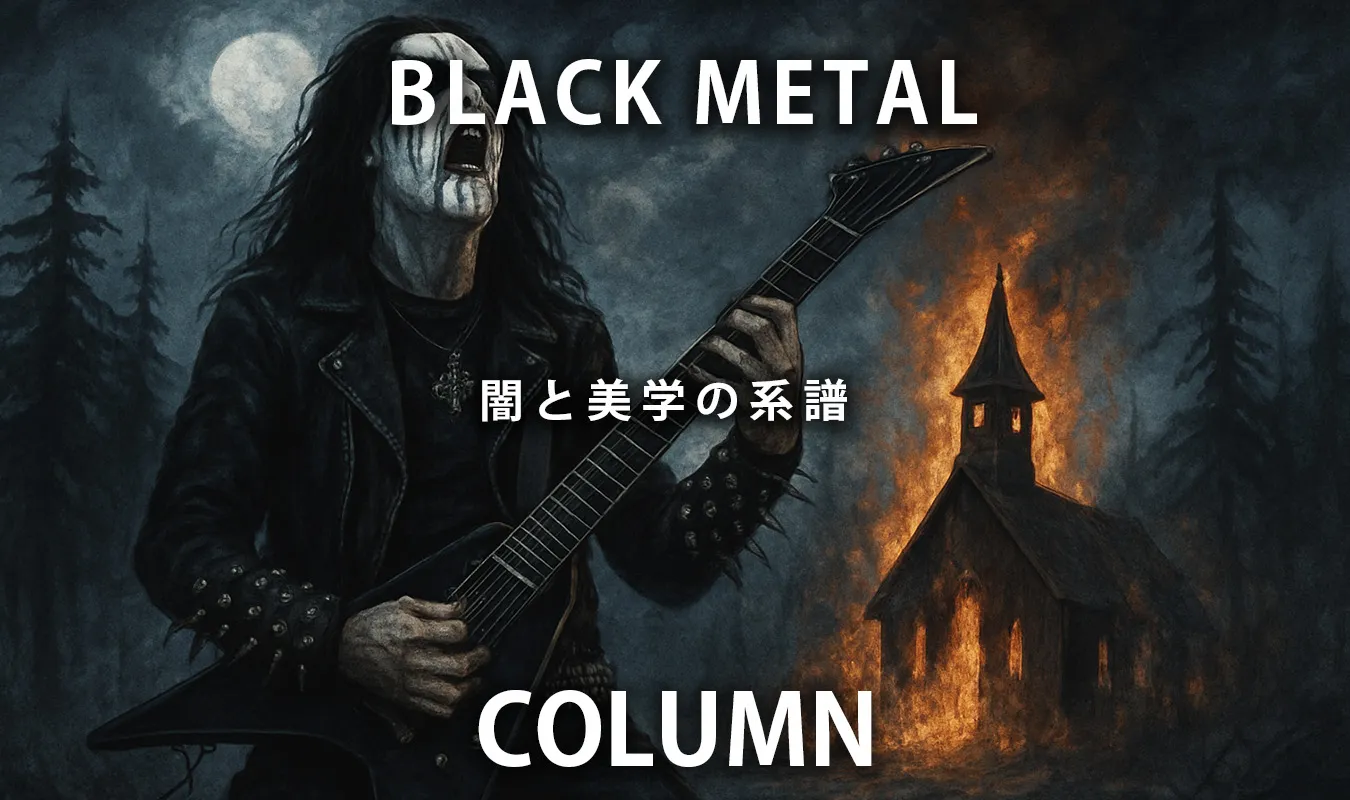
【コラム】 Black Metal:闇と美学の系譜
ブラックメタル —— 暗黒音楽の進化史
![[Column] RE/Search: Magazines that record subcultures and their cultural influence](/../assets/images/column-research.webp)
[Column] RE/Search: Magazines that record subcultures and their cultural influence
V. Vale and RE/Search: Subculture Explorer
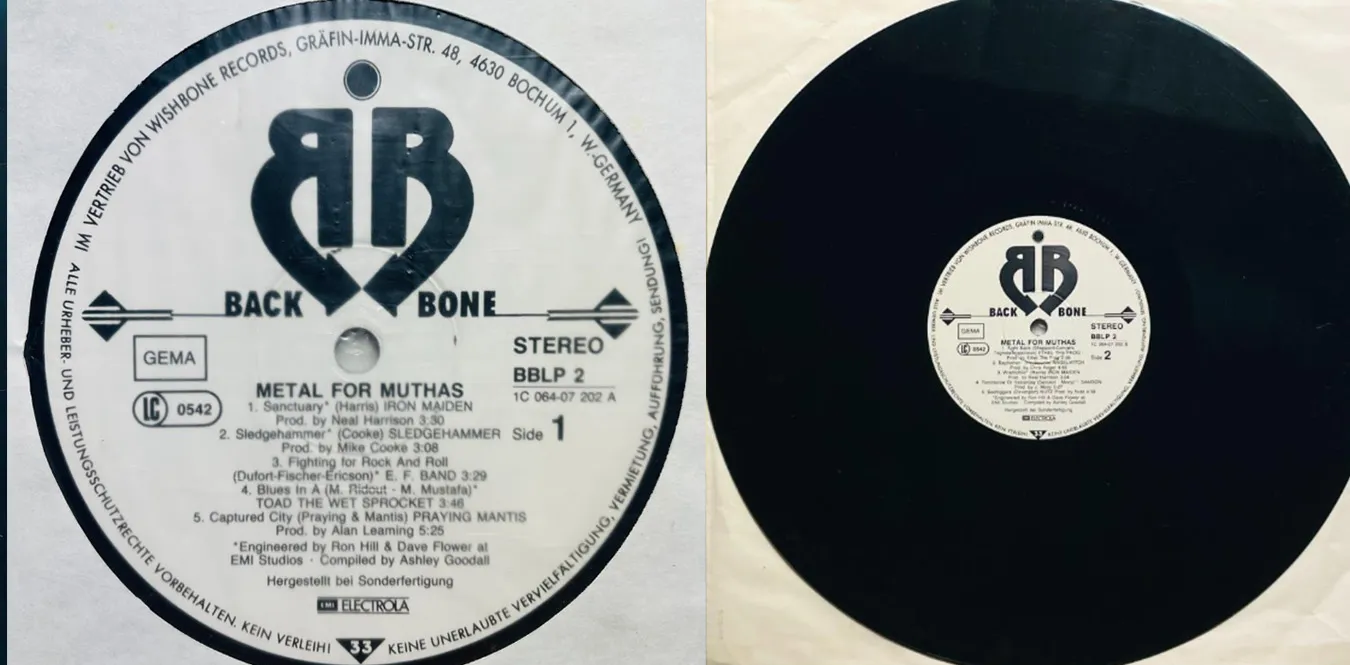
Various – Metal For Muthas
【収録アーティスト】 Iron Maiden, Sledgehammer, E.F. Band, Toad the Wet Sprocket, Aether the Frog, Angel Witch, Samson, Nuds