[Column] RZA: A complete history of creation and philosophy from the minds of the Wu-Tang Clan
Column en 80s 90s Cinematic Hiphop Wu-Tang![[Column] RZA: A complete history of creation and philosophy from the minds of the Wu-Tang Clan](/../assets/images/column-rza.webp)
1. Childhood and musical environment
Text: mmr|Theme: RZA Film music, production philosophy, and later activities
Robert Fitzgerald Diggs (RZA) was born on July 5, 1969 in Stony Brook, New York. He became familiar with music from an early age, and was exposed to soul, funk, and early hip-hop through the influence of his brother. In particular, the underground club culture of New York in the late 1970s and early 1980s had a major influence on the later Wu-Tang Clan sound.
RZA studied music theory on his own and was interested in sampling and rhythm construction, while at the same time absorbing his own ideas from kung fu movies and philosophy books. What he learned at this stage became the foundation for his later production style and musical philosophy.
2. Formation and early works of Wu-Tang Clan
In 1992, RZA formed Wu-Tang Clan with GZA, Ol’ Dirty Bastard, Method Man, Raekwon, Ghostface Killah, Inspectah Deck, U-God, and Masta Killa. As the group’s “brain”, RZA oversees the production of all members’ solo works and joint albums.
In 1993, their debut album Enter the Wu-Tang (36 Chambers) was released. The fusion of rough sounds and cinematic and philosophical elements demonstrated one of the most innovative innovations in Hip-Hop history.
RZA used EPS-16+, SP-1200, and MPC60 as initial production environments. He established a sound that combines roughness and warmth.
3. Solo activities and production methods
From 1994 to 1997, RZA oversaw the members’ solo work. Representative works and distinctive tracks are as follows:
-
GZA – “Liquid Swords” (1995)
- “Duel of the Iron Fist”: Dark SP-1200 sample mixed with sword sound effects
-
“Liquid Swords”: Quoting lines from Kung-Fu movies, characterized by Zen-like pauses
-
Raekwon – “Only Built 4 Cuban Linx…” (1995)
- “C.R.E.A.M.”: Looped 80s Soul samples and reconstructed the rhythm with MPC
-
“Ice Cream”: Contrast of sweetness and roughness, RZA”s unique sampling method
-
Ol” Dirty Bastard – “Return to the 36 Chambers” (1995)
- “Brooklyn Zoo”: Rough vocals, coarse beats, and RZA”s editing skills shine
-
“Shimmy Shimmy Ya”: A simple drum pattern layered with debris samples to embody the aesthetic of chaos.
-
Ghostface Killah – “Ironman” (1996)
- “All That I Got Is You”: Soulful string sample, deep emotional expression
- “Iron Maiden”: Heavy drums, sharp hi-hat, RZA”s philosophical structure is revealed.
Through this process, each album acquires a unique sound image while maintaining a sense of unity. RZA practiced the coexistence of roughness and precision, and the construction of narrative through sample reconstruction.
4. Bobby Digital name and experimental solo works
In 1999, RZA released experimental solo work under the name Bobby Digital.
-
"”Bobby Digital in Stereo’’ (1998)
- Song “Puzzled”: combines futuristic synths with rough-hewn drums
- Song “Love Jones”: Skillfully processed jazz sample
-
“Digital Bullet” (2001)
- Song “Keep It Movin””: Beat composition incorporating movie music style
- Song “Glocko Pop”: Experimental texture with rough sampling and loop rhythm
In these works, RZA pursues sound design that goes beyond the framework of traditional hip-hop.
5. Foray into film music
After 1999, RZA began his career as a film composer. Representative works include:
-
Ghost Dog: The Way of the Samurai (1999)
- Fusion of Japanese samurai culture with hip-hop
- Song “Bird”s Theme”: A simple drum pattern with shakuhachi and koto samples
-
RZA strengthens storytelling through music, emphasizing the unity of image and sound
-
"”Kill Bill Vol.1 / Vol.2’’ (2003/2004)
- At Quentin Tarantino’s request, music enhances fight and chase scenes in the film.
- Arranging and reconstructing existing songs such as “Battle Without Honor or Humanity”
-
Applying RZA’s own production philosophy reconstruction of fragment samples and spacing
-
"”The Man with the Iron Fists’’ (2012)
- Directed, scripted, and composed the music himself
- Collaborate with Wu-Tang Clan members and build beats for action scenes
- Create a unique musical world by combining sampling, orchestral sound sources, and analog equipment
Even in film music, RZA maintained the philosophy of sampling while designing music in line with the narrative of the video.
6. Deepening of production philosophy
RZA has a unique method of music production that incorporates philosophical, ideological, and cultural elements into each song.
In each album and film score, the beat structure, sampling selection, and song order reflect philosophical intentions.
7. Wu-Tang Clan internal and external networks
RZA actively collaborates not only with other members, but also with outside artists and film directors.
- Pursuing hip-hop experimentation in collaboration with Gravediggaz and Prince Paul
- Influence on Kanye West and other modern producers
- Developing film music in collaboration with film directors
8. Evolution of equipment and production methods
RZA has evolved his production environment and expanded his musical expression in response to the times.
- 90s: Rough and warm analog
- 2000s: DAW introduced, compatible with complex arrangements and film music
- 2010s and beyond: Integration of old and new technologies through the fusion of sampler and analog
9. Genre influence and innovation
RZA’s music revolutionized the Hip-Hop genre, fused it with film music, and created a new sampling culture.
- Dark and harsh sound
- Influence of Asian movies and Zen philosophy
- Cultural expansion through co-production networks
10. Chronology/historical organization (text + flowchart)
Throughout his career, RZA has developed a multifaceted career spanning album production, solo activities, film music, education and book writing.
11. Summary
RZA is not just a producer, but also a thinker, cultural promoter, and film composer.
- Creativity: The fusion of sampling, reconstruction, and musical philosophy
- Ideology: Reflecting Zen, Kung Fu, and social criticism in music
- Community formation: Network inside and outside Wu-Tang Clan
- Media Development: Music, movies, books, educational activities
This holistic approach makes RZA a universally influential figure in modern music history.
Explore more like this
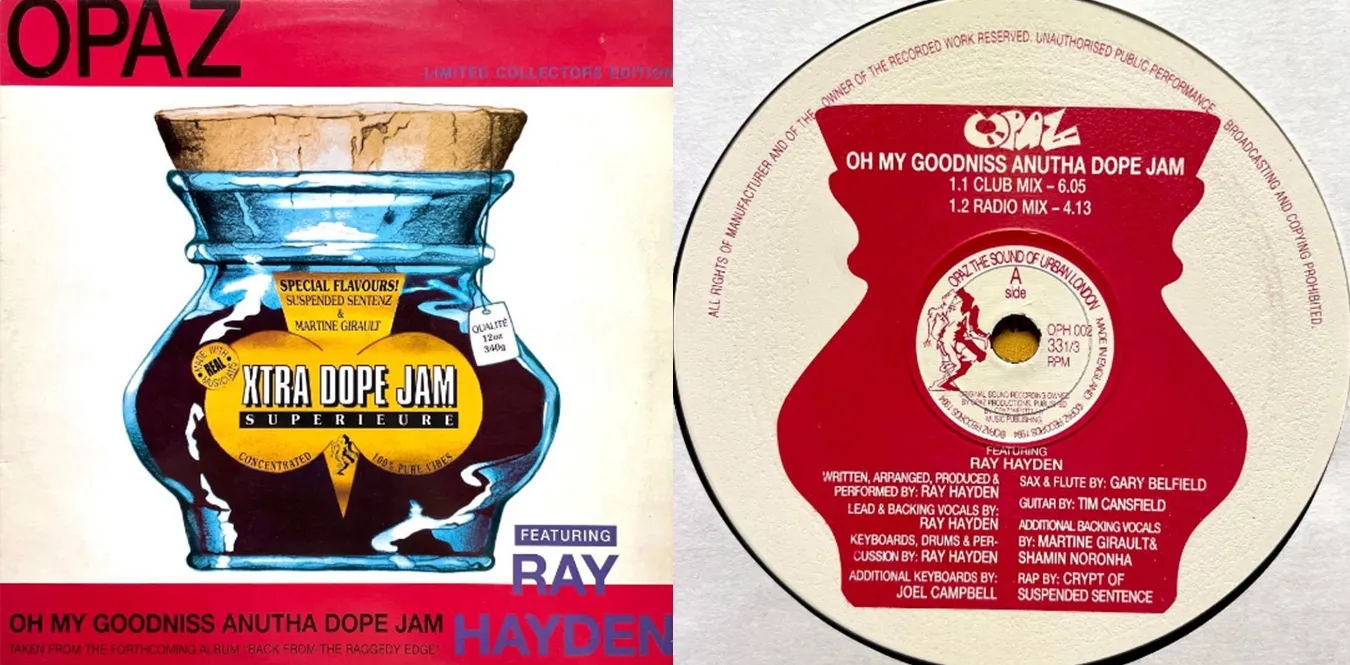
Opaz – Oh My Goodniss Anutha Dope Jam
Ray Hayden, aka Opaz, is a London-based producer and vocalist who runs Opaz Records, which specializes in acid jazz and world music.
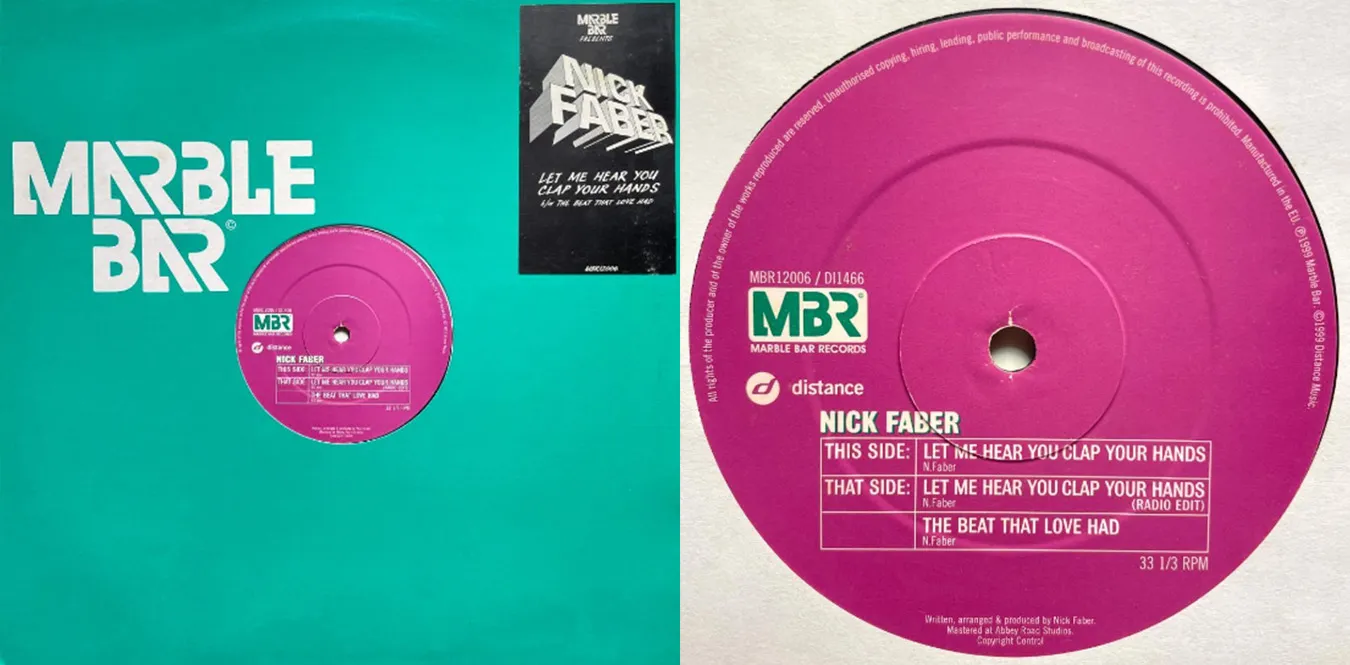
Nick Faber – Let Me Hear You Clap Your Hands
Nick Faber is a producer/musician based in London.
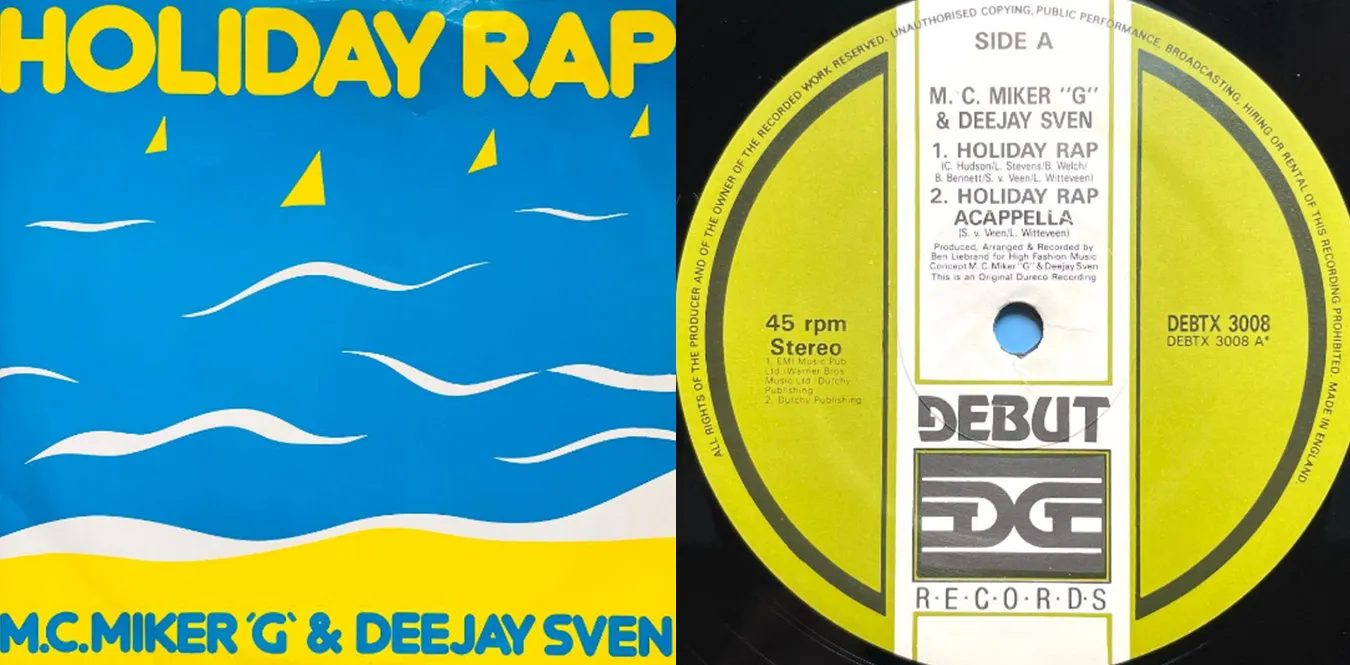
M. C. Miker 'G' & Deejay Sven – Holiday Rap
MC Miker G and DJ Sven are a hip-hop duo from the Netherlands.
![[Column] Lo-Fi Hip Hop / Chillhop (home-recorded beat culture)](/../assets/images/column-lo-fi-hip-hop-chillhop.webp)
[Column] Lo-Fi Hip Hop / Chillhop (home-recorded beat culture)
1. Concept definition and name arrangement

8-Off – Alize For Dolo
Angel Aguilar, also known as 8-Off, is a hip-hop MC/producer based in New York. He has released under various names including Agallah, Angel Aguilar, Brad Piff, and The Don Bishop....
![[Column] Brenda Fassie — The township diva: A journey of glory and struggle](/../assets/images/column-brenda-fassie.webp)
![[Column] Complete history of French hip-hop: from NTM to the present day](/../assets/images/column-french-hiphop.webp)
[Column] Complete history of French hip-hop: from NTM to the present day
Complete history of French hip hop
![[Column] Human Beatbox World history and Japanese players - Technological evolution, tournament culture, trends in each country](/../assets/images/column-human-beat-box.webp)
[Column] Human Beatbox World history and Japanese players - Technological evolution, tournament culture, trends in each country
Human Beatbox World history and tournament culture - technology, trends, and player history
![[Column] DMC World DJ Championship: The trajectory of turntablism becoming a global culture](/../assets/images/column-dmc-world-dj-championship.webp)
[Column] DMC World DJ Championship: The trajectory of turntablism becoming a global culture
DMC World DJ Championship——World history of turntablism
![[Column] Company Flow: The horizon of alternative hip-hop opened up by the DIY spirit](/../assets/images/column-company-flow.webp)
[Column] Company Flow: The horizon of alternative hip-hop opened up by the DIY spirit
Introduction——The existence that broke the “limitations of indie”
![[Column] History and transformation of alternative rock: 1980–2020](/../assets/images/column-alternative-rock.webp)