[Column] Roots Reggae vs Dancehall ─ Two souls of reggae born of a generational change
Column en Dancehall Dub Jamaica Reggae Soundsystem![[Column] Roots Reggae vs Dancehall ─ Two souls of reggae born of a generational change](/../assets/images/column-roots-reggae-dancehall.webp)
Prologue Completely different voices born from the same island
Text: mmr|Theme: Organizing roots reggae and dancehall from the perspective of generational change, and depicting the continuity of reggae culture that continues to the present day.
The history of Jamaican music becomes clearer when read as a change of generations rather than an evolution of genres. Roots reggae and dancehall were not competing values, but musical languages chosen by young people who lived in different eras to respond to their own realities.
Roots reggae, which came of age in the 1970s when post-independence ideals were still communal, placed social messages and spirituality at the heart of its music. As exemplified by Bob Marley and Burning Spear, songs transcended the individual and functioned as a collective voice.
Since the 1980s, the dancehall generation, who grew up in an urban environment where economic instability and violence have become commonplace, values immediate results over ideals and instantaneousness over permanence. Figures like Shabba Ranks exemplified the shift in music to a place where it was directly linked to survival.
The two genres are mirrors of how different generations lived in the same society.
Chapter 1 Social background and expression of the roots reggae generation
In Jamaica during the 1960s and 1970s, when the roots-reggae generation grew up, politics and culture were closely intertwined. Before music was entertainment, it was education and a device for sharing ideas. The reason why Bob Marley’s songs were accepted across national borders was because, more than just the melody, there was a universal theme of oppression and liberation.
Artists like Burning Spear and Culture inscribed history and memory into songs, expanding personal history into collective history. The rhythm was slow, heavy, and repetitive, creating a structure that gave the listener time to think.
What is important about roots reggae is that before the artists are stars, they are storytellers. Music was not a means of self-expression, but a medium to preserve the beliefs of a generation.
Roots reggae is the record of the last generation that shared its ideals.
Chapter 2 The invention of dub and changes in the view of music
Dub was born from within the roots reggae generation, but its thinking became a bridge to the next generation. The mixing methods of King Tubby and Lee Perry presented a perspective that viewed music as a variable structure rather than a finished product.
Dub’s sense of subtracting sound and emphasizing space is directly connected to later dancehall and digital production. What is important here is that the process has begun to be valued more than the authorship.
Dub transformed reggae from an ideology-based music to a structure-based music.
Chapter 3: Sound system culture, a generation renewal device
The sound system was a place for music to be played, and at the same time, it was a device for changing the protagonists between generations. This culture, which allowed even young people without a studio or musical instrument to participate as selectors or MCs, temporarily dismantled hierarchical structures.
At the Sound Clash scene, the audience’s reaction was everything. The improvisational nature and competitive spirit developed here will form the values of the dancehall generation.
The sound system was a place where generations could reclaim music.
Chapter 4 Digitalization and the rise of the dancehall generation
In the mid-1980s, the conditions for music production changed completely with the spread of digital riddim. The environment in which music could be produced by a small number of people, in a short period of time, and at low cost gave a decisive freedom to the younger generation.
Dancehall artists such as Shabba Ranks value immediate reaction over long-term evaluation. Lyrics became everyday and direct, and music became completely connected to life.
Dancehall was a quick fix to survive uncertain times.
Chapter 5 Misunderstanding of the narrative of intergenerational conflict
Roots reggae and dancehall are often talked about in opposition, but many dancehall artists grew up listening to roots. There was no denial, just a transformation.
Spirituality has not disappeared, but has transformed into self-affirmation, survival strategy, and physical expression.
Conflict is an illusion; the reality is the history of successive generations.
Supplementary chapter Expansion of the history of reggae reception in Japan (from the 1990s)
In the 1990s, when reggae spread widely in Japan, a distinctive feature was that roots and dancehall were introduced at the same time. Imported record stores, clubs, and magazines editorially juxtaposed the two, making the generational conflict relative.
In the context of club culture, dancehall was consumed on the same level as hip-hop and techno, and was accepted as a music of physicality. On the other hand, outdoor festivals and record culture tended to emphasize the spirituality of roots reggae.
Record stores were not just sales centers, but knowledge centers. As the selector culture developed, a uniquely Japanese interpretation was formed.
Japan’s acceptance of reggae has matured as an editorial culture rather than a generational theory.
Chapter 6 Connection to modern times (2000s and later)
Since the 2000s, dancehall has become global and roots reggae has been reevaluated. The evolution of the digital environment has blurred the boundaries between generations.
Contemporary artists simultaneously reference the spirituality of roots and the immediacy of dancehall. This does not mean the end of the conflict, but rather the advancement of generational theory to the next stage.
Modern reggae is a multilayered culture that encompasses all generations.
Chronology
Final Chapter Even if generations change, reggae never ends
Roots reggae and dancehall are different answers given by different generations to the same reality. Renewal, not confrontation. This continuity has allowed the culture of reggae to survive to this day.
Reggae has always been transformed for the next generation.
Explore more like this
![[Column] Mr.Vegas──Dancehall ambassador who sings of tradition and innovation](/../assets/images/column-mr-vegas.webp)
[Column] Mr.Vegas──Dancehall ambassador who sings of tradition and innovation
Prologue: Carrying the rhythm of Kingston
【コラム】 ダンスホールとサウンドシステム——低音が世界を動かす
序章:低音から始まる革命
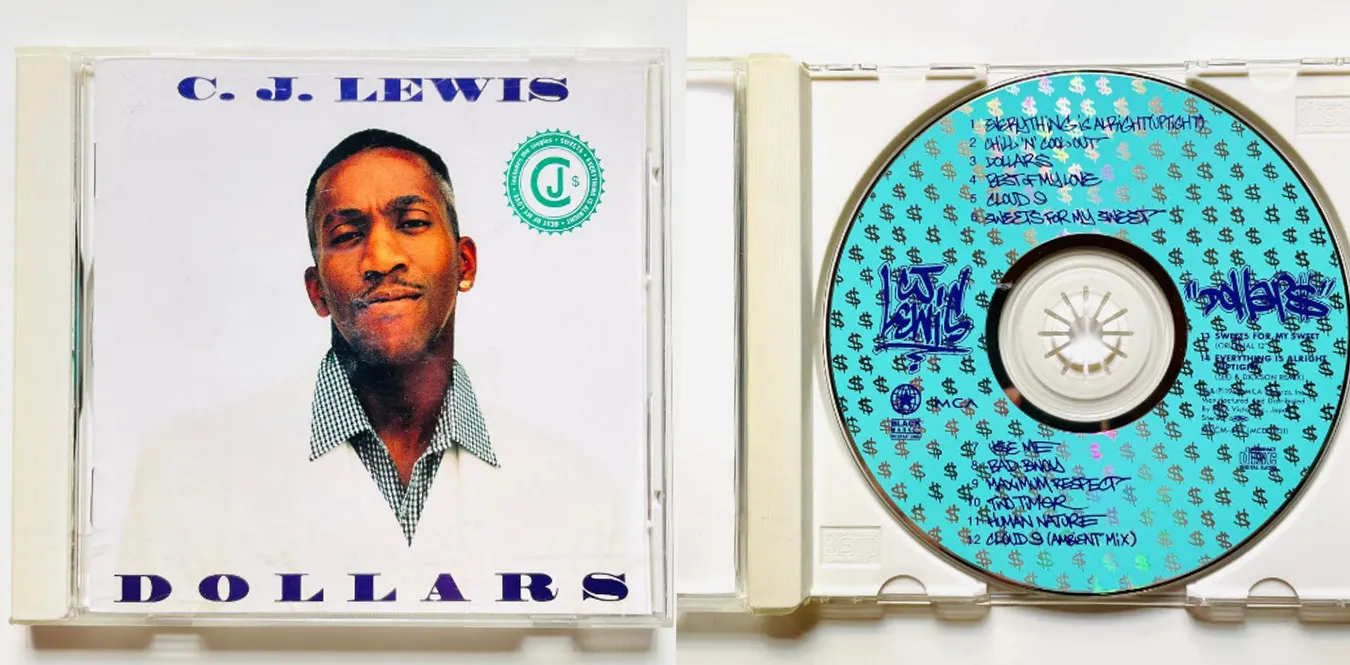
C.J. Lewis – Dollars
Japanese version of C.J. Lewis’s album “Dollars” released by MCA Records in 1994. Tracks 13 and 14 are bonus tracks only available on the Japanese version. Contains the hit songs...
C.J. Lewis – Dollars
1994年にMCA Records からリリースされたC.J. Lewisのアルバム 「Dollars」の日本盤。13&14曲目は日本盤のみのボーナストラック。ヒット曲「Sweets For My Sweet/スイーツフォーマイスウィート」「Everything Is Alright/エブリシングイズオーライ」収録。
![[Column] Reggae music and cassette culture: the relationship between sound and material media spreading from Jamaica to the world](/../assets/images/column-reggae-tape-cassette.webp)
[Column] Reggae music and cassette culture: the relationship between sound and material media spreading from Jamaica to the world
The connection between reggae and cassette culture
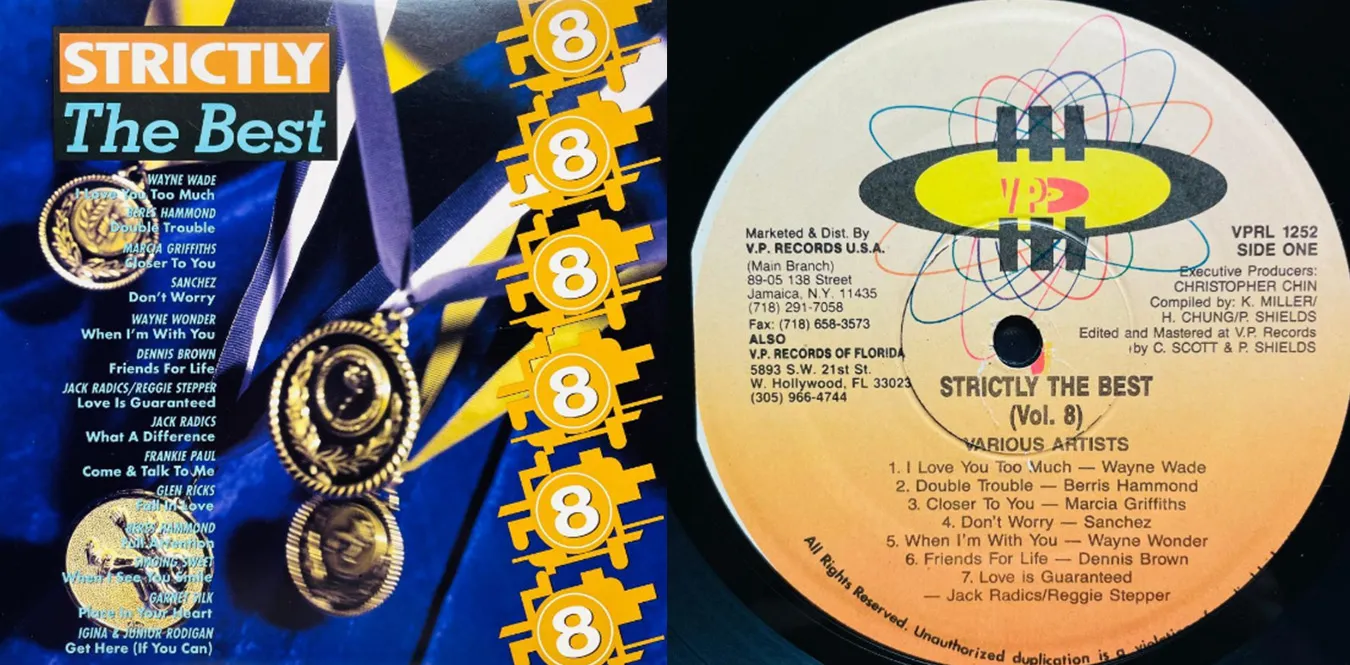
VA – Strictly The Best 8
A compilation album released in 1992 by VP Records, the world’s largest independent reggae label based in the United States.
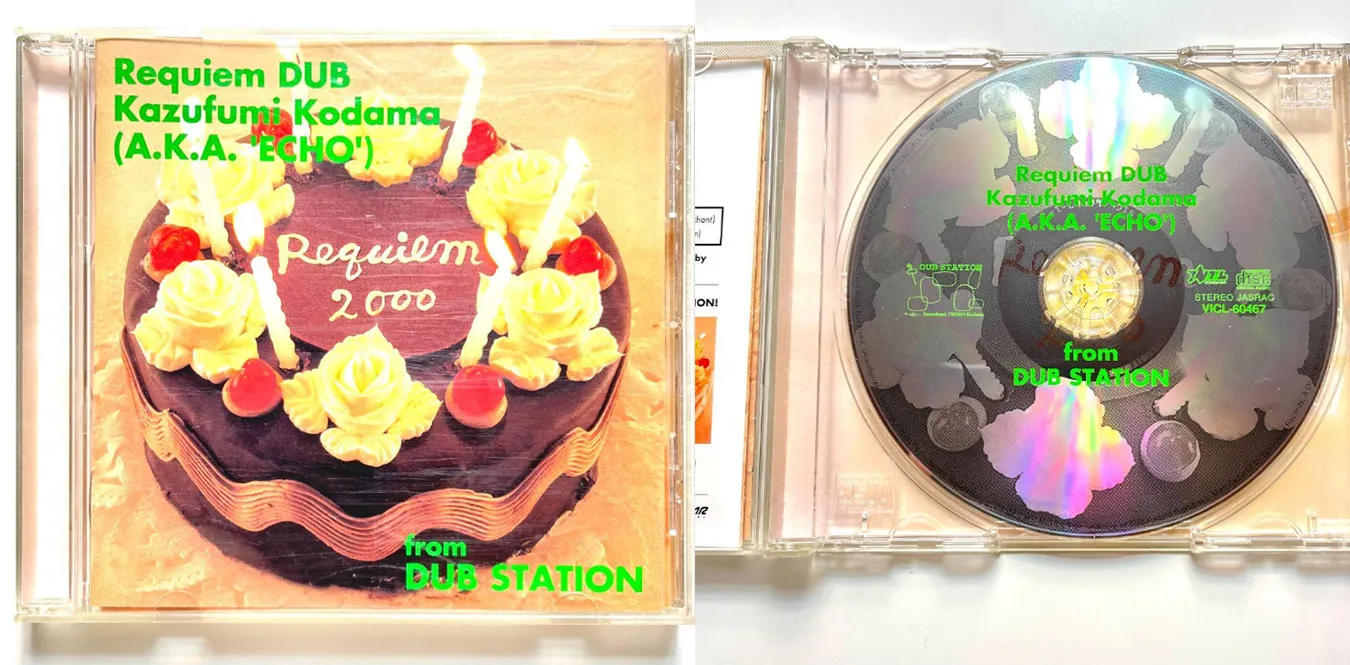
Kazufumi Kodama A.K.A. 'Echo' From Dub Station – Requiem Dub
Kazufumi Kodama is a trumpet player who is active in dub bands such as MUTE BEAT and KODAMA AND THE DUB STATION BAND. He has also produced many artists such...
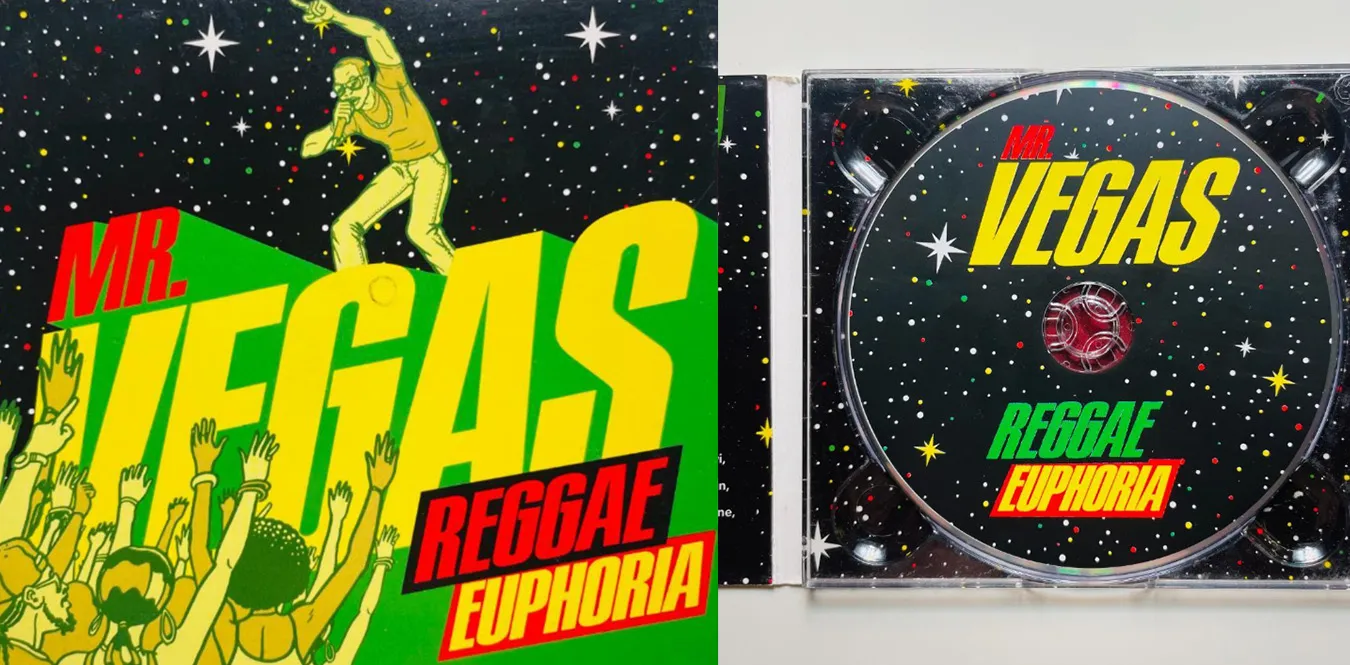
Mr. Vegas – Reggae Euphoria
The album “Reggae Euphoria” was released in 2014 from Mr.Vegas’ own label MV Music. It also includes reggae and dancehall classics, as well as remakes of famous songs from yesteryear....
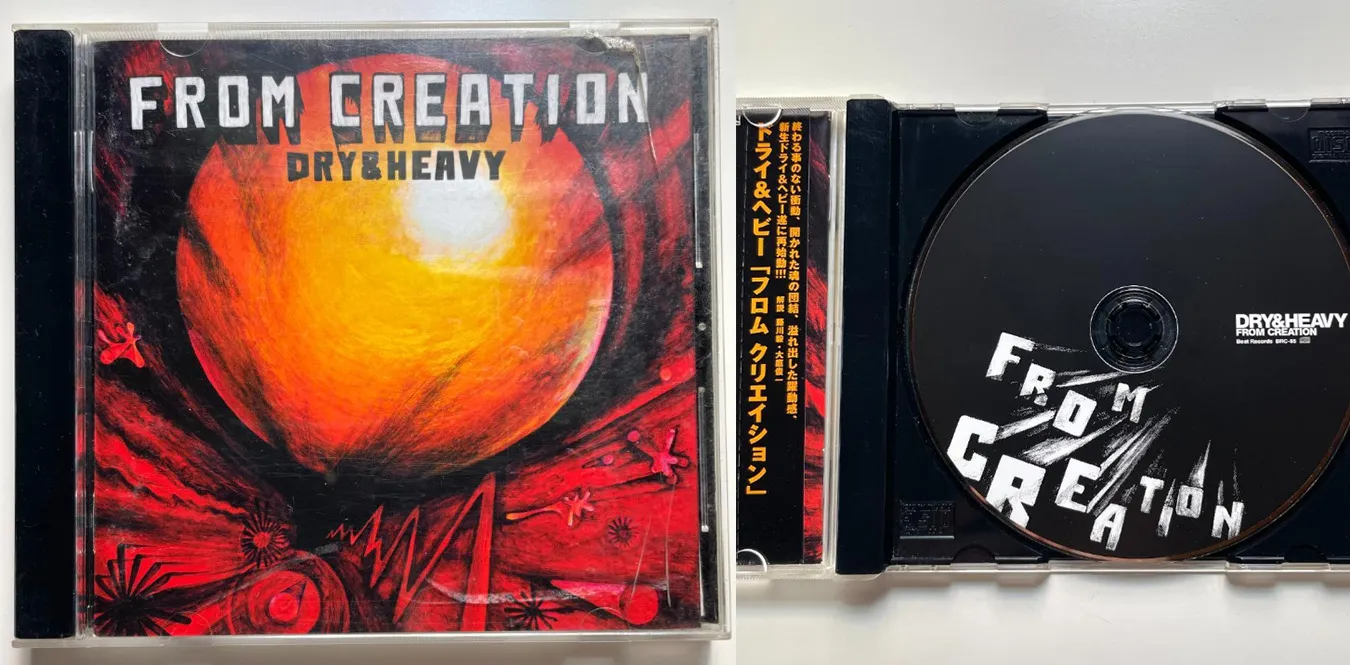
Dry & Heavy – From Creation
Dry&Heavy is a Japanese reggae dub band formed in 1991 by drummer Shigeki Nanao (Dry) and bassist Takeshi Akimoto (Heavy). Dry&Heavy’s sound is influenced by 1970s Jamaican dub sounds such...
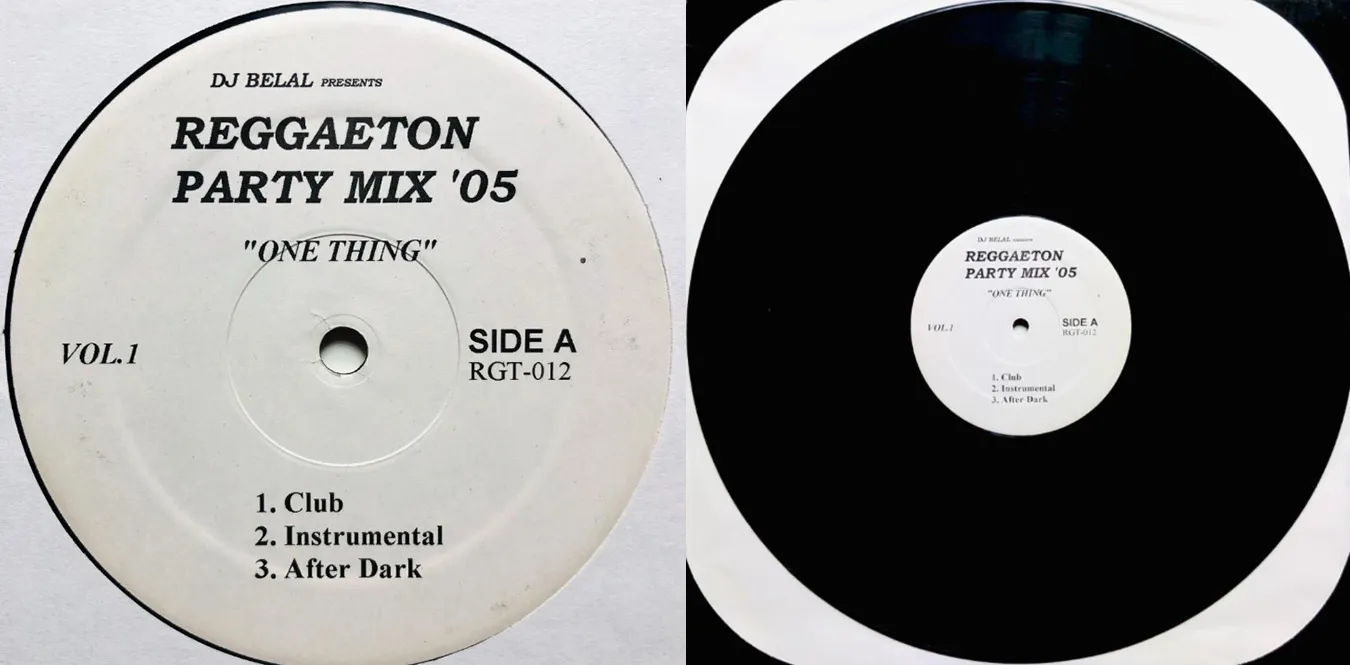
DJ Belal – Reggaeton Party Mix 05
Side A is a remix version of Amerie’s “1 Thing”. B-side is a remix version of 50 Cent - “Candy Shop”.
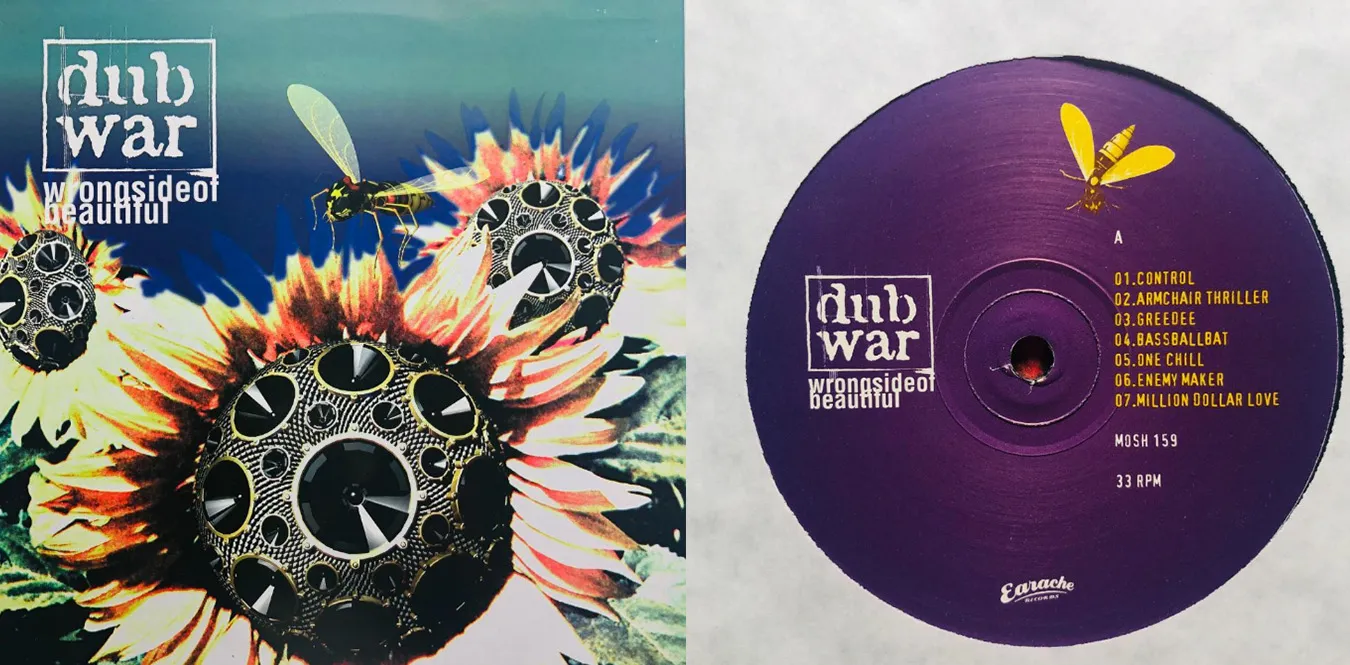
Dub War – Wrong Side Of Beautiful
Dub War is a mixture band active in the 1990s that mixes various music styles such as heavy metal, reggae, punk, and dub. The band”s unique style, which combines a...