[Column] Ricardo Villalobos × Luciano — A rhythmic journey where South America and Europe intersect
Column en House Minimal Techno![[Column] Ricardo Villalobos × Luciano — A rhythmic journey where South America and Europe intersect](/../assets/images/column-ricardo-villalobos-luciano.webp)
Introduction
Text: mmr|Theme: Tracing the individual paths of both parties, their encounters and collaborations, their musical achievements and influences, and their subsequent developments, using chronology, diagrams, and analysis.
In an old club covered in dust from Chile, there was a moment when the sound was reborn. Ricardo Villalobos returned to his native Chile with the techno sensibilities honed in Berlin, Germany, still holding onto the South American rhythms of his childhood. That same night, Luciano was exploring his music in the Chilean club scene. The two met - it wasn’t just a coincidence, it was almost inevitable.
Their music has the power to go beyond mere dance beats and fuse culture and the body, as well as time and space. This is one “story” that will remain in the club’s history.
Chapter 1: The path woven by music and origins
The trajectory of Villalobos
Ricardo Villalobos was born in 1970 in Santiago, Chile. His family moved to Germany when he was young, but the rhythms of South America remained with him. The sounds of congas and bongos would later be revived as subtle percussion in his tracks. In his early 20s, while working in the Berlin club scene, he was exposed to the cutting edge of minimal techno, and by fusing it with a Latin-derived rhythmic sensibility, he formed his own musical language.
His early EP works were characterized by an “immersive” sound with subtle percussion and long tracks. For example, ““Halma” and ““Que Belle Epoque” go beyond mere dance music and have structures that involve the listener in the flow of time.
Luciano’s trajectory
Luciano (real name Lucien Nicolet) was born in Switzerland in 1978 and grew up in Chile. He became familiar with the guitar from an early age and developed a sense of the rhythm of Latin music. He first encountered club music when he was a teenager, absorbing disco, house, and techno while searching for his own “warm minimalist” style.
The label he later founded, Cadenza, produced artists who combined South American enthusiasm with European minimalism. Luciano’s music always has a “dialogue with the dance floor” and focuses on the physical sensations of the dancer.
Chapter 2: Encounter and the birth of Sense Club
While Villalobos sat at a turntable in a Chilean club in the late 1990s, Luciano sensed the rhythmic contours and instantly resonated with him. The two will launch a joint project called ““Sense Club.’’ This place, where Latin rhythms and European techno intersect, has transcended the framework of a simple musical unit and has become a testing ground for culture and the body.
Sense Club’s philosophy was clear. ““Dancing is not just a movement, but a ritual that connects culture and the body.’’ Long sets, subtle percussion, and the occasional cacophony of sounds all breathe new life into the dance floor.
Sense Club early live anecdotes
One night there were about 300 people on the club floor. Villalobos plays long tracks in sequence, making minute adjustments on the turntable. Meanwhile, Luciano mixed samples of percussion instruments in real time. The audience danced for a long time, and by the end of the set, they seemed to have melted into the flow of time. This experience was a moment that symbolized the two’s musical philosophies.
Chapter 3 Dynamics of the early 2000s
Evolution of Alcachofa and Villalobos
In 2003, Villalobos released the album Alcachofa. This work is hailed as a masterpiece that redefines the language of club culture. In the long track, which lasts over 10 minutes, the rhythm changes minutely and the beats intertwine constantly. The listeners’ bodies were naturally immersed in the flow of time, and the floor became a kind of ““ceremonial space.’’
Examples of songs included in the album:
- Fizheuer Zieheuer — Looped percussion gradually unfolds, drawing dancers into a vortex of time.
- Enfants — Minimal beats and understated melodies overlap to create a floating feeling in the space.
- Que Belle Epoque — Unusual percussion brings tension and release to the floor at the same time
Luciano and Cadenza Label
Around the same time, Luciano founded the Swiss-based Cadenza label. The sound, which mixed the warmth of Latin and the coolness of minimalism, became a breath of fresh air in European clubs. His early releases include songs such as:
- Rise of Angel — A fusion of deep bass lines and rhythmic percussion
- The Dialogue — A set track that focuses on dialogue between melody and rhythm.
- No Friends — A long track optimized for impromptu dance on the club floor
Chapter 4 Intersection of culture and sound
Their music is more than just beats. By combining Villalobos” German precision with electronic music and Luciano”s South American rhythmic sensibilities, the club became more than just a playground, but a cultural embodiment. The audience was unknowingly moving between two worlds as they surrendered to the beat.
Revolution of rhythm and body
Villalobos” long tracks draw the listener/dancer into a whirlpool of time. The minute changes repeated over 10 or 15 minutes assimilate the body to the rhythm, turning the club into a ceremonial space rather than just a playground. The addition of Luciano”s Latin percussion fills the floor with warmth and dynamism.
Chapter 5 Global influence and legend
Sense Club’s live performance at Mutek Festival (Chile) in 2004 is known as a legendary set. During the nearly three-hour set, Villalobos manipulated long tracks while Luciano added percussion samples in real time. The audience became one on the floor, and dancing itself became a cultural experience.
World tour and international influence
Both perform live throughout Europe, South America, and North America. Performances in Berlin, Zurich, Santiago, and New York in particular were large-scale and had a revolutionary impact on club culture. Today’s tech house and minimalist styles are clearly influenced by their efforts.
Discography (excerpt)
Ricardo Villalobos
- Alcachofa (2003, Perlon)
- Vasco (2008, Perlon)
- Sei Es Drum EP Series (2007–2015, Sei Es Drum)
- Dependent and Happy (2012, Perlon)
Luciano
- Rise of Angel (2002, Cadenza)
- No Friends (2004, Cadenza)
- Crimen (2005, Cadenza)
- Luciano DJ Mix Series (2003–2010, Cadenza)
Chronology
Musicality and sound analysis
- Rhythm: A fusion of subtle percussion from South America and European minimal beats
- Long-length structure: Tracks lasting over 10 to 20 minutes to encourage time and body immersion
- Transculturality: As a bridge between the cultures of North and South, the warmth of Latin and the precision of techno coexist.
Conclusion
The efforts of Ricardo Villalobos, Luciano, and Sense Club went beyond mere club popularity and opened up new horizons in music, culture, and the body from the late 1990s to the 2000s. The music they left behind is not a past glory, but a clue to the future, and continues to have a solid influence on today’s club culture.
YouTube Podcast
*This podcast is in English, but you can watch it with automatic subtitles and translation.
Explore more like this
![[Column] TR-808: It was not machines that changed music, but the people who used them.](/../assets/images/column-roland-tr-808.webp)
![[Column] The core of minimal techno: the stripped-down aesthetic pioneered by Robert Hood](/../assets/images/column-robert-hood.webp)
[Column] The core of minimal techno: the stripped-down aesthetic pioneered by Robert Hood
The essence of music that emerges through cutting
![[Column] Nick Höppner: Acoustic thought across Berlin institutional history and floor practice](/../assets/images/column-nick-hoppner.webp)
[Column] Nick Höppner: Acoustic thought across Berlin institutional history and floor practice
Introduction: DJ who connects the system and the field
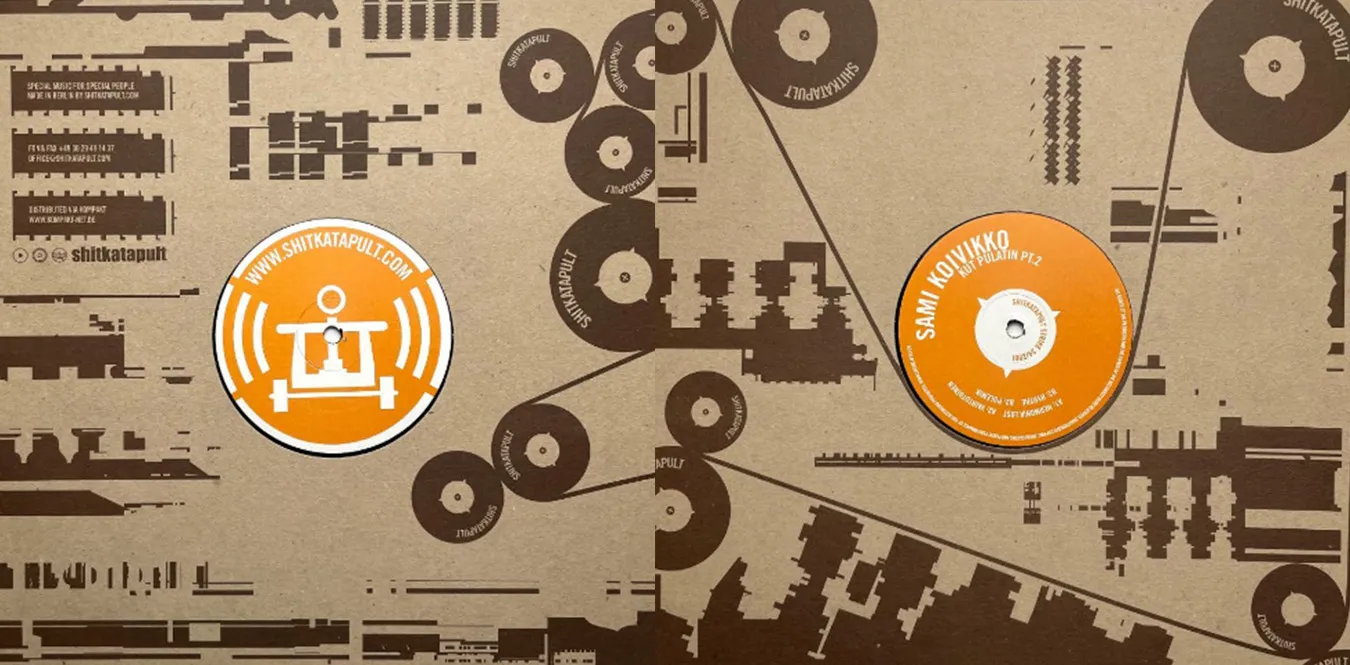
Sami Koivikko – Kut Pulatin Pt. 2
Sami Koivikko is a techno producer based in Finland. Known as a standard bearer of minimal techno and click techno, he has released works on various labels such as the...
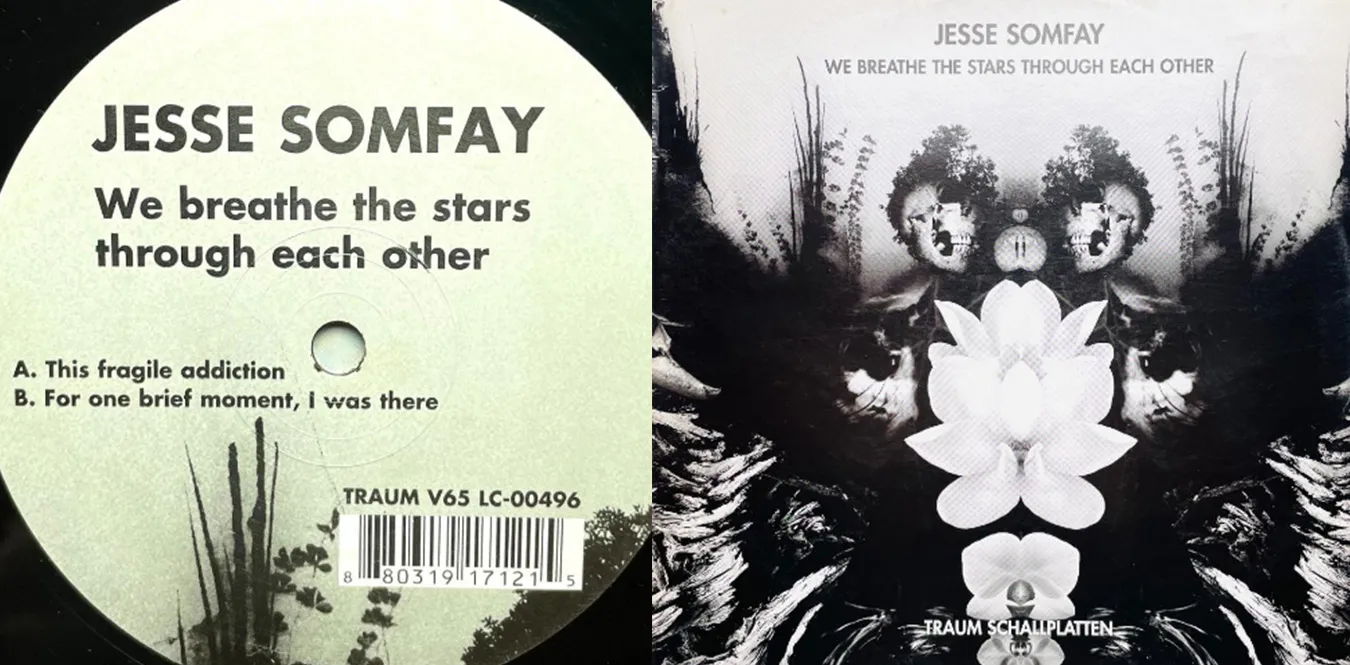
Jesse Somfay – We Breathe The Stars Through Each Other
Jesse Somfay is a producer from Canada who has been active with prestigious labels Archipel and Traum Schallplatten since the mid-2000s. His style is a fusion of minimal techno, ambient,...
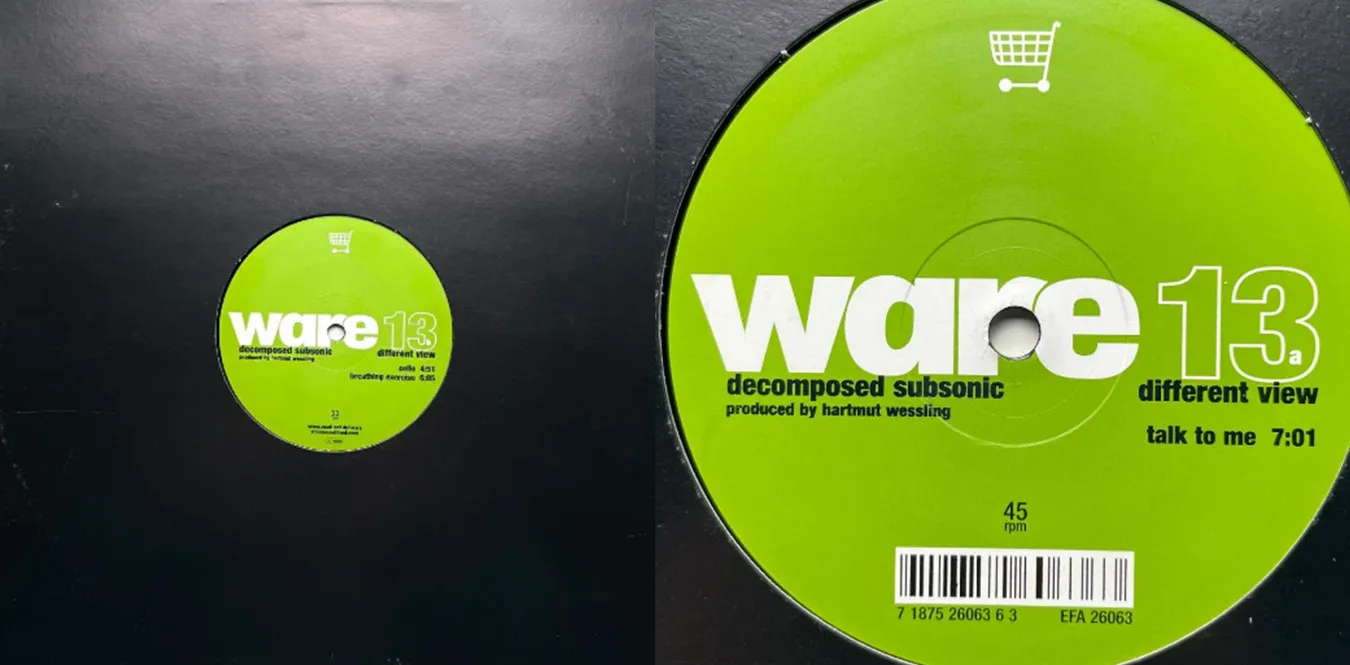
Decomposed Subsonic – Different View
Decomposed Subsonic – Different View
![[Column] Techno minimal vs acid techno: stripped-down aesthetics and runaway circuitry](/../assets/images/column-minimal-techno-acid-techno.webp)
[Column] Techno minimal vs acid techno: stripped-down aesthetics and runaway circuitry
Prologue: The common language of techno
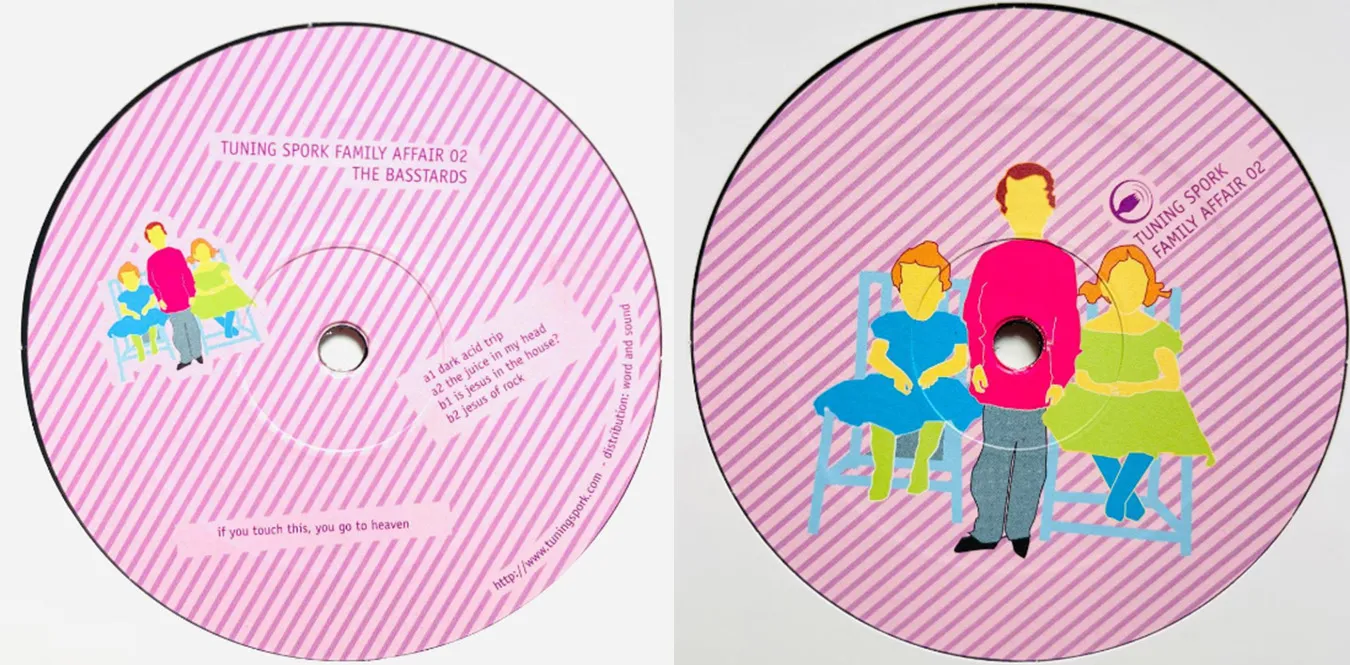
The Bastards – If You Touch This, You Go To Heaven
The Basstards is a project by DJ Argenis Brito, also a member of Señor Coconut And His Orchestra, Cem Oral aka Jammin’ Unit, and Jay Haze, head of the label...
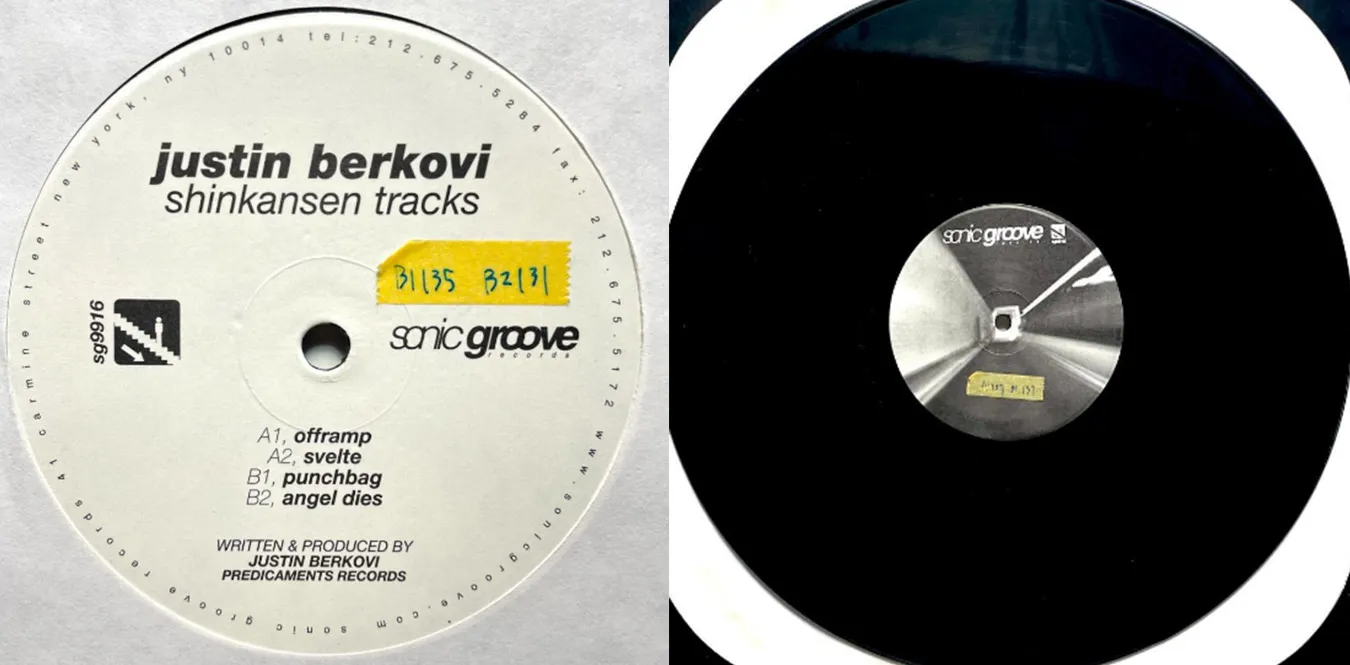
Justin Berkovi – Shinkansen Tracks
Justin Berkovi is a London-based techno DJ/producer and founder of the labels Predicamentst and Nightrax.
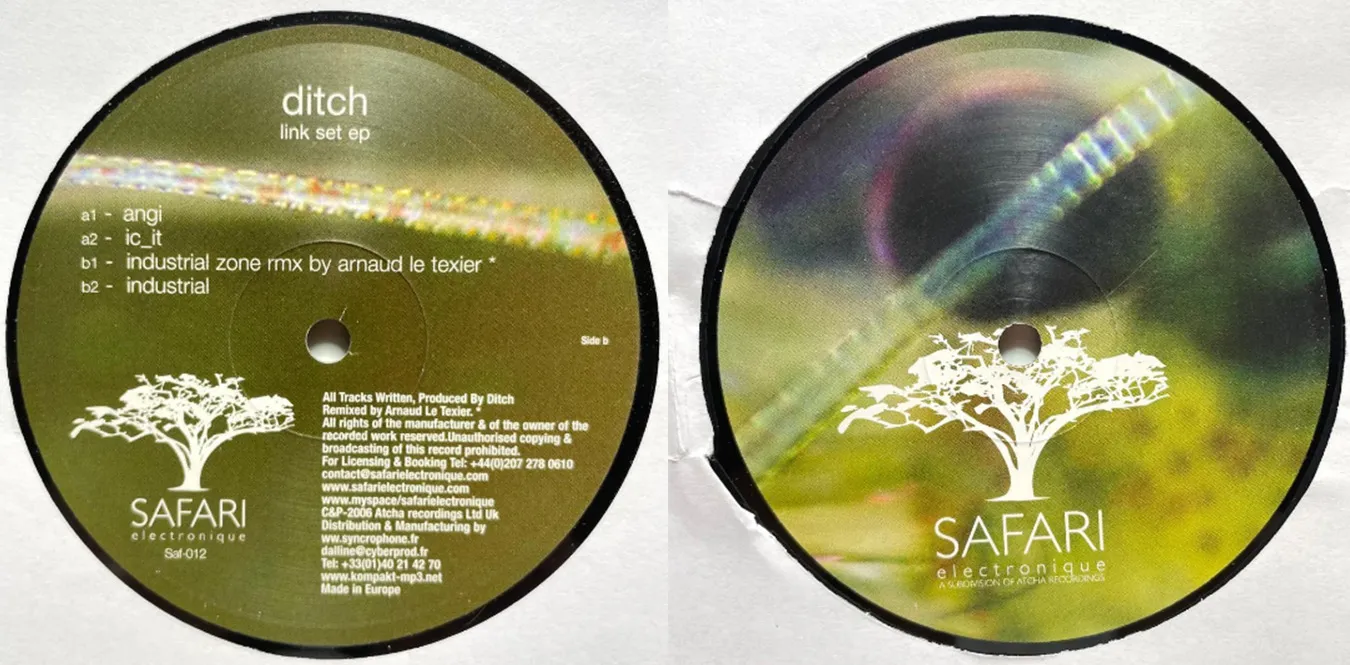
Ditch – Link Set EP
Shinichiro Kono, also known as Ditch, is a Sendai-based Japanese producer who has been working as a Minimal House & Techno DJ since 2001. He has released on numerous labels...

Coalition Of The Killing – Backwards On Pony EP
Coalition Of The Killing (COTK) is a San Francisco-based techno duo consisting of techno DJ/producers Jason Short and Marc Smith.