【コラム】 Québec Redneck Bluegrass Project――ケベックの土埃と酒場から鳴り響く反骨のブルーグラス
Column en Bluegrass Folk Punk Québec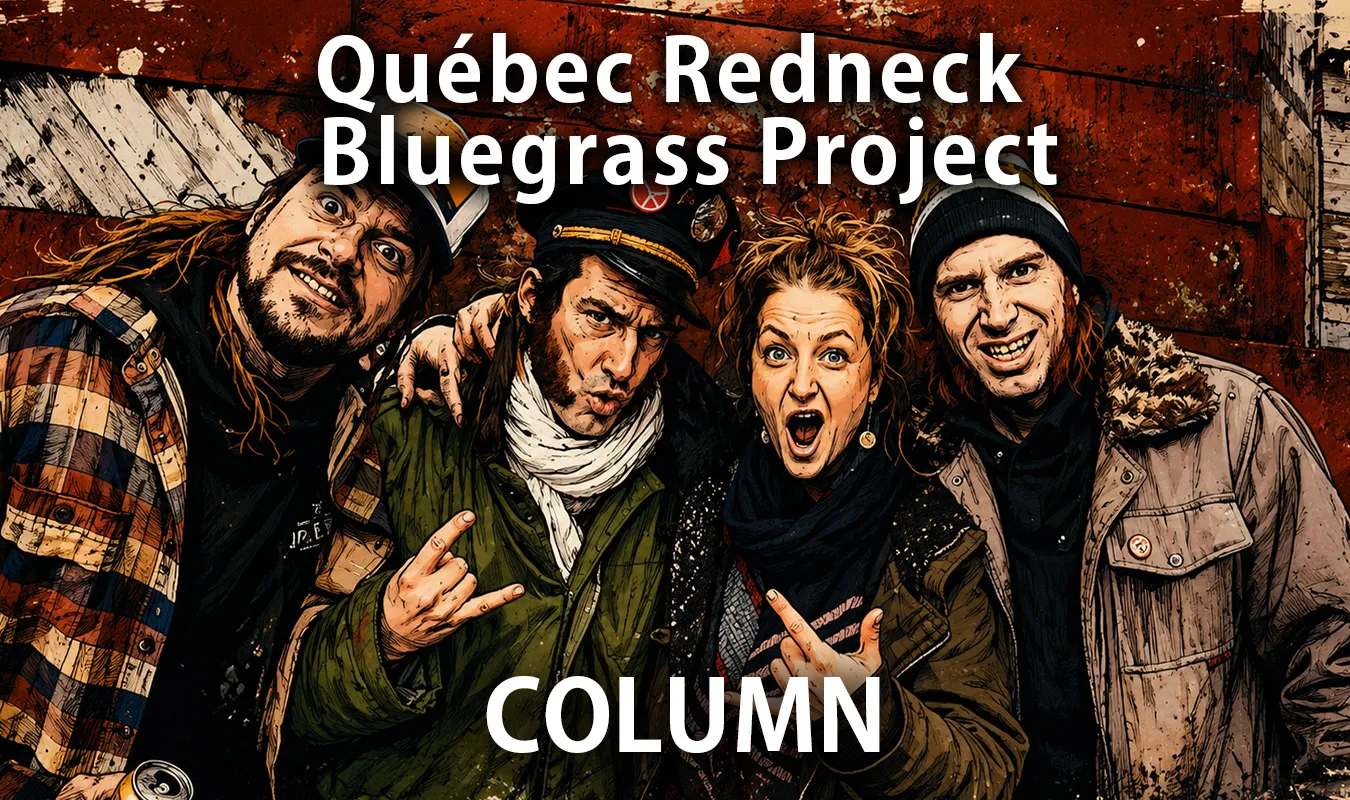
ケベックの泥臭さを鳴らすバンド
文:mmr|テーマ:ケベック地方の土着文化と現代社会への違和感を、ブルーグラスとパンク精神で鳴らした Québec Redneck Bluegrass Project の軌跡
Québec Redneck Bluegrass Project、通称QRBPは、カナダ・ケベック州で結成されたブルーグラス/フォーク系バンドである。
しかし彼らを単純に「ブルーグラス・バンド」と説明すると、実態から大きく外れてしまう。
彼らの音楽には、アメリカ南部由来のブルーグラス、ケベック民謡、パンク、ガレージロック、カントリー、フォーク、酒場音楽、労働歌の感覚が混在している。そしてその全体を覆っているのが、「洗練とは逆方向へ進む美学」だった。
都市的なスマートさではない。
農村の泥、冬の寒さ、安酒、長距離道路、労働者の疲労、週末の解放感。そうした現実の温度をそのまま音楽へ変換していく。
QRBPの特徴は、技巧ではなく熱量にある。
演奏は時に荒々しく、歌声は整い過ぎず、ライブは祝祭と混乱の境界線に近い。それでも彼らが支持されるのは、そこに「生活」が刻まれているからだ。
ケベック音楽は長い間、フランス語文化圏独自のアイデンティティを守り続けてきた。QRBPはその流れの中にいながら、さらに地方性と庶民性を前面化した。
彼らの楽曲には、政治スローガンのような直接性は少ない。しかし、労働や地域文化を肯定し、都市中心的価値観を距離を置いて見る視点が一貫して存在している。
それは結果として、強い文化的メッセージになっていった。
QRBPは単なるジャンル混合バンドではなく、ケベック地方文化そのものを音楽化した存在だった。
ブルーグラスを“再輸入”したケベック
QRBPを理解するには、まずブルーグラスという音楽がケベックでどのように受容されたかを見る必要がある。
ブルーグラスはアメリカ南部のアパラチア地域を起源とする。バンジョー、フィドル、マンドリン、アップライトベースなどを中心とした高速アコースティック音楽であり、20世紀半ばにビル・モンローらによって体系化された。
However, in eastern Canada, especially in rural Quebec, fiddle culture and dance music culture have existed since ancient times.
つまりQRBPがやったことは、「異文化導入」というより、近縁文化同士を再接続する作業だった。
ケベックでは長年、フランス語文化の維持が重要視されてきた。そのため英語圏アメリカ文化に対する警戒感も存在した。一方で農村文化や酒場文化のレベルでは、アメリカ南部音楽との共通感覚も根強く残っていた。
QRBPはそこを掘り起こした。
Their music does not imitate American bluegrass. Rather, it sounded like it had been returned to Quebec soil and re-fermented.
洗練されたナッシュビル風ではない。
演奏にはガレージ感があり、録音にもラフさが残る。しかしその粗さこそが重要だった。
While urban folk turned toward introspection, QRBP turned toward community.
観客が一緒に叫び、飲み、踊り、肩を組む。ライブは「鑑賞」ではなく参加型空間だった。
QRBPはブルーグラスを輸入したのではなく、ケベックの生活感覚へ組み替え直した。
Formation and initial activities
The Québec Redneck Bluegrass Project began its activities in the 2000s.
結成地はケベック州サグネ地域。都市中心文化から距離のある地方圏である。
この地域性は、彼らの音楽を理解する上で極めて重要だった。
モントリオールのアートシーンとは異なり、サグネ周辺には労働者文化、林業文化、地方共同体感覚が強く残っていた。QRBPの音楽にはその空気が色濃く刻まれている。
初期の彼らは、現在ほど大規模な知名度を持っていたわけではない。
むしろ口コミとライブによって徐々に広がっていったタイプのバンドだった。
酒場、小規模フェス、地方イベント、コミュニティ空間。そこで彼らは熱狂的なライブバンドとして認知され始める。
特に重要だったのが、「演奏の巧拙より空間熱量」を優先した点である。
QRBPのライブには制御不能寸前のエネルギーがある。
観客との境界は薄く、ステージは祝祭化する。その感覚はパンクライブに近い。
However, the music is mainly acoustic rather than electric.
つまり彼らはブルーグラス編成を用いながら、パンク的身体性を持ち込んだのである。
QRBPの基盤はメディア戦略ではなく、現場の熱狂によって形成されていった。
Meaning of the word “Redneck”
The most powerful thing about their band name is probably the word “Redneck.”
本来これはアメリカ英語圏で、農村労働者や田舎者を揶揄する言葉として使われてきた歴史を持つ。
QRBP took advantage of those words.
これは単なるジョークではない。
都市エリート文化への距離感、自分たちの出自への誇り、地方文化への肯定。それらが含まれている。
つまり彼らは、「洗練されていないこと」を否定ではなく武器として扱った。
この感覚はケベック文化とも深く関係している。
ケベックは長年、英語圏カナダとの文化的緊張を抱えてきた。そのため「周縁であること」を逆にアイデンティティへ変える文化が存在する。
QRBPはそこへさらに地方性を重ねた。
都市中心主義への違和感。
文化産業化への拒否。
労働者感覚の維持。
こうした感覚が、「Redneck」という言葉の再定義につながっている。
“Redneck”は侮蔑語ではなく、QRBPにとっては地方文化の誇りを示す旗印だった。
アルバムと音楽性の拡張
As QRBP continues their activities, they develop from a mere live band to a group with a unique artistic quality.
彼らのアルバムには一貫して、生々しい録音感覚が残されている。
過度なプロダクションは避けられ、演奏の荒さや空気感が維持される。その結果、スタジオ作品でありながらライブの熱量が強く残る。
また彼らの歌詞には、ユーモアと皮肉が多い。
悲壮感だけではない。
酒、失敗、労働、旅、仲間、地方生活。そこには「人生を深刻化し過ぎない感覚」がある。
しかし同時に、社会構造への違和感も滲む。
経済格差。
都市偏重。
文化均質化。
こうした問題が、説教臭さを避けながら描かれていく。
音楽的にも、QRBPは徐々にレンジを広げていった。
伝統的ブルーグラスだけではなく、フォークパンク的テンポ感、ロック的推進力、時にはカントリーバラード的叙情性も見せる。
その結果、彼らは「伝統保存型バンド」ではなく、「地方文化更新型バンド」として存在感を強めていった。
QRBPの音楽は伝統再現ではなく、地方文化を現在形へ更新する試みだった。
ライブ文化と共同体感覚
QRBP最大の魅力を一つ挙げるなら、多くの観客はライブを選ぶだろう。
彼らのライブでは、観客が静かに鑑賞する空気はほとんど存在しない。
Scream, sing along, dance, drink, and rub shoulders.
The entire venue becomes a community.
この感覚は、パンクやアイリッシュパブ文化にも近い。しかしQRBPの場合、それがケベック地方文化と結びついている点が独特だった。
ライブ空間には「誰でも入れる空気」がある。
音楽知識の有無は重要ではない。
The important thing is to participate.
この共同体感覚は、デジタル時代において逆説的に強い意味を持った。
SNS以降、音楽体験は個人化した。
イヤホンで聴き、アルゴリズムで推薦され、短尺動画で消費される。
On the other hand, QRBP’s live performance emphasized the “heat of sharing the same space.”
これは単なるノスタルジーではない。
The physical communal experience itself lies at the heart of their musical culture.
QRBPのライブは演奏会ではなく、一時的共同体を生成する祝祭空間だった。
ケベック社会との接続
QRBP is not a political band.
しかし彼らの存在自体が、ケベック社会の文脈と強く接続している。
ケベックは長年、「文化防衛」というテーマを抱えてきた。
英語圏北米の巨大文化圏の中で、フランス語文化を維持する必要があったからだ。
As a result, there is often a sense of ““preserving regionality’’ in Quebec music.
QRBPもまた、地方言語感覚や地域文化を前面化した。
さらに彼らは、「都市文化中心主義」に対して距離を取った。
これは単純な反都市思想ではない。
むしろ「地方にも文化がある」という主張である。
労働者文化。
rural culture.
酒場文化。
Peer culture.
A sense that there is no need to be ashamed of such things runs through their work.
この姿勢は、ケベックだけでなく世界各地の地方文化支持層から共感を集めることになった。
QRBPは地方文化を「時代遅れ」とせず、現代的価値として提示した。
フェスティバル時代の象徴へ
活動拡大とともに、QRBPはケベック主要フェスにも出演する存在となっていく。
What is important here is that even when they became gigantic, they did not lose their ““earthiness’’.
多くのバンドは規模拡大とともに洗練へ向かう。
しかしQRBPは逆だった。
むしろ観客との距離を縮め続けた。
衣装も過度に演出されず、ステージも過剰に神格化されない。
What there is is a sense of ““standing on the same ground’’.
This atmosphere was unique at a huge festival.
While commercial festivals have become more popular, QRBP has maintained its ““on-the-ground’’ feel.
Even as the scale expanded, QRBP did not lose its “local body temperature.”
QRBPが残したもの
The importance of QRBP cannot be measured by hit charts alone.
彼らは「地方文化が現代音楽になり得る」ことを証明した。
しかもそれを、無理に都会化せず実現した。
これは非常に大きい。
In contemporary popular music, ““sophistication’’ often tends to be the standard of value. But QRBP went in the opposite direction.
粗さ。
騒々しさ。
Bar feel.
泥臭さ。
共同体感覚。
そうしたものを排除せず、むしろ魅力へ変換した。
その結果、彼らはケベック文化内部だけでなく、世界各地のフォークパンク/オルタナ・カントリー/DIYカルチャー層からも支持を受ける存在になった。
QRBP is not a traditional music preservation organization.
しかし彼らは結果として、地域文化を未来へ運ぶ役割を果たしたのである。
QRBP did not preserve local culture, but revitalized it as an ongoing energy source.
年表
| 年代 | 出来事 |
|---|---|
| 2000年代初頭 | ケベック州で活動開始 |
| Initial activity period | Expanding support in local live music and bar culture areas |
| 中期 | フェスティバル出演増加 |
| 活動拡大期 | ケベック外でも認知向上 |
| Current | Continued support as a symbol of Quebec regional culture |
Keywords to understand QRBP
| キーワード | 内容 |
|---|---|
| ブルーグラス | アメリカ南部由来の高速アコースティック音楽 |
| Quebec culture | Unique French-speaking regional culture |
| DIY精神 | 商業主義より現場感覚を重視 |
| Worker culture | Connection with local communities and manual labor culture |
| Folk punk | Fusion of folk music and punk spirit |
| 共同体性 | ライブ空間での参加型熱狂 |
終わりに
Québec Redneck Bluegrass Projectは、単なるフォークバンドではない。
彼らは、地方文化を恥じないための音楽を鳴らしてきた。
都市化とデジタル化が進み、あらゆる文化が均質化していく時代において、QRBPは「地域に根差すこと」の強さを提示したのである。
その音楽は洗練され過ぎていない。
Rather rough.
しかしその粗さには、人間の体温がある。
A voice shouting in a bar.
冬道を走る車。
Fatigue after work.
仲間との笑い。
QRBP’s music does not erase this atmosphere of reality.
だからこそ彼らは、多くの人々にとって「本物」に聞こえるのである。
QRBP has not translated Quebec culture to the world, but continues to sound as it is.
YouTube Podcast
*This podcast is in English, but you can watch it with automatic subtitles and translation.