[Column] Psychic TV: The complete history of a multimedia group that crosses music, ritual, and ideology
Column en 80s 90s Acid Art Psychedelic![[Column] Psychic TV: The complete history of a multimedia group that crosses music, ritual, and ideology](/../assets/images/column-psychic-tv.webp)
1. Introduction
Text: mmr|Theme: History, philosophy, musicality, live activities, rituals, and influence on future generations of Psychic TV from its formation to its demise
Formed in England in 1981, Psychic TV is more than just a music band; it is a comprehensive artistic collective that integrates music, video, performance, and occultism. Built around Genesis Breyer P-Orridge”s ideas and vision, Psychic TV”s efforts remained at the forefront of counterculture from the 1980s to the 2000s, fusing industrial music, psychedelics, acid house, performance art, and ritual culture.
2. Origin and background
2.1 Genesis P‑Orridge and COUM Transmissions
Genesis Breyer P‑Orridge (1950–2020) is one of the most influential figures in the British avant-garde. He became involved in countercultural activities from a young age, and in the 1970s led a performance group called COUM Transmissions. COUM develops performance art influenced by fluxism, incorporating provocative and political themes into their art.
Through his work with COUM Transmissions, Genesis developed a strong interest in the integration of visual art, music, and performance, which laid the foundation for his subsequent work. He also formed Throbbing Gristle, which became internationally recognized as pioneers of industrial music.
2.2 Throbbing Gristle disbandment and Psychic TV formation
Throbbing Gristle was formed in 1976 and shocked the music world in the late 1970s with their noise, industrial music, and guerilla-style live performances. However, in 1981, the group disbanded. Shortly after, Genesis began a new musical and artistic project with Peter Christopherson and Alex Fergusson. That’s Psychic TV.
Psychic TV was designed not just as a music band, but as a ““multimedia collective’’ that integrates music, video, performance, and occultism, and from the beginning had a structure that emphasized experimentation and provocation.
3. Early years (1981–1985)
3.1 Member composition and first work
Psychic TV”s initial lineup consisted of Genesis P‑Orridge (vocals, lyrics), Peter Christopherson (video, sound), and Alex Fergusson (guitar). The first song, “Just Drifting,” reflected Genesis’ poetic vision and served as the band”s musical starting point.
Early music was characterized by innovation that transcended traditional genre boundaries, combining punk aggression, psychedelic freedom, and experimental noise.
3.2 Live performances and video art activities
Psychic TV was also innovative in its live performance. Many of the live performances used video equipment and multi-screens to provide the audience with a challenging and ritualistic experience. An attempt was made to reconstruct the live performance itself as a kind of ritual space, not only through music but also through images and physical expression.
3.3 Birth of Thee Temple ov Psychick Youth (T.O.P.Y.)
In 1981, Thee Temple ov Psychick Youth (T.O.P.Y.) was founded in parallel with Psychic TV. T.O.P.Y. was an organization that supported the band’s ideological and ritual activities, and aimed to explore spirituality and community based on chaos magic. More than just a fan club, T.O.P.Y. served to unite its members and supporters through ritual, philosophy, and transformational practices.
4. Midterm: Success and Experimentation (1986–1991)
4.1 Monthly live album planning
In 1986, Psychic TV began an ambitious project to release a monthly live album. Eventually, 17 albums were released, and the band demonstrated quantitative innovation in their musical endeavors. This mass release strengthened the band’s relationship with the fan community, and influenced later electronic and experimental music scenes.
4.2 Transformation of musical styles
During this middle period, in addition to traditional industrial noise and punk, a variety of elements such as psychedelic, pop, and experimental music were incorporated, and the musical style changed significantly. In their live shows and albums, music, video, and performance were closely linked, and the artistry that integrated auditory, visual, and spirituality stood out.
4.3 Magic, Chaos Magic, and Deepening Thought
The practice of chaos magic and occultism through T.O.P.Y. reached its deepest level during this period. Genesis P‑Orridge explores self-transformation and community-building through magic and ritual, inseparably linking band work and ideological practice.
5. Turning point and trial (1992–1999)
5.1 Scandal and self-exile
In 1992, Psychic TV was the subject of a scandal on the station’s news program, which featured allegations of ritual abuse. The incident led to a police investigation and Genesis was forced into self-exile, leaving England and moving to the United States.
5.2 Immigration to the United States and changes in activities
After moving to the United States, Genesis changed his creative focus while maintaining PTV’s spirituality and experimentalism. Collaborations with new collaborators and members increased, and the range of music and ritual performance expanded.
5.3 Dissolution and Side Projects
In 1999, Psychic TV officially disbanded, but Genesis began a project called Thee Majesty. This was an expressive activity centered more on language, poetry, and speech, and was a continuation of the spiritual legacy of PTV.
6. Revival and Late Period (2003–2020)
6.1 PTV3 and new lineup
In 2003, Psychic TV was reunited as PTV3, welcomed new members such as Edley ODowd, and resumed activities that integrated video, sound, and performance.
6.2 Albums and conceptual works
Later albums included ““Hell Is Invisible…Heaven Is Her/e”, ““Mr. Alien Brain vs. The Skinwalkers”, and ““Alienist’’, which continued their earlier experimentalism while presenting a structured concept.
6.3 Final Year and Death of Genesis
In 2017, Genesis announced that he had chronic myeloid leukemia and subsequently curtailed his touring activities. He passed away on March 14, 2020 at the age of 70, marking the end of Psychic TV’s activities.
7. Impact and legacy
- Influence on acid house and experimental music
- Spread of Chaos Magic
- Gender, body transformation, and the cultural significance of panlogy experiments
- Influence on contemporary artists and bands
8. Chronology
9. Genealogy chart
10. Conclusion
Psychic TV was a comprehensive movement that crossed music, ritual, and ideology. Their work goes beyond just music, exploring magic, images, the body, spirituality, and community. Genesis P‑Orridge’s vision disrupts genre boundaries and anticipates future forms of expression, and his influence remains deeply etched in contemporary experimental music and counterculture.
Explore more like this
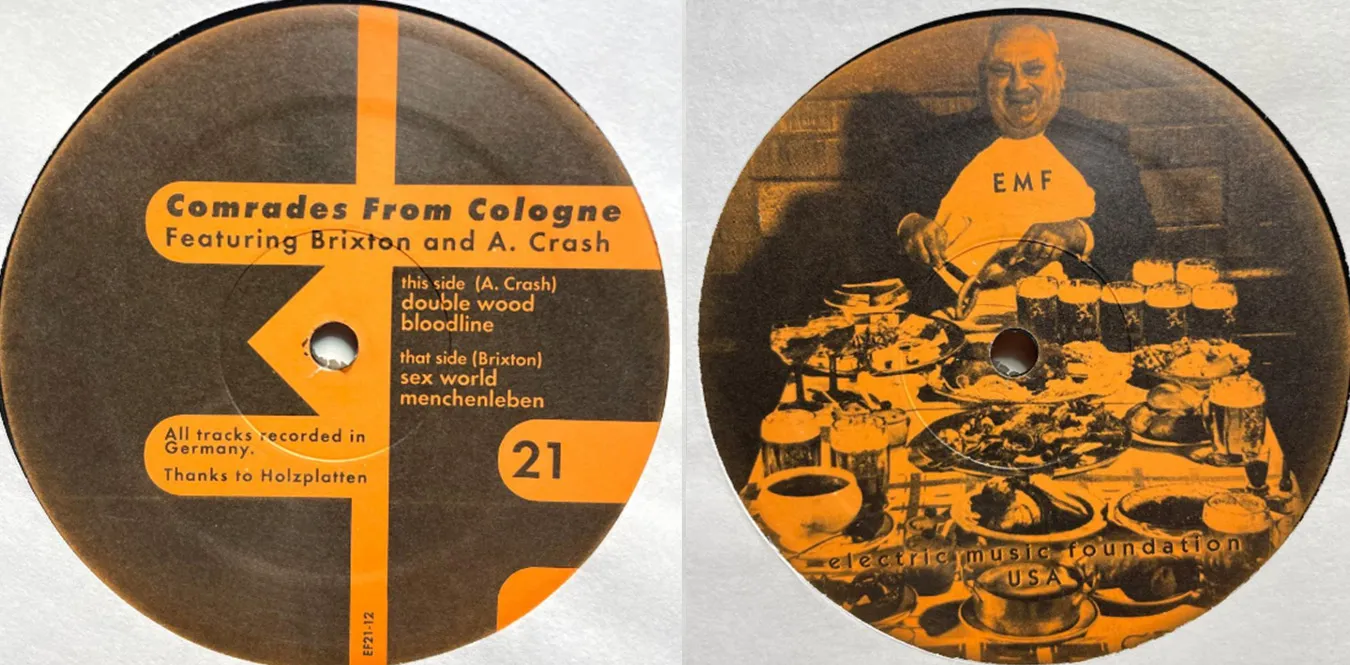
A. Crash and Brixton – Comrades From Cologne
Split single by A. Crash (Andreas Kremer) and Brixton (Norbert Georg Brixton Wieschollek) from Germany.
![[Column] Lo-Fi Hip Hop / Chillhop (home-recorded beat culture)](/../assets/images/column-lo-fi-hip-hop-chillhop.webp)
[Column] Lo-Fi Hip Hop / Chillhop (home-recorded beat culture)
1. Concept definition and name arrangement
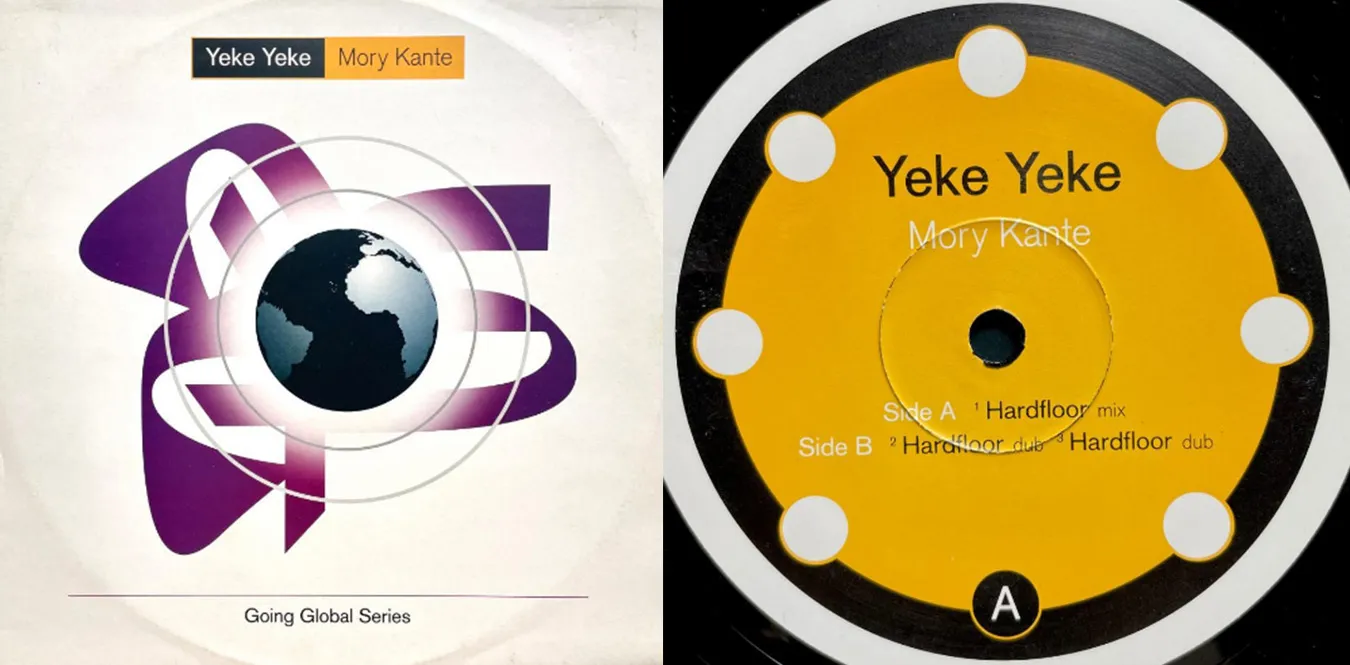
Mory Kante – Yeke Yeke
A remix of Mory Kante’s “Yeke Yeke”, which was released in 1987 and became a worldwide hit, by German Acid/Techno & Tech House duo Hardfloor.

The Siamese Twins – Saladeater
The Siamese Twins are a duo consisting of twins Arndt Pecher and Markus Pecher. They were also the founders of the former Adam & Eve Records label, known for its...
![[Column] Brenda Fassie — The township diva: A journey of glory and struggle](/../assets/images/column-brenda-fassie.webp)
The Siamese Twins – Saladeater
The Siamese Twins are a duo consisting of twins Arndt Pecher and Markus Pecher. They were also the founders of the former Adam & Eve Records label, known for its...
![[Column] Complete history of French hip-hop: from NTM to the present day](/../assets/images/column-french-hiphop.webp)
[Column] Complete history of French hip-hop: from NTM to the present day
Complete history of French hip hop
![[Column] Human Beatbox World history and Japanese players - Technological evolution, tournament culture, trends in each country](/../assets/images/column-human-beat-box.webp)
[Column] Human Beatbox World history and Japanese players - Technological evolution, tournament culture, trends in each country
Human Beatbox World history and tournament culture - technology, trends, and player history
![[Column] DMC World DJ Championship: The trajectory of turntablism becoming a global culture](/../assets/images/column-dmc-world-dj-championship.webp)
[Column] DMC World DJ Championship: The trajectory of turntablism becoming a global culture
DMC World DJ Championship——World history of turntablism
![[Column] History and transformation of alternative rock: 1980–2020](/../assets/images/column-alternative-rock.webp)
![[Column] Kronos Quartet: The trajectory of a string quartet that continues to innovate and take on challenges](/../assets/images/column-kronos-quartet.webp)