[Column] Mr.Vegas──Dancehall ambassador who sings of tradition and innovation
Column en 00s 10s Dancehall Reggae![[Column] Mr.Vegas──Dancehall ambassador who sings of tradition and innovation](/../assets/images/column-mr-vegas.webp)
Prologue: Carrying the rhythm of Kingston
Text: mmr|Theme: Mr.Vegas’s upbringing, main points of his career, representative songs, and his vision for the future
Clifford Smith, commonly known as Mr.Vegas, is a dancehall/reggae singer from Kingston, Jamaica, who has continued to have a strong influence and presence from the late 1990s to the present day. His music not only mirrors his own struggles and growth, but also reflects Jamaica’s sound system culture, social messages, faith, and changing times.
Chapter 1: Early career and early career
1.1 Childhood and origin of nickname
- Real name/birth Mr.Vegas’ real name is Clifford Smith. Born September 29, 1974 in Kingston, Jamaica.
- Nickname “Mr. Vegas” As a child, she played soccer in pink shorts at school, and her classmates compared her to a “Vegas girl.” The nickname “Mr.Vegas” was adopted as his stage name.
- Encounter with music From an early age, he was influenced by the local sound system culture and grew up familiar with music, performing at local parties.
1.2 Jaw injury and first hit “Nike Air”
- Significant Event When he was young, he was hit in the face and broke his jaw during a dispute over music production.
- Recording and turning point Recorded ““Nike Air’’ with a producer, even with his jaw wired. This became his first major success song.
- Voice characteristics As a result of his jaw injury and treatment, he has developed a unique intonation and sharp voice, which has become his character vocal.
Chapter 2: Breakout and International Success (1997–2004)
2.1 “Nike Air” and cultural impact
- It became a big hit in Jamaica from the time it was released, making Mr.Vegas an artist to watch.
- Nike sneakers become a symbol of self-expression and status, and are associated with turning points in Vegas’ life.
2.2 “Heads High”: Message and Ripple Power
- Release and Success “Heads High” was his next big hit, set on a riddim produced by Danny Browne.
- Lyrics Theme It contains critical and moral messages about sexual behavior, and highlights women’s self-respect and the strength of their insistence on saying “no.”
- International recognition It was a success not only in Jamaica but also in England and the United States.
- Award Won “Best Reggae Artist” at the MOBO Awards.
2.3 Debut album “Heads High”
- In 1998, released their debut album “Heads High”.
- In addition to “Nike Air,” it includes a variety of tracks such as “Jacket,” “Sweet Pineapple,” and “Everywhere I Go.”
- This album was a stepping stone to the international stage and brought a new dimension to the dancehall vocal style.
2.4 Sequel album and international expansion
- “Damn Right” (2001) Contains songs such as “Girls Time,” “She’s a Ho,” and “Hot Gal Today (collaboration with Sean Paul).”
- Advance into America Signed a contract with a label in Los Angeles and released the album ““Pull Up.’’ We have strengthened our international presence.
Chapter 3: Maturity and diversity (2005–2012)
3.1 Genre expansion
- The album “Hot It Up” (2007) focuses on uptempo dancehall songs.
- Try out soca and gospel songs to expand your artistic ability and message.
3.2 Temporary retirement and regression
- In 2008, he temporarily suspended his music activities due to health and mental reasons.
- However, he did not completely retire and continued to collaborate with Major Lazer and others.
3.3 Establishment of independent label and “Sweet Jamaica”
- Founded his own label MV Music.
- Released the album “Sweet Jamaica” (2012) as a two-disc set. Contains classic reggae covers and dancehall songs.
Chapter 4: Re-creation and Message (2012–2025)
4.1 Return to early roots
- The album “Reggae Euphoria” (2014) strongly reflects a return to roots reggae.
4.2 Production and release of “Ghetto Reggae”
- On August 29, 2025, the album "”Ghetto Reggae’‘ was released.
- Themes: Homage to sound system culture, re-enactment of 80s-90s reggae/dancehall, love, faith, environmental issues, malice, ganja, etc.
- Participating artists: Daddy U-Roy, Demelo, Greentone. Producers: Kirkledove, Ed Robinson, Jemoi Monteith.
4.3 Social activities and statements
- Participating in or speaking at political events in Jamaica.
- Dedicated to the inheritance of sound system culture, sound clash, and local culture.
Chapter 5: Representative songs and song analysis
5.1 “Nike Air”
- Uses Playground riddim. A song that uses sneakers as a symbol of self-expression.
- Recordings made after a jaw injury created a unique intonation and a personality.
5.2 “Heads High”
- Danny Browne’s Filthy riddim.
- Asserting women’s right to sexual self-determination and dignity.
- Spread beyond the dancehall/pop market in the late 1990s.
5.3 “Kokane (Kokane feat. Ayo)”
- BPM approx. 96. There are remixes and multiple versions.
- In the lyrics, it symbolizes seduction, manipulation, pleasure, and destructiveness. Using drugs (cocaine) as a metaphor.
- The contrast between the melodic chorus and the rough vocals is impressive.
- Strengthen the message and spread through collaboration with Ayo.
5.4 Other important songs
- “Pull Up”: Coolie Dance riddim. Rated on international charts.
- “Hot Wuk”: Party anthem.
- “Bruk It Down”: For the dance floor.
- “Land of My Birth”: Symbolizes a return to roots.
Chapter 6: Education, Faith, and Social Contribution
6.1 Path to education
- Associate’s degree in Communications from Broward College.
- Bachelor’s degree in Sociology/Anthropology from FIU.
- Return learning to music and influence listeners and young people.
6.2 Impact on society and culture
- Participating in election campaigns and speaking out on social issues.
- An ambassador who conveys the value of sound system culture and classic reggae to the next generation.
Chapter 7: Present (as of 2025) and future prospects
7.1 Current status: “Ghetto Reggae” and its reaction
- Album “Ghetto Reggae” released.
- The media praised it as a “reintroduction of authentic 80s-90s reggae.”
- Possibility of Grammy Award nomination also suggested.
- At the live performance, we will combine old masterpieces with new songs and develop a performance that invites audience participation.
7.2 Perspective on the future
- Promote re-evaluation of sound system culture and reggae.
- Expanding influence not only through music but also through social movements, cultural preservation, and educational support.
- Aiming to balance digital distribution/SNS utilization with traditional sounds.
Conclusion: A singer who weaves tradition and innovation
Mr.Vegas is a musician whose work is a complex mix of Kingston’s sound system culture, the struggles of youth, faith, social responsibility, and a vision for the future.
His signature songs “Nike Air” and “Heads High” symbolize the starting point of his career, while “Kokane” presents a warning of temptation and danger. His latest album, ““Ghetto Reggae,’’ combines a modern message with respect for the time and place in which he grew up.
With a passion for education, social commentary, and cultural preservation, he serves not only as a musician but also as a cultural bearer, messenger, and leader.
Chronology
| Year | Events |
|---|---|
| 1974 | Clifford Smith (Mr.Vegas), born in Kingston |
| 1997 | Recorded “Nike Air” despite jaw injury |
| 1998 | Single “Heads High” and debut album “Heads High” released |
| 2001 | Album “Damn Right” released |
| 2004 | Album “Pull Up” released |
| 2007 | Album “Hot It Up” released |
| 2008 | Temporarily suspended due to health and religious beliefs |
| 2012 | Established independent label MV Music and released “Sweet Jamaica” |
| 2014 | Album “Reggae Euphoria” released |
| 2025 | Album “Ghetto Reggae” released |
Explore more like this
![[Column] Roots Reggae vs Dancehall ─ Two souls of reggae born of a generational change](/../assets/images/column-roots-reggae-dancehall.webp)
[Column] Roots Reggae vs Dancehall ─ Two souls of reggae born of a generational change
Prologue Completely different voices born from the same island
![[Column] Indie Shoegaze / Dream Pop](/../assets/images/column-indie-shoegaze-dream-pop.webp)
[Column] Indie Shoegaze / Dream Pop
Prologue: The birth of music with a downcast gaze
![[Column] NTS/Boiler Room live streaming artists and unknown performance culture](/../assets/images/column-nts-boiler-room.webp)
[Column] NTS/Boiler Room live streaming artists and unknown performance culture
Prologue: A new performance space called live streaming
![[Column] Chillwave / Synthwave Re-evaluation - The encounter between 80s sound and Internet culture](/../assets/images/column-chillwave-synthwave.webp)
[Column] Chillwave / Synthwave Re-evaluation - The encounter between 80s sound and Internet culture
Reconnecting 80s sounds and internet culture
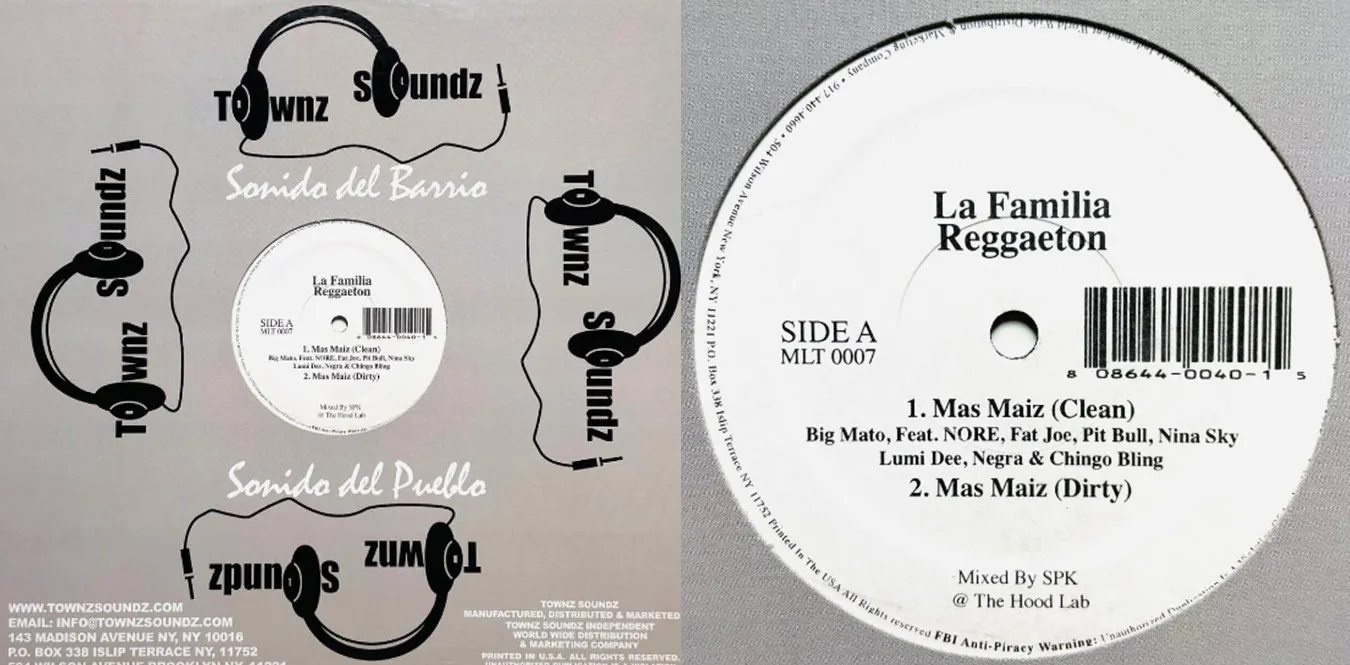
VA – La Familia Reggaeton
“La Familia Reggaeton”, released in 2005, is a Hip Hop/Reggae record in which the experimental/industrial noise music group SPK (Graeme Revell & Neil Hill) mixed a song by Queens rapper...
![[Column] Six companies that shaped DAW history: Apple / Avid / Steinberg / MOTU / Adobe technology history and market strategy](/../assets/images/column-logic-protools.webp)
[Column] Six companies that shaped DAW history: Apple / Avid / Steinberg / MOTU / Adobe technology history and market strategy
Prologue: The evolution of DAW is a story created by the strategies and technological innovations of six companies
![[Column] Charlotte de Witte: Queen of the techno world](/../assets/images/column-charlotte-de-witte.webp)
[Column] Charlotte de Witte: Queen of the techno world
Prologue ─ Rise of the Queen of Techno
![[Column] Dancehall and sound systems—Bass moves the world](/../assets/images/column-dancehall.webp)
[Column] Dancehall and sound systems—Bass moves the world
Prologue: Revolution starting with bass
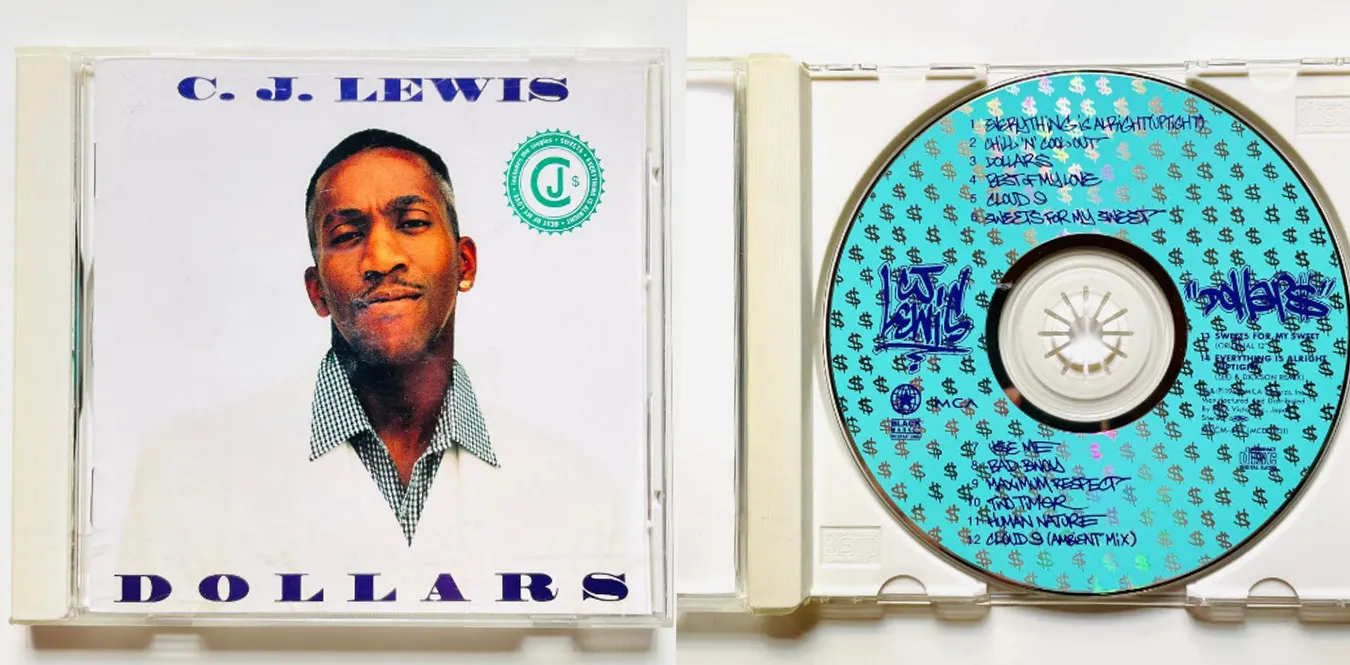
C.J. Lewis – Dollars
Japanese version of C.J. Lewis’s album “Dollars” released by MCA Records in 1994. Tracks 13 and 14 are bonus tracks only available on the Japanese version. Contains the hit songs...
C.J. Lewis – Dollars
Japanese version of C.J. Lewis’s album “Dollars” released by MCA Records in 1994. Tracks 13 and 14 are bonus tracks only available on the Japanese version. Contains the hit songs...
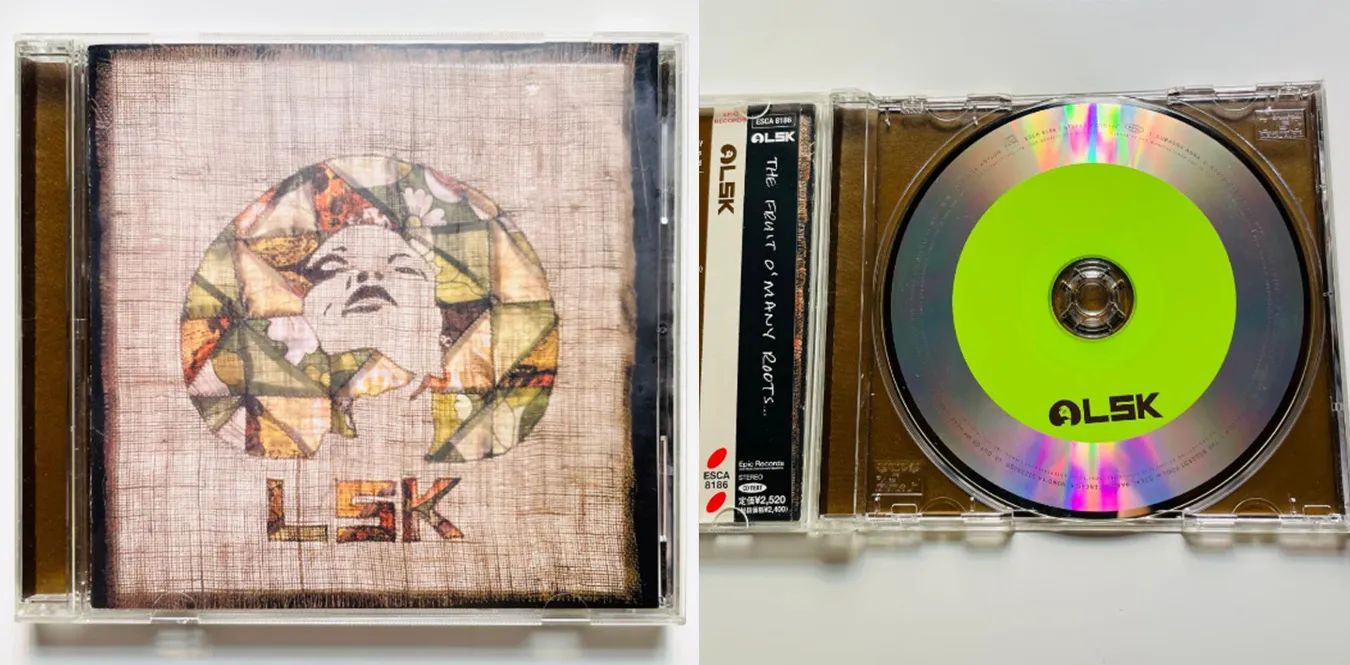
LSK – LSK
LSK (real name Leigh Stephen Kenny) is a singer-songwriter and producer from the UK.