[Column] Techno minimal vs acid techno: stripped-down aesthetics and runaway circuitry
Column en Acid Minimal Techno![[Column] Techno minimal vs acid techno: stripped-down aesthetics and runaway circuitry](/../assets/images/column-minimal-techno-acid-techno.webp)
Prologue: The common language of techno
| Text: mmr | Theme: Minimal techno and acid techno were born from the same source of techno, but diverged into completely opposite aesthetics depending on the city, club space, and social background. A three-dimensional comparison of the history, acoustic structure, philosophy, and club experience differences in over 10,000 characters. |
The idea of repetition started in Detroit
Techno is a musical culture that was formed in Detroit in the early 1980s, and is centered around repetition, mechanicality, and a focus on the future. Amid the decline of the automobile industry and the hollowing out of cities, young black creators viewed machines as extensions of humans and projected their vision of the future onto repetitive beats. At this point, techno was defined as music that emphasized structure and a sense of time over emotional expression.
Transmission and mutation to Europe
In the late 1980s and early 1990s, techno traveled to Europe and was interpreted differently in each city. Particularly in cities such as Berlin, Frankfurt, and London, the club space itself became a defining element of music, and techno began to function not just as a genre but as an operating system for urban culture.
Before it was music, techno was a common language for connecting cities and bodies.
Background of the birth of minimal techno
The experimental site of Berlin after reunification
The outline of minimal techno became clear in Berlin in the early 1990s. The countless empty buildings, warehouses, and underground spaces created by reunification became hotbeds for extended parties. Berlin’s clubs assumed a timeline that would not end in one night, and music required sustainability and stability rather than flashy developments.
Resonance between minimalism in architecture and art
Berlin at the time was strongly influenced by post-Bauhaus functionalism and modern art minimalism. The aesthetics of eliminating decoration and exposing the structure itself was naturally applied to music as well. Minimal techno was not only music played in clubs, but also part of the spatial design.
Minimal techno was an inevitable sound born of the city of Berlin itself.
Minimal techno acoustic structure
Limiting the number of sounds and expanding the sense of time
Minimal techno uses extremely few sounds. It’s not uncommon for tracks to consist of just kicks, hi-hats, and short synth phrases. However, the repetition is not monotonous, and the auditory sense is constantly updated by minute changes in volume, EQ, and fluctuations in timing.
Interaction with club space
In a large club in Berlin, the bass makes the entire building vibrate. Minimal techno is designed with these characteristics in mind, and the music blends into the space. Rather than listening to music, the listener feels as if they are immersed in the flow of sound.
Minimal music was not music that made you listen to developments, but music that made you experience time.
Origin of acid techno
Coincidence between Chicago and TB-303
Acid techno’s origins lie in Chicago in the mid-1980s. The Roland TB-303 was originally designed for guitar practice, but was considered a failure in the market. However, this equipment, which found its way onto the second-hand market, created a bass sound that had never been seen before with its unique resonance and slide function.
Combining with UK rave culture
In the early 1990s, acid made its way to Britain and became associated with illegal raves and outdoor parties. Acid techno, which echoed in warehouses and fields, was directly connected to the pleasure of deviating from the system, evolving in an excessive and aggressive direction.
Acid techno was the sound of rebellion amplified on the fringes of the city.
Acoustic structure of acid techno
Improvisation of resonance operation
The core of acid techno lies in the real-time manipulation of the TB-303’s filter and resonance. Sound is not fixed and constantly transforms. This improvisation gives the track a raw sense of tension.
Direct effects on the body
High resonance and distortion directly stimulate the listener’s body. Acid techno is music that triggers a physical reaction before the auditory sense, and prioritizes the senses over the rational.
The acid sound goes wild first before being brought under control.
Contrast between ideology and aesthetics
Minimalism of anonymity and immersion
In minimal techno, DJs and artists are not in the foreground. The booth is dark and visual information is extremely limited. What matters is not who is playing the music, but how the sound fills the space.
Acid of excess and hedonism
In acid techno, the sounds are assertive and sometimes even humorous. The distorted bass line symbolizes an attitude that favors chaos over order.
Even with the same repetition, thoughts diverged depending on whether they were heading towards silence or frenzy.
Functions in club space
Minimal design suitable for long-term operation
Minimal techno dominates the floor at a Berlin club all night long. Because there are fewer movements, dancers feel less fatigued and can continue dancing for long periods of time.
Acid rules peak time
Acid techno instantly raises the temperature on the floor. By being introduced at peak times, it creates a collective explosion.
In the club, music functions as a device to manipulate time and emotions.
Chronology Intersection of minimal and acid
| Years | Events |
|---|---|
| 1985 | TB-303 is reevaluated on the used market |
| 1988 | Acid house spread to Europe |
| 1991 | Minimalist techno emerges in Berlin |
| 1995 | Clear differentiation between minimal and acid |
| 2000 | Both trends are reevaluated and hybridized |
Repeating branching and crossing was itself the evolution of techno.
Diagram Comparison of structure between minimal and acid
Two extreme directions have expanded the expressive realm of techno.
Conclusion Balancing reduction and excess
Minimal techno and acid techno used the same language, techno, but reached completely opposite expressions. Minimalism gained depth by stripping things down, and acid created excitement by distorting it. The existence of these two extremes allows techno to transcend mere dance music and continue to exist as part of urban culture itself.
The strength of techno lies in the fact that it contains both calm and frenzy at the same time.
Explore more like this
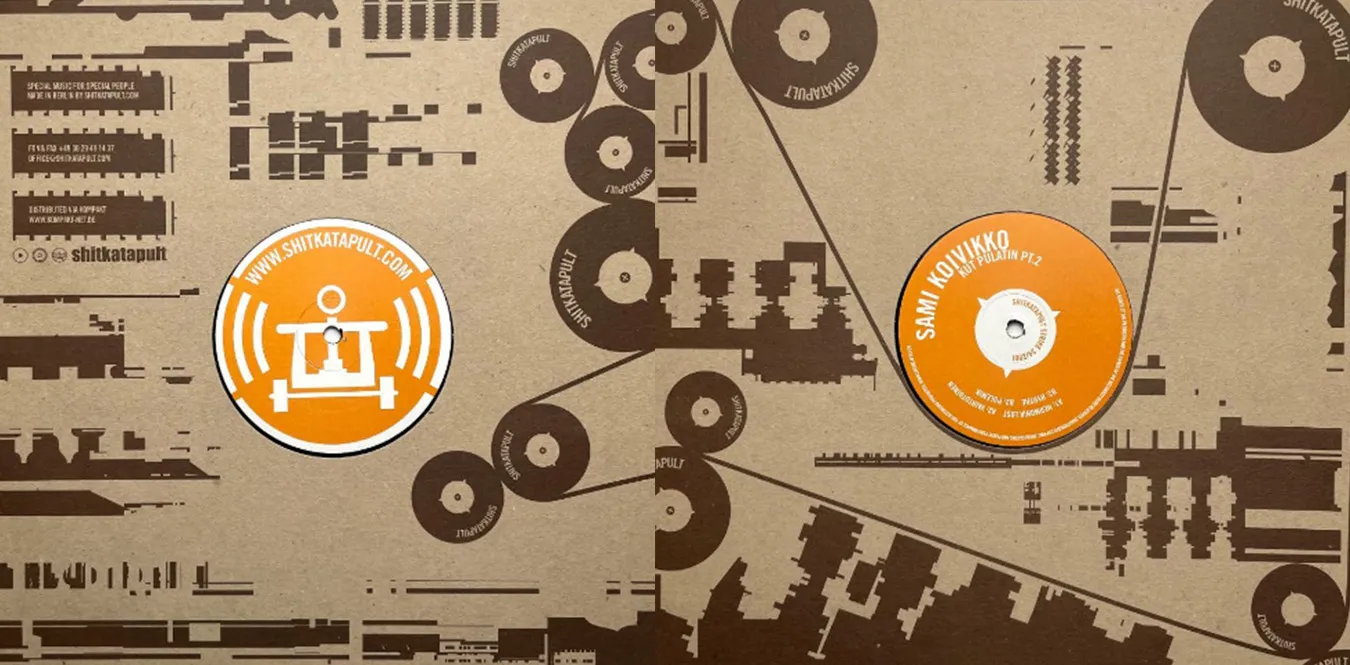
Sami Koivikko – Kut Pulatin Pt. 2
Sami Koivikko is a techno producer based in Finland. Known as a standard bearer of minimal techno and click techno, he has released works on various labels such as the...
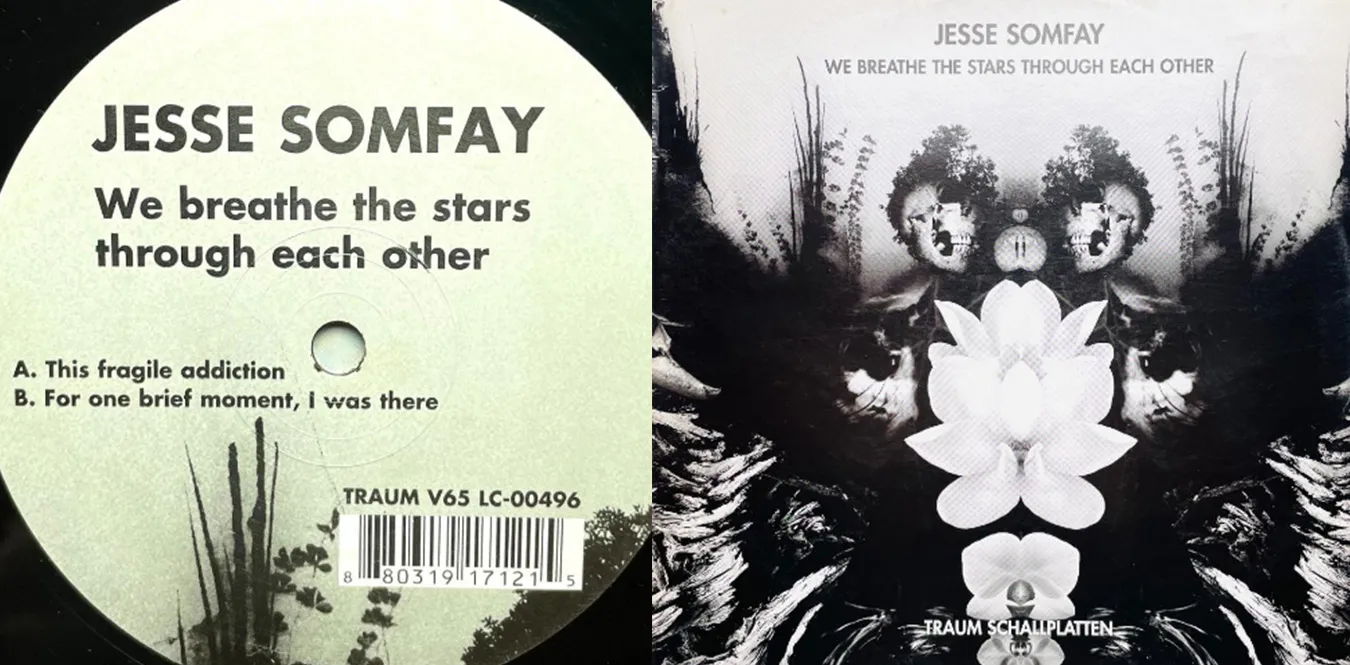
Jesse Somfay – We Breathe The Stars Through Each Other
Jesse Somfay is a producer from Canada who has been active with prestigious labels Archipel and Traum Schallplatten since the mid-2000s. His style is a fusion of minimal techno, ambient,...
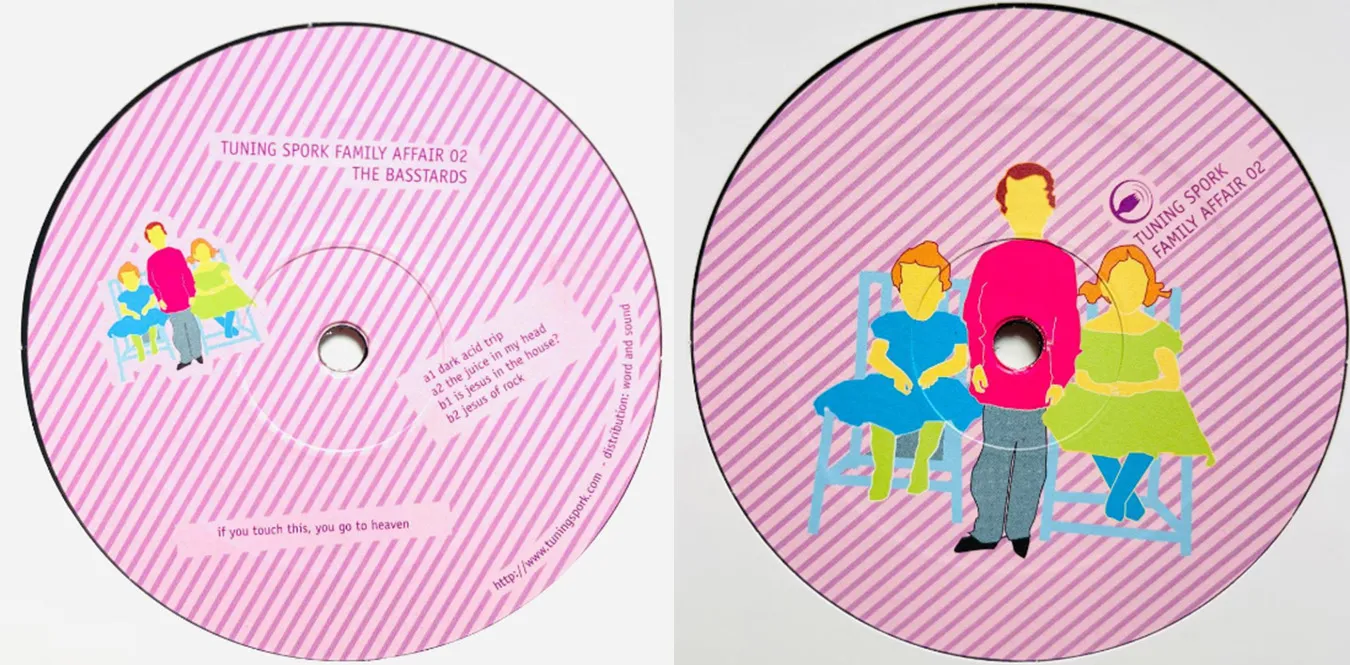
The Bastards – If You Touch This, You Go To Heaven
The Basstards is a project by DJ Argenis Brito, also a member of Señor Coconut And His Orchestra, Cem Oral aka Jammin’ Unit, and Jay Haze, head of the label...
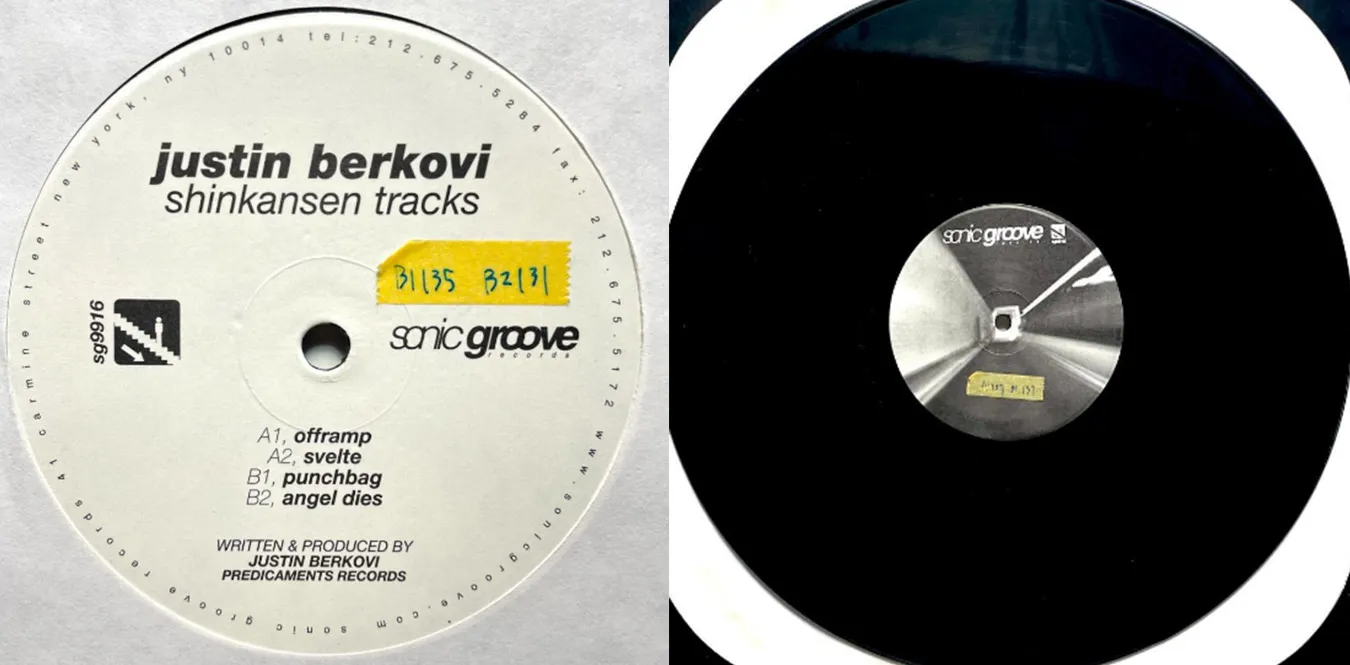
Justin Berkovi – Shinkansen Tracks
Justin Berkovi is a London-based techno DJ/producer and founder of the labels Predicamentst and Nightrax.
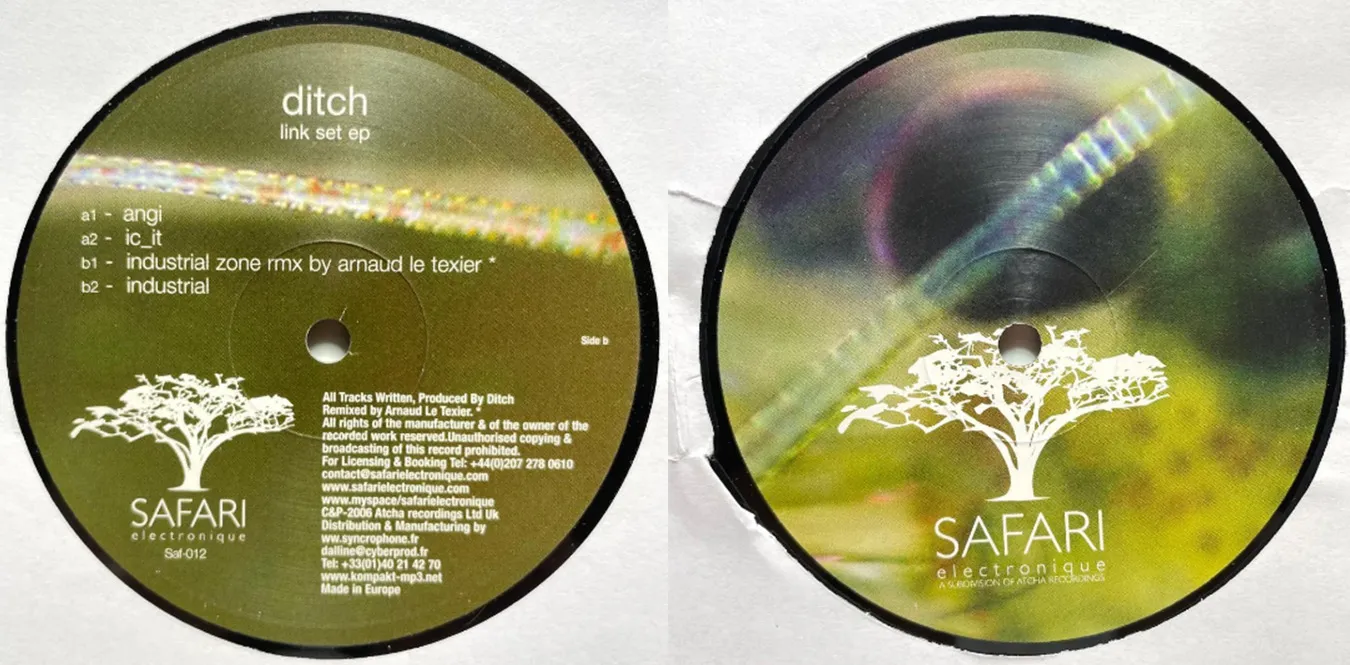
Ditch – Link Set EP
Shinichiro Kono, also known as Ditch, is a Sendai-based Japanese producer who has been working as a Minimal House & Techno DJ since 2001. He has released on numerous labels...
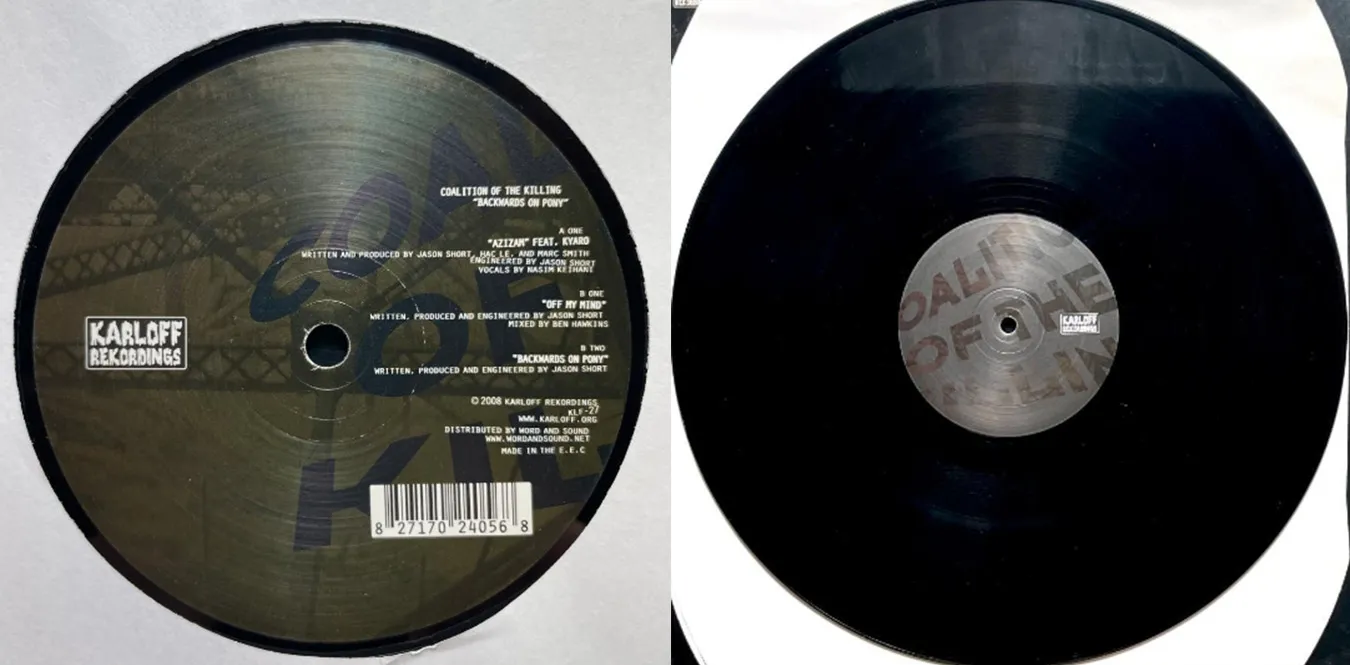
Coalition Of The Killing – Backwards On Pony EP
Coalition Of The Killing (COTK) is a San Francisco-based techno duo consisting of techno DJ/producers Jason Short and Marc Smith.
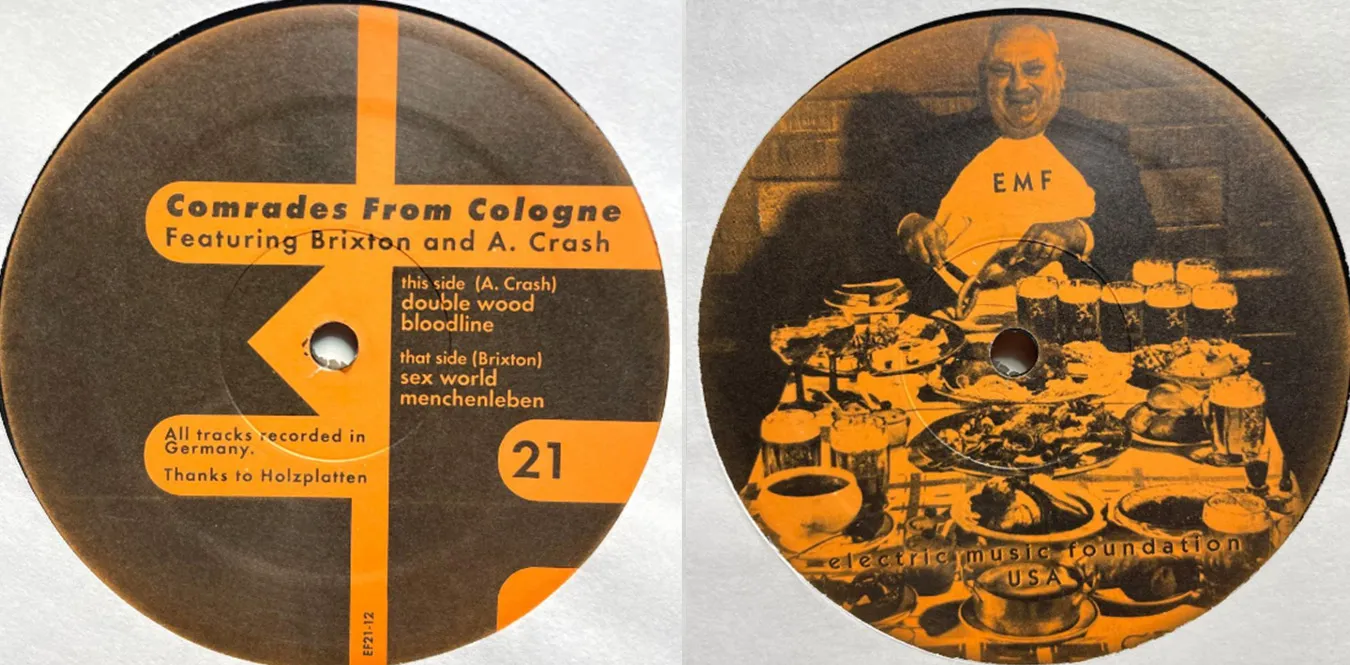
A. Crash and Brixton – Comrades From Cologne
Split single by A. Crash (Andreas Kremer) and Brixton (Norbert Georg Brixton Wieschollek) from Germany.
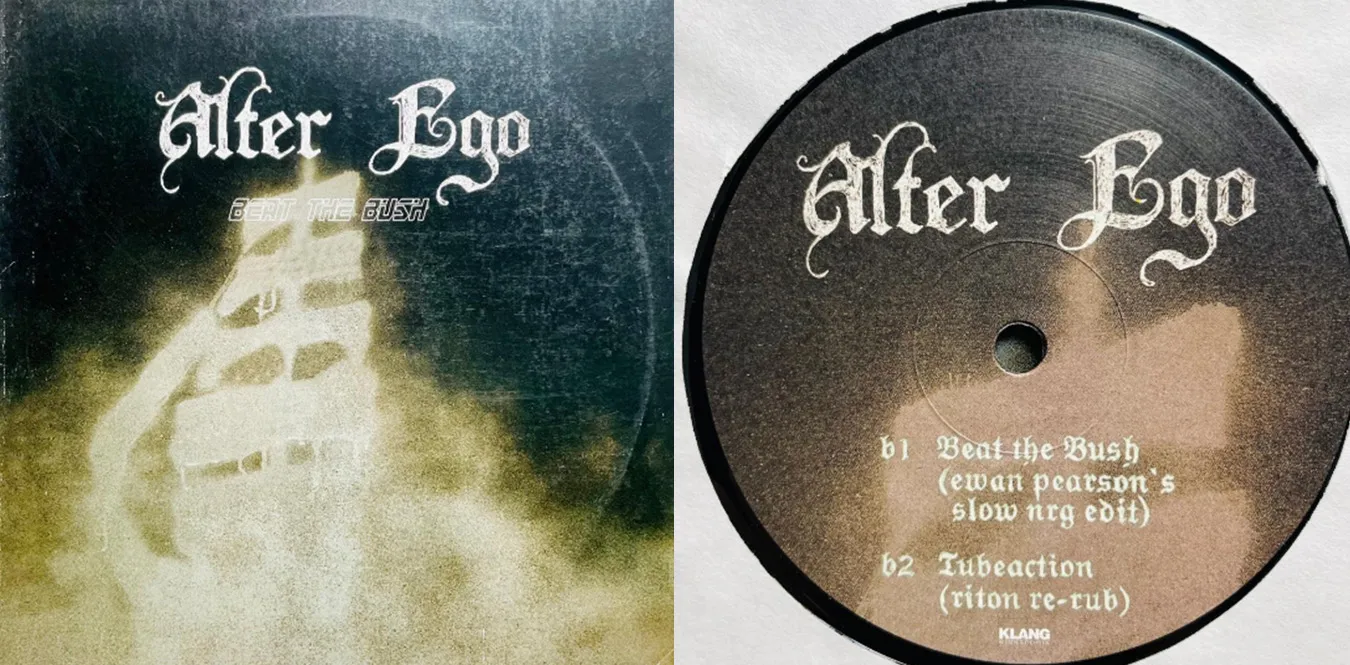
Alter Ego – Beat The Bush
Alter Egoは、1992年にRoman FlügelとJörn Elling Wuttkeが結成したドイツのエレクトロニックミュージックデュオ。2004年の代表作「Rocker」でよく知られている。
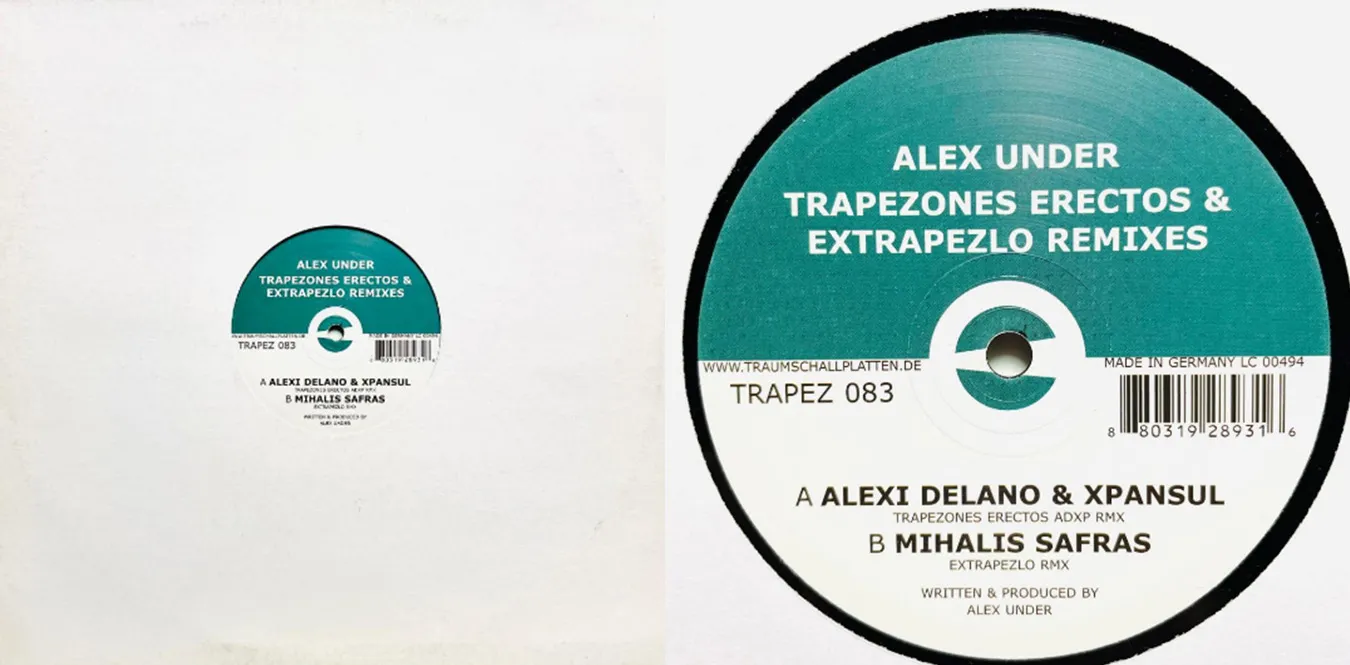
Alex Under – Trapezones Erectos & Extrapezlo Remixes
Alex Under (Alejandro Moreno Morales) is a Spanish DJ/producer and founder of the label Cmyk Musik.
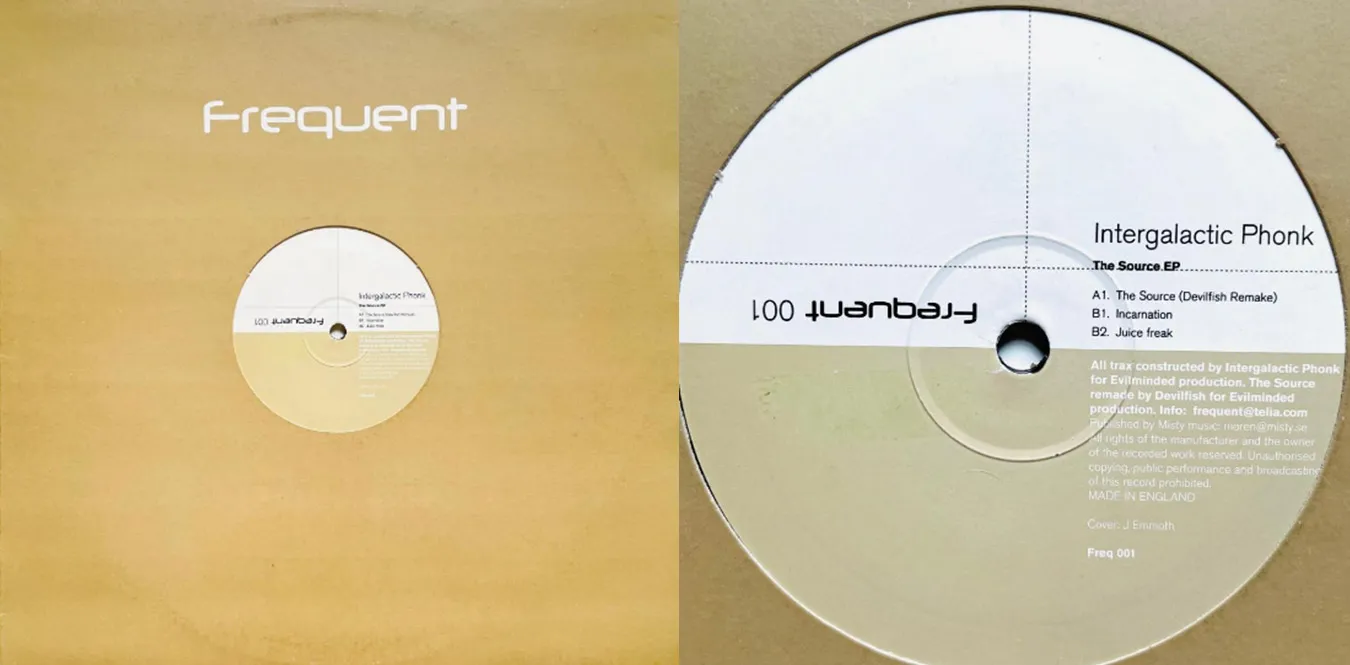
Intergalactic Phonk – The Source EP
Intergalactic Phonk は、Frederik SoderstromとSina Morshed Soloukによるデュオ。Devilfish名義でよく知られている。
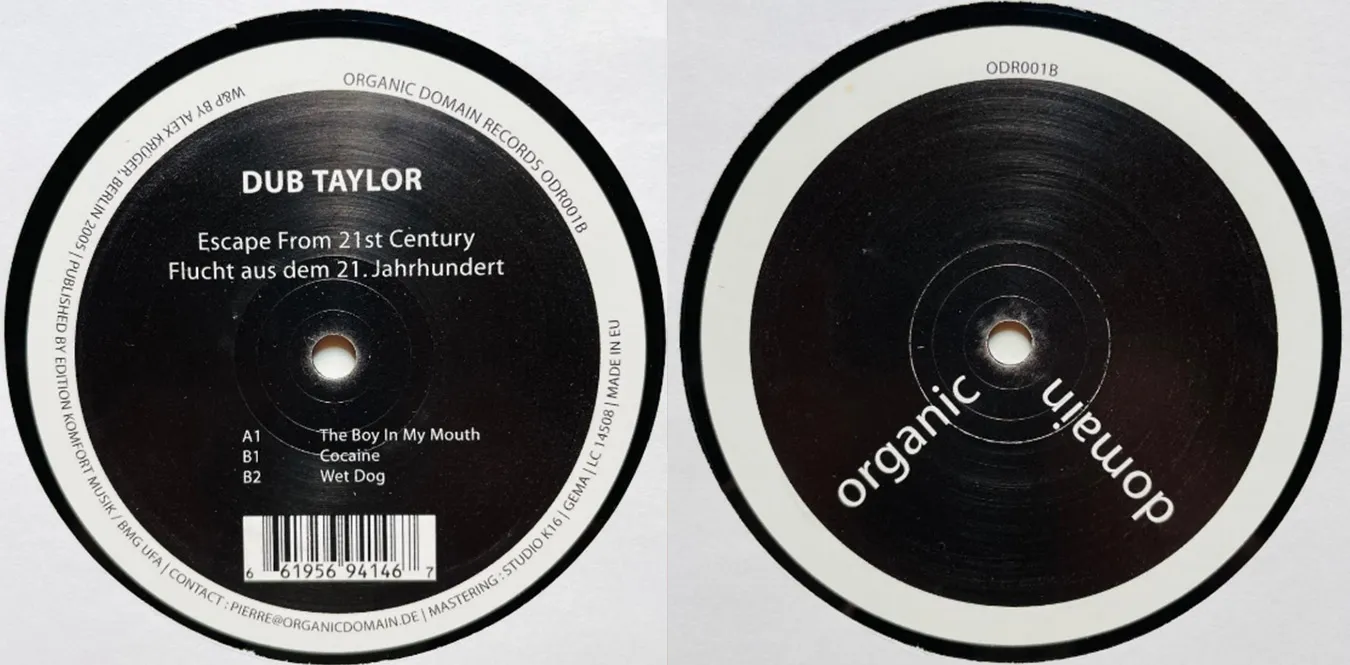
Dub Taylor – Escape From 21st Century
Alex Krüger, also known as Dub Taylor, is a German producer who also works under the name Tigerskin, and is a DJ who led the Dub Techno movement from the...