![[Column] Len Faki's deep analysis of techno: From Berlin to the world](/../assets/images/column-len-faki.webp)
Introduction
Text: mmr|Theme: From Len Faki’s career and background, analysis of the structure, rhythm, and acoustic characteristics of his representative songs, the time axis of DJ sets, production/mixing techniques, and influence on the scene
Len Faki is an iconic figure at the forefront of modern techno, a DJ and producer deeply connected to the heart of Berlin club culture. His work and DJ sets offer an experience that is more than just music, creating a unique structure of space and time on club floors and festival venues.
Chapter 1: Career and Background
1.1 Early life and early activities
Len Faki (real name: Levent Faki) is from Stuttgart, Germany. He has Middle Eastern roots and began his career as a DJ/producer in the mid-1990s. Their initial name was La Monde, and they gained experience in Stuttgart’s local techno/house scene. In 1997 he launched the Monoid label, and in 1999 he also established the Feis label. Alongside these activities, he built up a career as a DJ and entered the Berlin club scene.
1.2 Relationship between Ostgut Ton and Berghain
Len Faki developed a deep relationship with the Ostgut Ton label. Ostgut Ton is a label associated with Berlin”s legendary club Berghain, and is located at the heart of Berlin”s techno scene. Through his residency at Berghain, Len Faki developed a unique sound style based on the interaction between the club space and the audience. He also founded a sub-label called Podium, which focuses on techno creativity and nurturing emerging artists.
1.3 International activities
Len Faki is known for his long-form DJ sets, and through his residency at Berghain, he has appeared as a headliner and key act at clubs and festivals around the world. In recent years, we have also been developing online distribution sets and new album projects (e.g. Fusion). Their style continues to influence the international techno scene, fusing modern sounds while preserving techno tradition.
Chapter 2: Structure and acoustic analysis of representative tracks
We take Len Faki’s signature tracks and analyze them in detail, including their structure, rhythm, sonic characteristics, and role in a DJ set.
2.1 BX3
basic information
- BPM: 125
- Key: G major
- Released: Berghain 03 mix CD included, 2009
Song structure and rhythm
From the intro, kicks and hi-hats are gradually added and the song progresses to a build-up. After the drop, the low-range kick and bass drive the floor, while white noise and sirens create a sense of tension. This is a typical club configuration where the pitch becomes gentle at the break and then builds up a sense of excitement as it prepares to drop again.
Acoustic characteristics (estimated)
- Kick energy is concentrated in the low range (40–60Hz)
- Sub-bass and percussion layers in the midrange
- White noise, siren, and synth pads create a space in the upper range
Role in DJ set
It is often used from the middle to the peak of a set, and is the main track to create a sense of excitement.
2.2 Mekong Delta
basic information
- BPM: 129
- Key: G major
- Length: Approximately 8 minutes 15 seconds
Song structure and rhythm
It starts with a quiet intro, followed by low-frequency percussion and bass. Synth lines and melodies are added in the middle, creating a dramatic depth. The return to rhythm after the break creates a wave of emotion on the club floor.
Acoustic characteristics (estimated)
- Low: Kick and bass support the floor
- Mid-high range: The main synth and pads are expanded and spatially processed.
- Stereo: Creates a three-dimensional effect with a layered structure that spreads left and right
Role in DJ set
As a mid-range track with a driving feel, it is suitable for increasing energy towards the peak.
2.3 Death By House
basic information
- BPM: 122
- Key: B minor
- Length: Approximately 7 minutes 12 seconds
Song structure and rhythm
It has a stable groove with a medium to low tempo. While the kick is sharp, it also has a solid feel, and the baseline is smoothly linked. Hi-hats and sub-percussion add complexity and give movement to the overall rhythm.
Acoustic characteristics (estimated)
- Low range: Stability with kick and bass
- Midrange: percussion and synth layers
- High frequencies: Create space with hats and synth effects
Role in DJ set
It is used to maintain the groove in the middle of a set or take a break in the middle of a set, and has the role of stabilizing the floor.
2.4 My Black Sheep
basic information
- BPM: 125
- Key: G minor
- Length: Approximately 8 minutes 44 seconds
Song structure and rhythm
It has a strong melodic element, with pads and synths gradually merging with the rhythm in the intro. After the drop, the melody and beat develop in multiple layers, and the break calms down for a while, creating a bridge to the next build.
Acoustic characteristics (estimated)
- Low: Stabilize the floor with kicks and bass
- Mid-high range: Melodic synths, pads, and reverb processing create a sense of space
- Stereo: Produces a three-dimensional effect with a wide layer structure
Role in DJ set
This is an important track that creates emotional peaks and calm moments in the middle to the latter half of the set.
2.5 Robot Evolution
basic information
- BPM: Estimated around 128
- Key: Estimated A minor
- Structure: Produces a futuristic feel with mechanical rhythms and synths
Song structure and rhythm
Hard kicks and bass are repeated, and mechanical synths and percussion occupy the midrange. Clear build-break-drop structure, perfect for festivals and peak sets.
Acoustic characteristics (estimated)
- Low: Heavy sub-bass and kick
- Midrange: Mechanical synth, rhythmic patterns
- High frequency: Extend tension with effects and noise
Role in DJ set
It is placed at peak times to uplift the audience and provide a futuristic and powerful performance.
Chapter 3: Time axis analysis of festival/club set
In a typical Len Faki long set, each track is strategically placed to form the emotional curve of the club floor.
Chapter 4: Production/mixing techniques and DJ strategies
4.1 Mixing/EQ/Filter Strategy
- Control early, middle, and peak dynamics using EQ and filters
- Create space with reverb delay
- Increase build-up and tension with noise sirens
4.2 Set composition strategy
- Calculate tempo, energy, and emotional waves
- Long set with smooth transitions in mind
- Flexible song selection according to audience conditions
Chapter 5: Legacy and Influence on the Scene
5.1 Contribution to Berlin Techno
- Internationalizing Berlin Techno through Berghain and Ostgut Ton
- Long sets and song selection philosophy are indicators for young DJs
5.2 Label management and artist development
- Discover and support new talent with Podium
- Maintain production standards with your own releases
5.3 Global Impact
- Spreading Berlin techno to the world through international tours and festival appearances
- Presenting a new club experience with online sets
Conclusion
Len Faki is the link between Berlin techno’s tradition and future. His tracks and sets have a calculated uplifting and spatial presentation that creates a unique experience on the floor. We will continue to keep an eye on his activities and the next generation of artists he is nurturing.
YouTube Podcast
*This podcast is in English, but you can watch it with automatic subtitles and translation.
Explore more like this

Samuel L Session – Body Slam EP
Samuel L. Session is a DJ/producer representing the Swedish techno world. He is best known for hit songs such as ““Merengue” and ““Can You Relate.”
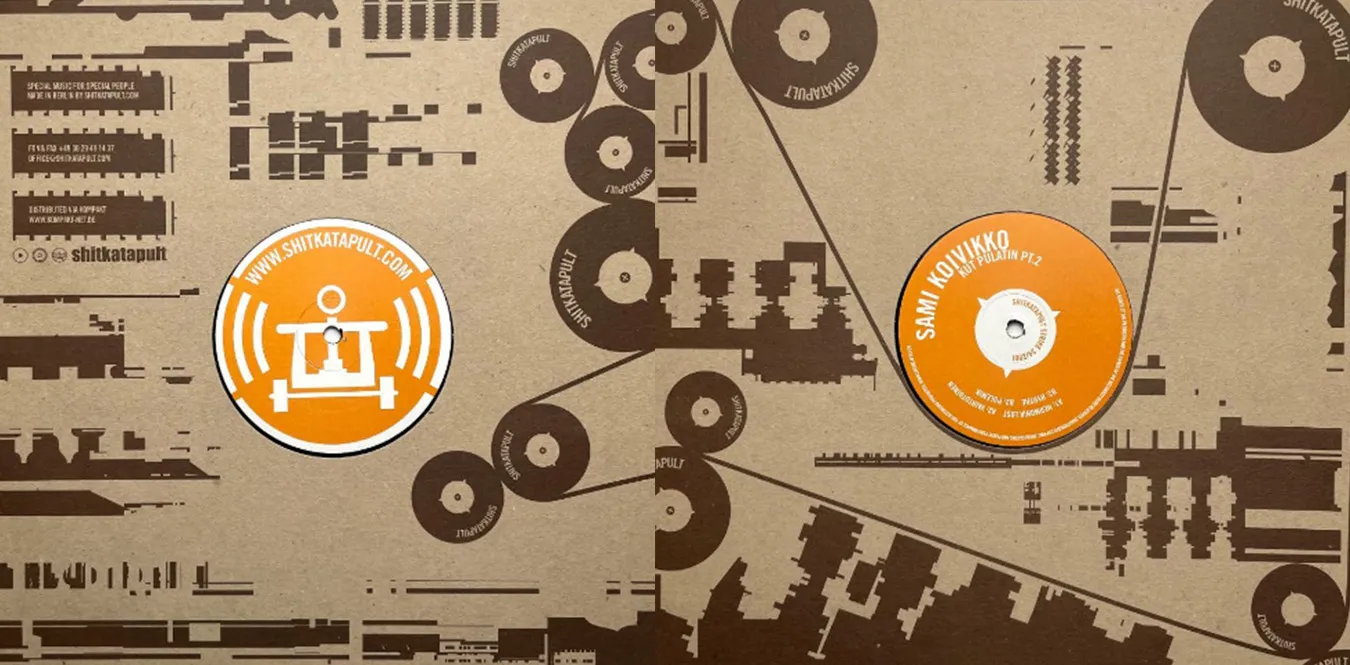
Sami Koivikko – Kut Pulatin Pt. 2
Sami Koivikko is a techno producer based in Finland. Known as a standard bearer of minimal techno and click techno, he has released works on various labels such as the...
.webp)
Ramirez – Terapia (Hocus Pocus Remixes + DMC UK Rmx)
Ramirez is an electronic dance music project created by the Italian DFC label in the early 90”s. DFC”s production team, Davide Rizzatti, Elvio Moratto, Ricki Persi, and singer Alex Quiroz...
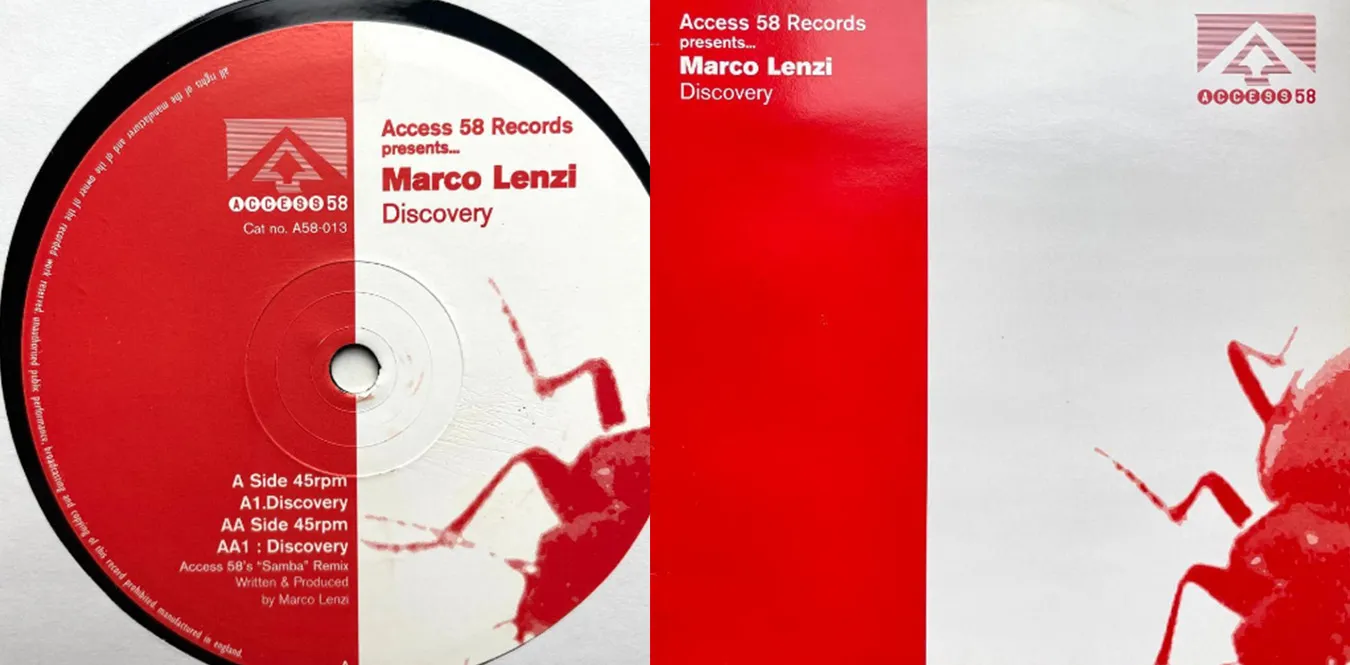
Marco Lenzi – Discovery
Marco Lenzi is a D/producer/label owner from Rome, Italy. In the late 1980s, he worked with the London labels Silverfish Records and Eukatech Records, and established his own label, Molecular...
Marco Carola – Appendix C
Marco Carola is an Italian electronic musician/DJ. He has released music on prestigious labels such as Minus, Plus 8, 2M, and Primate Recordings.
Justin Berkovi – Red Vision
Justin Berkovi is a veteran DJ/producer in the British techno world who has been active since the 1990s. He also works under the name BTrax and runs the label Predicaments....

Jesse Somfay – We Breathe The Stars Through Each Other
Jesse Somfay is a producer from Canada who has been active with prestigious labels Archipel and Traum Schallplatten since the mid-2000s. His style is a fusion of minimal techno, ambient,...
Sandy Warez – Tribal Tricks Vol. 1
Sandy Warez is a veteran DJ in the hardcore techno world with over 20 years of experience. He presides over ““Footworxx’’, one of the most influential labels in the modern...
Man-To-Man – Cyclone
Man-To-Man is the alias of Pierre Jerksten, a veteran Swedish DJ and producer known worldwide as Hertz.
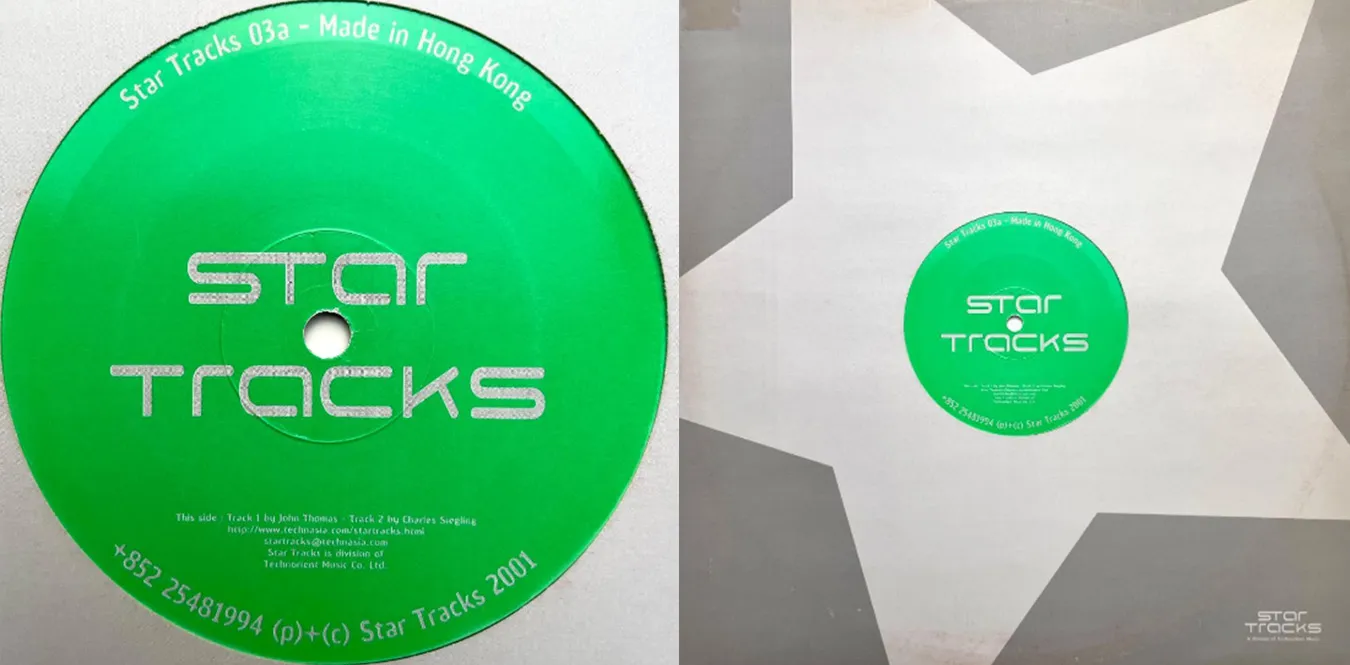
John Thomas Charles Siegling – Star Tracks 03
John Thomas is a French electronic music producer and co-founder of Ginga Music. He also worked as The Collective, a project with minimal electronic music producer/DJ Jean-Guillaume Cabanne and Jeff...
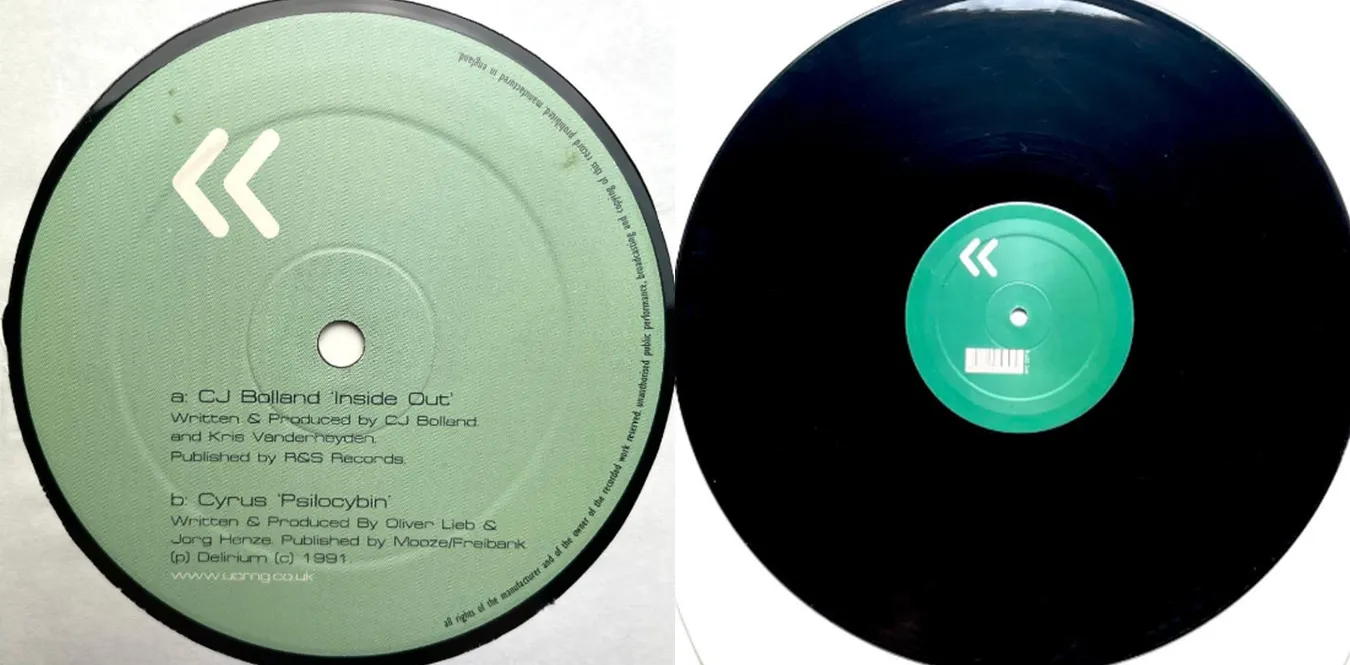
CJ Bolland / Psilocybin – Inside Out /Cyrus
“Inside Out / Cyrus” is a split album released in 2000 by UCMG UK’s sub-label Rewind The Classics.