[Column] K15 - The light and shadow of a new generation of London nurtured by EGLO
Column en 10s Broken Beat Deep House House![[Column] K15 - The light and shadow of a new generation of London nurtured by EGLO](/../assets/images/column-k15.webp)
Introduction — Why “Eglo × K15” now?
Text: mmr|Theme: Unraveling the history of EGLO’s main artist K15, his views on music, and his signature song “Sunbeams”
In London’s underground music scene, K15 (real name: Kieron Ifill) has been recognized as a band that gracefully straddles the gap between club music and spiritual jazz. Although his music crosses genres such as house, broken beat, jazz, soul, and electronica, it always has a pure “temperature”. The combination of experimentation and warmth is surprisingly similar to the aesthetics of the label EGLO Records.
In the club/dance music scene, there is often talk of ““trends” and ““the ups and downs of a genre.” However, among these labels and works that remain over time, there is a ““thought” and ““community” that is more than just a trend.
Eglo Records, founded in London by Floating Points and Alexander Nut, is a representative independent label that emphasizes continuity and diversity.
In Eglo”s catalog, K15”s ““Sunbeams’’ is a unique and iconic work that combines elements of house, broken beat, Latin, and jazz. Why this work was created and what meaning it has - digging into its background and context is important when considering the overall picture of Eglo and the crossroads of modern dance/jazz/soul.
In this article, we will thoroughly delve into K15’s musical background, their connection with EGLO, the evolution of each work, and even their iconic track “Sunbeams” in a long column format based on facts.
Positioning of K15 in London
K15 has worked extensively within London’s underground music community as a club DJ, keyboard player and beat maker. Beyond the context of house and techno, it is recognized as an entity that bridges the gap between jazz and club music.
His distinctive feature is that while maintaining the intensity of a club, his melodies have a spiritual jazz flavor. Even before London’s new-generation jazz movement became visible, K15 was incorporating its seeds into his own work.
EGLO Records and K15
■ What is EGLO?
Founded in 2009 by Floating Points and Alexander Nut, EGLO Records has become a hub for London”s diverse music culture. It”s a label that symbolizes a scene where jazz, soul, deep house, and broken beat naturally mix.
■ Connection between K15 and EGLO
In the mid-2010s, K15 began to develop their own music while resonating with EGLO”s artists. His warm chord progressions, elegant keyboards, and soft drum programming perfectly matched the label”s organic atmosphere.
Early works and musical foundations
K15’s early works often featured broken beats with lo-fi textures and jazzy beats centered on keyboards. Already from this period,
- Detailed hi-hat
- Rounded kick drum
- Impressive electric piano chords
- Spiritual Ascent The following characteristics were observed.
This aesthetic was later strengthened and refined in EGLO’s works.
K15 Musical Aesthetics: Integrating Jazz and Electronic Music
What cannot be overlooked when talking about K15’s music is their ability to naturally integrate jazz idioms into club music.
- Chord progression is jazz-like
- Rhythm is broken beat or deep house
- Textures are soulful and organic
His style seems to place more emphasis on the ““temperature of the sound” and ““the presence of people” than on music theory, and even though it is a digital production, it retains the feel of a live performance.
Thorough analysis of the iconic song “Sunbeams”
"”Sunbeams”’ is often talked about as K15”s signature song. This song is considered to be the purest condensation of his aesthetics.
■ Song structure
- Based on the soft chords of electric piano
- transparent round hi-hat
- deep baseline
- Floating pad
- A rising melody that shines with light
The overall theme is ““sunshine’’, and it has a sense of warmth, hope, and coolness at the same time.
■ Why is it iconic?
K15 is good at
- “Electronic music with temperature”
- “The physicality of the club”
- “Jazz-like openness” This is because they are fused in perfect balance.
Flow of representative works: EP/collaboration history
K15 not only produces solo works, but also collaborates with singers and jazz players, and has a very wide range of activities. By combining his sensitivity as a beat maker and his melodic sense as a keyboard player, the ““K15-ness’’ naturally appears in each piece.
The main activities are summarized here along with a chronology.
Chronology: K15 activity history
Musical genealogy and influence chart
Spiritual Jazz / Fusion] --> C[K15] B[Club music
House / Broken Beat] --> C D[Soul / R&B] --> C E[EGLO's musical aesthetic] --> C
After EGLO: K15’s place in the contemporary UK scene
K15 was a natural part of London’s jazz renaissance. As the boundaries between club and jazz became blurred, his music became a model case that symbolized this trend.
- Functionality in the club
- Jazz tonality
- Warmth of Seoul
- Soft texture of electronic sounds
His method of making these things coexist has influenced subsequent generations as ““hints on how to make things.’’
Conclusion: The meaning of “Sunbeams” illuminated by K15
K15’s music always makes you feel a sense of ““human body temperature.’’ The symbol of this is ““Sunbeams,’’ which envelops the listener with sounds that resemble particles of light.
In the context of EGLO Records, K15 continues to symbolize both warmth and experimentation. When London’s cultural diversity, jazz renaissance, and club physicality are connected in a single line, the quiet light of K15 is always at the center.
Explore more like this
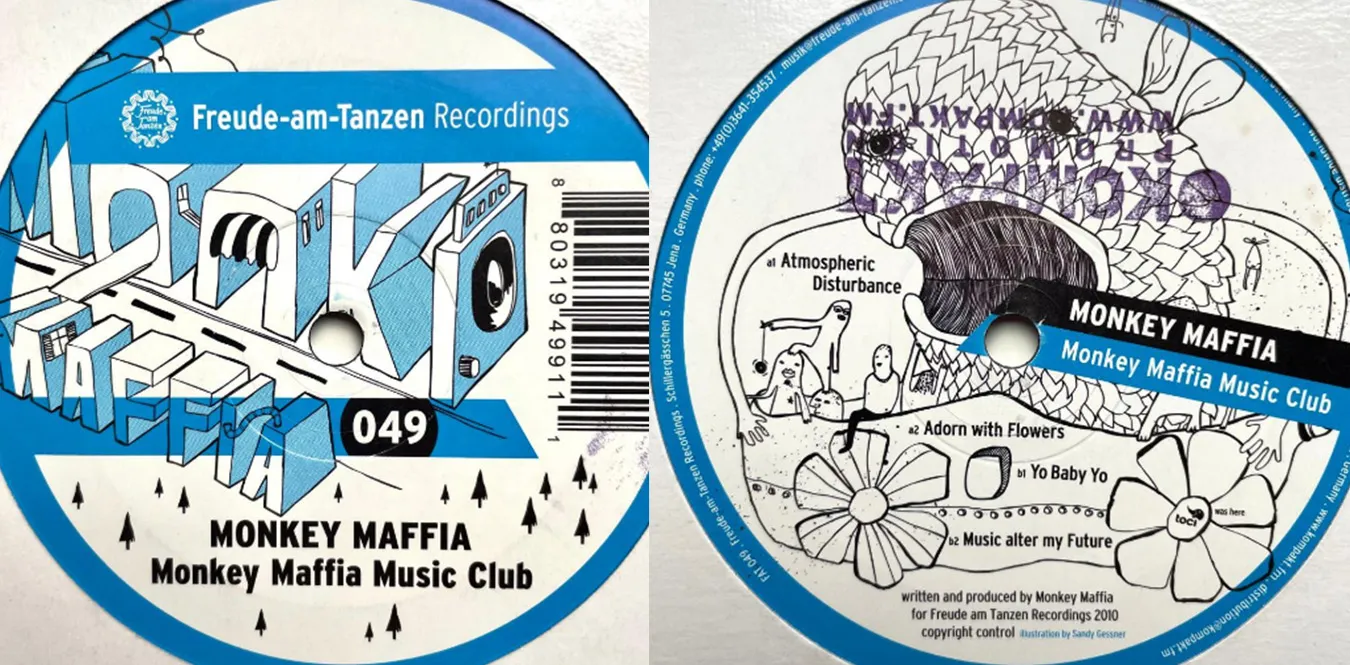
Monkey Maffia – Monkey Maffia Music Club
Sören Bodner, also known as Monkey Maffia, was a central figure in the German producer and label Freude Am Tanzen (FAT) and the owner of the record shop Fatplastics. (Death...
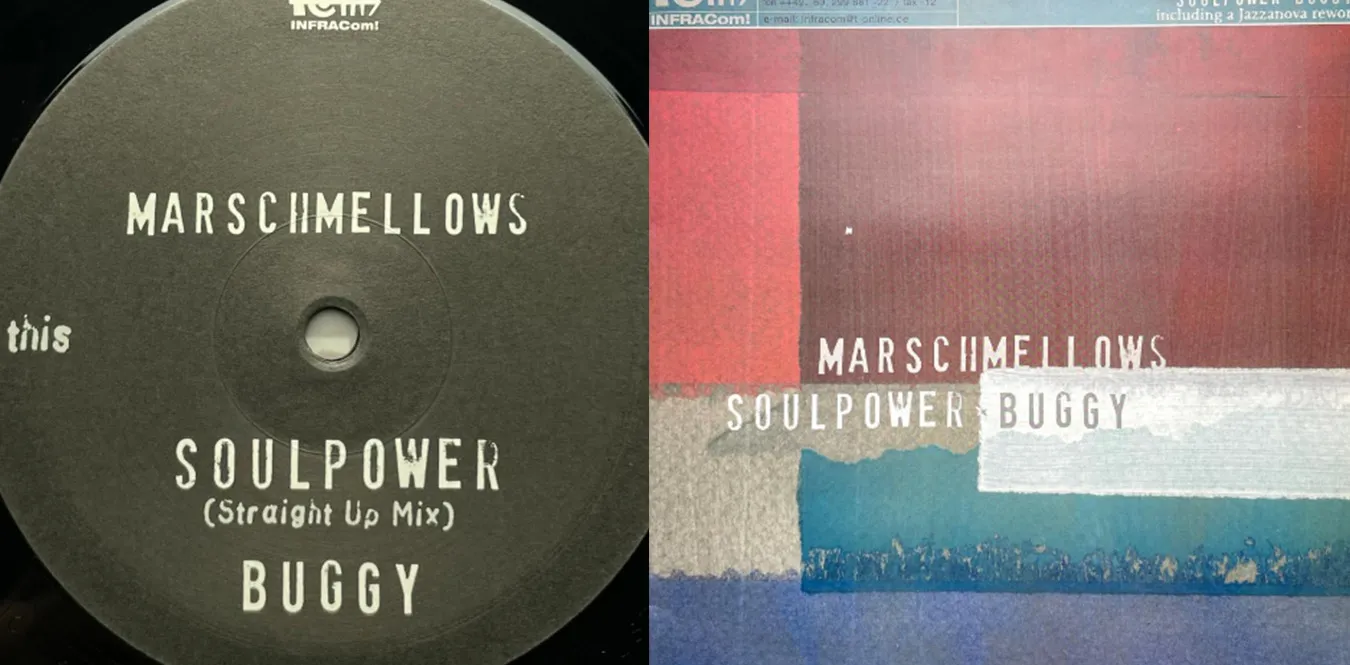
Marschmellows – Soulpower
Marschmellows is an electronic music project based in Germany from the late 1990s to the 2000s. Their sound is a fusion of Future Jazz, Broken Beat, and downtempo, and they...

Jody Watley – Whenever
Jody Watley is an American singer from Chicago. From 1977 to 1984, he was a member of the soul/disco group Shalamar. His solo hits include ““Looking for a New Love,”...
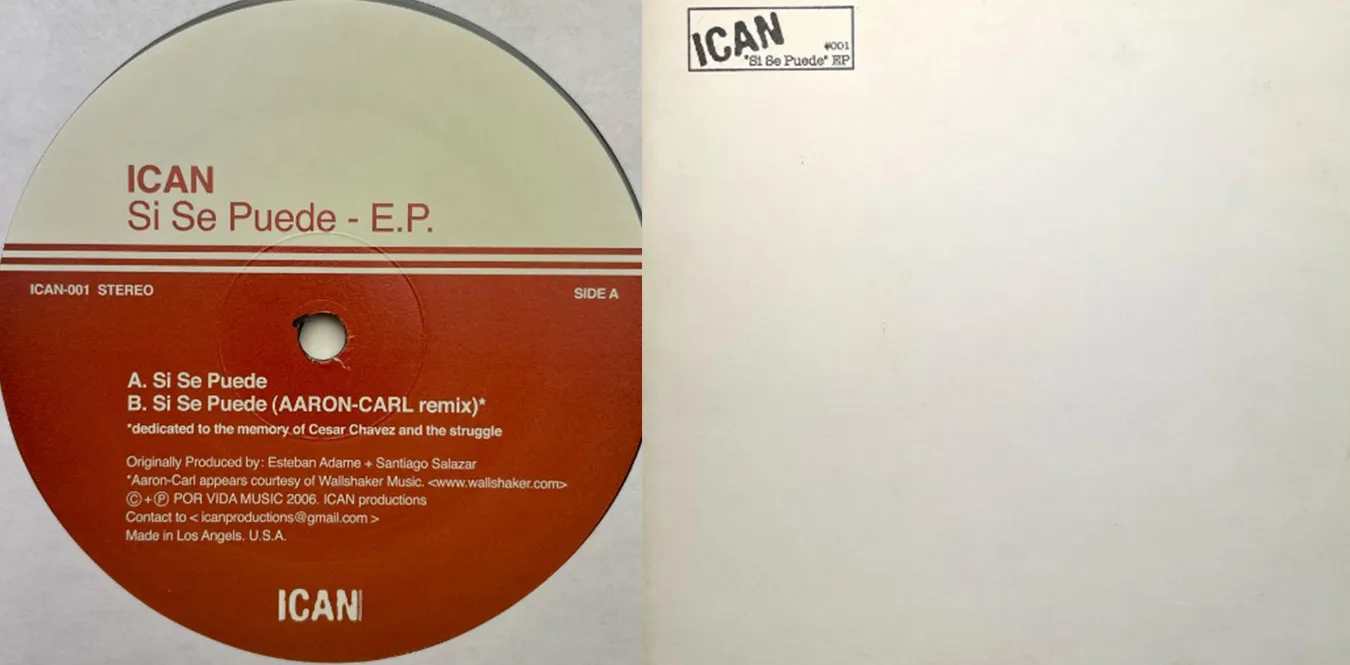
Ican – Si Se Puede E.P
Ican is a duo consisting of Esteban Adame and Santiago Salazar.
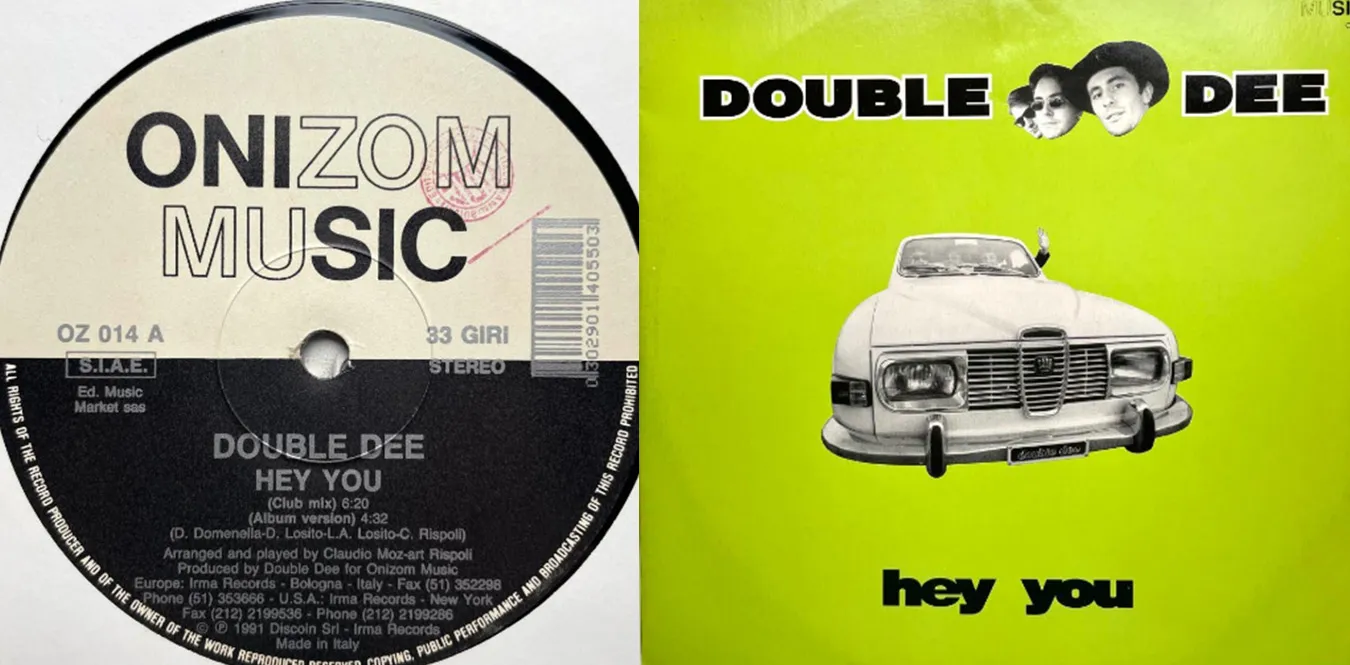
Double Dee – Hey You
Double Dee is a project of Italian producers/DJs: Claudio “Moz-Art” Rispoli, Davide Domenella, and Donato Losito.
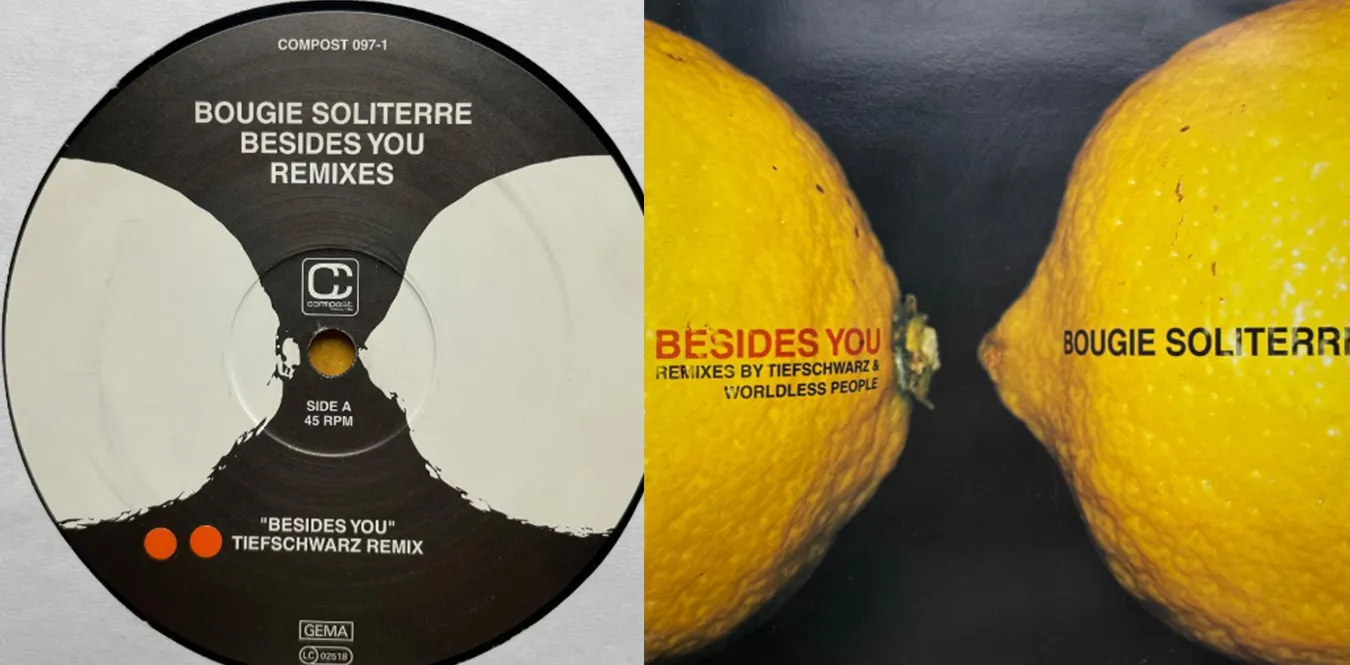
Bougie Soliterre – Besides You
Bougie Soliterre is a solo project by British producer Bettina Costanzo (who has released works on the British label Flipside and the prestigious German Compost Records).
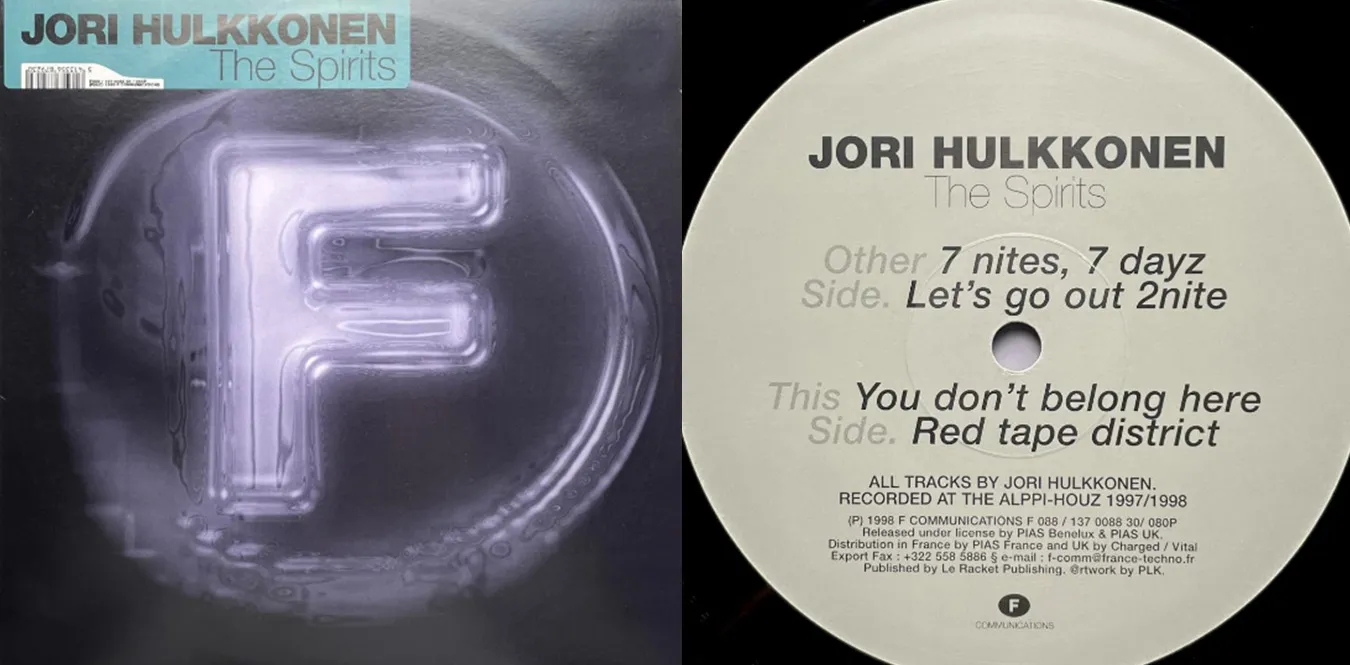
Jori Hulkkonen – The Spirits
Jori Hulkkonen is a Finnish DJ/house producer who has been active since the early 1990s. He has collaborated with versatile artists such as John Foxx, Jose Gonzales, Jesper Dahlbäck (as...
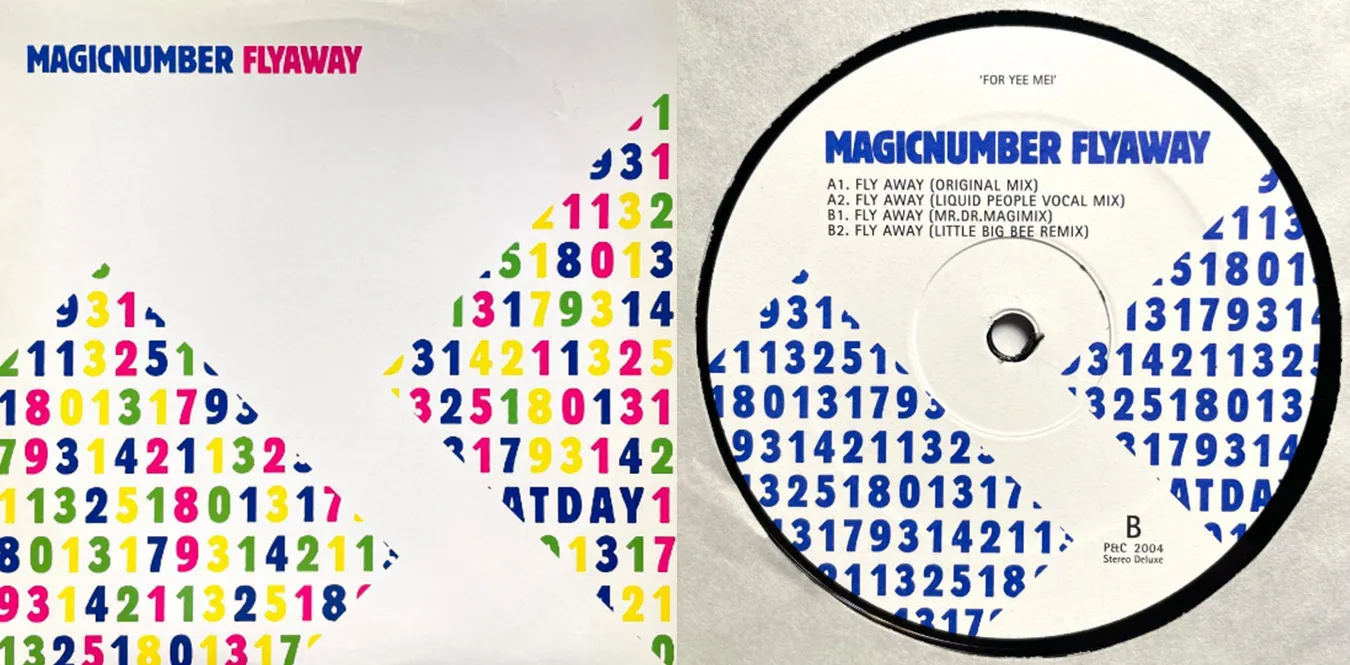
Magicnumber – Flyaway
Magicnumber is the alias of British musician/composer/producer/bassist Ross Hillard. Under the name Magicnumber, he develops a wide range of sounds that incorporate house, soul, downtempo, jazz and orchestral elements.
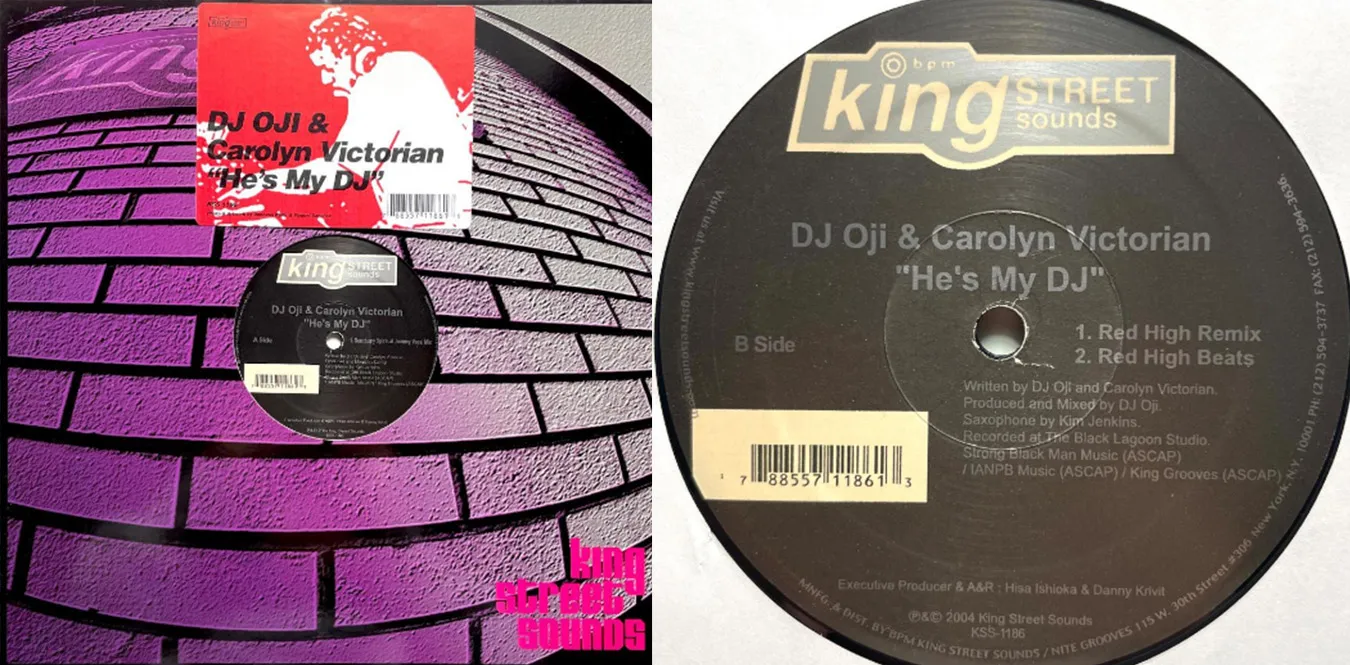
DJ Oji & Carolyn Victorian – He"s My DJ
DJ Oji is a DJ/producer based in Baltimore. “He”s My DJ”, co-written with fellow Baltimore-based vocalist Carolyn Victorian, is a House/Deep House track released on Hisa Ishioka”s House label BPM...
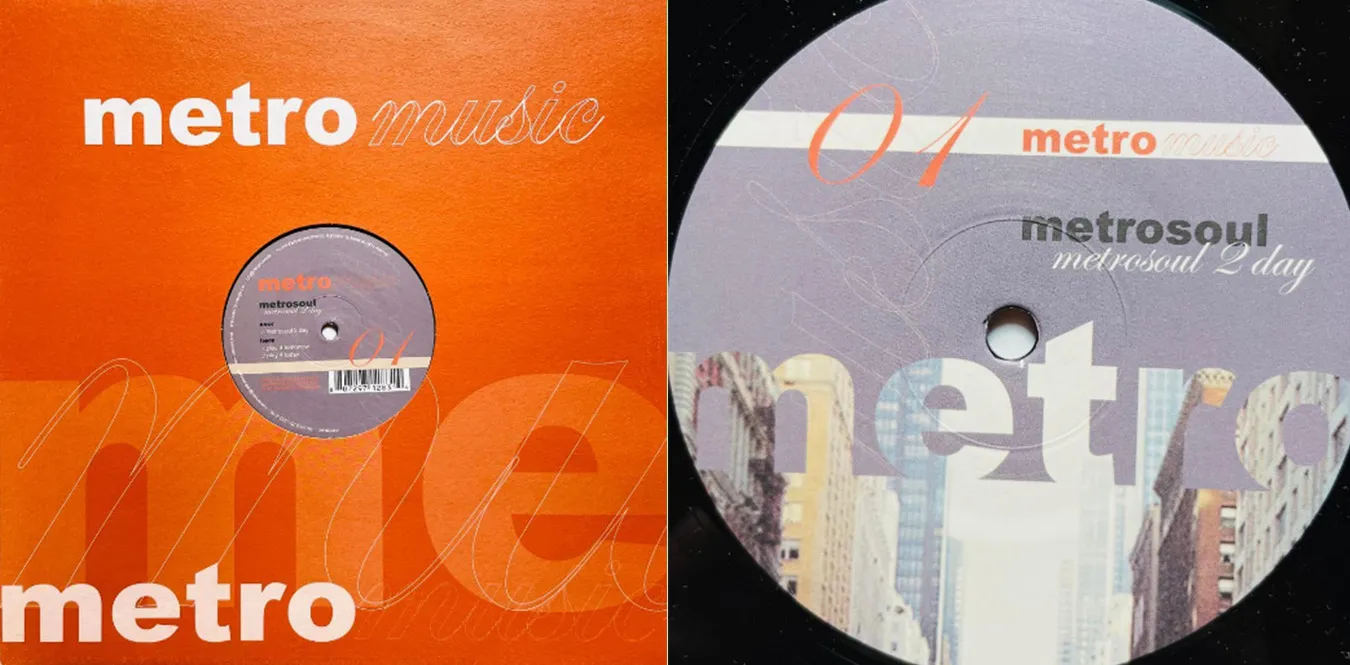
Metrosoul – Metrosoul 2 Day
Metrosoul is a project by German DJ/producers Carsten Sasiak, Daniel Kasprowicz, Frank Herbrechter (Herb LF), Matthias Kunert (Matthew Boone), Meikel Klein, and Tim Bernhardt. Carsten Sasiak & Meikel Klein (M....

Timothy Blake – Heat Crime
Timothy Blake is an Irish-born electro/house music producer/DJ based in Berlin, Germany. He has released works on independent European labels such as Kleine Reise Records, Dirt Crew, Fatty Fatty Phonographics,...
![[Column] Dego & Kaidi and Sound Signature](/../assets/images/column-dego-kaidi-so-we-gwarn.webp)