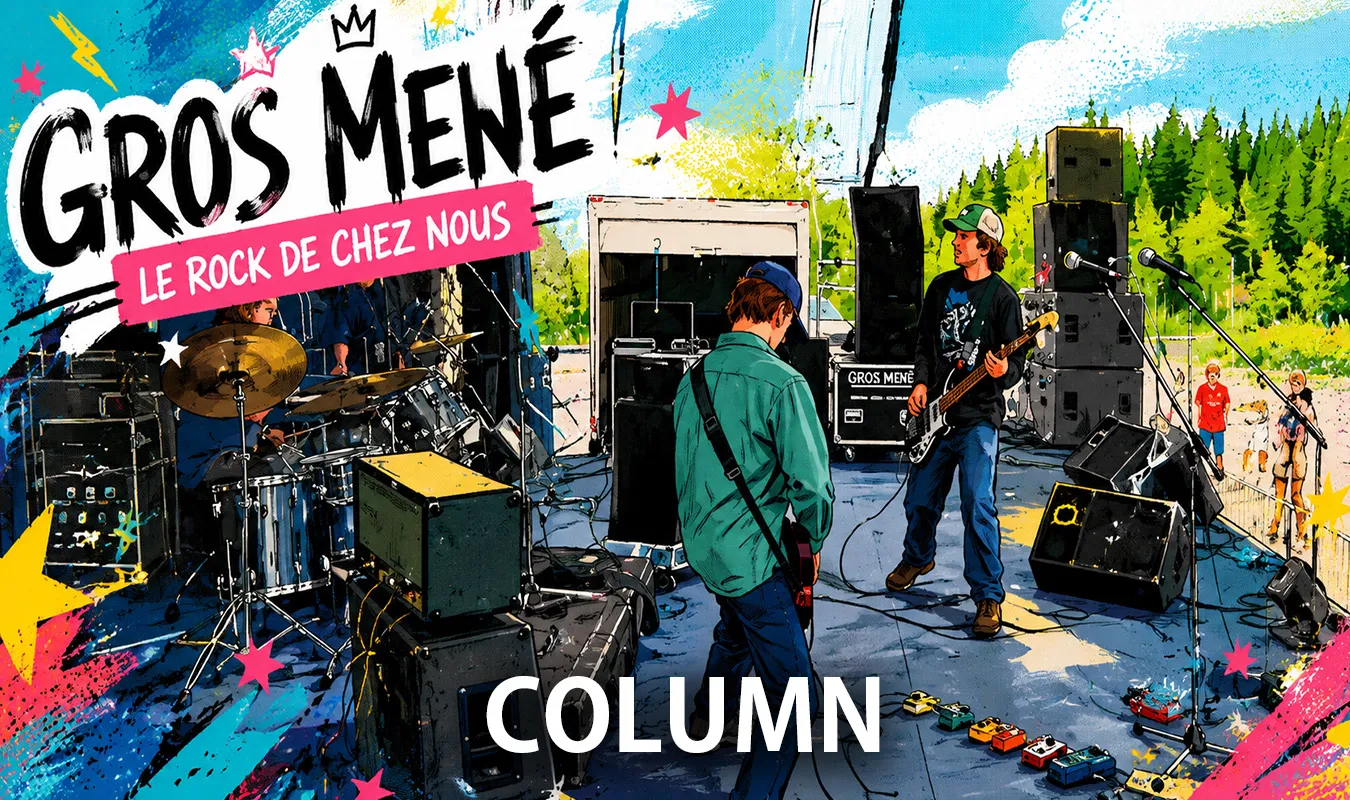
Gros Menéとは何だったのか
文:mmr|テーマ:ケベックのロック史に刻まれたGros Mené。その粗削りなサウンド、ユーモア、共同体感覚、そして長い沈黙と復活を通して、フランス語ロックの独自進化を辿る
“ロックを整えない”という選択
1990年代末、ケベックのロック・シーンでは多様な動きが同時に進行していた。 Les Colocsのように民衆性と社会性を帯びたグループが支持を広げる一方で、よりノイジーで粗く、英米オルタナティヴ・ロックやガレージ・ロックの影響を前面に押し出す音楽も地下で勢いを増していた。
Gros Mené appeared in this atmosphere.
The band was hardly trying to be “sophisticated” in the conventional sense. むしろ彼らは、演奏の荒々しさ、録音のざらつき、歪んだギター、酔いどれたブルース感覚、そしてケベックの地方文化特有のユーモアを積極的に前景化した。
Gros Menéの中心人物はFred Fortin。 ソロ活動でも知られるシンガー/ベーシストであり、後にGalaxieでも重要な役割を果たす人物である。 彼は1998年前後、ラフで重く、より肉体的なロックを鳴らすためにGros Menéを始動させた。
メンバーにはOlivier Langevin、Michel Dufour、Pierre Bouchardらが参加。 とくにLangevinとの協働は後のケベック・ロックに大きな影響を与えることになる。
They were in a different place than urban indie rock. サウンドにはLac-Saint-Jean地域の空気、シャレー文化、地方都市の酒場感覚、北方的な孤独、そして泥臭い祝祭感が混ざっていた。
この感覚は単なる音楽ジャンルでは説明しきれない。 Gros Menéは、ケベックにおける“ローカルなロックの身体性”を象徴する存在だったのである。
Gros Menéの重要性は、ロックを上品に整えるのではなく、むしろ崩れかけた熱量そのものを作品化した点にあった。
バンド結成と1990年代ケベックの空気
地方性とDIY精神
Gros Menéは1998年に始動した。
Fred Fortinはモントリオールから距離を置き、Lac-Saint-Jean地域へ戻る形でこのプロジェクトを動かし始めたとされる。 録音はSaint-Félicienのシャレーでも行われ、都市型スタジオとは異なる環境がそのまま音に反映された。
これは単なるロケーションの問題ではない。
1990年代のケベックでは、“地方”は重要な意味を持っていた。 モントリオール中心の文化産業に対して、地域コミュニティから発せられる音楽には独特の距離感があった。
Gros Menéのサウンドに漂う湿った空気、重いリズム、居酒屋的な高揚感は、その土地性と切り離せない。
また、彼らはDIY精神を強く持っていた。 大規模プロダクションよりも、自分たちの空間で録音し、自分たちの感覚で音を作る。 その姿勢は1990年代オルタナティヴ文化と共振していた。
当時の北米ではNirvana以降のグランジ的感覚が残存しており、ストーナー・ロックやガレージ・リヴァイヴァルも拡大していた。 Queens of the Stone Age、Kyuss、Jon Spencer Blues Explosionなどの流れと並行して、“汚れたロック”への欲望が世界各地で強まっていたのである。
Gros Menéはそれをケベック流に翻訳した。
ただし彼らは英語ロックの模倣にはならなかった。 フランス語の響き、ケベック訛り、ローカルなジョーク、ブルーカラー的感覚が、完全に独自の音楽へ変換されていた。
バンド名の意味
“Mené”とは小魚を意味する言葉で、釣りの餌に使われる魚を指す。 つまり“Gros Mené”という名称には矛盾がある。 “小さな魚”を意味する言葉に“巨大な”を付けているからだ。
この感覚は彼らの音楽性にも近い。
It’s humorous, wild, a little drunk, and yet strangely memorable. Gros Mené has always existed somewhere between serious and prankish.
Gros Menéは、地方文化の泥臭さを恥じるのではなく、むしろ巨大化させて鳴らしたバンドだった。
『Tue ce drum Pierre Bouchard』の衝撃
1999年、ケベック・ロックの転換点
1999年4月、Gros Menéはデビュー・アルバム『Tue ce drum Pierre Bouchard』を発表する。
この作品は後年、ケベック・ロックの重要作として扱われることになる。
The recording took place in a chalet in Saint-Félicien. Although it was a studio recording, the sound is strangely vivid. ギターは歪み、ドラムは暴れ、ベースは濁り、ヴォーカルは叫ぶ。
しかし単に荒いだけではない。 演奏には奇妙な粘りがあり、ブルース、ガレージ・ロック、パンク、ストーナー・ロックが混ざり合っていた。
また、この作品はLa Tribuレーベル初のリリースとしても知られている。 後に重要インディー・レーベルとなるLa Tribuの歴史においても、このアルバムは象徴的な位置を占める。
タイトルに含まれるPierre Bouchardはドラマーである。 しかし彼はアルバム全曲に参加しているわけではない。 Still, the fact that it was chosen as the album”s name shows Gros Mené”s unique sense of humor.
サウンドの特徴
『Tue ce drum Pierre Bouchard』には、明確な“整えなさ”がある。
通常のロック作品では、ノイズや演奏の乱れは修正対象になりやすい。 しかしGros Menéでは、それらが作品の中心になっている。
ドラムは潰れ気味に録音され、ギターは過剰に歪み、音像全体が濁っている。 それでも演奏が崩壊しないのは、メンバー間の強いグルーヴ感覚があるからだ。
この時点でFred FortinとOlivier Langevinの協働関係は強固になっていた。 I can already see the feeling that it would later lead to Galaxie in this work.
ケベック・ロックへの影響
この作品が特異だったのは、“フランス語ロックは洗練されるべきだ”という無言の圧力を破壊した点にある。
Gros Mené以前にも荒いロックは存在した。 しかし彼らは、それを地域文化や言語感覚と直結させた。
ケベック訛りのフランス語をそのまま叫び、笑い、歪ませる。 この姿勢は後続世代にも大きな影響を与えた。
Furthermore, they had the attitude of not making rock music too much of an art form. 彼らの音楽には常に酒場感覚や仲間内の笑いがあり、過度な神格化を拒否していたのである。
『Tue ce drum Pierre Bouchard』は、ケベックのロックが地方文化と結びついたまま世界水準へ到達できることを示した作品だった。
長い沈黙と神話化
13年間の空白
After their debut, Gros Mené went into a long silence.
Fred Fortinはソロ活動へ。 Olivier LangevinはGalaxieへ。 各メンバーは別々の活動を続けていた。
But what’s interesting is that the band was never completely forgotten.
『Tue ce drum Pierre Bouchard』は徐々にカルト作品化していった。 特定世代のケベック・ロック・ファンにとって、Gros Menéは“伝説的な一作だけを残した危険なバンド”として記憶されるようになったのである。
この神話化には理由があった。
まず、彼らの音楽は極めて身体的だった。 録音作品でありながら、ライヴの汗や空気が閉じ込められている。
さらに、13年という空白期間が想像力を刺激した。
短期間で大量リリースする現代的サイクルとは異なり、Gros Menéは存在そのものが曖昧だった。 “もう終わったのかもしれない”と思われながら、完全には消えない。 この半ば幽霊的な存在感が、バンドの神秘性を強めていった。
ケベック文化との関係
2000年代のケベックでは、インディー・ロックが国際的評価を得る場面も増えていた。 Arcade Fireの成功以降、モントリオールは世界的インディー都市として注目される。
しかしGros Menéは、その路線とはやや異なる位置にいた。
彼らは都市型インディーの洗練やアート志向よりも、泥臭いロックンロール感覚を優先していた。
そのため、彼らは主流シーンから距離を保ちながら、独自の支持を獲得していく。
Also important was the sense of community in Quebec culture. Gros Menéは巨大スターというより、“知っている人は深く知っている”バンドとして存在した。
長い沈黙はGros Menéを消滅させるどころか、むしろ神話へ変えていった。
『Agnus Dei』と突然の復活
Return in 2012
In 2012, Gros Mené suddenly returns.
13年ぶりのアルバム『Agnus Dei』は、多くのリスナーに衝撃を与えた。 Because the band wasn’t just a nostalgic reunion.
音は依然として重く、汚く、粗暴だった。 However, at the same time, the depth of their playing ability and arrangements had clearly increased.
During this period, each member matured through their own projects. Fred Fortin’s solo works, his time with Galaxie, and his experiences were brought back to Gros Mené.
『Agnus Dei』は2013年のADISQで“Album de l’année – alternatif”を受賞。 GAMIQでも高く評価された。
In other words, what was once ““dangerous and crude underground rock’’ was now officially recognized as an important work in Quebec music.
Deepening musicality
『Agnus Dei』では、ストーナー・ロックやブルース感覚がさらに強化されている。
リフは重く、グルーヴは粘り、演奏は太い。 一方でユーモアは失われていない。
歌詞には女性、ホッケー、酒、幻想、地方都市の空気などが登場する。 この感覚は、アメリカ南部ロックやニューオーリンズ音楽への接近も感じさせる。
Fred Fortin自身も、後年のインタビューでDr. John『Gris-Gris』からの影響に触れている。
In other words, Gros Mené is more than just hard rock. ブルース、ニューオーリンズ的グルーヴ、ストーナー・ロック、ケベックの酒場文化が混ざった独特のハイブリッドなのである。
“大人になった粗暴さ”
What is interesting is that ““Agnus Dei’’ is not based solely on the impulse of youth.
そこには年齢を重ねたミュージシャンの余裕がある。
I don’t try to force myself to look younger. それでもロックンロールの暴力性を手放していない。
This feeling gives the album its unique persuasive power.
『Agnus Dei』は、Gros Menéが単なる一発的カルトではなく、継続可能な表現であることを証明した作品だった。
“Pax et Bonum” – Restart after 10 years
2022年のサプライズ・リリース
2022年、Gros Menéは三作目『Pax et Bonum』を発表する。
このアルバムは事前告知をほとんど行わない“サプライズ・リリース”だった。 Fred Fortinは、複数シングルを先行公開する近年のマーケティング的手法を好まないと語っている。
This attitude reflects Gros Mené’s personality well.
彼らは常に業界的ロジックと距離を置いてきた。 アルバムとは、一気に投下されるべき塊である。 そんな古典的感覚を維持していたのである。
『Pax et Bonum』の制作は2014年頃から始まっていた。 つまり実際には非常に長い時間をかけて作られた作品だった。
録音はSaint-Félicienのスタジオ兼シャレーで行われた。 ここでも土地性が重要である。
サウンドの変化
Pax et Bonum is even freer than his earlier work.
Blues, rock, New Orleans rhythms, and bizarre characterizations. 楽曲世界はどこか漫画的で、酒場的で、祝祭的だ。
歌詞には小人ポルノ俳優、巨大ホットドッグ、再利用タバコなど奇抜な題材が登場する。 しかしこれは単なる悪ノリではない。
Gros Menéでは、“下品さ”や“くだらなさ”が重要な美学になっている。
高尚さだけが芸術ではない。 酔っ払いの会話や地方都市の冗談にも、音楽的価値が宿る。 彼らはそう考えているように見える。
メンバーと協力者
このアルバムにはFrançois Lafontaine、Érik Hove、Marie-Pierre Arthurらも関わった。
つまりGros Menéは固定メンバー制というより、共同体的プロジェクトへ近づいている。
ケベック音楽シーンは元々、ミュージシャン同士の横断的協力が強い。 Gros Menéもその文化圏の中に存在している。
『Pax et Bonum』は、Gros Menéが加齢と共に丸くなるのではなく、むしろ自由度を増していったことを示している。
The central character is Fred Fortin.
ケベック・ロックの異端児
Gros Menéを理解するにはFred Fortinの存在が不可欠である。
彼は1971年生まれ。 ソロ活動、Galaxie、そしてGros Menéを横断しながら、ケベック・ロックの独特な立ち位置を形成してきた。
彼の特徴は、“技巧を見せびらかさない”ことにある。
In fact, his playing and composing abilities are very high. しかし彼は常に、少し崩れた演奏、荒い音像、ユーモアを優先する。
この姿勢はブルース的でもある。
ロックを完璧に磨くのではなく、むしろ人間臭さを残す。 そのため彼の音楽には強い身体感覚が宿る。
地域文化との結びつき
Fred FortinはLac-Saint-Jean地域との結びつきが強い。
これは重要である。
ケベック文化では地域性が大きな意味を持つ。 モントリオールだけが文化中心ではない。 地方コミュニティの感覚が音楽へ深く影響している。
Gros Menéの粗いロック感覚は、単なる音楽ジャンルではなく、この地域文化と密接に関係している。
ユーモアと暴力性
Fred Fortin作品には常にユーモアがある。 しかしそれは軽薄さとは異なる。
むしろ、暴力性や不安定さを中和するためのユーモアである。
Gros Menéの楽曲には、危険な空気と笑いが同居している。 この感覚が、バンドを単なるストーナー・ロックとは異なる存在へ変えている。
Fred Fortinは、ケベック・ロックにおける“地方性と異形性”を体現する音楽家だった。
Relationship with Olivier Langevin
共同作業の重要性
Gros Menéにおいて、Olivier Langevinの存在も決定的だった。
彼は後にGalaxieを率いることになるが、Fred Fortinとの協働は1990年代末から続いている。
Langevinのギターは、単なる伴奏ではない。
ノイズ、ブルース、ガレージ感覚を混ぜながら、曲全体を歪ませる役割を持っている。
Additionally, their relationship has the feel of a “rock of friends.”
巨大産業的プロジェクトではなく、仲間内の爆発的エネルギー。 この空気がGros Menéの核になっている。
Galaxieとの接続
Gros MenéとGalaxieは別バンドでありながら、ケベック・ロック史では強く結びついている。
どちらも粗いギター、重いグルーヴ、フランス語ロックの新しい形を追求した。
しかし違いもある。
Galaxieはより高速でパーティー感が強い。 一方Gros Menéは、より泥臭く、ブルース寄りで、湿度が高い。
この違いによって、二つのプロジェクトは互いを補完している。
Gros Mené and Galaxie were different types of rock born from the same underground water vein.
ケベック・ロックの中での位置づけ
フランス語ロックの更新
ケベックでは長年、“フランス語でロックをやる”こと自体が大きなテーマだった。
英語圏北米に囲まれた環境の中で、フランス語音楽は常に文化的意味を帯びる。
Gros Menéは、この問題に理論ではなく実践で答えた。
彼らは“フランス語でもロックは可能”と証明したのではない。 むしろ、“ケベックのフランス語だからこそ成立するロック”を作ったのである。
訛り、言い回し、地方感覚。 それらを隠さず前面化した点が重要だった。
後続世代への影響
2000年代以降、ケベックではより自由なロック表現が増えていく。
It expanded in diverse directions, including garage rock, noise, psych, and stoner. その背景には、Gros Menéのような存在が切り開いた空気がある。
彼らは巨大商業成功を収めたわけではない。 しかし文化的影響力は非常に大きかった。
In particular, the sense of ““rock that doesn’t hide its regional characteristics’’ will be passed down to subsequent generations.
カルト性
Gros Menéには現在も強いカルト性がある。
それは活動頻度の低さだけが理由ではない。
彼らの音楽には、“簡単に消費できない重さ”がある。
音は荒く、歌詞は癖が強く、ユーモアはローカルで、録音はざらついている。 しかしその不器用さが、逆に強烈な個性を生んでいる。
Gros Mené showed that Quebec rock could evolve independently while remaining connected to local culture.
ライヴ文化と共同体感覚
スタジオ以上に重要なライヴ
Gros Menéは録音作品だけで語れない。
彼らの本質はライヴにもある。
観客との距離が近く、酒場的高揚感があり、演奏は時に暴走寸前になる。 それでも崩壊せず、妙な一体感が生まれる。
この感覚は、ケベックのフェスティヴァル文化とも関係している。
Francos de Montréalなどを含め、ケベックには地域共同体的な音楽空間が多い。 Gros Menéは、その場で強い存在感を放つバンドだった。
“みんなで騒ぐロック”
彼らの音楽には知的距離感が少ない。
観客を分析的に眺めるのではなく、一緒に騒ぎ、一緒に汗をかく。
この共同体感覚は、パンクにも近い。
ただしGros Menéの場合、そこへブルース的粘度とケベック特有のユーモアが混ざる。 そのため、単なる攻撃的ロックにはならない。
Gros Menéのライヴは、演奏を見る場というより、共同体の熱狂へ巻き込まれる場だった。
ディスコグラフィと活動年表
主要作品
| 年 | 作品 | 概要 |
|---|---|---|
| 1999 | Tue ce drum Pierre Bouchard | Debut work. Important cult works of Quebec rock |
| 2012 | Agnus Dei | A comeback work after 13 years. ADISQ Award |
| 2022 | Pax et Bonum | 長期制作を経た自由度の高い第三作 |
活動年表
The history of Gros Mené is shaped not by mass production but by long silences and sudden explosions.
Why Gros Mené remains special
“未完成”を肯定したロック
現代の音楽制作では、ノイズは除去され、テンポは補正され、録音は整えられる。
しかしGros Menéは、その逆方向へ進んだ。
粗さ、歪み、揺れ、笑い、酔い。 He placed this kind of “instability” at the center of his work.
This is not just a nostalgic hobby.
They remind us that rock was inherently more dangerous and more physical.
ケベック文化の象徴として
Gros Menéは、英語圏ロックをコピーする存在ではなかった。
ケベックのフランス語、地方文化、ユーモア、共同体感覚を維持したまま、独自のロックを成立させた。
In this respect they are important in Quebec’s cultural history.
時代に逆行する存在
SNS時代の音楽は、常時更新を求められる。
しかしGros Menéは違う。
長い沈黙があり、突然戻ってきて、また消える。 This unpredictability is what makes them special.
Gros Mené is a band that preserves the sense that rock was still dangerous, rather than efficiency or sophistication.
YouTube Podcast
※このPodcastは英語ですが、自動字幕・翻訳で視聴できます
Explore more like this
![[Column] Orloge Simard - The current state of chaotic rock pioneered by Saguenay's](/../assets/images/column-orloge-simard.webp)
[Column] Orloge Simard - The current state of chaotic rock pioneered by Saguenay's "aucuncadrisme"
The sense of “aucuncadrisme” born from the local mythology of Saguenay
![[Column] Les Dales Hawerchuk -- A rough and exciting history of Quebec rock](/../assets/images/column-les-dales-hawerchuk.webp)
[Column] Les Dales Hawerchuk -- A rough and exciting history of Quebec rock
Who is Les Dales Hawerchuk?
【コラム】 Galaxie ― ケベックを駆け抜けた爆音ロックンロールの航路
爆音とフランス語が交差した瞬間