![[Column] Goa Gil: Endless dance floor and ritual time](/../assets/images/column-goa-gil.webp)
Who is Goa Gil?
Text: mmr|Theme: From the beaches of Goa to festivals around the world - the history of DJ sets as a ritual
Goa Gil is an American DJ and one of the central figures active from the early days of Goa trance. After experiencing the counterculture in San Francisco in the 1960s, he moved to Goa, India in the early 1970s. After that, it led the outdoor party culture for several decades.
- Real name: Gilbert Levey
- Born in America in 1951
- Moved to Goa in the early 1970s
- DJ activity began in earnest in the 1980s
- Known for long sets of over 10 hours
- Died in 2023
For him, DJing was an act of dismantling and reconstructing time.
History
1. Goa Beach Party Begins
In Goa in the 1970s, small gatherings were occurring spontaneously on beaches such as Anjuna and Baga. The power source is a simple generator, the decorations are handmade, and the lighting is minimal. Crowds gather as the night progresses and quietly disperse at dawn.
In the early days, rock, psychedelic rock, progressive rock, funk, and disco were popular. Records were brought from Europe and America.
Over time, synthesizer-based electronic music from Europe increased, and in the 1980s, elements of acid and EBM began to mix in.
The party was essentially “non-commercial” and the admission fee was vague. There are no flyers, and the food spreads by word of mouth. The dates were often aligned with full moons or specific holidays.
Goa parties were not an event, but a season.
2. The concept of DJ set length
The biggest feature of his play is the length of his sets.
His sets lasted eight, 10, and even 24 hours, whereas the average club DJ’s rotations lasted one to two hours. At certain parties, he would sometimes play alone from the night until the evening of the next day.
The composition has clear phases.
- Introduction (warm up) Arrange the space with mid-tempo
- Late night acceleration Gradually increase the BPM and induce a trance state
- Dawn Peak A psychedelic and uplifting song
- Deepening of day and day Moving towards dark and experimental tracks
He calls this “psychedelic yoga” and says he aims to transform consciousness through dance.
The set was designed around ritual curves, not time.
3. Characteristics of sound source and song selection
During the 1980s and 1990s, he primarily used analog records. Acid tracks and techno produced in Europe, particularly Germany and England, were important sources.
In the 1990s, as the number of labels dedicated to Goa Trance increased, more specialized sounds were distributed. He was the first to acquire unreleased tracks and test records, sometimes testing them out on the beach.
BPM starts in the low 130s and can reach around 150 at peak times. Synth arpeggios are layered and don’t have long breakdowns. The emphasis was on a sustained groove.
His floor was a space for ““immersion” rather than ““dancing.”
4. Long sets from around the world
Since the 1990s, he has performed at festivals around the world.
- Outdoor festivals around Europe
- Trance events in Israel
- Big party in Brazil
- Desert festival on the west coast of America
Long sets were maintained at both venues. Playing for over 12 hours is not uncommon.
The audience dances through the night, sharing a sense of unity as the sun rises. Stage decorations often included statues of Hindu deities, psychedelic art, and fluorescent cloth.
Even if the party changed countries, the flow of time remained the same.
5. From Goa Trance to Psytrance
In the late 1990s, the sound shifted to the darker, faster Psytrance. He also evolved his set in line with this trend.
The bass is more emphasized and the bass line is more complex. The number of sounds increases and the space becomes denser. However, the long set structure was maintained.
What was important to him was the journey, not the name of the genre.
Although he was constantly changing, he never let go of his ritualistic nature.
6. Long-term play that continued until later in life
Even after the 2000s, he continued to perform long sets. No matter how old you get, your style doesn’t change.
There is a record that he continued to perform even after being diagnosed with cancer. Died in 2023. He passed away at the age of 72.
Tribute parties were held around the world and recordings of his long sets were shared.
Until the end, he remained at the center of the dance floor.
Chronology
| Year | Events |
|---|---|
| 1951 | Born in San Francisco |
| Early 1970s | Move to Goa |
| 1980s | DJ activity in full swing at beach parties |
| 1990s | Goa Trans Internationalization, World Tour |
| 2000s | Continuation of long sets at large-scale festivals |
| 2023 | Passed away |
Party structure model
Key Artists
- Goa Gil *Astral Projection
- Infected Mushroom
- Hallucinogen
The sound that spread from Goa evolved in its own way in each region.
Essential Tracks
- Astral Projection – “Mahadeva”
- Hallucinogen – “LSD”
- Man With No Name – “Teleport”
- Infected Mushroom – “Becoming Insane”
These are songs that frequently functioned at the peak of long sets.
Cultural Impact
Goa party culture offered a different time design than commercial clubs.
- DJ is the person who designs the night
- Dawn is an important production element
- Community building through dance
- Non-commercial/mobile culture
The 24-hour timetables seen at today’s large psychedelic festivals are an extension of this culture.
His greatest legacy is the very concept of never-ending sets.
FAQ
Q1. Have you ever really played for 24 hours?
On record, he has performed multiple sets lasting 10 to 24 hours.
Q2. Was the party legal?
The situation differs depending on the time and place. It was a semi-informal form in early Goa.
Q3. Why did it take so long?
He emphasized the transformation of consciousness through dance, and believed that the persistence of time was important.
Goa Gil’s party was a testing ground for time expansion.
Explore more like this
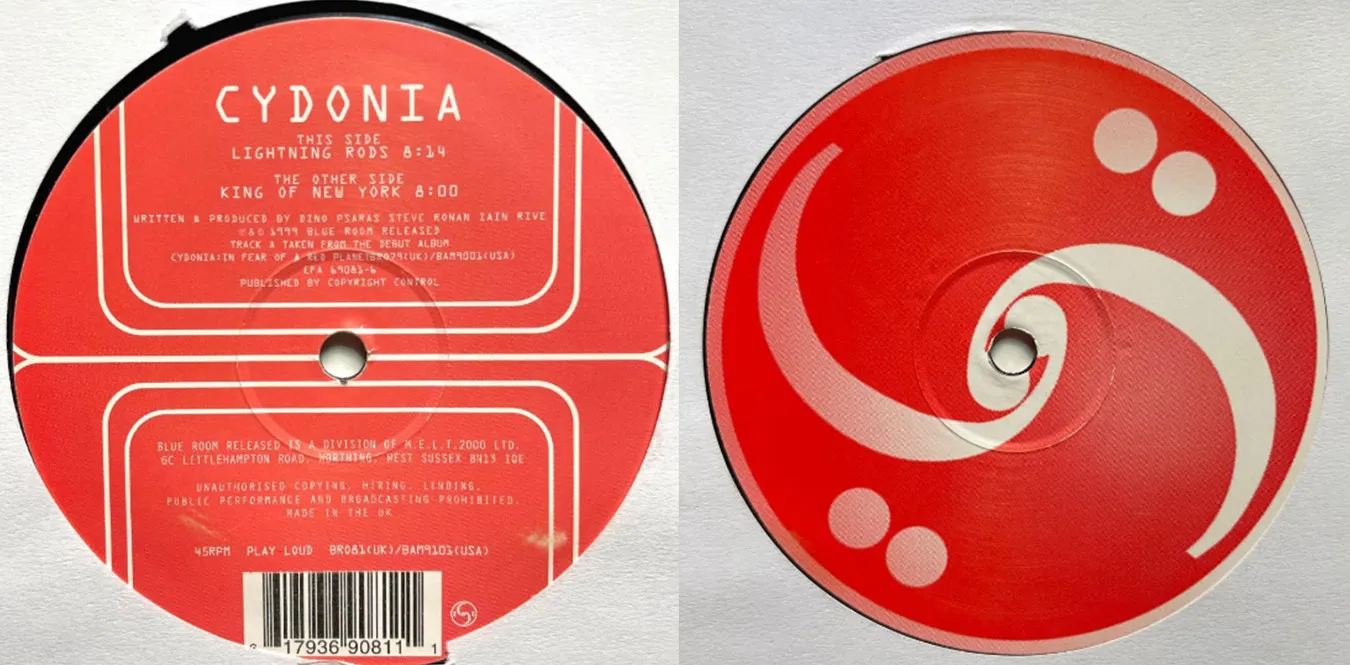
Cydonia – Lightning Rods / King Of New York
Cydonia is a UK Goa Trance project by Dino Psaras, Iain Rive, and Steve Ronan.
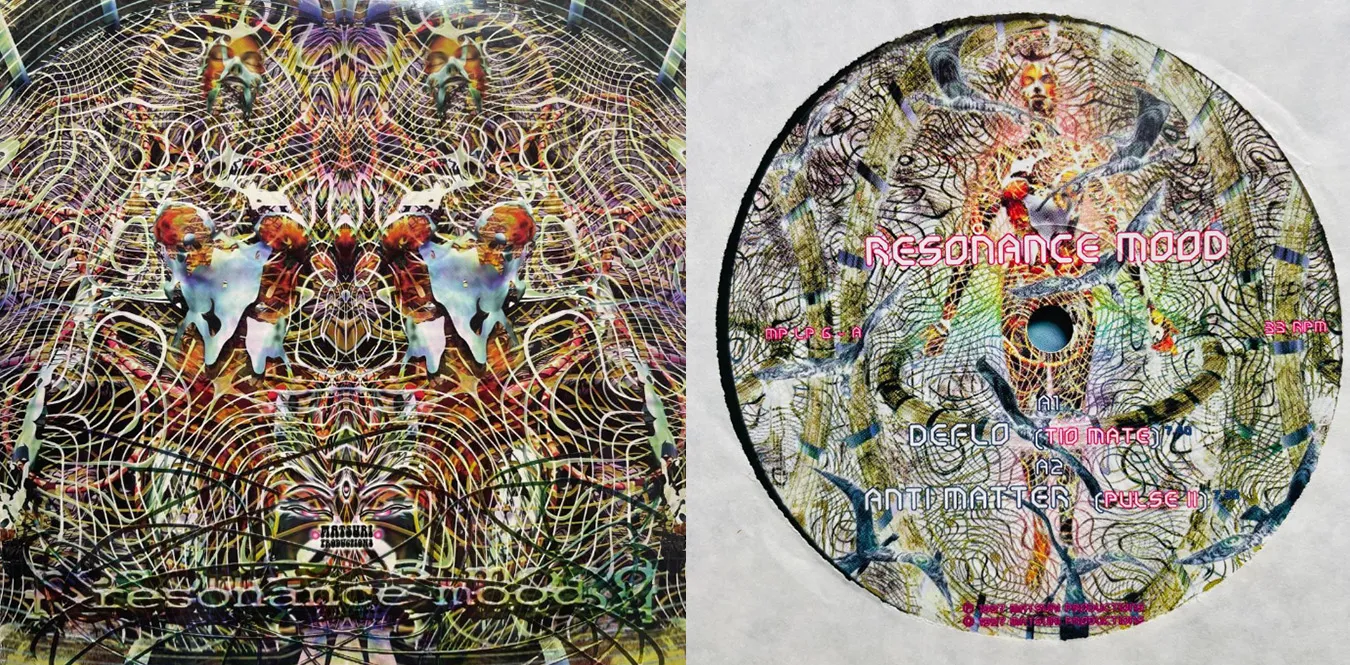
Various – Resonance Mood
MATSURI PRODUCTIONS is a UK goa trance label founded in 1994 by DJ TSUYOSHI and John Perloff.
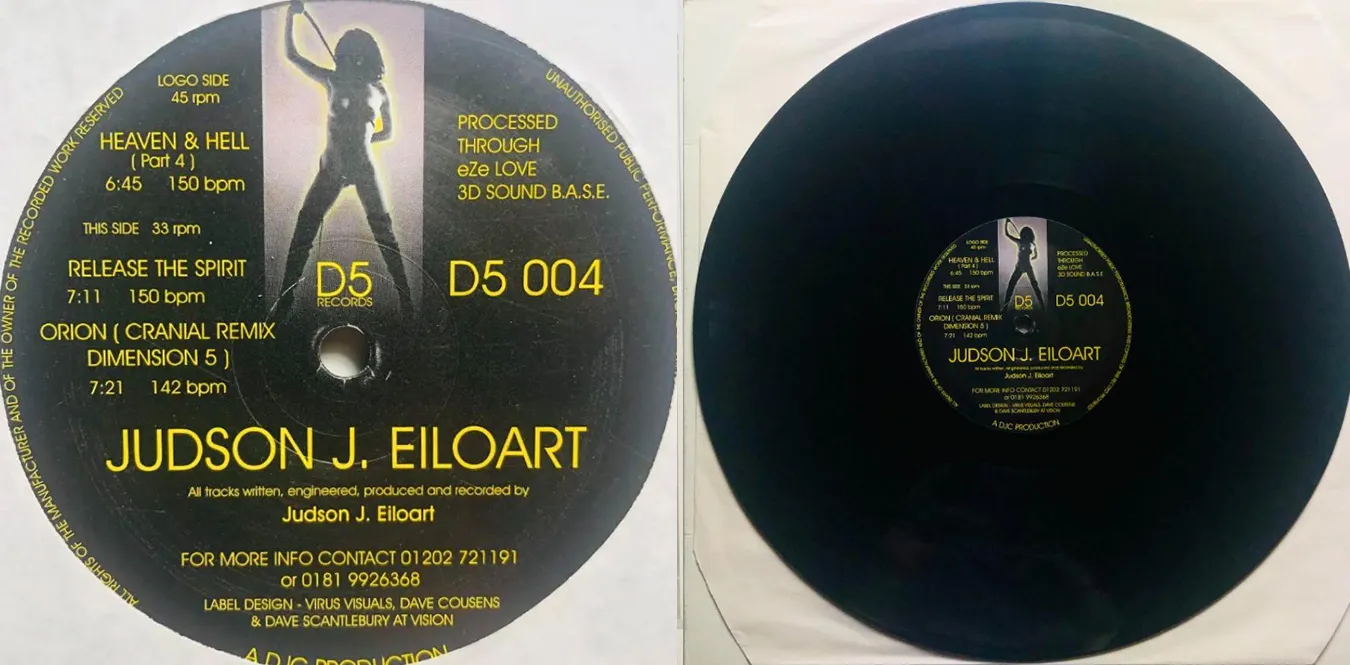
Judson J. Eiloart – Heaven & Hell
Judson J. Eiloart, also known as the Distortion Orchestra, is a guitarist and music producer from Manchester, England who is active in the psychedelic underground of northern UK.
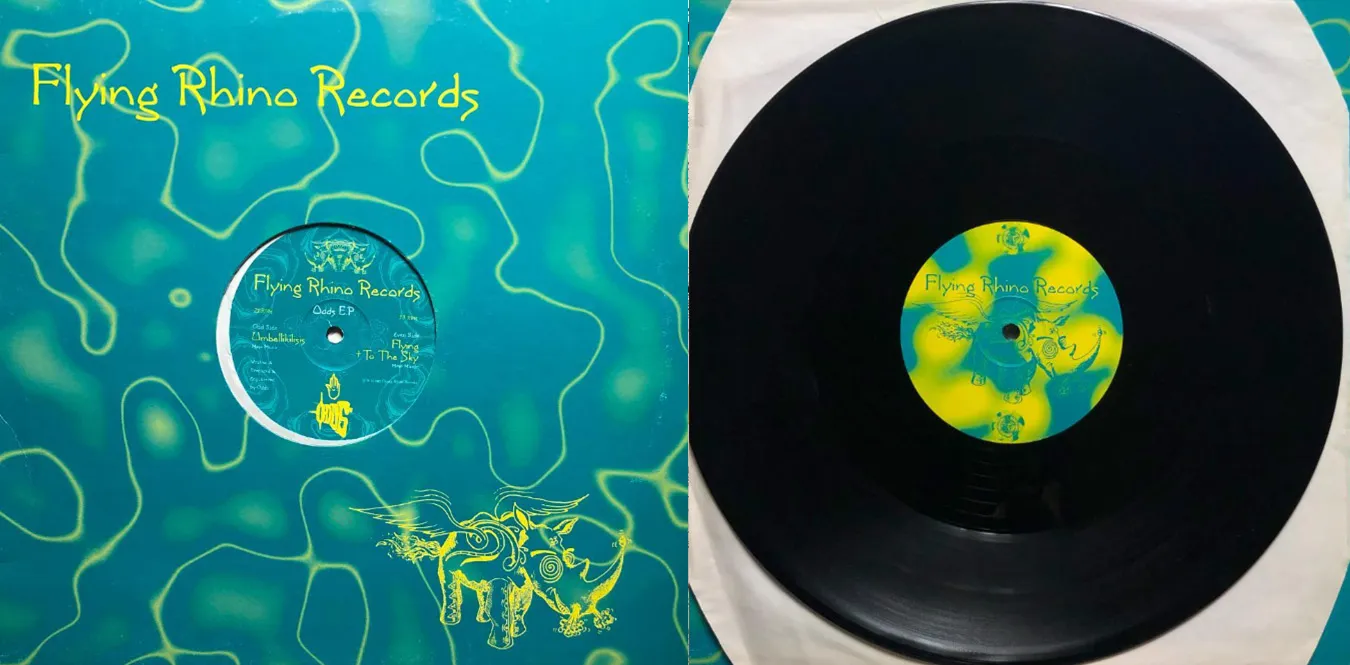
Odds – Odds E.P
Odds is a psychedelic gore-trance music project by Kris Kylven and Ben Silver (B. El Metoui).
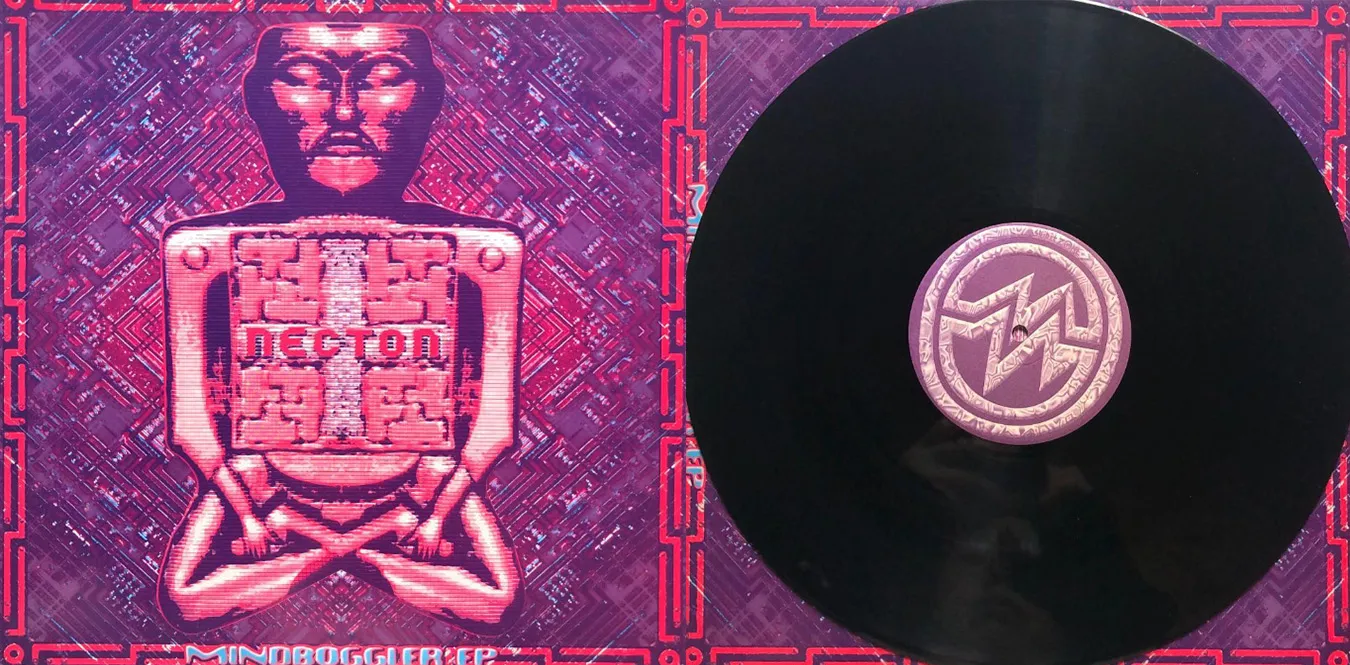
Necton – Mindboggler EP
This is an EP by Necton released in 2000 by the German label “Spirit Zone Recordings”.