Introduction
文:mmr|テーマ:かつて高価な機材と専門知識が必要だった音楽制作は、フリーサンプル文化によって誰でも参加できる創作へと変化した。その革命の歴史を辿る
音楽制作は、長いあいだ「設備産業」だった。
I needed money to rent a studio. レコーダーが必要だった。 ミキサーが必要だった。 I needed a synthesizer.
1970年代や1980年代にレコードを作るという行為は、現在より遥かに閉じられた世界だったのである。
However, the situation has changed significantly since the beginning of the 21st century.
ノートPC一台。 無料DAW。 ネットから拾ったサンプル。 Tutorial I saw on YouTube.
これだけで世界中に音楽を発信できる時代がやってきた。
その中心にあったのが「フリーサンプル文化」だった。
Kick. Snare。 808。 Lo-fi Vinyl Noise。 Ambient Texture. Jungle Break。 Anime Voice. Field Recording。
本来は有料スタジオや高価な機材が必要だった“音の素材”が、インターネット上で共有され始めたことで、音楽制作は一気に開かれた。
As a result, many modern music genres such as Hip Hop, EDM, Bedroom Pop, Lo-fi Hip Hop, Hyperpop, Vaporwave, etc. expanded rapidly.
More importantly, free sample culture did not end with simply “sharing materials.”
It changed the way music was made.
ミュージシャンの定義を変えた。
そして「誰が音楽を作れるのか」という概念そのものを書き換えたのである。
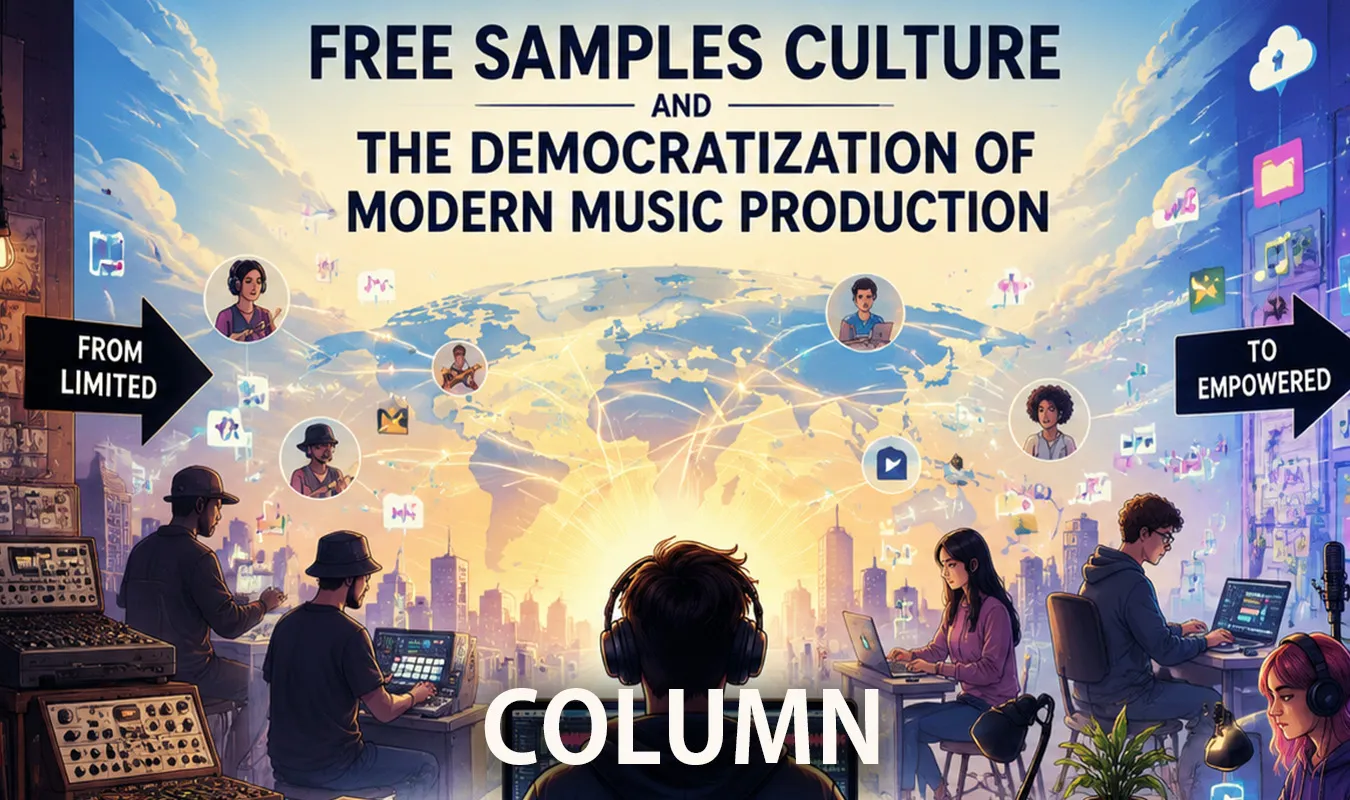
フリーサンプル文化は、単なる素材共有ではなく「音楽制作の入口そのもの」を解放した革命だった。
サンプリング文化の起源
テープ編集から始まった「音の再利用」
The origins of sampling culture date back to before Hip Hop.
In the 1940s and 1950s, electronic music and musique concrète composers cut and pasted tape to reconstruct sounds.
録音された音を「演奏素材」として扱う考え方は、この時点ですでに存在していたのである。
環境音。 列車の音。 city noise. ラジオ。 会話。
それらは単なる記録ではなく、「音楽の部品」へと変化していった。
Eventually, in the 1960s and 1970s, a tape editing culture developed in dub and experimental music fields.
Jamaican Dub, in particular, had a huge influence on modern sampling culture.
Decompose existing songs, Add echo, Extract the rhythm, Rebuild.
これは後のRemix文化の原型でもあった。
Hip Hop popularized sampling
サンプリングを一般カルチャーへ押し上げた最大の存在はHip Hopだった。
The DJs use two funk and soul records and start looping the breaks.
This was the birth of breakbeat culture.
Particularly famous is “Amen Break.”
The drum performance, which was cut out for just a few seconds from the 1969 song, influenced subsequent Hip Hop, Jungle, Drum & Bass, Breakcore, and even game music.
つまり、数秒のドラムが世界中で再利用され続けたのである。
In the late 1980s, samplers such as the Akai MPC and E-mu SP-1200 appeared, and sampling culture expanded explosively.
しかし当時の機材は高価だった。
つまりこの時代のサンプリング文化は、「民主化の入口」でありながら、まだ完全には開放されていなかった。
Sampling changed from a ““technique for reusing sounds” to a ““new creative method.”
The arrival of the DAW era
パソコンがスタジオになる
From the late 1990s to the 2000s, the structure of music production changed dramatically.
The reason was the spread of DAWs.
Cubase. FL Studio. Logic. Pro Tools. Ableton Live。
Work that previously required huge equipment can now be completed within a PC.
recording. edit. mix. Mastering. サンプリング。
Everything was becoming software.
FL Studio was especially big.
Cheap. lightweight. Intuitive.
さらに若年層に広く浸透した。
Many Hip Hop beatmakers and the SoundCloud generation got their start with FL Studio.
VST文化が音楽制作を加速した
DAW普及と同時に拡大したのがVST文化だった。
VST is a system that allows you to add software sound sources and effects.
This allows you to add an unlimited number of instruments inside your PC.
しかも無料配布が大量に始まる。
Free synth. free drum. Free reverb. Free compressor.
かつて数十万円した音が、無料で入手可能になった。
ここで重要なのは、「無料=低品質」ではなくなった点である。
Especially since the 2010s, professional quality free VSTs have rapidly increased.
結果として、初心者とプロの機材格差が急速に縮小していく。
The spread of DAW and VST has suddenly collapsed the ““price difference in music production environments’’.
フリーサンプル文化の爆発
インターネットが音素材を解放した
2000年代後半から、音楽制作コミュニティは急激にオンライン化する。
YouTube。 Reddit。 SoundCloud。 Discord。 forum culture.
そこでは大量のサンプルが共有され始めた。
808 Pack。 Lo-fi Drum Kit。 Vinyl Texture. Foley Pack. Nature Sound. Trap Hi-hat Collection.
特にHip HopとEDMコミュニティでは、サンプル共有が日常化する。
“You can use this drum.” “Please listen to this pad sound.” “I will distribute this 808”
This type of culture was difficult to imagine in the traditional music industry.
This is because in the past, “sound” itself was a product.
しかしインターネット世代は違った。
Sharing will increase your popularity. The community expands. コラボが生まれる。
つまり「配布」が新しい価値になったのである。
Splice以降のクラウド型制作
Sample sharing will become even bigger in the late 2010s.
This is the emergence of a cloud-based sample service.
必要な音を検索し、 Download it now and Insert into DAW.
この流れは制作速度を劇的に変えた。
かつては録音技術が必要だった環境音ですら、すぐ使えるようになった。
さらに重要なのは、「同じ素材を世界中が共有する時代」が来たことだ。
その結果、ジャンルの境界が急速に曖昧になる。
Brazilian funk rhythm. UK Garageのドラム。 K-Pop synth. Jersey Clubキック。
Nowadays, these are mixed by one Bedroom Producer.
フリーサンプル文化は、世界中の音楽要素を高速で混ぜ合わせる装置でもあった。
Bedroom Producerの時代
自室から世界へ
フリーサンプル文化最大の変化は、「Bedroom Producer」の急増だった。
Made in my own room. Headphone production. ノートPC制作。
これらはもはや特殊ではなくなった。
YouTube and SoundCloud were especially important.
In the traditional music industry,
レーベル契約。 Studio recording. Distribution company. CD production.
This process was necessary.
However, in the internet era,
作る。 Up. It will be spread.
Only these 3 steps will do it.
At the center of its production was a culture of free samples.
Lo-fi Hip Hop Expansion
Lo-fi Hip Hopは、フリーサンプル文化と極めて相性が良かった。
ノイズ。 record crackle. old drum. jazz sample.
For these, the ““atmosphere’’ was more important than advanced recording equipment.
さらにLo-fiは“不完全さ”を魅力に変えた。
ノイズがある。 歪んでいる。 The pitch is off.
It still holds true.
むしろそれが味になる。
This shift in values was huge.
「高価な機材ほど良い音」という価値観が揺らぎ始めたからである。
Bedroom Producer文化は、“プロ品質”より“個性”を優先する流れを強めていった。
YouTube and tutorial revolution
学校より先にYouTubeが教えた
かつて音楽制作は、専門学校や現場経験が必要だった。
しかし2010年代以降、多くの若者はYouTubeで制作を学ぶようになる。
“How to make a trap” 「How to mix vocals」 “Lo-fi tutorial” “Hyperpop beat tutorial”
If you search, you’ll find endless results.
And it’s free.
ここで起きた変化は大きい。
Production techniques are no longer “secret”.
以前はエンジニアやプロデューサーだけが知っていた知識が、動画によって一般化された。
Template sharing culture
Even more important was template sharing.
Ableton Template。 FLP File. Project File。
In other words, even the structure of the songs themselves began to be shared.
Beginners can learn by looking at the finished product.
これは極めて教育効果が高かった。
従来の音楽教育では、
理論を学ぶ。 practice an instrument. Learn to record.
という順番だった。
However, the internet generation was the opposite.
Make it first. 真似する。 分解する。 そこから理解する。
This ““practical-first’’ type of learning led to an explosive increase in the number of people producing music.
YouTube時代の音楽教育は、“学んでから作る”ではなく“作りながら学ぶ”へ変化した。
SoundCloud時代とジャンル崩壊
DIY music explosion
SoundCloudは単なる投稿サイトではなかった。
It was a genre testing ground.
wrap. ノイズ。 EDM. Emo. アンビエント。 Anime sample.
Everything starts to mix together.
従来のレーベル主導型では起こりにくかった「未完成な実験」が大量に公開された。
This was extremely important.
This is because much of contemporary music is born from this “experimental space.”
Hyperpop and sample feeling
Hyperpopは、サンプル文化以後の感覚を象徴していた。
高速編集。 Extreme pitch changes. 断片的構成。 Internet meme sensation.
これは従来のバンド文化とは全く異なる。
「録音された完成演奏」より、 「編集による再構築」が中心だからである。
つまりサンプリング感覚が、ジャンル全体へ浸透したのである。
The SoundCloud generation naturally practiced ““mixing genres” rather than ““maintaining genres.”
Copyright issues and sample culture
Sampling was always gray
The expansion of sample culture has also led to an expansion of copyright issues.
Particularly in the history of Hip Hop, there have been many lawsuits over unauthorized sampling.
1990年代以降、大手レーベルはサンプルクリアランスを厳格化した。
As a result,
Sampling famous songs = more expensive
This situation arises.
This was a big barrier for indie creators.
フリーサンプルは「合法素材」でもあった
だからこそ、ロイヤリティフリー素材の重要性が増した。
In other words, free sample culture is
安い 便利 初心者向け
だけではない。
It played a major role in making it ““legal and easy to use.’’
これによって小規模制作者でも安心して作品公開が可能になった。
ただし問題が完全に消えたわけではない。
サンプルパックの再配布。 AI生成音源。 著作権境界。
The debate continues even today.
フリーサンプル文化は、創作自由度を広げる一方で、新しい著作権問題も生み出した。
SNS時代の音楽制作
Music structure after TikTok
In the TikTok era, the structure of music production will change further.
短尺。 即効性。 印象的イントロ。
These structures will become more important.
その結果、サンプル文化はさらに加速する。
短時間で強い印象を作るには、 This is because sounds that instantly evoke existing sensations are effective.
例えば、
2000年代風シンセ。 Y2Kドラム。 ゲーム音。 アニメボイス。
こうした素材はネットミームと結びつきやすい。
ミームとしての音楽
現代では、楽曲は「曲」である以前に「共有可能な断片」でもある。
8秒。 15 seconds. 30 seconds.
その断片が拡散される。
つまりサンプル文化は、SNS文化とも極めて相性が良かった。
音楽が「長い作品」だけではなく、 This brings us closer to ““editable materials.’’
SNS時代の音楽は、“完成作品”より“拡散されやすい断片”として消費される場面が増えた。
The future of the AI era and sample culture
AI生成音源の登場
Currently, sample culture is beginning to advance to a new stage.
AI生成音源である。
ドラム。 シンセ。 ボーカル。 environmental sounds.
これらをAIが生成可能になってきた。
つまり「録音済み素材を使う」だけではなく、 The era of ““generating the necessary materials’’ has begun.
民主化の次の段階
The democratization of music production is likely to progress further in the future.
But at the same time, there are problems.
誰でも作れる。 大量に作れる。 AI can also be created.
Then, this time,
「何を作るか」 「なぜ作るか」
の重要性が増していく。
This is an interesting change.
As a result of the disappearance of technological barriers, “個性”や“思想”がより重要になるからだ。
In an era where the production environment is completely open, questions have begun to be asked not only about ““what to play,” but also ““why to play.”
Chronology
| Years | Events |
|---|---|
| 1940s | Tape editing experiments begin |
| 1950年代 | ミュージック・コンクレート発展 |
| 1970s | Dub culture expands |
| 1980年代 | Hip Hopサンプリング普及 |
| 1988 | Akai MPC60 introduced |
| 1990s | DAW spread begins |
| 2000s | YouTube and SoundCloud expansion |
| 2010年代 | フリーサンプル文化爆発 |
| 2020年代 | AI生成音源が普及開始 |
At the end
Free sample culture is not simply a story of ““making sound free.’’
それは、 音楽制作の入口を広げ、 change education, 流通を変え、 change the genre, And he changed the very definition of a musician.
Music production used to be the domain of only those with the equipment and capital.
しかし現在では、 地方都市の学生、 Creator at home, An anonymous internet user It is not uncommon for them to create worldwide hits.
And in the background, 共有文化、 DIY spirit, インターネットコミュニティ、 そしてフリーサンプル文化が存在していた。
Contemporary music has entered an era in which we don’t know who will make it.
だからこそ面白い。
音楽制作の民主化とは、 単に安く作れるようになったことではない。
創作の主役が、世界中へ分散したことなのである。
Free sample culture has changed music production from a ““world of special talent” to ““a creative space where anyone can participate.”