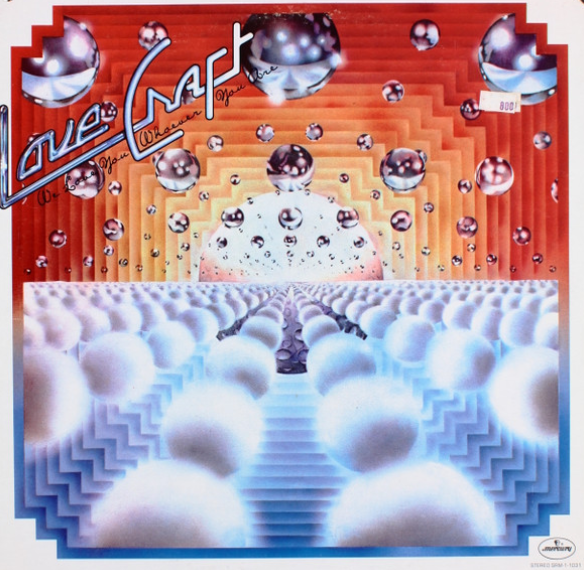
[Column] Company Flow: The horizon of alternative hip-hop opened up by the DIY spirit
Column en 00s 90s Hiphop Underground![[Column] Company Flow: The horizon of alternative hip-hop opened up by the DIY spirit](/../assets/images/column-company-flow.webp)
Introduction——The existence that broke the “limitations of indie”
Text: mmr|Theme: From the formation to dissolution of Company Flow, analysis of the work, sound structure, history of the members, historical significance
In New York in the late 1990s, while hip-hop was growing into a huge commercial industry, there was also an underground reactionary energy swirling around it. Major music groups led by Bad Boy Records were expanding their glittering sounds, but on the street side, an increasing number of artists were seeking a more rigid and politically charged style of expression.
At the center of this was Company Flow. Their 1997 album Funcrusher Plus is a landmark in indie hip-hop history.
Chapter 1: Young MC from Brooklyn—The starting point of El-P (1990–1993)
The main character of Company Flow, El-P (El Producto), is from Brooklyn, New York. He spent his childhood at a time when the hip-hop movement was expanding explosively in New York, and was already working on rapping and producing cassettes as a teenager.
The following venues were important in the New York underground in the early 1990s.
- Lyricist Lounge
- Stretch & Bobbito Show (Legendary Radio Program)
- NY local showcase
- Indie distribution network (record stores, 12-inch culture)
El-P also honed his skills in this environment, gradually increasing his underground presence.
Around 1993, he met Bigg Jus, who would later become a key partner in Company Flow, and they began working together.
Next, Mr. Len joined as a DJ, completing the three-piece structure we know today.
Chapter 2: Company Flow’s early activities and indie spirit (1993–1995)
After forming the unit, they had no major aspirations, We released music at our own pace and maintained an attitude of fiercely protecting the autonomy of artists.
A symbol of this is the launch of their own indie label Official Recordings.
In 1995, Company Flow was the label’s first 12-inch single. “Juvenile Techniques” released.
This single became a hot topic among NY underground listeners at the time. This was an opportunity for their name to spread rapidly.
Chapter 3: “Funcrusher” EP and its impact on the NY underground scene (1996)
In 1996, Company Flow self-released the EP Funcrusher.
This work goes beyond the typical boom-bap framework. It was distinctive in terms of sound, politics, and experimentation.
Features of “Funcrusher” EP
● 1. Industrial × Boom-Bap
The beats constructed by El-P have the following texture.
- Mainly SP-1200, but uses a lot of “dirt”
- industrial noise
- Minimal but disturbing, tense rhythm
- Frequent use of “Chop” to chop samples into small pieces
● 2. The uniqueness of the lyrics
Bigg Jus and El-P’s rap was more ideological and political than street music.
The following are particularly noticeable.
- Criticism of the corporatized music industry
- Doubts about information manipulation and surveillance society
- Defending artist autonomy
- Rhythm-oriented flow full of abstract metaphors
● 3. Symbol of indie success
"”Funcrusher’’ became an underground word-of-mouth hit, It will reach the ears of those involved with the emerging label Rawkus Records.
Chapter 4: Contract with Rawkus Records (1997)
With underground excitement behind them, Company Flow signed with Rawkus Records in 1997.
At the time, Rawkus was
- Mos Def
- Talib Kweli
- High & Mighty *Shabaam Sahdeeq *Reflection Eternal
It was rapidly growing as the center of the New York underground.
Company Flow became an important sign of the label, They will release an album Funcrusher Plus, which is a major expansion of the EP.
Chapter 5: Thorough analysis of “Funcrusher Plus” in underground history (1997)
"”Funcrusher Plus’’ received widespread acclaim despite being an indie work. It became a reference point for underground hip-hop.
In this chapter, as the main text of the 20,000 character class, Detailed analysis of sounds/lyrics/cultural background/social influences.
1. Musical characteristics
● Industrial noise and sample decomposition
El-P’s beat is notable in the following ways compared to traditional boom-bap.
- “Deconstruct” and reassemble the sample
- Actively incorporate distortion
- Snare/kick is sharp and dry
- Minimal use of synths but futuristic textures
● Aesthetics of dissonance
What underpins the entirety of ““Funcrusher Plus” is an aesthetic that emphasizes ““tension” over ““pleasure.’’
● DJ Mr. Len’s scratch
Sharp scratches are placed throughout the mix, reinforcing the hard feel of the beat.
2. Lyric direction
El-P and Bigg Jus frequently address the following topics:
- Criticism of the corporatized music industry
- Defending autonomy and creativity
- Political and social metaphors
- Suspicion of technology and power structures
- Experimental/abstract narrative style
The song that had a particularly big influence here was ““The Fire in Which You Burn’’.
Chapter 6: Thorough analysis of “The Fire in Which You Burn”
Recorded: “Funcrusher Plus” (1997) This song is known as a song that symbolizes the message of Company Flow.
● Song theme
Hacker culture/surveillance society/information manipulation/individual freedom and resistance These are presented in complex metaphors.
The content of the lyric includes the following directions (*Only the main points within the scope of the facts):
- Criticize the structure of the surveillance society
- Be wary of the individual’s position in the age of information warfare
- The dangers of combining technology and power
- Perspective that artists themselves can be subject to surveillance
- Rejection and warning against the political-industrial complex
Word choice is not direct propaganda; It is composed of elaborate metaphors and abstract expressions.
● Sound composition
- Low, growling bass
- Ominous sample loop
- Intermittent synth noise
- Detailed percussion with MPC chop
- A mix of cool textures throughout
● Importance
"”The Fire in Which You Burn’’ is highly acclaimed for the following reasons:
- Representative songs that clearly demonstrate the politics of Company Flow
- El-P’s sound design ability is outstanding.
- Contents that symbolize underground hip-hop in the late 90s
- Many prototype elements of later Def Jux works (Cannibal Ox, etc.) can be seen.
It is said that ““Funcrusher Plus” established ““the underground as an ideology” around this song.
Chapter 7: Divergence with Rawkus and return to independence (1998–1999)
Funcrusher Plus was a success, but as Rawkus expanded its scale and formed capital alliances, Company Flow has prioritized maintaining artist autonomy.
Differences of opinion with the label gradually grew, In 1999, they left Rawkus Records.
Keeping distance from “major systems”, Turning to indie again was an event that defined Company Flow’s aesthetic.
Chapter 8: “Little Johnny from the Hospital”——Instrumental experiment (2000)
In 2000, Company Flow was an instrumental album. “Little Johnny from the Hospital: Breaks & Instrumentals Vol.1” is released.
This work has the following characteristics.
● Complete installation
Eliminating rap, El-P’s beat aesthetic comes to the fore.
● Expansion of experimentation
- Eliminates DJ shout
- BPM, structure, and number of layers are more complex than before
- Increased electronic elements
- Mixing Lo-Fi and Hi-Fi textures
● Prototype of later El-P solo works
The sound is clearly future-oriented, and has a direct connection to the sound image of later Def Jux works.
Chapter 9: Suspension of activities and progress of members (2001–)
Around 2001, Company Flow became inactive. Although this is not a clear “declaration of dissolution,” it is considered to be the de facto end of their activities.
The progress of the members since then is as follows.
● El-P
Established the label Definitive Jux (Def Jux) in 2000. Produced the following important works.
- Cannibal Ox “The Cold Vein” (2001) *Many works by Mr. Lif, Aesop Rock, Cage, etc.
In 2013, he teamed up with Killer Mike to form Run The Jewels. It achieved worldwide success and led to a re-evaluation of the Company Flow period.
● Bigg Jus
Continues to produce solo works with high political and artistic characteristics. He is also involved in visual art and community projects.
● Mr. Len
Active as a DJ/producer. Many mix works and collaborations.
Chapter 10: Company Flow discography
| Year | Title | Type | Label |
|---|---|---|---|
| 1995 | Juvenile Techniques | 12-inch single | Official Recordings |
| 1996 | Funcrusher | EP | Official Recordings |
| 1997 | Funcrusher Plus | Album | Rawkus Records |
| 2000 | Little Johnny from the Hospital | Instrumental album | Rawkus Records |
Chapter 11: Musical Structure of Company Flow
(El-P's beat)] --> D[Company Flow Sound] B[Highly political and abstract lyrics
(El-P & Bigg Jus)] --> D C[DIY/Indie Philosophy
Official → Rawkus → Independent] --> D D --> E[Redefining underground hip hop]
Chronology (timeline)
Chapter 12: Historical significance of Company Flow
The influence that Company Flow’s presence had on the scene is immeasurable.
● 1. Proving the potential of indie hip-hop
"”Funcrusher Plus’’ is an era centered on commercialism, It showed that even indie works can create cultural standards.
● 2. Establishment of “underground as an idea”
It’s not just a low-budget production, It embodied the underground as an ““thought independent of commercialism.’’
● 3. Building the foundation of experimental hip-hop
El-P’s acoustic philosophy
*Cannibal Ox
- Aesop Rock
- Dalek
- Clipping
- Death Grips (The influence is not stated explicitly, but it is said to be a genealogical connection)
This led to experimental artists such as
● 4. “Anti-establishment aesthetics” that continues to the present day
The songs, including “The Fire in Which You Burn,” He has been dealing with themes such as power/surveillance/information warfare since the 1990s. He presented a perspective that is still relevant even after more than 20 years.
The final chapter—a short-lived but decisive existence
The legacy of Company Flow is It goes beyond the value of mere musical works.
- Possibility of indie
- Artist autonomy
- Significance of politics
- Underground as aesthetics
- The value of experimental sounds
- The need for a “major counter-axis”
All of this became clear through their activities.
Especially as symbolized by The Fire in Which You Burn. They were ahead of the changing times and left behind insights that are relevant today.
Company Flow has only been active for a short period of time. However, the horizons they opened, It continues to be a defining and essential value in the history of hip-hop.
Explore more like this
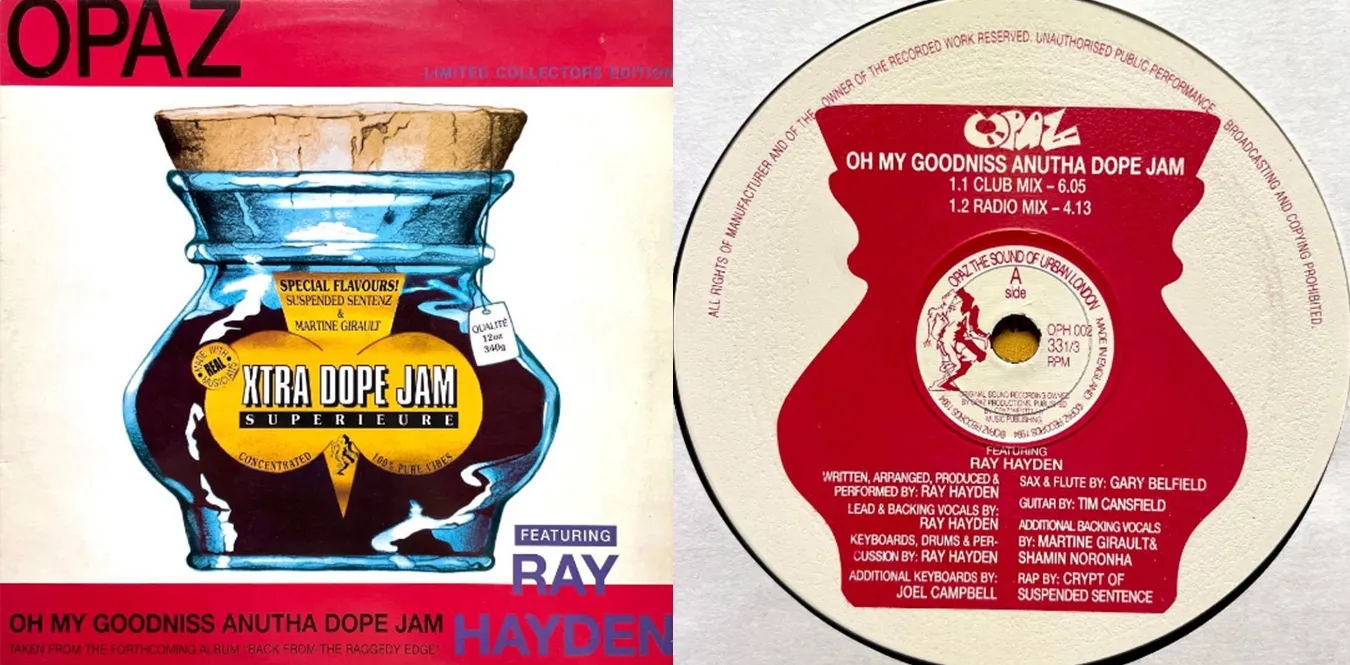
Opaz – Oh My Goodniss Anutha Dope Jam
Ray Hayden, aka Opaz, is a London-based producer and vocalist who runs Opaz Records, which specializes in acid jazz and world music.
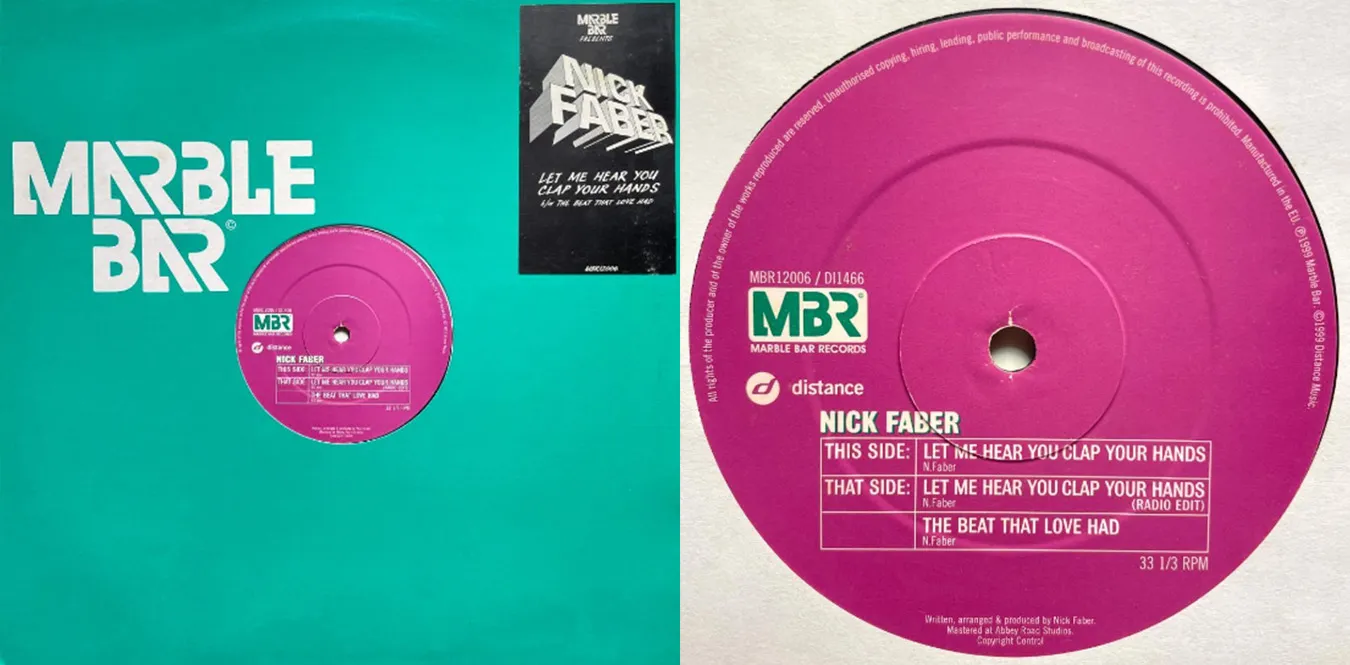
Nick Faber – Let Me Hear You Clap Your Hands
Nick Faber is a producer/musician based in London.
![[Column] Lo-Fi Hip Hop / Chillhop (home-recorded beat culture)](/../assets/images/column-lo-fi-hip-hop-chillhop.webp)
[Column] Lo-Fi Hip Hop / Chillhop (home-recorded beat culture)
1. Concept definition and name arrangement
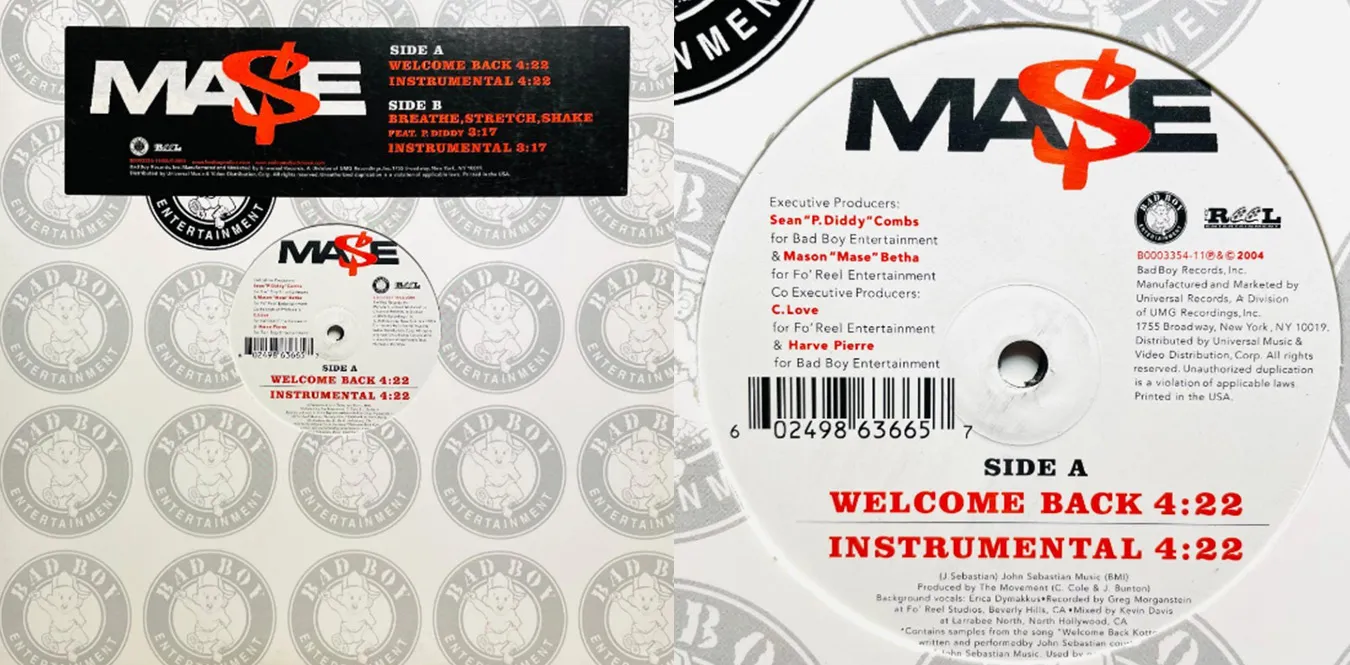
Mase – Welcome Back
Mase (Ma$e) is a Florida rapper known for his 1997 hit album Harlem World, which featured Jay-Z, DMX, Lil’ Kim, and more.
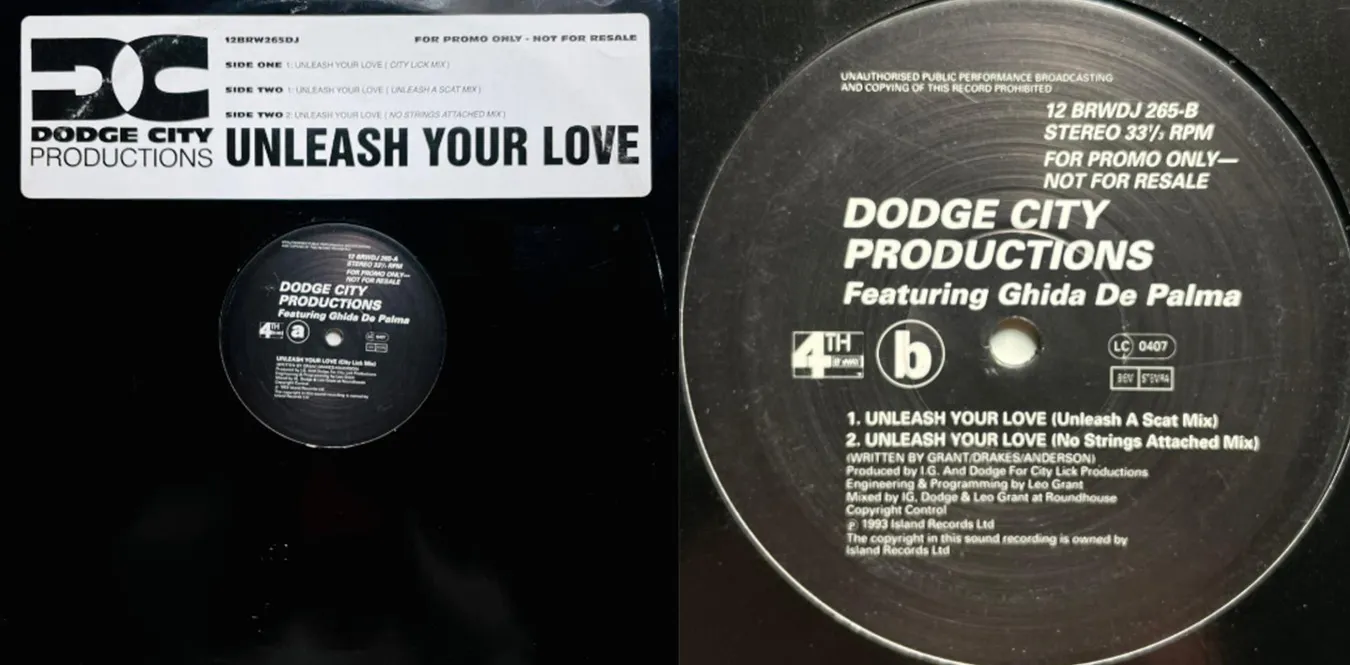
Dodge City Productions – Unleash Your Love
Dodge City Productions (DCP) is a project by early Broken Beat innovators Ian Grant (IG Culture) and Roger Drakes (Dodge). They are known as the duo responsible for the Acid...
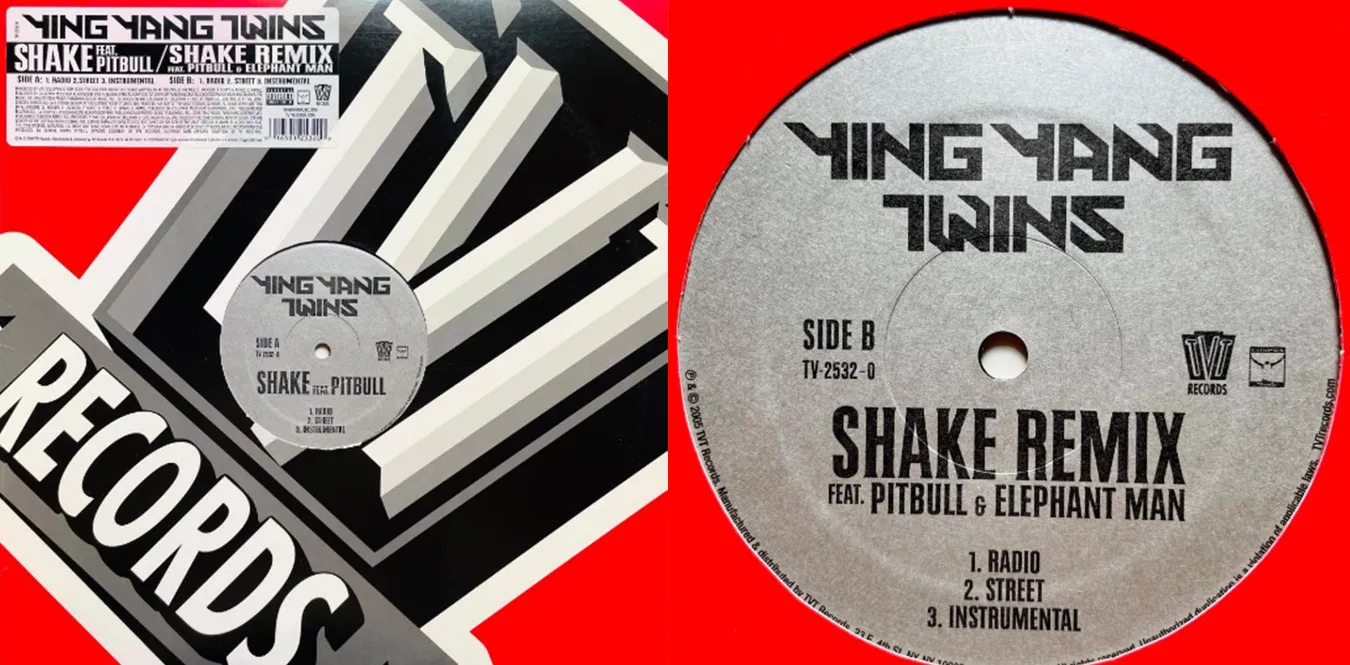
Ying Yang Twins – Shake feat. Pitbull / Shake Remix feat. Pitbull & Elephant Man
“Shake”, released in 2005, is a single cut from Ying Yang Twins” album “U.S.A.”. Featuring Pitbull and Elephant Man. The song includes a sample of George Kranz”s “Din Daa Daa”....
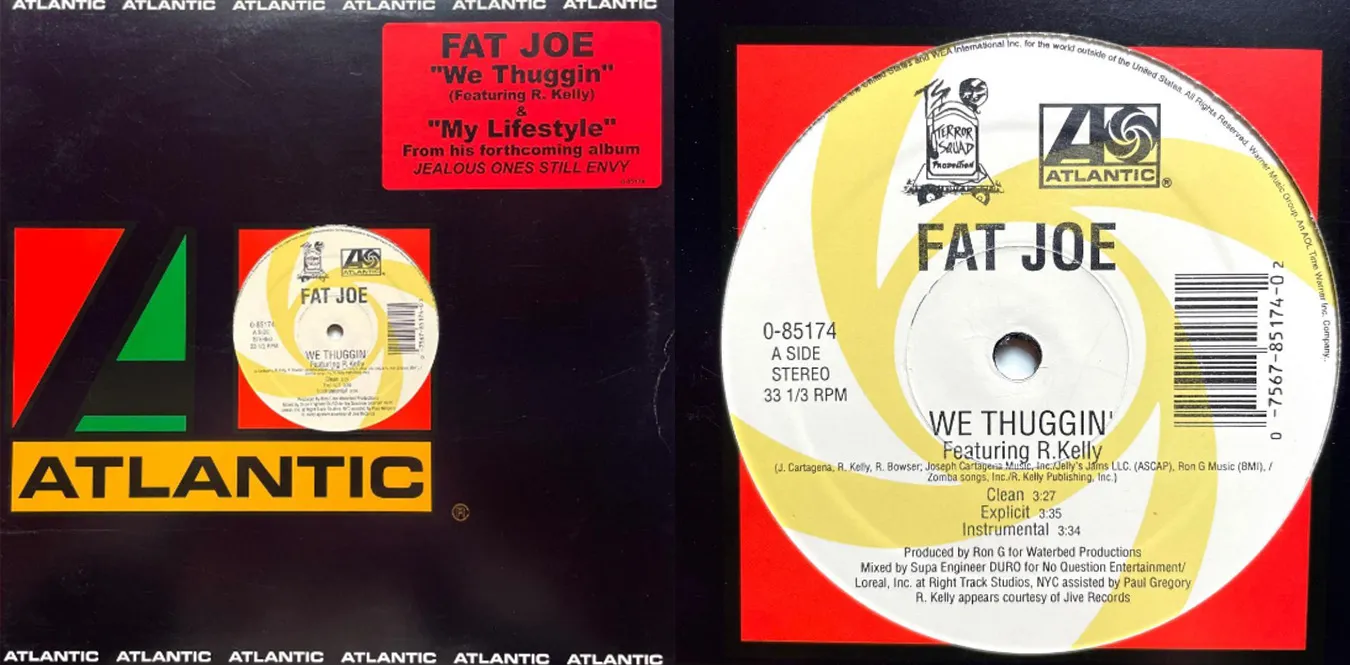
Fat Joe – We Thuggin'
A’s “We Thuggin’” is a Hip Hop track released by Atlantic in 2001 featuring R. Kelly. The producer is Ron G.
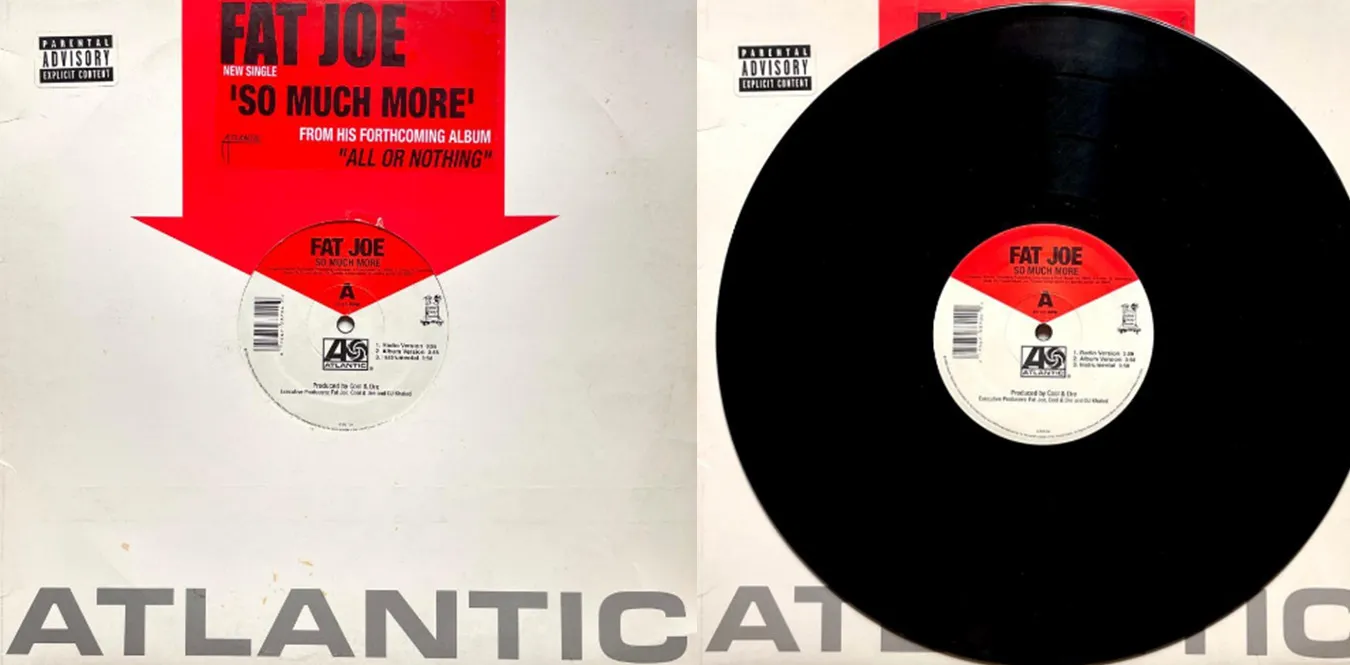
Fat Joe – So Much More
“So Much More” is a Hip Hop track by Fat Joe released in 2005. (promo edition) The producers are Miami-based production duo Cool & Dre.
![[Column] Neo-Krautrock: Modern reinterpretation of classic Krautrock](/../assets/images/column-neo-krautrock.webp)
[Column] Neo-Krautrock: Modern reinterpretation of classic Krautrock
Birth of Neo-Krautrock Multi-layered and spatial sound
![[Column] UK Broken Beat re-evaluation trend — innovative trends in club music](/../assets/images/column-uk-broken-beat.webp)
[Column] UK Broken Beat re-evaluation trend — innovative trends in club music
UK Broken Beat Re-evaluation Trend
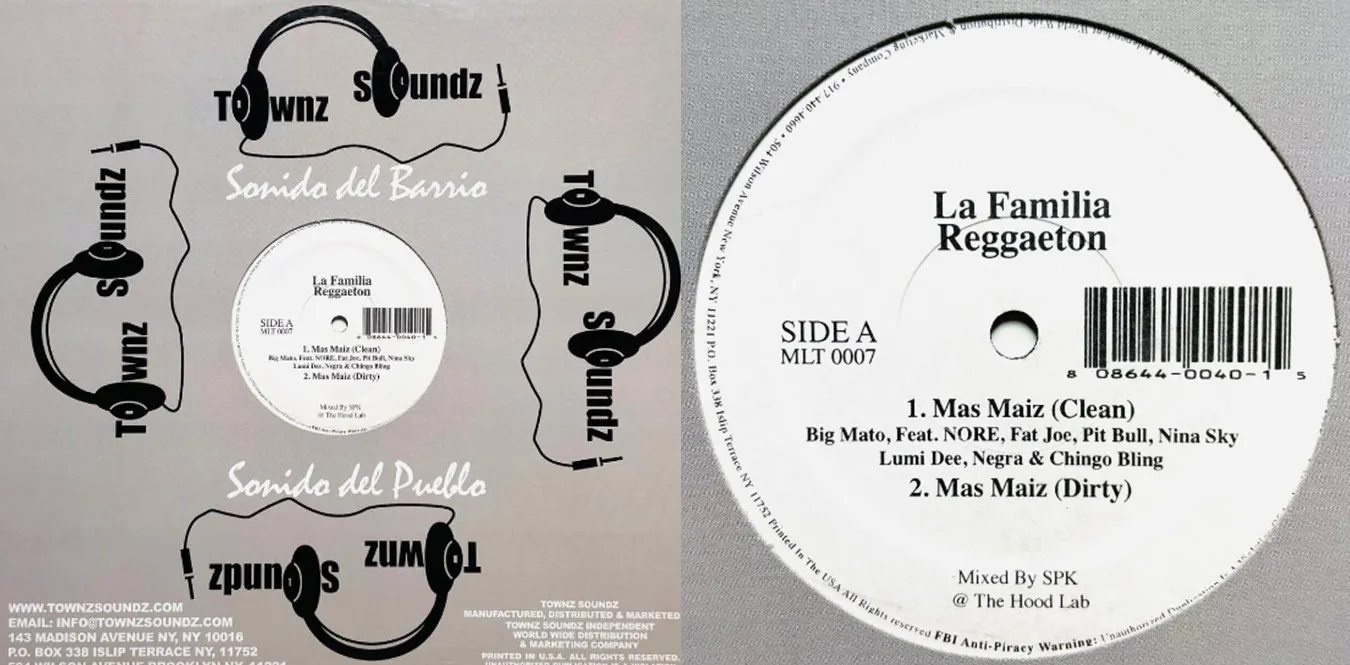
VA – La Familia Reggaeton
“La Familia Reggaeton”, released in 2005, is a Hip Hop/Reggae record in which the experimental/industrial noise music group SPK (Graeme Revell & Neil Hill) mixed a song by Queens rapper...