Baile Funkとは何か
文:mmr|テーマ:リオのファヴェーラで生まれたBaile Funkが、都市の現実と共鳴しながら世界へ拡張していく文化の軌跡
Music born from urban reality
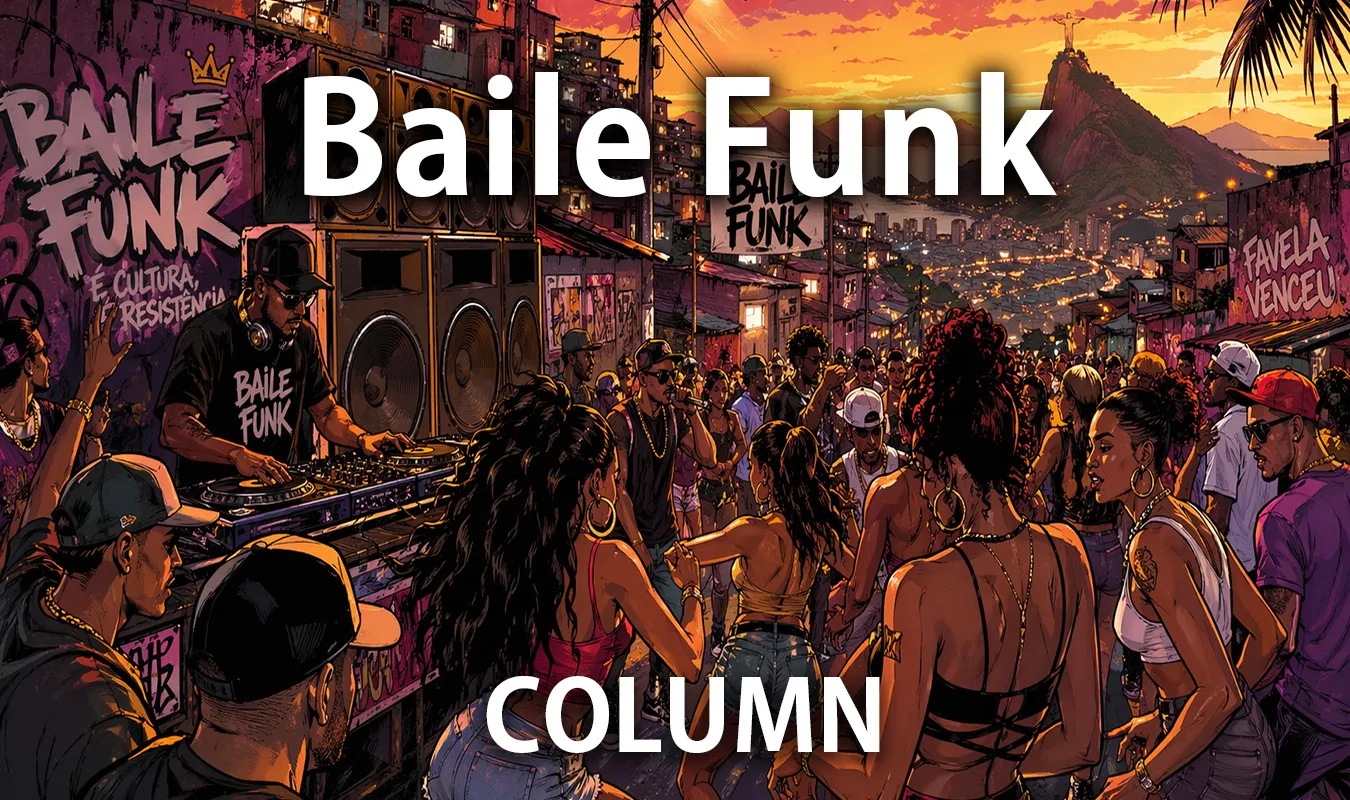
Baile Funkは、ブラジル・リオデジャネイロのファヴェーラ(貧困地区)を起点に発展したダンスミュージックである。直接の音楽的ルーツは、1980年代にブラジルへ流入したマイアミベースにあり、そこから独自のリズムと文化を形成した。特にMiami bassの強い低音、シンプルで反復的なビートが基盤となっている。
Baileという言葉は「ダンスパーティー」を意味し、Funkは必ずしもアメリカのファンクを指すわけではない。現地では「Baile」はイベント、「Funk」は音楽スタイルとして認識されている。
リオの若者たちは、限られた環境の中でこの音楽を拡張し、サウンドシステムとDJ文化を中心に独自のクラブ文化を築いた。これは単なる音楽ジャンルではなく、社会的な表現手段として機能している。
Baile Funkは音楽ジャンルであると同時に、都市のリアリティを可視化する文化装置でもある。
起源と形成(1980年代〜1990年代)
マイアミからリオへ
In the late 1980s, Rio de Janeiro had a party culture influenced by imported hip-hop and electro. DJs were at the center of this, and DJ Marlboro in particular is known for playing an important role in establishing Baile Funk.
彼はマイアミベースをベースに、ポルトガル語のMC(ラッパー)を導入し、ローカルな社会問題や日常を歌詞に反映させた。この時期に、現在のBaile Funkの基本構造が整う。
また、サウンドシステム文化も重要であり、大型スピーカーを持ち込んだ野外イベント「Baile」が、コミュニティの中心的な娯楽となった。
Baile Funkの初期は、輸入音楽の模倣ではなく、地域固有の現実を組み込む過程で独自化していった。
サウンドの特徴
リズムと構造
Baile Funkの最も特徴的な要素は、いわゆる「タンボルザォン(Tamborzão)」と呼ばれるリズムである。これはシンプルなドラムパターンを反復することで、強烈なグルーヴを生み出す。
このリズムは極めてミニマルでありながら、身体的な反応を強く引き出す。さらに、808系のドラムマシン的な低音が強調されることで、物理的な振動として音楽が体験される。
歌詞はストレートで、時に過激である。恋愛、暴力、警察、貧困といったテーマが直接的に扱われる点も特徴だ。
Baile Funkのサウンドは、音響的な複雑さよりも身体的な即効性を優先している。
社会との関係
規制と表現
Baile Funkはしばしば政府や警察の規制対象となってきた。理由は、暴力的な歌詞やイベントの治安問題にある。しかし同時に、それは周縁化された人々の声を表現する場でもあった。
特にファヴェーラでは、Baileは単なる娯楽ではなく、コミュニティの結束を強める重要な役割を持つ。音楽は現実の反映であり、同時に逃避でもある。
This duality makes Baile Funk different from simple pop music.
Baile Funkは規制される対象でありながら、同時に社会の不可視領域を可視化するメディアでもある。
2000年代以降の拡張
グローバル化
2000年代に入ると、Baile Funkはインターネットと共に国際的な注目を集めるようになる。欧米のクラブシーンでも取り上げられ、リミックスやサンプリングが行われた。
特にDiploなどのプロデューサーが紹介したことで、国際的な認知度が上昇した。
また、ブラジル国内でもスタイルは多様化し、「Funk Carioca」から派生したさまざまなサブジャンルが誕生する。
Baile Funkはローカルな文化でありながら、グローバルなクラブミュージックとして再解釈されていった。
現代のBaile Funk
デジタルと進化
現在のBaile Funkは、YouTubeやストリーミングサービスを通じて広く拡散されている。若いプロデューサーたちは、より高速なビートや電子的なサウンドを取り入れ、新しいスタイルを生み出している。
It is also closely connected to fashion, dance, and SNS culture, functioning as a comprehensive culture.
その結果、Baile Funkは単なる音楽ジャンルを超え、都市文化の象徴として存在感を持つようになった。
Baile Funkは音楽から文化へ、そして文化から現象へと進化している。
代表的なアーティスト
シーンを形作った重要人物たち
Baile Funkは特定のスターシステムではなく、DJとMCの集合的な文化として発展してきたが、その中でもシーンの方向性を決定づけた存在は明確に存在する。
DJ Marlboro laid the foundation for the early years. He established the basic form of Baile Funk by localizing the Miami bass and introducing Portuguese MC culture.
続いて1990年代から2000年代にかけて台頭したのがMC Marcinho。彼はよりメロディックでロマンティックなスタイルを導入し、ジャンルの幅を拡張した。
女性アーティストの存在も重要であり、Tati Quebra Barracoは、率直で挑発的なリリックによってジェンダー表現の新しい地平を切り開いた。
2000年代後半以降、国際的な評価を高めた存在としてはMC Bonde do TigrãoやAnittaが挙げられる。特にAnittaは、Baile Funkをポップ市場に接続し、グローバルな成功を収めた。
さらに近年ではMC KevinhoやMC Fiotiなどが、デジタル世代の象徴としてストリーミングを通じて広範なリスナーを獲得している。
Baile Funkのアーティストは、音楽家であると同時に都市の語り部として機能してきた。
代表的トラックリスト
シーンを象徴する楽曲群
Baile Funkの進化は、個々の楽曲に明確に刻まれている。以下は時代ごとの重要トラックである。
クラシック期(1990年代〜2000年代初頭) ・Rap das Armas – MC Junior & MC Leonardo ・Som de Preto – Amilcka & Chocolate ・Cerol na Mão – Bonde do Tigrão
これらの楽曲は、Baile Funkの典型的なリズムとコール&レスポンス構造を確立した。
拡張期(2000年代後半〜2010年代) ・Tá Tranquilo, Tá Favorável – MC Bin Laden ・Bum Bum Tam Tam – MC Fioti
この時期はインターネットを通じた拡散が進み、ミーム的な広がりを見せた。
現代(2010年代後半〜現在) ・Vai Malandra – Anitta ・Olha a Explosão – MC Kevinho
ポップとクラブの境界が曖昧になり、映像やSNSと連動したヒットが増加する。
これらの楽曲は単なるヒット曲ではなく、Baile Funkがどのように変化し、どの層へ届いていったかを示す指標でもある。
トラックの変遷を追うことで、Baile Funkの社会的役割と音楽的進化の両方が見えてくる。
補足:DJとMCの関係性
個人ではなくシステムとしての音楽
Baile Funkにおいては、DJとMCの関係が非常に重要である。DJがビートを供給し、MCがその上で語る。この構造はヒップホップに近いが、よりライブ性と即興性が強い。
多くのヒット曲は、特定のアーティスト単独ではなく、コミュニティ全体の力によって生まれている。
Baile Funkの本質はスターではなく、集団的な創造のプロセスにある。
年表
Main flow of Baile Funk
- 1980年代後半:マイアミベースがブラジルに流入
- 1990年代:DJ MarlboroらによりBaile Funkの基礎確立
- 2000年代初頭:国内での普及と規制の強化
- 2000年代後半:国際的な注目の高まり
- 2010年代以降:デジタル化とグローバル展開
- 現在:多様化と文化的影響の拡大
Baile Funkの歴史は、常に外部の影響と内部の現実の交差によって更新されてきた。
Conclusion
Existence beyond music
Baile Funkは、単なるクラブミュージックではない。それは都市の現実、社会の歪み、若者のエネルギーを凝縮した表現である。
The music that started in Rio’s favelas is now blaring in clubs all over the world. However, underlying this is always local reality.
グローバル化が進む中でも、その核は変わらない。むしろ、そのローカル性こそが、Baile Funkの強さである。
Baile Funkは、世界へ広がるほどに、ローカルな現実を強く響かせる音楽であり続けている。