
導入:なぜこの音は世界中で流れているのか
文:mmr|テーマ:南アフリカ発の新世代ダンスミュージックが世界標準へ拡張する過程
低く沈むベース、遅めのグルーヴ、そしてどこか“余白”を感じさせるリズム。クラブでも、ストリートでも、そしてスマートフォンの小さなスピーカーからも同じ音が鳴っている。それがアマピアノだ。
このジャンルは、爆発的に“発見された”わけではない。むしろ、じわじわと地下から滲み出るように広がり、ある時点で「すでにどこにでもある音」へと変わっていた。
なぜアマピアノはここまで浸透したのか。その答えは単一ではない。都市の歴史、サウンドの設計、身体性、そしてデジタル時代の拡散構造。そのすべてが絡み合っている。
ここでは、その構造をひとつずつ分解しながら見ていく。
アマピアノは突然現れたのではなく、複数の文化層が重なり合って世界に広がった音だった
南アフリカの都市と音楽の土壌
タウンシップから生まれるサウンド
アマピアノの起源は、南アフリカの都市周縁にあるタウンシップ文化にある。特にヨハネスブルグやプレトリア周辺では、音楽は常に「生活と隣接したもの」として存在してきた。
1990年代以降、アパルトヘイト終焉後の社会において、若者たちは新しい自己表現を模索していた。その中で重要な役割を果たしたのが、クワイトというジャンルだ。ゆったりとしたテンポと反復的なビートは、後のアマピアノにも直接的に影響を与えている。
同時に、ハウスミュージックのローカライズも進行していた。欧米由来の4つ打ちは、より遅く、より重く、より“身体的”な形へと変換されていく。
こうして、「外来のフォーマット」と「ローカルな身体感覚」が融合した土壌が形成された。
DIYと配布文化
初期のアマピアノは、レコード会社ではなく、個人によって流通した。USBメモリ、Bluetooth、WhatsAppといった手段を通じて、音源は非公式に拡散されていく。
この流通構造は、音楽そのものの性質にも影響を与えた。長尺、ミックス前提、イントロの長い構成。クラブだけでなく、日常空間で“流し続けられる音楽”として設計されていった。
商業的な最適化よりも、「共有されること」そのものが価値となる文化だった。
アマピアノは都市の周縁で育ち、非公式なネットワークによって拡張していった
ログドラムの魔力
音そのものがジャンルを定義する
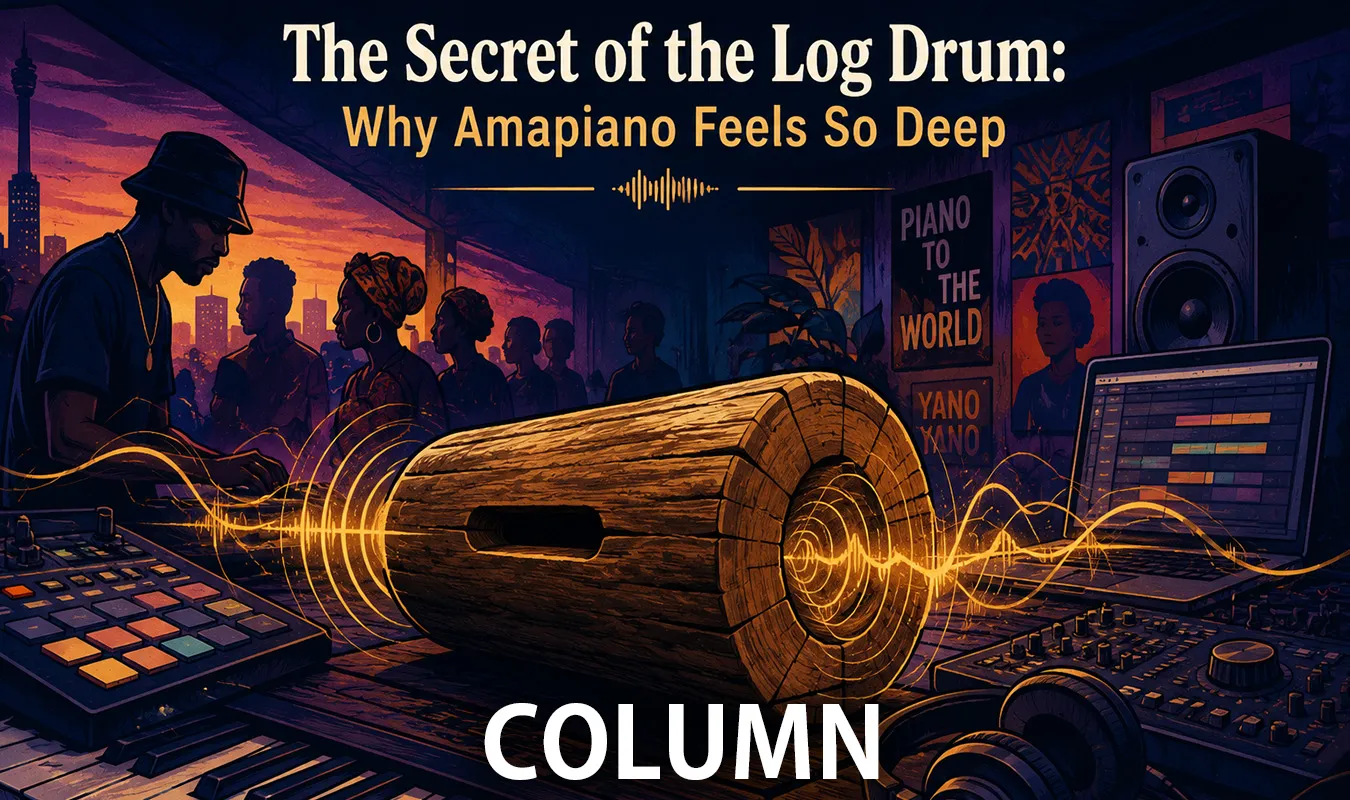
アマピアノを特徴づける最大の要素は、ログドラムと呼ばれる独特の低音だ。このサウンドは、単なるベースではない。メロディとリズムの両方を担う「動く重心」だ。
キックが一定のグリッドを保つ一方で、ログドラムは自由に跳ねる。結果として、リズムは固定されながらも揺らぎを持つ。
この二重構造が、アマピアノ特有の“浮遊感”を生み出している。
ミニマリズムと余白
多くのトラックは、意図的に音数を減らしている。ハイハットやパーカッションは控えめで、代わりに空間が強調される。
この余白は、聴き手に想像の余地を与える。同時に、ダンサーにとっては動きを挿入するスペースになる。
つまり、音が少ないことは「不足」ではなく「設計」なのだ。
グローバルへの翻訳可能性
ログドラムのサウンドは、言語を必要としない。どの地域でも「低音の気持ちよさ」は直感的に理解される。
この非言語性が、アマピアノを世界へと押し出した重要な要因のひとつとなった。
ログドラムはアマピアノを単なるジャンルから体験へと変換する装置だった
ダンス文化との一体化
音楽と振付が同時に生まれる
アマピアノにおいて、音楽とダンスは切り離されていない。新しいトラックが生まれると同時に、新しいステップが生まれる。
代表的な例としては、「Vosho」や「Pouncing Cat」といった動きがある。これらは単なる振付ではなく、コミュニティ内で共有される身体言語だ。
ストリートからの発信
多くのダンスは、クラブではなくストリートで生まれる。スマートフォンで撮影された短い動画が、そのまま拡散の起点になる。
この構造により、「観客」と「パフォーマー」の境界は曖昧になる。誰もが参加者であり、同時に発信者でもある。
身体がメディアになる
ダンスは、音楽を説明するためのものではない。むしろ、音楽そのものの拡張だ。
身体を通して共有されることで、アマピアノは“聴くもの”から“体験するもの”へと変化する。
アマピアノは音楽単体ではなくダンスと結びつくことで完全な形を獲得した
TikTok的拡散とアルゴリズム
ショート動画との相性
アマピアノの構造は、短いクリップに適している。特徴的なドロップ、繰り返し、そして即座に認識できるサウンド。
これにより、数秒の動画でも「何の曲か分かる」状態が生まれる。
バイラルの連鎖
ひとつのダンス動画がヒットすると、それを模倣する動画が連鎖的に増える。この反復が、音楽の認知を加速させる。
重要なのは、ここでの拡散が中央集権的ではないことだ。特定のメディアではなく、無数の個人によって増幅される。
アーティストの役割の変化
従来は、アーティストが音楽を発表し、メディアがそれを広めていた。しかしアマピアノでは、ユーザー自身がプロモーションの主体となる。
その結果、「ヒット」は計画されるものではなく、後から発見されるものへと変わる。
アマピアノはアルゴリズムとユーザー行動によって自然増殖する音楽となった
次に来る進化
ハイブリッド化
現在、アマピアノは他ジャンルとの融合を加速させている。アフロビーツ、ヒップホップ、R&Bとのクロスオーバーが進み、地域ごとに異なるバリエーションが生まれている。
プロダクションの洗練
初期の粗さは徐々に洗練され、ミックスやサウンドデザインの精度が向上している。一方で、ローファイな質感を意図的に残す動きも見られる。
グローバル・ローカルの再接続
世界的な成功の後、再びローカルな要素へ回帰する動きも出ている。言語、リズム、文化的文脈を強調することで、新たな独自性が模索されている。
アマピアノは拡張しながらもローカル性を再定義する段階に入っている
年表:アマピアノの拡張プロセス
構造図:アマピアノを構成する要素
結論:音楽が“構造”として広がる時代
アマピアノは、単なるジャンルの成功例ではない。それは「音楽がどのように広がるか」という構造そのものの変化を示している。
ローカルな文化、特徴的なサウンド、身体的な表現、そして分散型の拡散。それらが組み合わさることで、特定の中心を持たないまま、世界規模の現象が生まれる。
この構造は、今後の音楽にも繰り返し現れるだろう。
そしてそのたびに、私たちは同じ問いを繰り返すことになる。
なぜこの音は、どこにいても聴こえてくるのか。
アマピアノは音楽の未来が中央ではなくネットワークから生まれることを示した
YouTube Podcast
※このPodcastは英語ですが、自動字幕・翻訳で視聴できます
Explore more like this

【コラム】 Amapianoの秘密――なぜ「遅いビート」が世界を動かすのか
Amapianoの秘密

【コラム】 Amapianoは最後の世界的ジャンルなのか?──ローカルな音楽が世界を変えるまで
Amapianoは「最後の世界的ジャンル」なのか

【コラム】 アマピアノの神経科学:脳はいかにしてそのグルーヴを学習するのか
The Neuroscience of Amapiano: How Your Brain Learns the Groove

【コラム】 南アフリカの革命:世界のダンス・リズムを塗り替える
The South African Revolution: Reshaping Global Dance Rhythms

【コラム】 なぜAmapianoは「遅く聴こえる」のに「身体は速く動く」のか
Amapianoのなぜ?

【コラム】 Amapiano vs Afrobeats: The New African Sound War
アフリカから世界へ、新しい音楽地図が描き替えられる