[Column] History and transformation of alternative rock: 1980–2020
Column en 00s 80s 90s Alternative Rock Grunge Indie![[Column] History and transformation of alternative rock: 1980–2020](/../assets/images/column-alternative-rock.webp)
Prologue: Before the word alternative was born
Text: mmr|Theme: 40 years of history until counterculture became mainstream
Although the term “alternative rock” became popular in the early 1990s, its origins can be traced back to the underground scenes of the United States and Britain in the early 1980s.
In the 1980s, mainstream rock was centered on loud arena-sized hard rock, commercially polished AOR, and pop rock associated with MTV. On the other hand, in regional cities and university towns, a new movement of bands rooted in the DIY spirit and not based on commercial success began to emerge.
In the United States at the time, independent labels such as SST Records, Twin/Tone, and Touch and Go were producing a variety of styles that were not dependent on genre. This was a movement called ““college rock’’, a band that inherited the speed and anti-authoritarianism of hardcore punk, but had a freer experimental spirit.
Around the same time, in Britain, the post-punk scene was branching out underground in a complicated way. Labels like Factory, 4AD, and Creation all had their own unique aesthetics, releasing a wide range of bands from guitar pop to shoegaze to gothic rock.
These lines eventually converge into an area collectively known as “Alternative.”
Chapter 1: From Postpunk to College Rock (1980–1987)
R.E.M.’s 1983 Murmur is particularly important as the starting point for alternative. While distancing themselves from commercialism, they featured melodies influenced by folk rock and ambiguous lyrics, and gained a large following, especially in American university towns. R.E.M.’s success was the moment that proved that ““a new type of rock that is different from the mainstream, but has a reliable audience’’ could be created.
Around the same time, bands such as The Replacements, Hüsker Dü, The Feelies, and Sonic Youth emerged, flexibly mixing noise, melody, and experimentation. In particular, Sonic Youth’s exploration of guitar tuning and noise structure had a major influence on subsequent alternative music.
In the UK, The Smiths debuted in 1984. Combining the delicacy of guitar pop with social themes, it determined the values of later indie rock.
The common feature of this period is that ““ideology preceded music.’’
- distance from commercialism
- Rising from regional cities and university towns
- Pick up emotions and voices that are not covered by the majors
These three became the basis for later Alterna.
Chapter 2: Alternatives take shape (1987–1990)
Since 1987, US indie music has become more sophisticated, and album production methods have evolved significantly. Pixies released “Surfer Rosa” in 1988, clarifying the dynamic structure of “stillness and movement.” This structure was later taken over by Nirvana, leading to the explosion of grunge.
Dinosaur Jr. also brought back the guitar solo and fused it with roaring sounds, defining the grammar of later alternative guitar. Fugazi retained the spirit of hardcore, introduced melodies and structural arrangements, and held its own as a DIY icon.
In the UK, bands such as Stone Roses (1989) and My Bloody Valentine (1990) appeared, and the Manchester scene and shoegaze brought a new trend to Europe.
During this period, the core of what would become “Alternative” was assembled.
Chapter 3: The grunge explosion and the mainstreaming of alternative (1991–1994)
1991: An iconic year in the history of alternative rock. Nirvana’s ““Nevermind’’ reached number one in the United States, catapulting the underground scene into the mainstream.
characteristic of grunge
- Lyrics full of instability
- Mixture of roar and melody
- Punk Ethics
However, it presented a different set of values from commercial rock, and became a worldwide movement with mass broadcasts on MTV.
Around the same time, bands from Seattle such as Pearl Jam, Soundgarden, and Alice in Chains achieved success one after another, and became recognized worldwide as “representatives of grunge/alternative.”
However, it is not accurate to talk about alternative as a whole in terms of grunge alone. Around the same time, bands with diverse styles such as Pavement, Smashing Pumpkins, Breeders, and Belly appeared, and the realm of alternative music rapidly expanded.
Chapter 4: Diversification and Fragmentation (1995–1999)
Since 1995, alternative has changed from being a ““genre” to a ““methodology that crosses genres.”
● Establishment of indie rock
The success of Pavement and Guided by Voices solidified the idea that creativity could work on a low budget, and the lo-fi aesthetic became a symbol of indie.
● Rise of female artists
Female artists with diverse styles expanded the alternative realm, including Hole, Garbage, Björk, and PJ Harvey.
● Britpop and post-Britpop
In the UK, bands such as Oasis and Blur formed Britpop, and rock became a social phenomenon. This movement connects to lyrical and experimental bands like Radiohead and The Verve.
● Post-rock and related movements
The rise of Tortoise, Mogwai, Godspeed You! Black Emperor and others pushed the boundaries of rock.
Alternative is no longer a single style; “A general term for creativity that is not captured by commercialism” It has come to be understood as.
Chapter 5: Redefining the 21st Century (2000–2010)
In the early 2000s, bands such as The Strokes, The White Stripes, Interpol, and Yeah Yeah Yeahs achieved worldwide success with their revival-style guitar rock. This is often referred to as the “post-punk revival.”
At the same time, bands such as Arcade Fire, Modest Mouse, The National, and Franz Ferdinand emerged in various places, and alternative music overlapped with the broader definition of “indie rock.”
In the late 2000s, American festival culture (Coachella, Lollapalooza) became larger and more indie acts graced the main stage. The sight of bands that were once underground taking center stage at festivals has become commonplace.
Chapter 6: Alternatives in the Streaming Era (2010–2020)
Since the 2010s, the genre boundaries of rock have become blurred due to the spread of streaming, and alternative has come to have more diverse meanings.
With Tame Impala”s psychedelic route, Bon Iver”s digital/folk fusion, Deerhunter’s experimentation, and the rise of female artists (St. Vincent, Mitski, Phoebe Bridgers), alternatism has fully transitioned to “altera as an aesthetic attitude.”
Rather than the “anti-commercialism” of the past, “A production attitude that emphasizes independence and experimentation” This remained the essence of alterna.
Alternative rock major chronology (1980–2020)
Alternative guitar structure: static and dynamic dynamics
Chapter 7: The current location and future of alternatives
In the 2020s, the word “alternative” is increasingly used to refer to a “place” or “community” rather than a genre. With indie distribution centered around Bandcamp, the expansion of Bedroom Pop, and the spread of cross-genre production environments, alternative continues to be a concept that symbolizes the ““spirit of independent production.’’
Although it is unlikely that a huge movement like the one in the past will occur, it can be said that the ““spirit of independence’’ has taken root more widely. What started as a small underground movement in the 1980s continues to pervade every musical genre around the world, 40 years later.
Conclusion: The “centerless center” of alternatives
What is the history of alternative rock? A history of the “rebellion of the periphery against the center” being repeatedly incorporated into the mainstream and changing its appearance each time It is.
It was born on the fringes of commercial rock, absorbed into the mainstream, and then transformed underground again. This cycle is the symbol of Alterna, and its greatest appeal over the past 40 years.
No matter how the music of the future changes, “Creativity that is not satisfied with the existing center” As long as there is, alternatives will continue to be born.
YouTube Podcast
*This podcast is in English, but you can watch it with automatic subtitles and translation.
Explore more like this
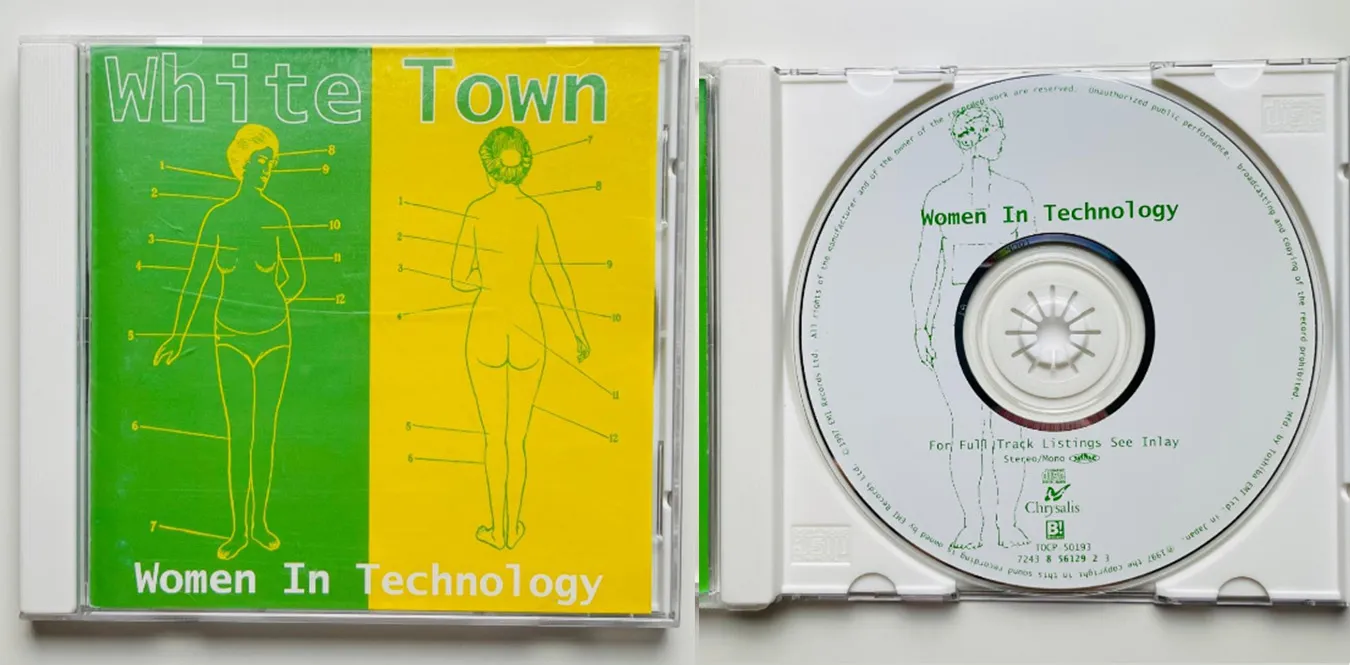
White Town – Women In Technology
White Town is the name of the solo project of British-Indian musician/producer Jyoti Prakash Mishra. She is best known for her 1997 hit song ““Your Woman,’’ which is also included...
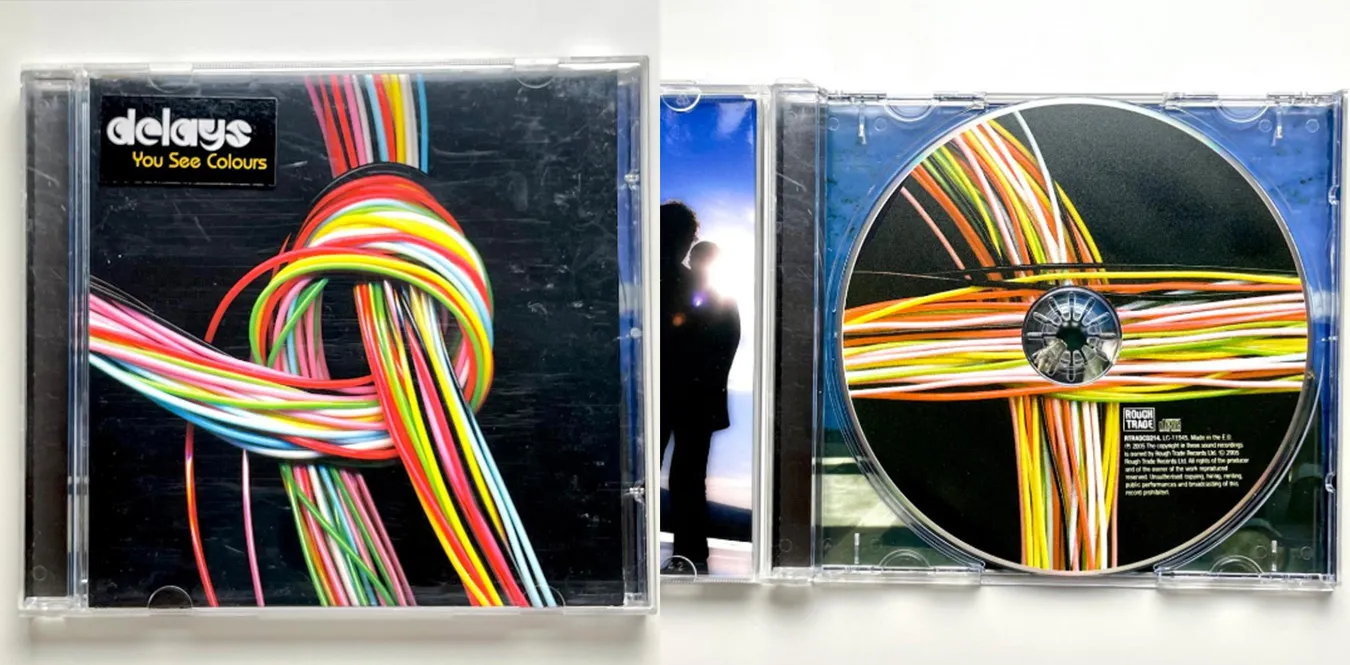
Delays – You See Colors
Delays are a British indie band formed in Southampton. Members: Greg Gilbert, Aaron Gilbert, Colin Fox, Rowly. Delays is a sound that combines guitar and synthesizer, and features Greg Gilbert’s...
![[Column] Lo-Fi Hip Hop / Chillhop (home-recorded beat culture)](/../assets/images/column-lo-fi-hip-hop-chillhop.webp)
[Column] Lo-Fi Hip Hop / Chillhop (home-recorded beat culture)
1. Concept definition and name arrangement
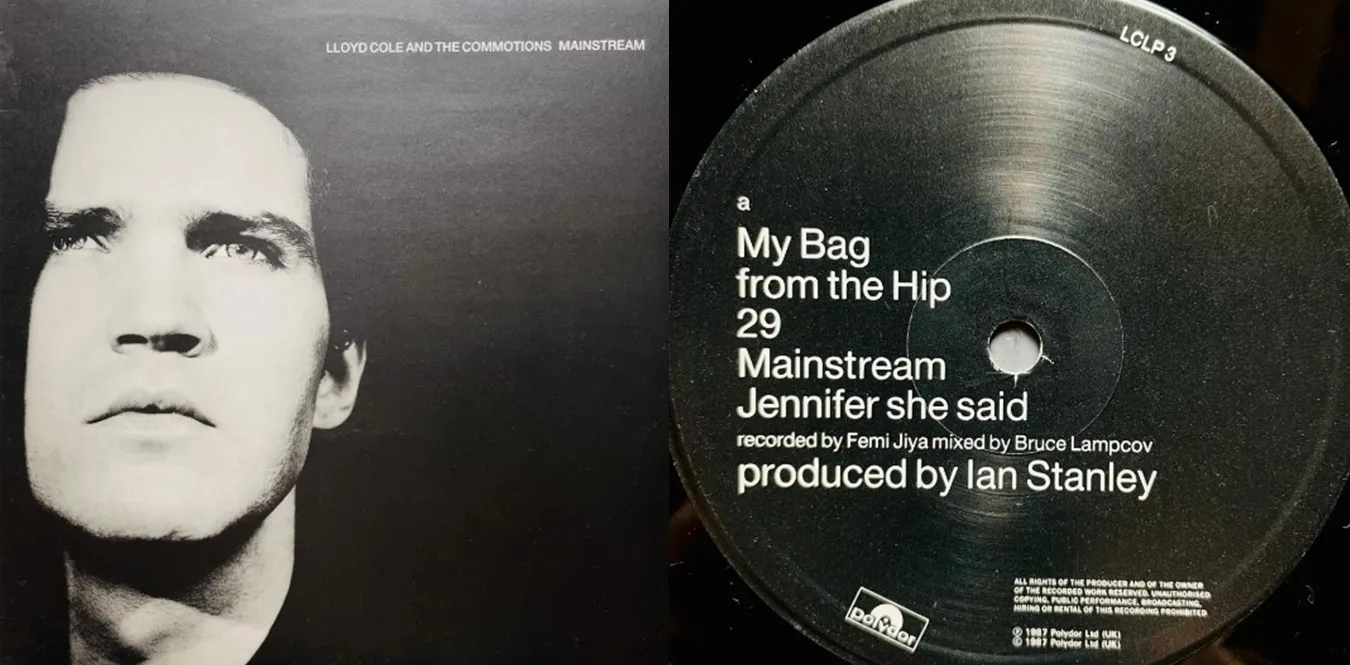
Lloyd Cole And The Commotions – Mainstream
Lloyd Cole And The Commotions is a British pop band formed in Glasgow, Scotland in 1982. After disbanding in 1989, Lloyd Cole began a solo career.
![[Column] Neo-Krautrock: Modern reinterpretation of classic Krautrock](/../assets/images/column-neo-krautrock.webp)
[Column] Neo-Krautrock: Modern reinterpretation of classic Krautrock
Birth of Neo-Krautrock Multi-layered and spatial sound
![[Column] UK Broken Beat re-evaluation trend — innovative trends in club music](/../assets/images/column-uk-broken-beat.webp)
[Column] UK Broken Beat re-evaluation trend — innovative trends in club music
UK Broken Beat Re-evaluation Trend
![[Column] Dego & Kaidi and Sound Signature](/../assets/images/column-dego-kaidi-so-we-gwarn.webp)
[Column] Dego & Kaidi and Sound Signature
Introduction — Birth and context of Broken Beat
![[Column] Brenda Fassie — The township diva: A journey of glory and struggle](/../assets/images/column-brenda-fassie.webp)
[Column] Dego & Kaidi and Sound Signature
Introduction — Birth and context of Broken Beat
![[Column] Complete history of French hip-hop: from NTM to the present day](/../assets/images/column-french-hiphop.webp)
![[Column] Len Faki's deep analysis of techno: From Berlin to the world](/../assets/images/column-len-faki.webp)