![[Column] The golden age of 12-bit samplers: MPC60/SP-1200](/../assets/images/column-akai-mpc-60-emu-sp1200.webp)
Chapter 1: Introduction — Why 12bit?
Text: mmr|Theme: About the 12-bit sampler, which played a central role in music production from the 1980s to the early 1990s.
The 12-bit sampler was not just a “technological halfway point,” it created unintended sonic characteristics, resulting in a new production method and musical language. In the days before “high resolution” like 16-bit and 24-bit were idealized, 12-bit, combined with memory constraints, produced unique sonic contours, distortion, and quantization noise. This was not a drawback for many producers, but rather a raw material for tonal design.
Chapter 2: Basic technical knowledge — sampling theory and 12bit characteristics
2.1 Basics of sampling
There are two main parameters in the process (sampling) of dividing analog signals into numerical values by dividing them into fixed time intervals: sampling frequency (Hz) and quantization bit depth (bit). Sampling frequency is described by Nyquist theory, and quantization bit depth is related to dynamic range and quantization noise.
- 12bit: Theoretically, the dynamic range is about 72dB (ideal conditions). In reality, the effective dynamic range varies depending on the equipment used, due to the effects of circuit noise and analog paths.
2.2 12bit acoustic characteristics
- Quantization noise tends to become apparent, especially for small signals.
- Midrange presence (midrange emphasis) is relatively noticeable.
- Aliasing and coloring that occur during pitch shifting and sample rate conversion create a distinctive “grit”.
2.3 Hardware factors
Not only the bit depth, but also the characteristics of the A/D/D/A circuit, the analog filter (hardware), and the number and access method of internal memory affect the sound. For example, the SP-1200 uses sampling at 26.04kHz, and the E-mu analog path is known to emphasize certain overtones.
Chapter 3: Market Background — Memory Price and Production Environment
In the mid-to-late 1980s, semiconductor memory prices were orders of magnitude higher than they are today. At a time when adding 1MB of RAM was worth hundreds of dollars, equipment manufacturers chose designs that saved sampling time. This creates practical compromises in the specifications such as short sample times, low sampling frequencies, and 12 bits. On the other hand, creative methods have developed that take advantage of constraints, such as the technique of “taking and dropping samples quickly (high-speed sampling → pitch down”).
Chapter 4: Main model explanation
4.1 E-mu SP-1200 (1987) — Technical and practical details
- Year of publication: 1987
- Sampling frequency: 26.04 kHz
- Bit depth: 12bit
- Total sample length: Approximately 10 seconds (mono total)
- Key features: 8-track sequencer, filter (analog), individual outs
Design philosophy and features The SP-1200 was designed with the time constraints of a sampler in mind, and is optimized for the workflow of “cutting and arranging short samples.” Combined with internal analog circuitry, the result is a thick low-frequency range with a “roughness” or “undulation.” Based on the specifications and E-mu”s technical documents from the time, it can be confirmed that the SP-1200”s A/D path and filter design contribute to the acoustic coloration.
Practical usage
- Break sampling and chopping
- Pitch down after fast sampling (inducing low-pass effect)
- Create grooves using loop tweaks and timing swings
4.2 Akai MPC60 (1988) — Achievement as a musical instrument
- Year of publication: 1988
- Sampling frequency: 40 kHz
- Bit depth: 12bit
- Key features: 16 pads, built-in sequencer, MIDI compatible
Design philosophy and features With design assistance from Roger Linn, the MPC60 aimed to be a “playable sampler.” Large pads and a sequencer that emphasizes the sense of groove greatly improve usability for improvisational performances and live production. The spec sheet emphasizes the MPC60’s sequencer accuracy and pad detection mechanism.
4.3 Akai S900 / S950
- S900 (1986): Early rack-type sampler. Sample accuracy is up to 12-bit bandwidth, and features editing functions and external synchronization.
- S950 (1988): An advanced version of S900, providing a more flexible time stretch function (coarse conversion function). Sales records and articles from the time confirm that it was widely used in club music production.
4.4 Ensoniq Mirage (1984)
- Release year: 1984
- Bit depth: 8bit (non-linear sampling characteristics)
- Price range: Accelerate the spread of samplers in the low price range
Although Mirage is not 12bit, it is highly influential as a low resolution sampler of the same era. Favored by artists who aim for rough textures.
4.5 Sequential Circuits Prophet 2000 (1985)
- Release year: 1985
- Bit depth: 12bit
- Features: By combining sample playback with an analog filter, it is possible to “synthesize sample tones”.
Chapter 5: Production workflow using 12bit sampler
Here, a typical production flow assuming SP-1200 and MPC60 is listed in detail based on facts. The description focuses on procedures that match actual producer testimonies and equipment manuals.
5.1 Sampling procedure (SP-1200 type)
- Play the desired break from the record
- Sample briefly (1-2 seconds) the center of the break (keeping in mind the total sample limit)
- Lower the pitch of the sample and manually tweak the loop point if necessary
- Necessary contour adjustments with filters and envelopes
- Arrange them on an 8-track sequencer and fine-tune the timing to create a groove
5.2 MPC60 type production workflow (performance emphasis)
- Record samples for a relatively long time (MPC60 can record for a longer time than SP-1200)
- Load into the pad and improvise input and filter operations
- Build phrases using the built-in sequencer and add swing by changing the velocity and position of each note
- Build in conjunction with other equipment using MIDI synchronization
Chapter 6: Scientific analysis of sound quality (frequency characteristics/quantization noise)
In the technical analysis section, the general frequency response of 12-bit equipment, the spectral tendency of quantization noise, and the aliasing tendency during pitch shifting are explained based on general principles. The explanations here follow the general trends that can be confirmed from the manuals and technical articles for each piece of equipment.
6.1 Frequency characteristics
*SP-1200 uses 26.04kHz sampling, so the theoretical Nyquist frequency is 13.02kHz. The sound becomes “rounded” by lowering the high frequencies due to the actual low-pass characteristics and analog circuitry.
- MPC60 uses 40kHz samples, so higher frequencies remain, but high-frequency resolution is limited due to 12-bit quantization.
6.2 Quantization noise
- Quantization noise can be estimated as signal-to-noise ratio (SNR). The ideal 12-bit SNR is about 72dB, but in real equipment it is usually lower than this.
Chapter 7: Influences by genre (hip-hop/R&B/house/techno)
7.1 Role of SP-1200 in Hip Hop
The SP-1200 has a tone optimized for reworking bootlegs and breaks, and it became the de facto standard tool in many golden-era hip-hop production settings. Multiple articles have confirmed that producers such as Pete Rock, DJ Premier, and The Bomb Squad have performed SP-type sample work.
7.2 Relationship between R&B and MPC
The MPC60’s high playability and MIDI compatibility have made it popular in R&B and pop music production sites. Multiple interviews have shown that producers such as Teddy Riley have used MPC in their productions.
7.3 House/Techno and Low Resolution Samples
Low-resolution samples are effective for creating textures and were widely used in early house/techno scenes. Ensoniq and Akai rackmount equipment became studio staples.
Chapter 8: Key artists and usage examples
Below are excerpts of usage examples based on factual information such as public interviews, credits, technical articles, and official documents.
(Note: Dr. Dre mainly uses MPC3000)
Chapter 9: UI/UX and instrumentation — Establishment of a performance approach using MPC
The MPC series popularized the concept of a “sampler = an instrument to be played.” In particular, the 16 pads, pad sensitivity, low latency for instant playback, and built-in sequencer make it possible to improvise, and its use in live performances and impromptu sessions has expanded. The fact that the fusion of Roger Linn”s design philosophy (emphasizing the human sense of performance) and Akai”s product design supported the success of the MPC60 is supported by multiple developer interviews.
Chapter 10: Inheritance and Reprint (Plugin/Hard Reprint)
Since the 2010s, the number of plug-ins and hardware reproduction products that imitate the “sound” of the SP-1200 and MPC has increased, and it has become common for the “12-bit feel” of that time to be reproduced digitally. The main trends are official hardware reprints (such as modern versions of the MPC series by Akai Professional) and emulation through plug-ins (saturation, lo-fi engines).
Chapter 11: Materials/References
- E-mu SP-1200 Service Manual (Technical Specifications)
- Akai MPC60 User Manual (product manual)
- Music technology magazine at the time (1987–1995 issue)
- Producer interviews (Pete Rock, DJ Premier, Dr. Dre, etc.)
Chapter 12: Summary and outlook
The 12-bit sampler is a great example of how technical constraints can lead to ingenuity. The SP-1200 and MPC60 went beyond being mere tools and came to form the musical expression of a particular era. In today’s production environment, there are a variety of ways to intentionally recreate “lo-fi” and “grit,” but when you trace their roots, you always come back to these devices.
YouTube Podcast
*This podcast is in English, but you can watch it with automatic subtitles and translation.
Appendix: Functional relationship/workflow
Workflow conceptual diagram
Comparison diagram between equipment
SP-1200 internal structure (conceptual diagram)
MPC60 internal structure
Waveform/frequency analysis of sample example
SP-1200 kick drum analysis
MPC60 snare analysis
The technological legacy left behind by the 12bit sampler
Inheritance of hardware features
Detailed internal circuit explanation of each model (CPU / ROM / DAC)
SP-1200 Internal Block
MPC60 internal block
Track/Waveform/Frequency Analysis Section
Layer analysis of Public Enemy (Bomb Squad) SP-1200
Pete Rock - MPC60-based analysis of “They Reminisce Over You”
DJ Premier’s MPC60 chop method
DJ Shadow - Endtroducing (MPC60) deep analysis
Addition 1: Comparison of 12bit and 16bit quantization
Addition 2: SP-1200 filter curve concept
Addition 3: MPC60 sequencer structure
Addition 4: Sampler Signal Path (by generation)
Addition 5: SP-1200 time extension method (pitch conversion)
Addition 6: MPC60 drum layer model
Addition 7: Vinyl→Sampler→Mixer flow
Explore more like this
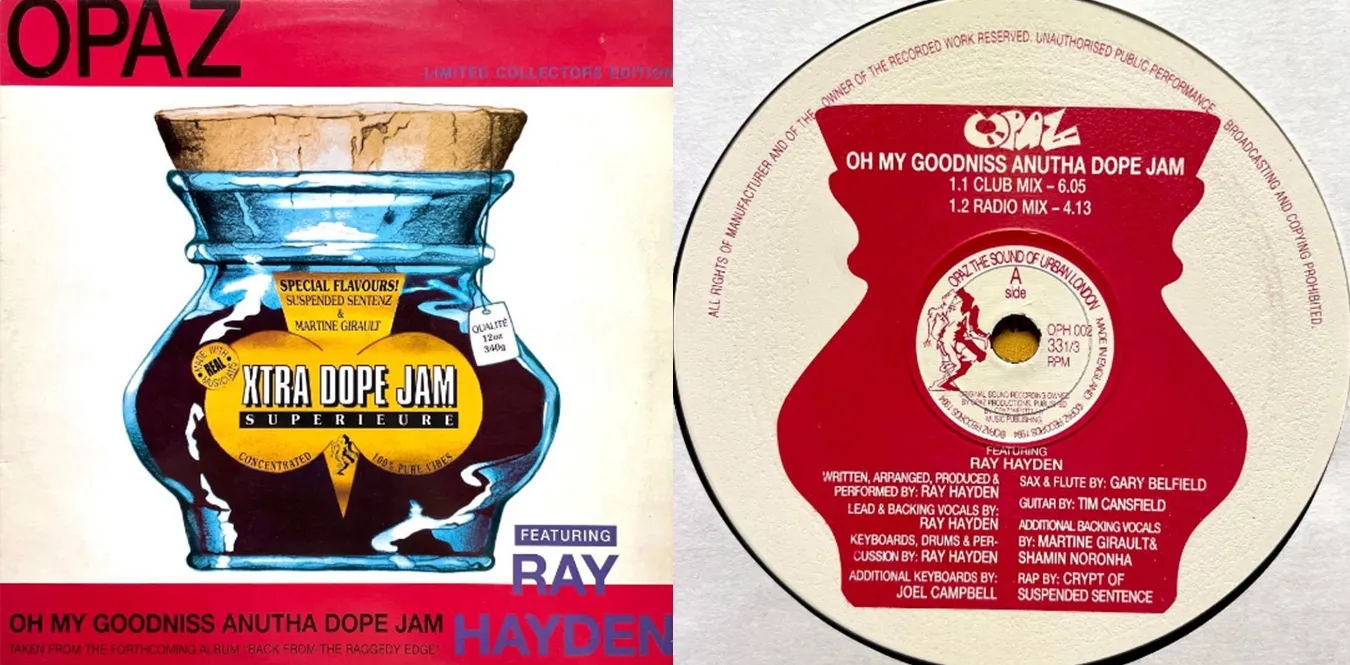
Opaz – Oh My Goodniss Anutha Dope Jam
Ray Hayden, aka Opaz, is a London-based producer and vocalist who runs Opaz Records, which specializes in acid jazz and world music.
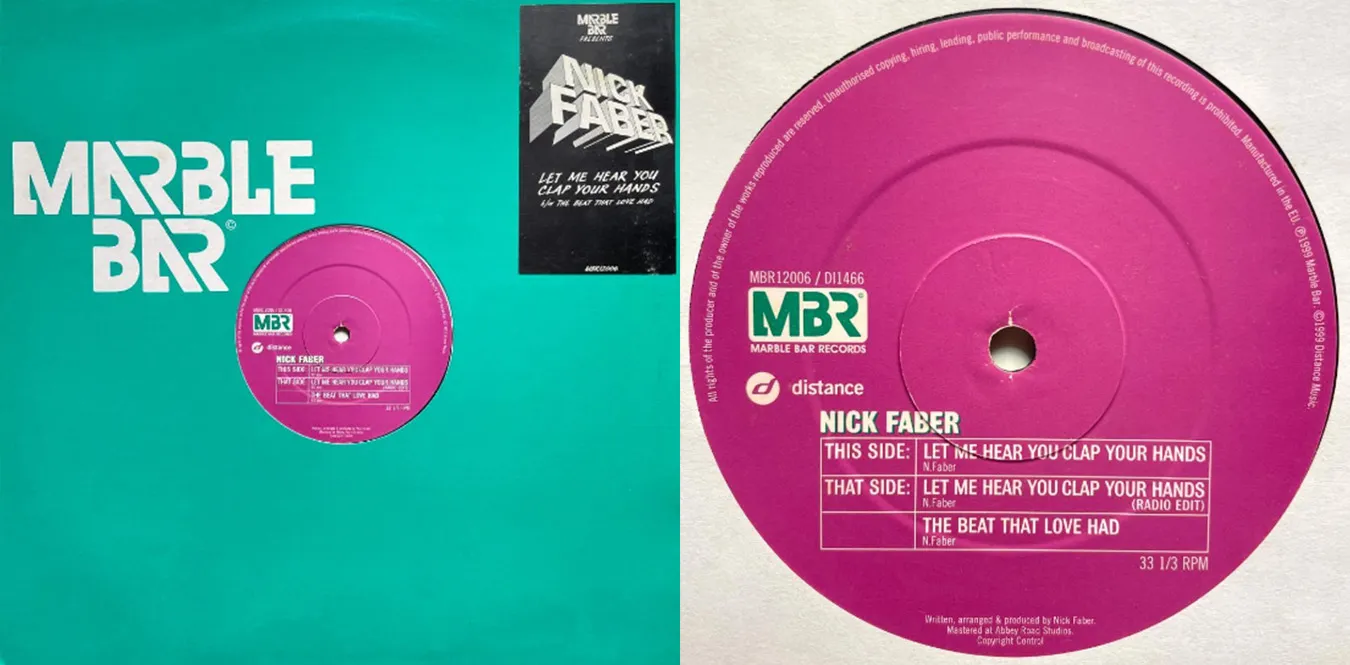
Nick Faber – Let Me Hear You Clap Your Hands
Nick Faber is a producer/musician based in London.
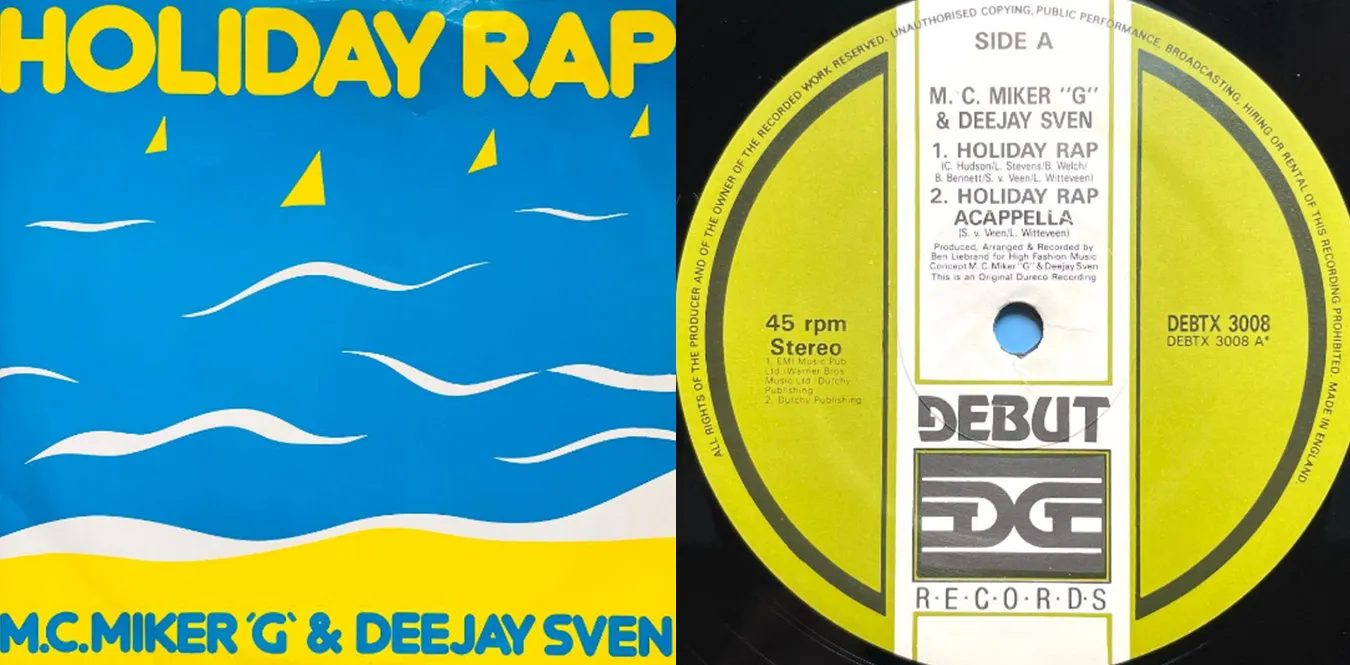
M. C. Miker 'G' & Deejay Sven – Holiday Rap
MC Miker G and DJ Sven are a hip-hop duo from the Netherlands.
![[Column] Lo-Fi Hip Hop / Chillhop (home-recorded beat culture)](/../assets/images/column-lo-fi-hip-hop-chillhop.webp)
[Column] Lo-Fi Hip Hop / Chillhop (home-recorded beat culture)
1. Concept definition and name arrangement

8-Off – Alize For Dolo
Angel Aguilar, also known as 8-Off, is a hip-hop MC/producer based in New York. He has released under various names including Agallah, Angel Aguilar, Brad Piff, and The Don Bishop....
![[Column] Brenda Fassie — The township diva: A journey of glory and struggle](/../assets/images/column-brenda-fassie.webp)
![[Column] Complete history of French hip-hop: from NTM to the present day](/../assets/images/column-french-hiphop.webp)
[Column] Complete history of French hip-hop: from NTM to the present day
Complete history of French hip hop
![[Column] Scott Herren / Prefuse 73: Poet of Beats and Fragments](/../assets/images/column-scott-herren-prefuse73.webp)
![[Column] Sound Tribe Sector 9 (STS9) - The trajectory of a 21st century live band where improvisation and electronic music intersect](/../assets/images/column-sound-tribe-sector-9.webp)
[Column] Sound Tribe Sector 9 (STS9) - The trajectory of a 21st century live band where improvisation and electronic music intersect
The avant-garde of 21st century live music where improvisation and electronic music intersect
![[Column] Human Beatbox World history and Japanese players - Technological evolution, tournament culture, trends in each country](/../assets/images/column-human-beat-box.webp)
[Column] Human Beatbox World history and Japanese players - Technological evolution, tournament culture, trends in each country
Human Beatbox World history and tournament culture - technology, trends, and player history
![[Column] DMC World DJ Championship: The trajectory of turntablism becoming a global culture](/../assets/images/column-dmc-world-dj-championship.webp)