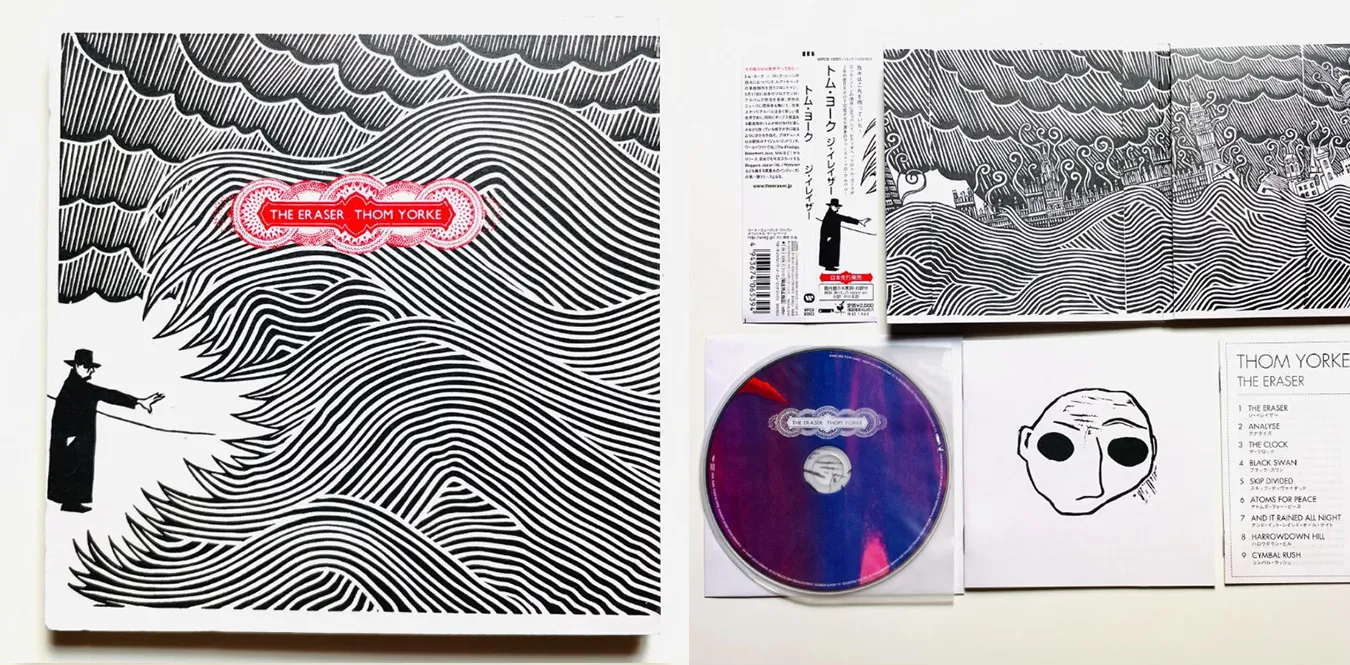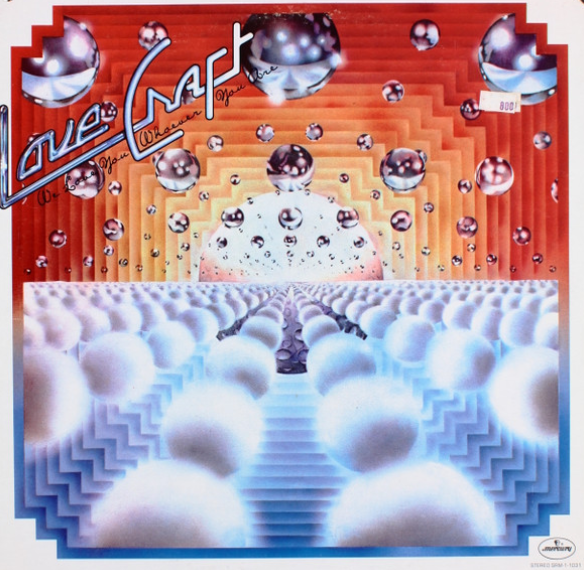
![[Column] Electro Pop Experimental](/../assets/images/column-Electro Pop Experimental.webp)
History of expansion of experimentation and integration of visual and production processes in electronic pop music
Text: mmr|Theme: Rather than dismantling pop music, it is an attempt to continue expanding its internal structure.
Electro Pop Experimental is a general term for a musical trend that is based on the structure of pop music and actively integrates electroacoustic technology, visualization of the production process, visual expression, and self-calculating music production ideas. This field is not a single genre, but has been established as an intersection of multiple technological histories, production environments, visual cultures, and independent distribution networks.
While conventional electropop has focused on ““familiarity,” ““repeatable melodies,” and ““danceability,’’ experimental electropop is characterized by the fact that while maintaining these aspects, it incorporates tone generation, structural destruction, personality expression, and alteration of the creator into the music itself.
Chapter 1 Premise of electronic music before electropop
In order to understand the formation of the electronic pop experiment system, it is necessary to take a bird’s-eye view of the history of the combination of electronic music and popular music in the latter half of the 20th century.
Combining synthesizer and pop structures
Since the 1970s, with the miniaturization and commercial distribution of analog synthesizers, electronic sound has moved from the realm of studio experimentation to the popular music production environment. At this stage, electronic sounds primarily served to reinforce existing pop structures.
In the 1980s, with the spread of digital synthesizers, drum machines, and the MIDI standard, the production process itself began to influence the structure of songs. At this point, music became more and more a “designed process” rather than a “played result.”
Chapter 2 Structural characteristics of electropop
Even before electropop became experimental, it contained the following structural characteristics.
- Rhythm design based on mechanical repetition
- The idea that the tone itself is the identity of the song
- Vocal processing, anonymization, and disembodiment
- Inseparability of production environment and finished sound source
These will later serve as a basis for enhanced experimentation.
Chapter 3 Definition and expansion of “experimentality”
"”Experiment’’ in the electropop experimental genre does not only refer to anarchy or avant-garde. Rather, it is achieved through a combination of the following elements:
- Deviation while maintaining pop structure
- Exposure of the production process
- Sound image design that does not hide artificiality
- Simultaneous visual expression and music production
This experimental nature decomposes the listener’s experience into multiple layers and expands music listening from an ““auditory-only activity.’’
Chapter 4 Digital production environment and transformation of individual production
Since the late 1990s, the spread of DAWs (Digital Audio Workstations) has fundamentally changed the subject of electropop production.
- Production outside the studio becomes the norm
- Integration of composition, arrangement, recording, and mixing
- Whole process management by personal production
Under this environment, musical works come to take on the character of records of the production process itself.
Chapter 5 Production process and visual representation in Grimes
Grimes is a representative of experimental electropop, an artist who has presented the production process and visual expression as inseparable.
Musical features
- Tone design centered on digital synthesizers
- Coexistence of pop melody and unstable structure
- Multi-layered vocal processing and unrealistic sound image
Characteristics of production process
Grimes’ production is characterized by intentionally leaving traces of the limitations of the recording environment and personal production in his works. Noise, unbalanced volume, and excessive effects processing are not signs of a lack of perfection, but serve as proof of the existence of the creator.
Visual integration
The visuals presented along with the music do not serve to explain the worldview of the song, but rather to visualize the production idea itself.
Chapter 6 Carpenter Brut and the different genealogy of experimental electropop
Carpenter Brut represents a different direction in electropop experimentation.
Acoustic features
- Synthwave tone design
- Extremely emphasized rhythm and distortion
- Coexistence of pop style and excessive production
The location of experimentation
The experimental nature of Carpenter Brut manifests itself less in the music itself than in the rearrangement of genre symbols and the exaggeration of visual presentation. Although the production process is precise, the results are intentionally overdone.
Chapter 7 Visual Culture and Electropop Experiments
In electropop experimental music, the following elements work together, rather than just music alone.
- Album artwork
- Music video
- Live video
- Fragmentary release of the production process
These are designed to be part of the musical experience, rather than supplementary information about the song.
Chapter 8 Decomposition and reconstruction of the production process
The production process for experimental electropop can be broken down into the following stages.
- Tone generation
- Rhythm design
- Melody construction
- Vocal processing
- Spatial processing
- Visual design
These are not linear and feed back to each other.
Chapter 9 Vocal processing and personality splitting
In experimental electropop, vocals are treated as “materials” rather than “narrators.”
- Pitch processing
- Formant manipulation
- Multi-recording
- Deliberately reduced intelligibility
As a result, the personality loses its unity and is placed within the song as multiple viewpoints.
Chapter 10 Dissolving Genre Boundaries
Experimental electropop frequently intersects with the following genres:
- Industrial
- Synthwave
- Noise
- Experimental music
- Art pop
However, rather than simply merging these elements, it is distinctive in that it transforms from within while maintaining the pop structure.
Chapter 11 Changes in listener experience
By including the production process and visual information, listeners simultaneously experience the following:
- Listening to music
- Imagining the production process
- Observation of creator personality
- Visual narrative interpretation
This makes the piece a continuous process of interpretation, rather than a finished work.
Chapter 12 Chronology: Formation of Electro Pop Experimental
1970s
- Popularization of electronic music equipment
- Introduction of electronic sounds to pop structure
1980s
- Establishment of synth pop
- Emphasis on visual expression
1990s
- Popularization of digital production environment
- Expansion of personal production
2000s
- Expansion of independent distribution
- Emergence of experimentation
2010s
- Visualization of the production process by Grimes et al.
- Deepening the integration of visual and music
2020s
*Further blurring of production environment and work boundaries
Chapter 13 Current status of experimental electro pop
Current experimental electropop exists as a collection of production ideas and expression methods rather than a music genre.
- Emphasis on process rather than completion
- Don’t hide artificiality
- Simultaneous visual and acoustic design
These will continue to be updated as the technological environment changes.
Conclusion
Electro Pop Experimental is an attempt to continue expanding pop music’s internal structure rather than deconstructing it. Artists such as Grimes and Carpenter Brut have redefined the listening experience by presenting music production as a “process” rather than a “result.”
This trend will continue to evolve as production techniques, visual culture, and personal expression change.
Explore more like this
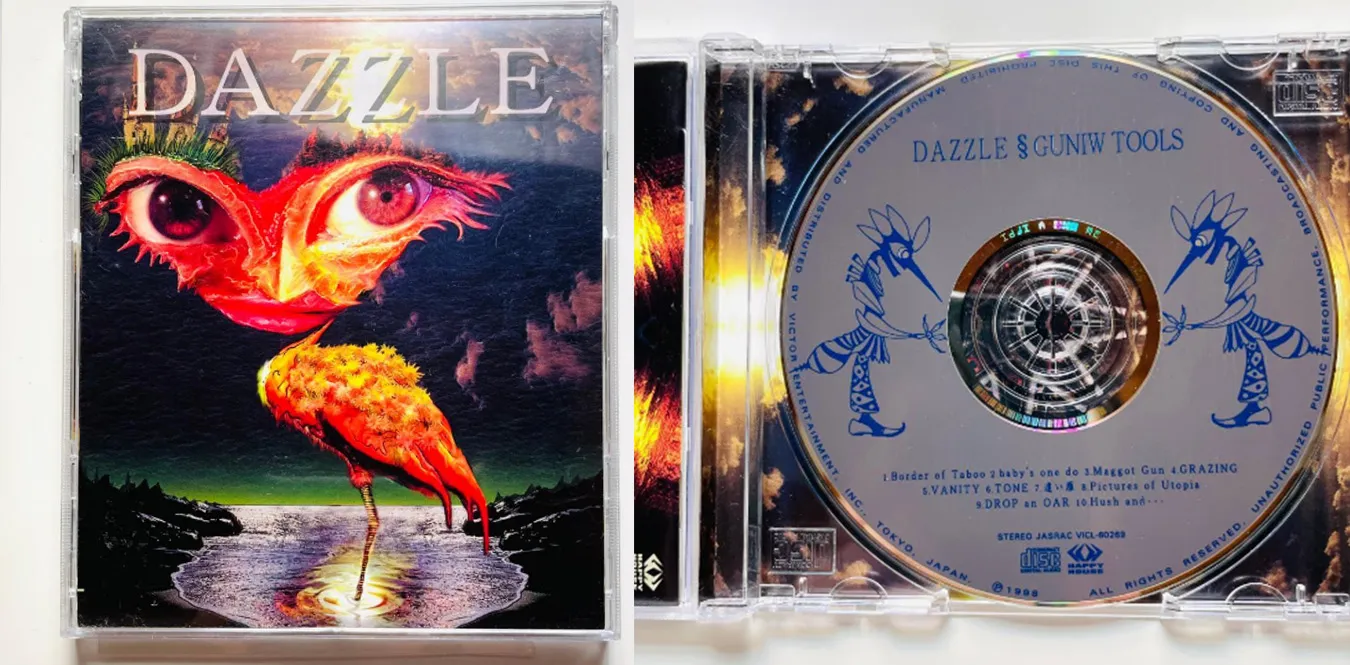
Guniw Tools – Dazzle
Guniw Tools(グニュウ ツール)は、1990年代初頭から活動するバンド。小道具、撮影、編集等などを自ら行い、全てのアルバムを映像化するという視覚と聴覚で世界観を表現するスタイルが特徴。