[Column] 2000s R&B: From the Golden Age to the Revolutionary Period -- A complete history of the sound, industry, and icon
Column en 00s Contemporary Hiphop R&B Soul![[Column] 2000s R&B: From the Golden Age to the Revolutionary Period -- A complete history of the sound, industry, and icon](/../assets/images/column-2000s-r-and-b.webp)
A complete history of 10 years where sounds, industries, and icons intersected
Text: mmr|Theme: A systematic look back at the evolution of R&B sounds in the 2000s, major artists, industrial structure, technological evolution, etc.
R&B of the 2000s occupies a special place in the history of world popular music. R&B, which matured in the 1990s, merged with hip-hop in the 2000s, pushing it to the center of the pop charts. Diversifying subgenres, advances in production technology, the shrinking and digitalization of the music industry, and the birth of global stars. As these factors overlapped, R&B expanded like never before.
1. Introduction: What is 2000s R&B?
2000s R&B is widely recognized as a musical trend with the following characteristics.
- Complete fusion with hip-hop (commonly known as “Hip-Hop/R&B”)
- Producer-led music production
- Popularization of Auto-Tune
- Start of digital distribution
- International breakthrough of female vocalists
- Domination on the global charts
This decade was a time when R&B transcended the confines of “black music” and reached the center of world pop culture.
2. Inheritance from the 1990s: Neo-soul and hip-hop soul
The foundation of 2000s R&B lies in the following styles established in the 1990s.
- Neo Soul (Erykah Badu, D”Angelo, Lauryn Hill, etc.)
- Hip Hop Soul (Mary J. Blige)
- Producer R&B (Timbaland, The Neptunes)
These trends matured in the early 2000s, developing into a more popular and dynamic sound.
3. 2000–2003: The beginning of the golden age
2000-2003 was the period when R&B began to have a strong presence on the Billboard charts.
Main events (facts)
- 2000: Aaliyah hits “Try Again,” drawing attention to the innovation of Timbaland’s production.
- 2001: Alicia Keys debuts with Songs in A Minor. Won the major category at the Grammys.
- 2001: World breakout with Usher’s ““U Remind Me.’’
- 2002: Ashanti debuts. Breaking the sales record for the debut week.
- 2003: Beyoncé releases her solo debut, Dangerously in Love.
This period was characterized by the strong presence of traditional soul elements.
4. 2004–2007: Production revolution and global stardom
Since 2004, producers like Timbaland, The Neptunes, Jermaine Dupri, and Rodney Jerkins have taken control of the music, and the sonic landscape of R&B has changed dramatically.
Features
- Beat subdivision, minimalization
- Large use of synth bass
- Advanced electronic sound processing
- The border with hip-hop has almost disappeared
Main events
- 2004: Usher’s ““Confessions’’ is a huge hit (highest sales of the year).
- 2005: Mariah Carey’s The Emancipation of Mimi becomes a commercial success.
- 2006: Ne-Yo debuts. Also active as a songwriter.
- 2006: Rihanna advances R&B/pop fusion.
- 2006–07: T-Pain popularizes the use of Auto-Tune.
As a result, the ““2000s R&B sound’’ was established** and became the center of pop music in the world.
5. 2008–2009: EDM trends and pop
In the latter half of 2008, R&B began to move in two directions.
- Introduction of EDM elements
- Shift to a pop/dance-oriented sound
Main events
- 2008: Beyoncé releases “I Am… Sasha Fierce”.
- 2008: Chris Brown, T-Pain, Ne-Yo and others dominate the charts.
- 2009: The-Dream becomes a central figure in the modern R&B sound.
- 2009: Digital distribution exceeds CD sales in an increasing number of countries.
This change led to the birth of alternative R&B in the 2010s.
6. Changes in technology and the music industry
R&B in the 2000s coincided with the music industry’s “digital shift.”
Main technological changes (facts)
- Popularization of MP3 distribution (iTunes Store started in 2003)
- Advancement of DAW (Digital Audio Workstation)
- Popularization of Auto-Tune
- Shrinking CD market
- PV/dance videos begin to be shared on YouTube (after 2005)
This environment drastically changed the form of R&B production and distribution.
7. The rise of producers and changes in the sound image
R&B in the 2000s was so much called the “era of the producer” that producers were at the center of music production.
Representative producer
*Timbaland
- The Neptunes (Pharrell Williams, Chad Hugo)
- Rodney Jerkins (Darkchild)
- Jermaine Dupri *Bryan-Michael Cox
- The-Dream & Tricky Stewart
- Stargate
Distinctive production
- Complex rhythm patterns
- Evolution of vocal processing
- Frequent use of spatial effects
- Minimal sound design
In particular, The-Dream is credited with creating the origins of “ambient R&B,” which later influenced alternative R&B.
8. Advancement of R&B female artists
The 2000s was also a time of great international success for female artists.
Main artists
*Beyoncé
- Alicia Keys *Mary J. Blige
- Mariah Carey
- Rihanna
- Ashanti
- Keyshia Cole
- Ciara
Their work often incorporated hip-hop, pop, reggae, and even electronica, pushing the boundaries of R&B.
9. Evolution of R&B male artists
Male artists have increased their presence through the trinity of dance, vocals, and production ability.
Main artists
- Usher *Chris Brown *Ne-Yo
- R. Kelly (continued to be a hit in the 2000s) *Trey Songz
- Justin Timberlake (strengthens R&B/pop fusion)
Usher achieved worldwide success with 2004’s “Confessions” and was hailed as one of the leading R&B male artists of the 2000s.
10. A masterpiece that symbolizes the scene
The following are albums that are said to have had a particularly large impact both in terms of charts and critical reviews.
- Usher – Confessions (2004)
- Alicia Keys – Songs in A Minor (2001)
- Beyoncé – Dangerously in Love (2003)
- Mariah Carey – The Emancipation of Mimi (2005)
- Ne-Yo – In My Own Words (2006)
- Rihanna – Good Girl Gone Bad (2007)
- Justin Timberlake – FutureSex/LoveSounds (2006)
- The-Dream – Love/Hate (2007)
11. Chronology
12. R&B sound structure diagram
13. Summary: 2000s R&B as a bridge to the 2010s
2000s R&B played an important role in music history in the following ways:
- Birth of a global star (Beyoncé, Usher, Rihanna, etc.) *Establishing an era in which producers and technology take control of music
- Centering pop culture through fusion with hip-hop
- Transformation of production and distribution through digitalization
- A bridge to 2010s alternative R&B (Frank Ocean, The Weeknd, etc.)
The 2000s R&B was not only a “golden age” but also a “period of change.” Tradition and innovation, soul and electronic sounds, artists and producers, analog and digital. Over the past 10 years, they have continued to dynamically transcend these boundaries, becoming the foundation of today’s global music.
Explore more like this
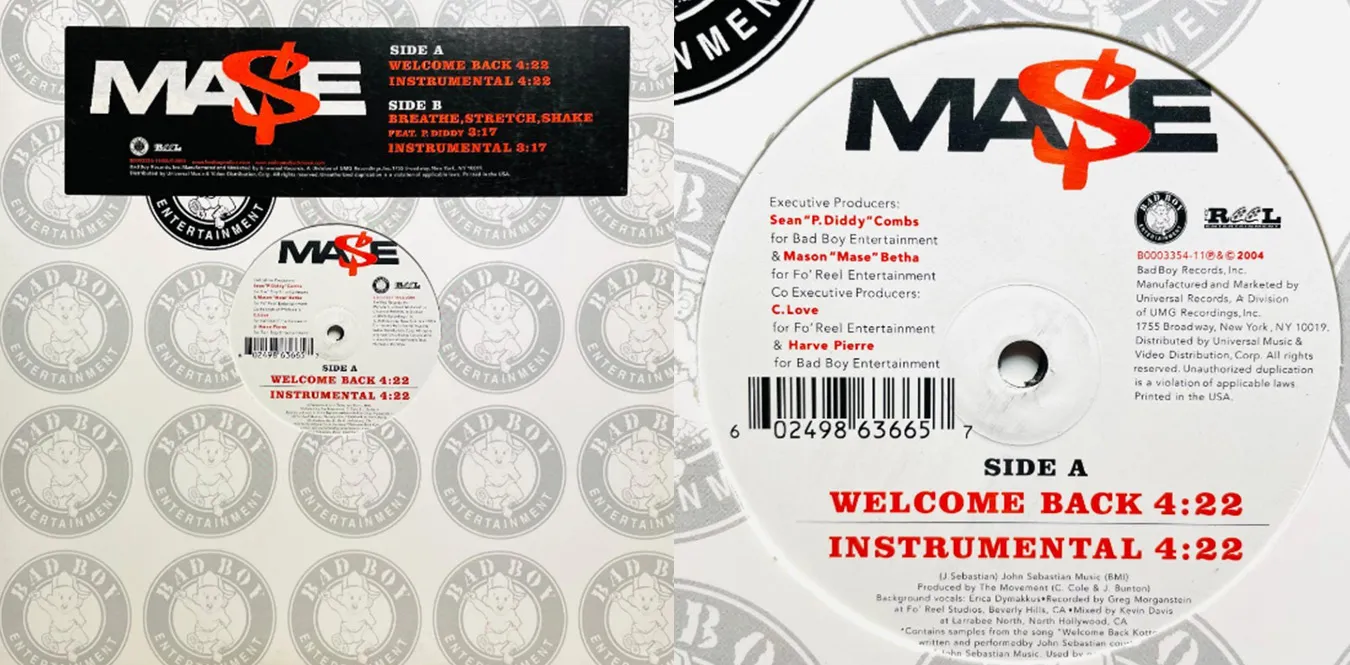
Mase – Welcome Back
Mase (Ma$e) is a Florida rapper known for his 1997 hit album Harlem World, which featured Jay-Z, DMX, Lil’ Kim, and more.
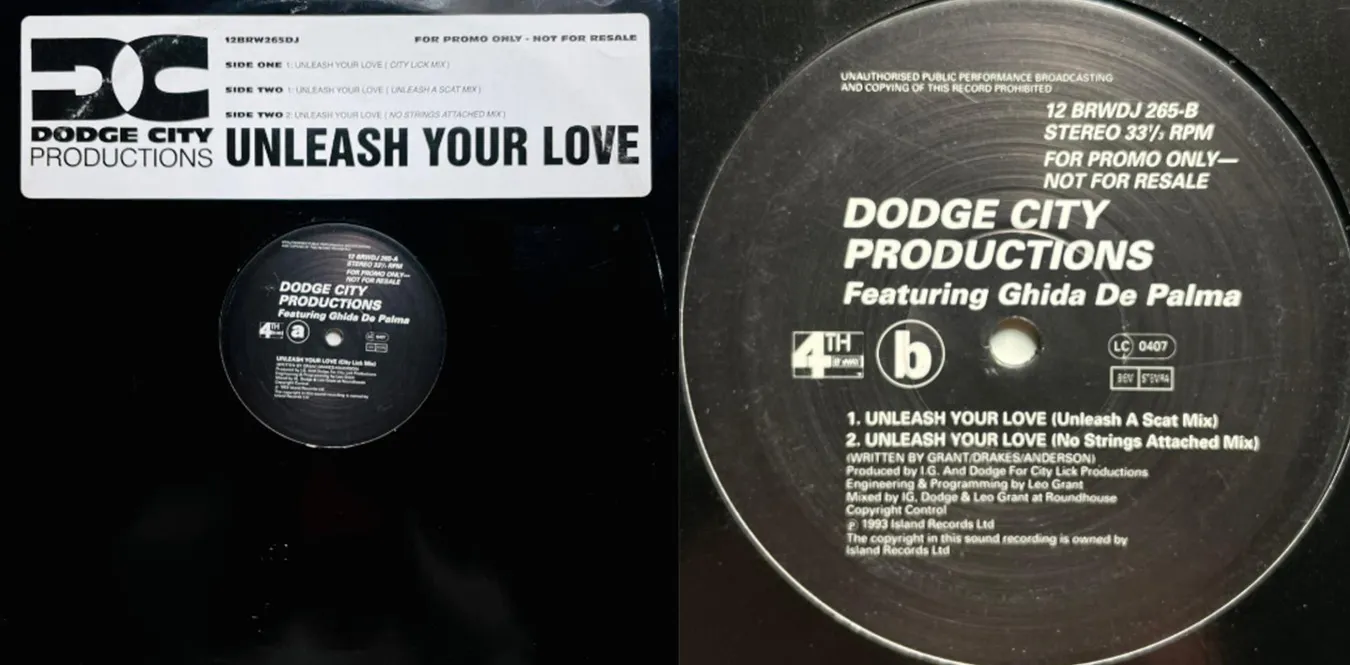
Dodge City Productions – Unleash Your Love
Dodge City Productions (DCP) is a project by early Broken Beat innovators Ian Grant (IG Culture) and Roger Drakes (Dodge). They are known as the duo responsible for the Acid...
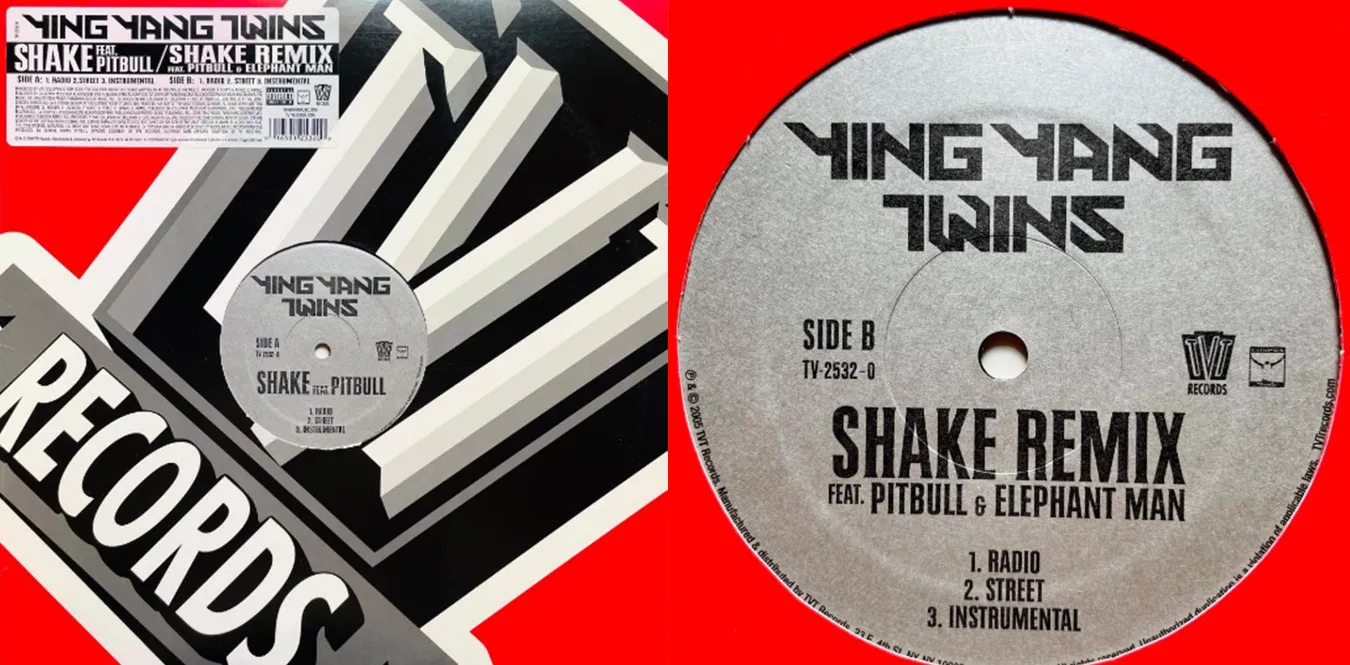
Ying Yang Twins – Shake feat. Pitbull / Shake Remix feat. Pitbull & Elephant Man
“Shake”, released in 2005, is a single cut from Ying Yang Twins” album “U.S.A.”. Featuring Pitbull and Elephant Man. The song includes a sample of George Kranz”s “Din Daa Daa”....
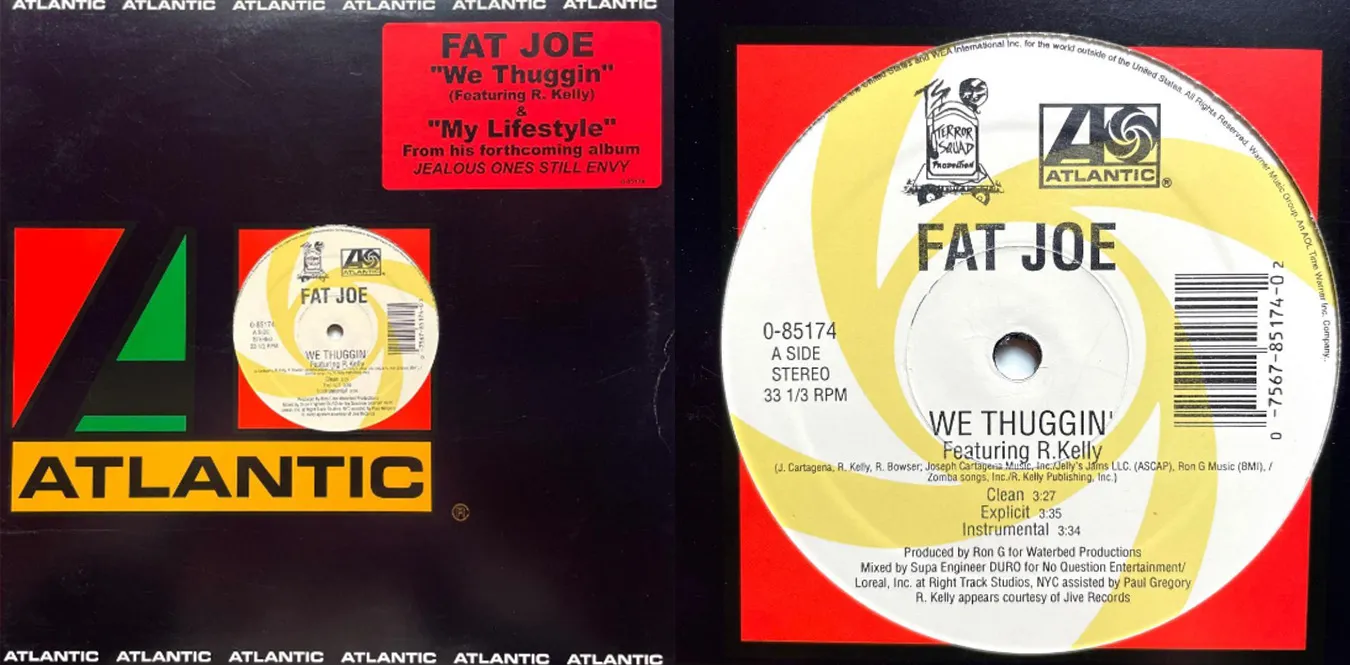
Fat Joe – We Thuggin'
A’s “We Thuggin’” is a Hip Hop track released by Atlantic in 2001 featuring R. Kelly. The producer is Ron G.
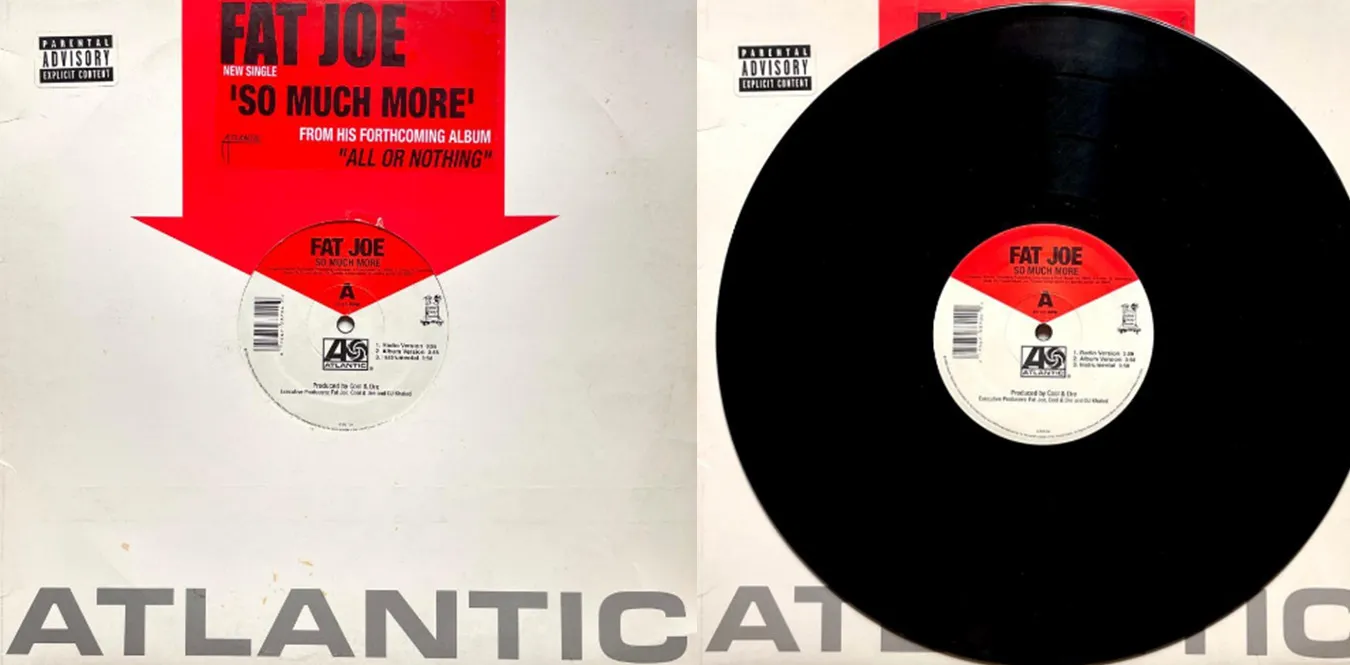
Fat Joe – So Much More
“So Much More” is a Hip Hop track by Fat Joe released in 2005. (promo edition) The producers are Miami-based production duo Cool & Dre.
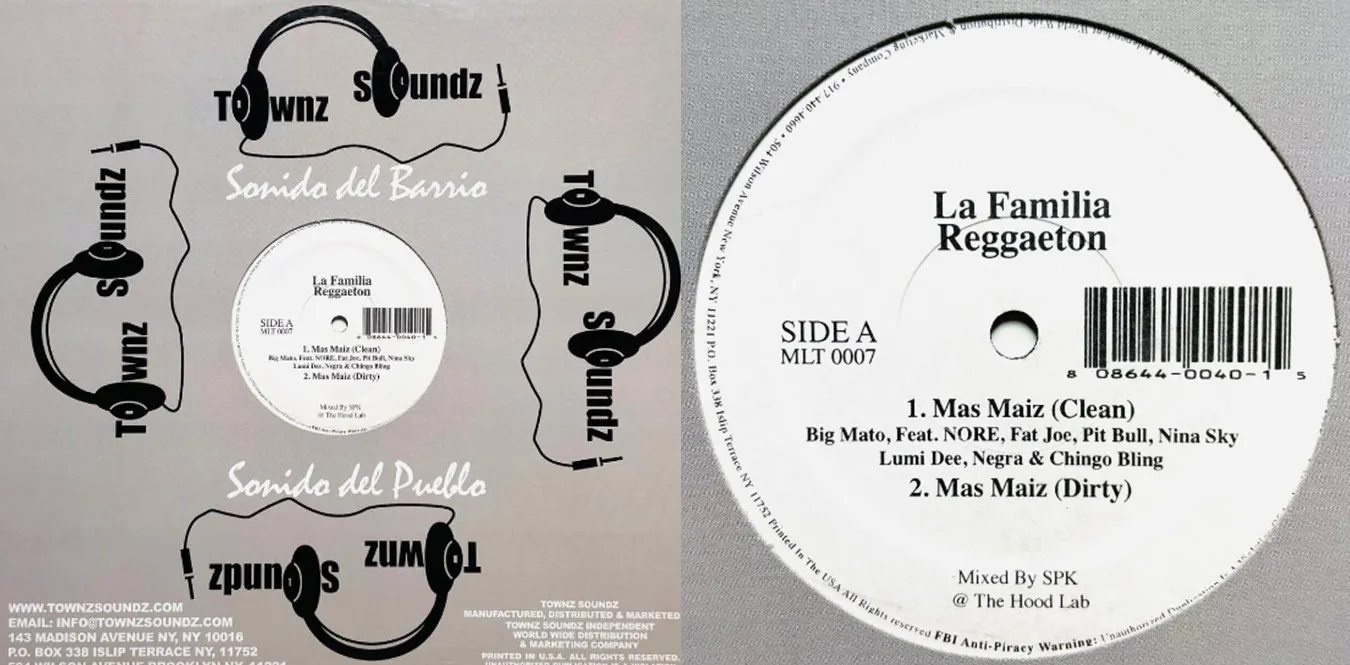
VA – La Familia Reggaeton
“La Familia Reggaeton”, released in 2005, is a Hip Hop/Reggae record in which the experimental/industrial noise music group SPK (Graeme Revell & Neil Hill) mixed a song by Queens rapper...
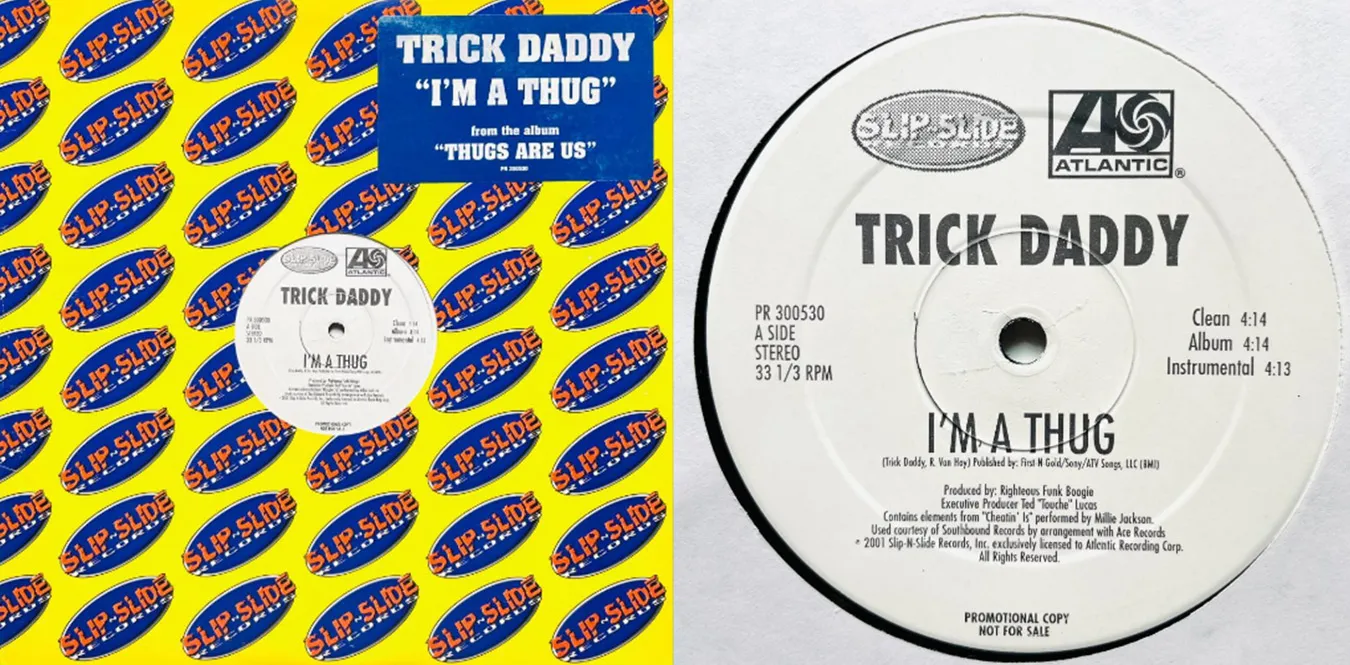
Trick Daddy – I"m A Thug
A Gangsta Hip Hop track released in 2001 by Trick Daddy, a rapper from Miami, Florida, known for “Let’s Go (featuring Twista and Lil Jon).”
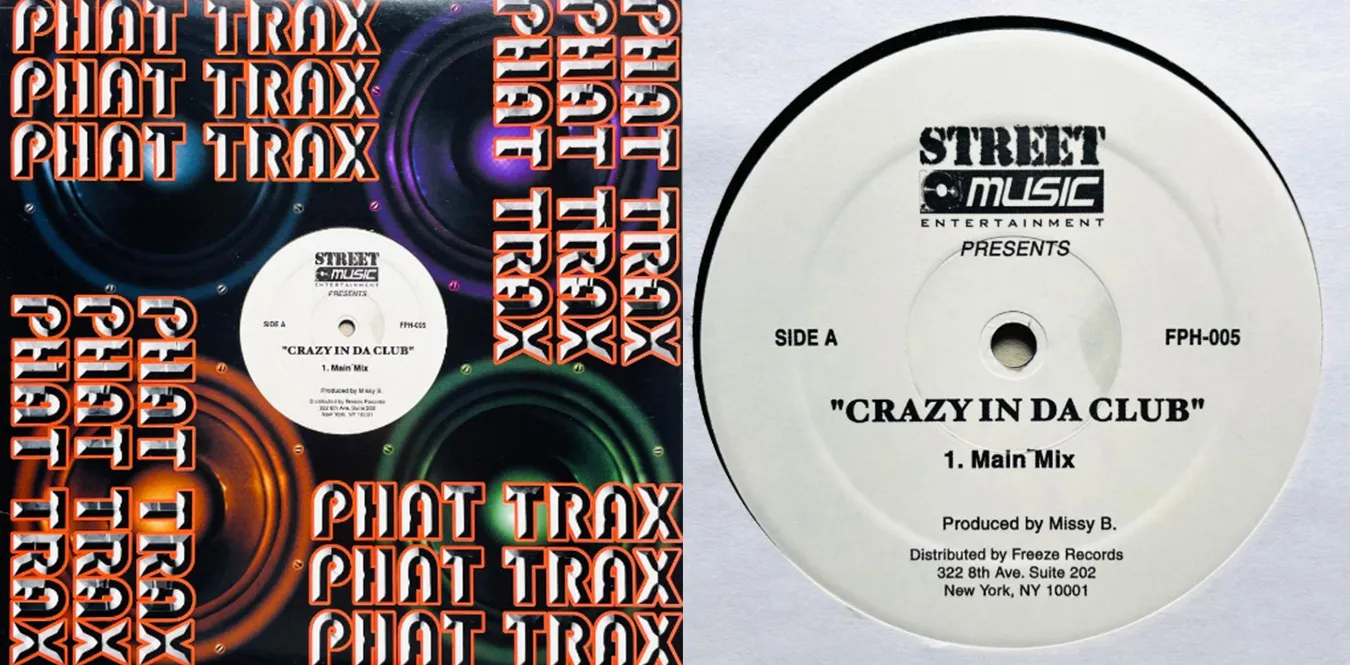
Missy B. Lumi Meets Wayne Wonder – Crazy In Da Club / Oh No
A Hip Hop track produced by DJ Missy B, who has been active since 2003.
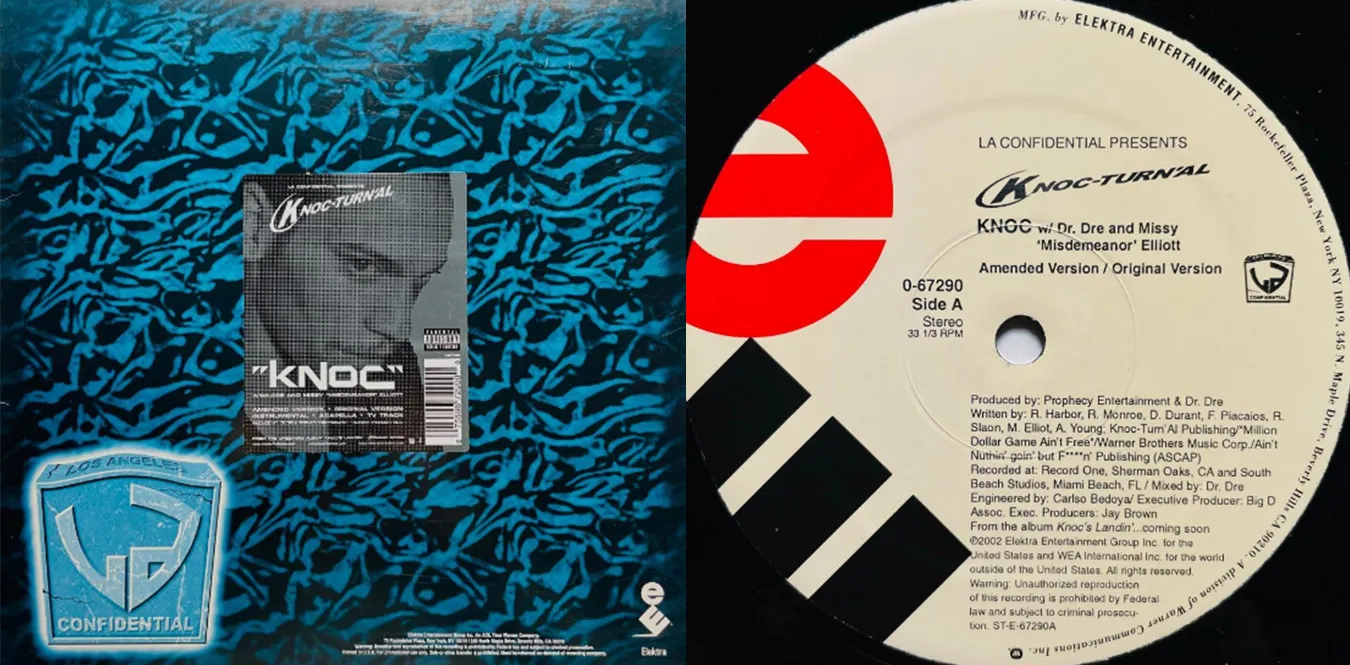
Knoc-Turn'al – Knoc
Long Beach native Knoc-Turn”al appeared on Dr. Dre”s Chronic 2001 album, co-wrote the Dr. Dre and Snoop Dogg soundtrack, The Wash, and among them was the smash hit Bad Intentions....
![[Column] Human Beatbox World history and Japanese players - Technological evolution, tournament culture, trends in each country](/../assets/images/column-human-beat-box.webp)
[Column] Human Beatbox World history and Japanese players - Technological evolution, tournament culture, trends in each country
Human Beatbox World history and tournament culture - technology, trends, and player history
![[Column] DMC World DJ Championship: The trajectory of turntablism becoming a global culture](/../assets/images/column-dmc-world-dj-championship.webp)
[Column] DMC World DJ Championship: The trajectory of turntablism becoming a global culture
DMC World DJ Championship——World history of turntablism
![[Column] Company Flow: The horizon of alternative hip-hop opened up by the DIY spirit](/../assets/images/column-company-flow.webp)