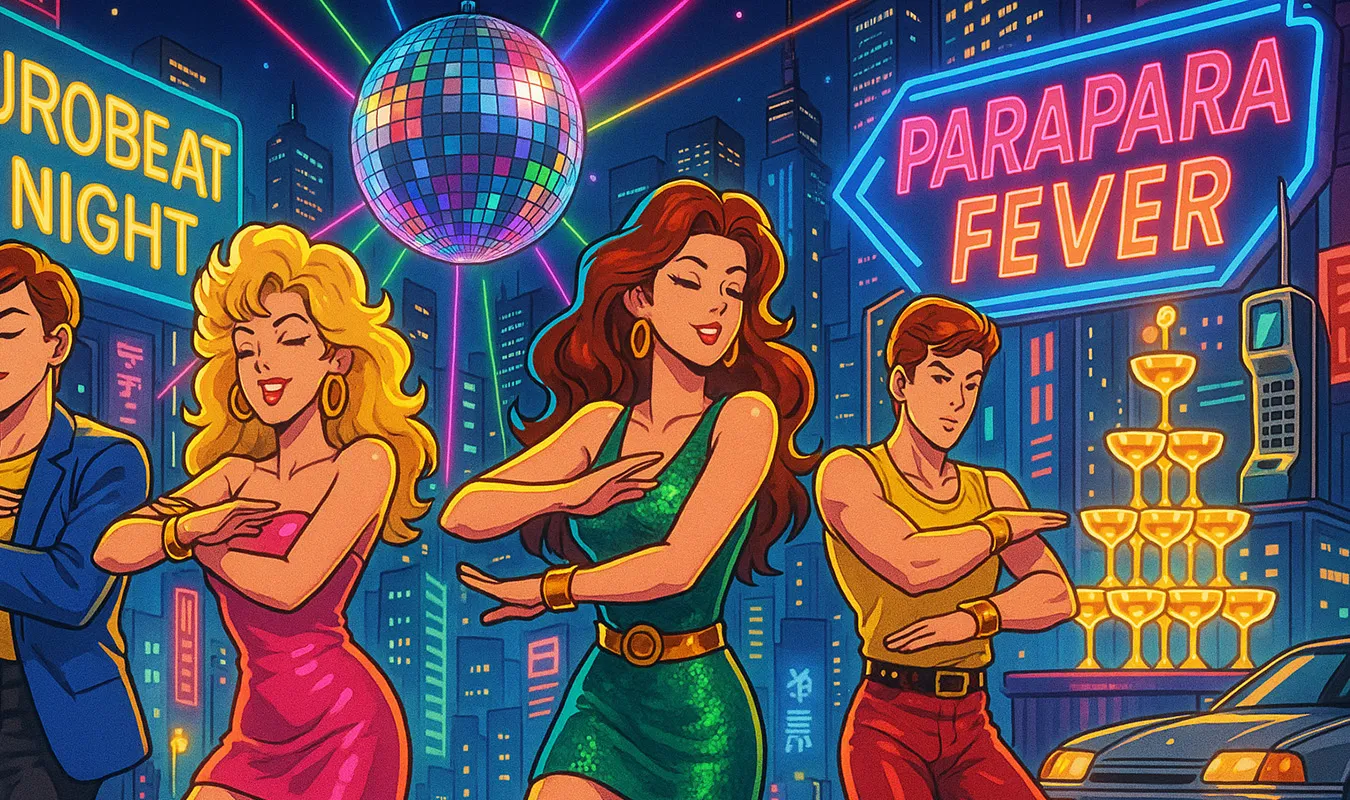
奇跡の邂逅「ユーロビート × パラパラ」
文:mmr|テーマ:ダンスと音楽のシンクロニシティ
1990年代の日本、ギャル文化の中心にあったのは“パラパラ”という手振りダンスだった。そのパラパラと一心同体のように広まった音楽ジャンルが「ユーロビート」である。
ヨーロッパで生まれ、アジアで独自の進化を遂げたユーロビートが、なぜ日本でパラパラというスタイルと深く結びついたのか? そこには音楽的特徴だけでなく、クラブ文化、メディア戦略、消費者心理といった多面的な要因が交錯していた。
ユーロビートとは何か?──Italo Discoの進化形
ユーロビートは、1980年代にイタリアで生まれた「Italo Disco」がルーツ。そこにハイエナジー(Hi-NRG)の要素が加わり、テンポが速く、シンセ主導のキャッチーなサウンドへと変化。
● 主な音楽的特徴
-
BPM:140〜160と非常に速い
-
構造:明快なサビ、リフレインの多用
-
リズム:4つ打ちのドラム+ハンドクラップ
-
メロディ:明るくドラマティック、かつ哀愁あり
この構造が、同じパターンを繰り返すパラパラダンスに非常にマッチしていた。
パラパラとは何か?──均一な反復の快楽
● パラパラの起源
-
1980年代末、東京・六本木や渋谷のディスコ(マハラジャ、ジュリアナ東京など)で発生
-
上下左右の手の振りを細かくそろえた集団ダンス
-
動きは個人より「統一性」を重視:ソーシャル・ダンスよりも“チーム”に近い
● なぜユーロと合ったのか?
-
高速テンポ → 手振りとリズムがシンクロしやすい
-
明確なAメロ・サビ構成 → ダンスの“振り付け”が作りやすい
-
ドラマティックな曲展開 → 振りの盛り上げ所と合致
avexの戦略:ユーロビート=日本専用フォーマットへ
● 「SUPER EUROBEAT」シリーズの誕生(1990年〜)
-
イタリア制作、日本市場専用のコンピレーションシリーズ
-
パラパラフロアとCDショップを結ぶ“連動商品”
ジ- ャケットやブックレットに振り付け解説が掲載されるようになる
● ユーロビート専用レーベルと契約
Time、A-Beat C、Deltaなど、イタリアのレーベルがavexと専属契約し、日本市場向けに特化した楽曲制作を行う。
このようにして、日本独自の「ユーロビート市場」が形成され、パラパラと一体化していった。
ギャル文化とカリスマ:消費されるダンス
● 「パラパラ=ギャル文化の象徴」へ
-
渋谷109系のファッションと密接に連動
-
振り付けビデオ(VHS、のちDVD)の流通
-
『パラパラパラダイス』『パラパラ教典』などのシリーズも登場
● メディアの演出
-
テレビ番組や雑誌で“ギャルカリスマ”が振り付けを紹介
-
実質的に、ユーロビートがティーンのトレンドとしてメインストリームに
-
「振り覚えること=参加の儀式」となり、同調圧力と一体感の文化を形成
パラパラの再興とネット文化
● 2000年代中盤以降:ブームの終焉と地下化
-
ギャル文化の変化、携帯・ネットへの移行
-
一部クラブでは「リバイバル・イベント」が継続
● YouTube世代の“振り起こし”
-
過去の振り付け動画や曲がネットで共有されることで第2次パラパラブームが局地的に発生
-
海外ファンが再発見、逆輸入的に評価される現象も
ユーロとパラパラは共犯関係だった
ユーロビートとパラパラは、単なる音楽とダンスの組み合わせではない。 「反復性」「明確な構造」「集団性」「ドラマティックな演出」など、共通する文化的コードによって強く結びついていた。
それはまさに、“音楽が身体を通して文化となる”現象のひとつの典型だった。
YouTube Podcast
※このPodcastは英語ですが、自動字幕・翻訳で視聴できます
関連コラム
Explore more like this
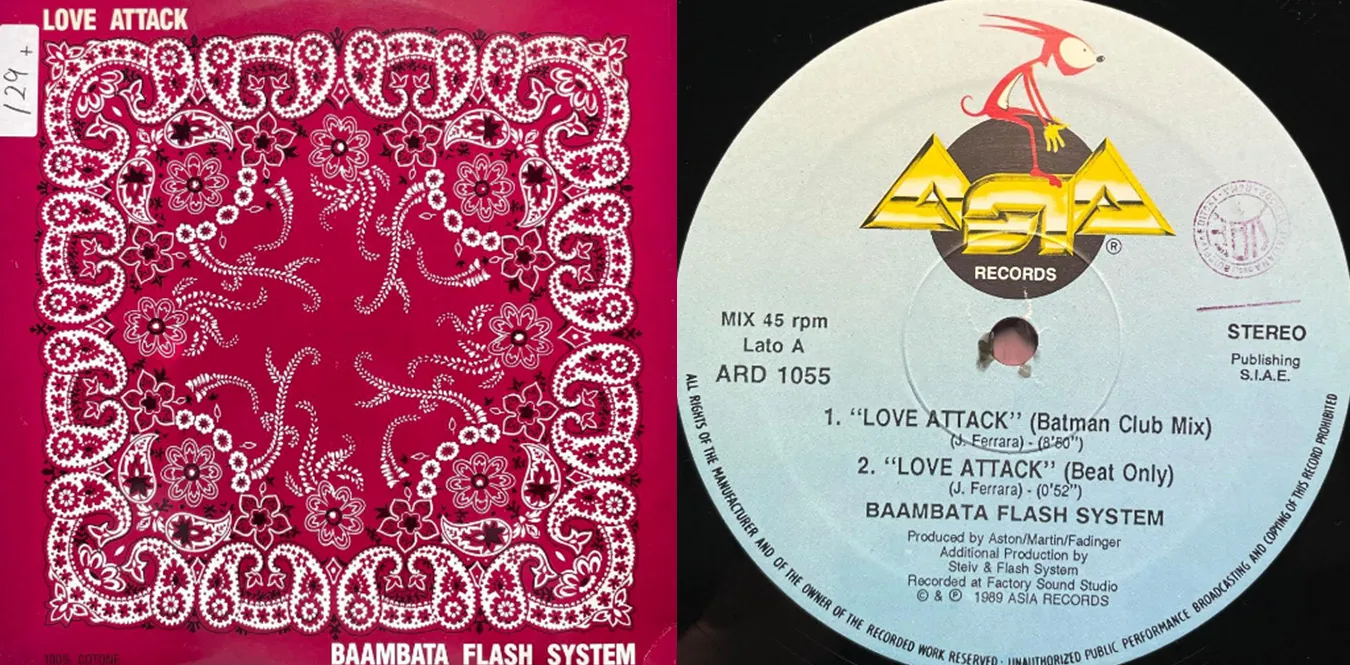
Baambata Flash System – Love Attack
Baambata Flash System は、Sergio FlashやSteiv名義でも知られるイタリアのアーティスト。
![[Column] Lo-Fi Hip Hop / Chillhop (home-recorded beat culture)](/../assets/images/column-lo-fi-hip-hop-chillhop.webp)
[Column] Lo-Fi Hip Hop / Chillhop (home-recorded beat culture)
1. Concept definition and name arrangement
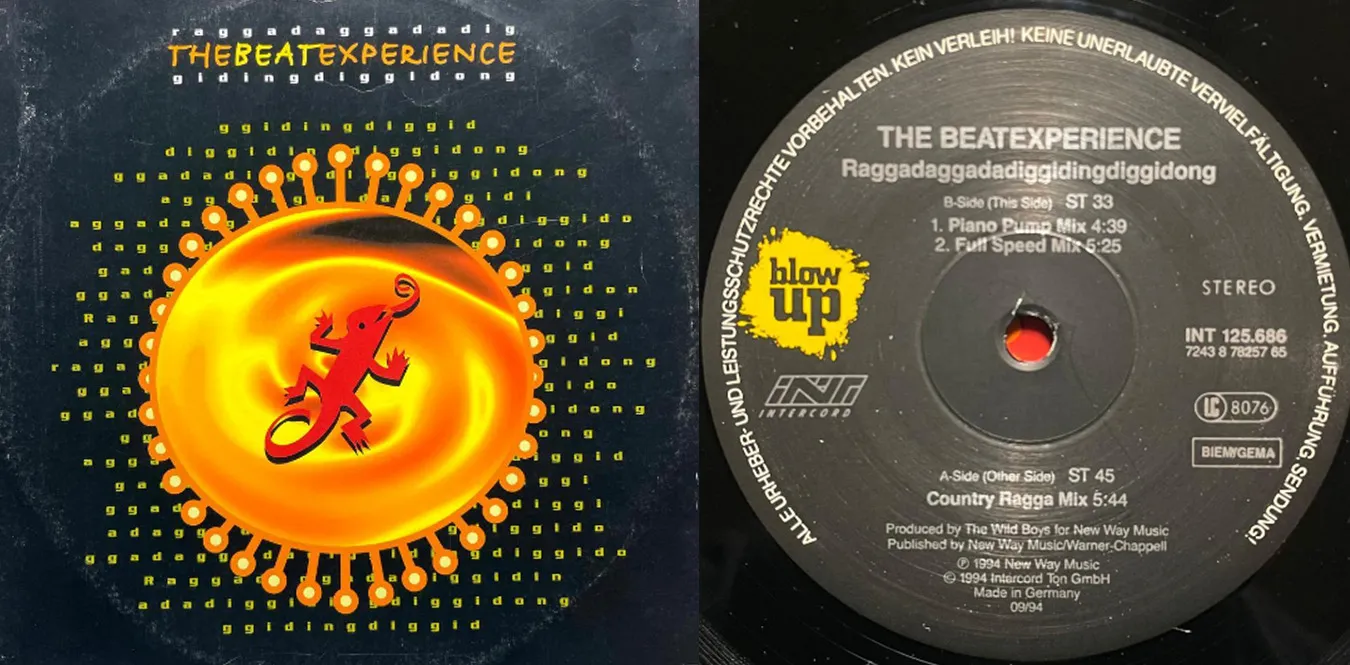
The Beat Experience – Raggadaggadadiggidingdiggidong
The Beat Experience is one of Stefan Heinemann’s many aliases. Stefan Heinemann was also active in Hypertrophy, a project with German house/electro/trance producer and DJ Thorsten Kaiser (DJ Thoka).
![[Column] Brenda Fassie — The township diva: A journey of glory and struggle](/../assets/images/column-brenda-fassie.webp)
![[Column] Complete history of French hip-hop: from NTM to the present day](/../assets/images/column-french-hiphop.webp)
[Column] Complete history of French hip-hop: from NTM to the present day
Complete history of French hip hop
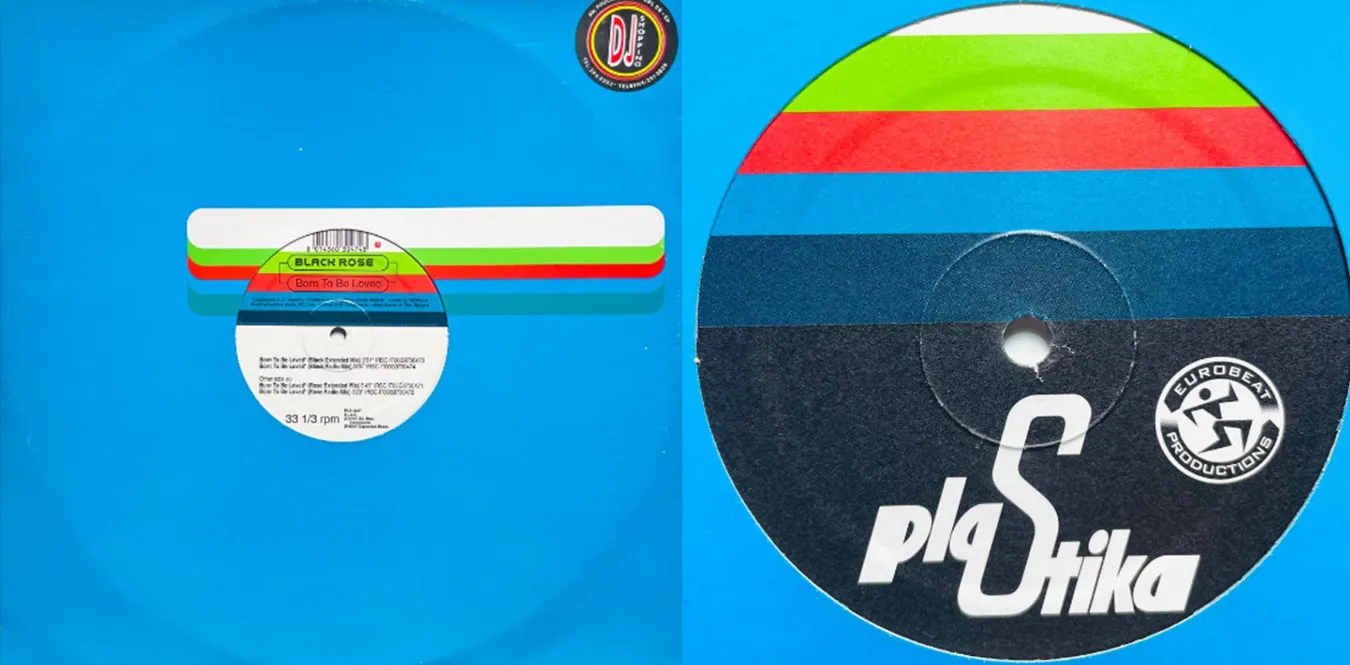
Black Rose – Born To Be Loved
Black Rose is an Italian project by producer Davide Marsilio and vocalists Samantha Boni, Giorgio Spagna, and Samanta.

【コラム】 Human Beatbox 世界史と日本のプレイヤーたち ― 技術進化・大会文化・各国の潮流
Human Beatbox 世界史と大会文化 ― 技術・潮流・プレイヤーの歩み
【コラム】 DMC World DJ Championship:ターンテーブリズムが世界文化へ昇華するまでの軌跡
DMC World DJ Championship——ターンテーブリズムの世界史
![[Column] Psychic TV: The complete history of a multimedia group that crosses music, ritual, and ideology](/../assets/images/column-psychic-tv.webp)
![[Column] Kronos Quartet: The trajectory of a string quartet that continues to innovate and take on challenges](/../assets/images/column-kronos-quartet.webp)