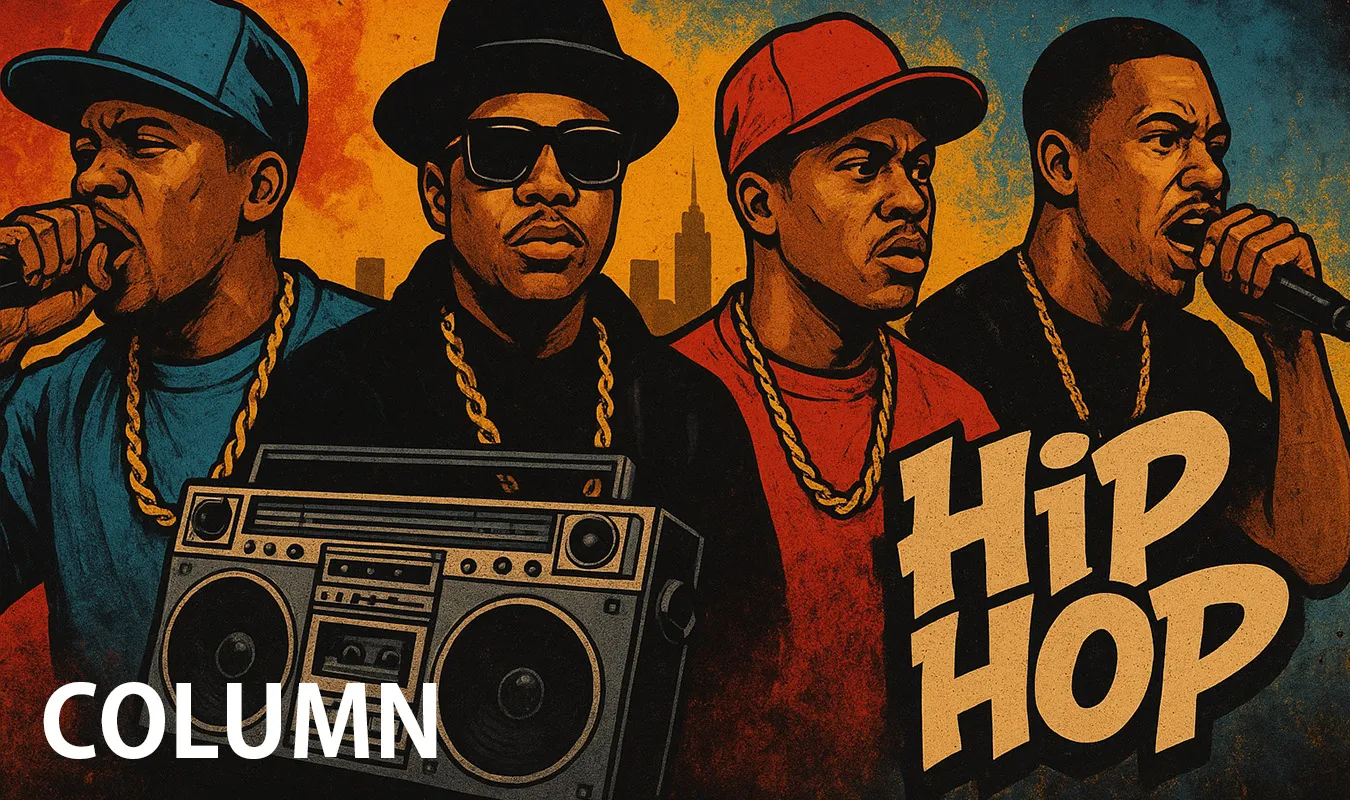
History of American hip-hop: Overall picture including regions, clubs, media, equipment, etc.
文:mmr|テーマ:アメリカでの地域ごとに異なるスタイルが形成されたヒップホップについて
Hip hop was born in the Bronx, New York in the late 1970s, and has developed into more than just a music genre, it has also become a culture linked to dance, graffiti, fashion, and social movements. アメリカでは地域ごとに異なるスタイルが形成され、クラブシーンやラジオ、デモテープ、そしてレコード文化が発展を支えました。また、サンプリング技術の発展とその後の脱サンプリングの流れは、ヒップホップの音楽的革新を象徴しています。
Late 1970s: The origins of the Bronx and the foundations of club culture
Region/era background
ブロンクス地区の若者たちが、廃れた公共スペースやコミュニティセンターでDJパーティーを開催。ブロークン・ビート(ブレイクビーツ)を繰り返すことで、B-Boy/B-Girlたちのダンスが進化しました。 Clubs and block parties were more than just music venues; they were a symbol of community unity.
The importance of radio and demo tapes
当時のヒップホップはラジオ番組(例:WBLSの「The Show」)で広まり、デモテープがアーティスト発掘の重要な手段でした。 DJクール・ハークやAfrika Bambaataaは、自らのミックステープを地域のラジオやパーティーで流し、情報拡散に寄与しました。
代表的な名盤
The Sugarhill Gang”Rapper’s Delight”(1979)
Grandmaster Flash and the Furious Five “The Message” (1982)
Equipment/Sampling Culture
Technics SL-1200ターンテーブル、MPC初期型、ドラムマシン(Roland TR-808)が登場。レコードからのサンプリングが音楽制作の中心となり、DJはレコードの「ブレイク」部分を繰り返す手法を確立。
1980年代:東海岸の黄金期と西海岸の台頭
East Coast (New York)
Public Enemy and Eric B. & Rakim appeared, and rap with political and social messages was born. The club also served as a place to try out new beats.
West Coast (California)
ギャングスタ・ラップが発展。N.W.A.やIce-Tが現れ、ComptonやLos Angelesのストリート現実を描写。 A unique G-funk style was honed in the clubs and rolling parties of the West Coast.
Role of demo tapes and radio
The new song was aired on local radio stations (KDAY, KMEL), and young people who listened to the demo tape spread it by word of mouth. In particular, local radio DJs acted as referees of the scene.
Representative masterpiece
Run-D.M.C. “Raising Hell” (1986)
Public Enemy “It Takes a Nation of Millions to Hold Us Back” (1988)
N.W.A.『Straight Outta Compton』(1988)
Sampling culture
Extract phrases from soul, funk, and jazz records using a sampler (Akai MPC60/SP-1200). Record culture was at the core of production, and DJs’ knowledge of records was directly linked to their technical ability.
1990年代:東西対立と南部の興隆、クラブとレコード文化
East Coast vs. West Coast
The Notorious B.I.G.と2Pacの対立が象徴するように、地域間の緊張が音楽に影響。 New York clubs (Tunnel, Limelight) became venues for rap battles and the premiere of new releases, fostering a rap battle culture.
South (Atlanta, Houston, New Orleans)
OutKastやUGKが登場し、独自のサウンドを確立。クラブでのテープ流通が地域ヒップホップの拡散を支えました。
脱サンプリングへの動き
Due to copyright issues and rising costs, an increasing number of artists are turning to original sound source production and live performance. Dr. Dre’s ““The Chronic’’ (1992) skillfully uses sampling, while G-funk uses a lot of synths and original bass lines.
Representative masterpiece
East Coast: The Notorious B.I.G. “Ready to Die” (1994)
West Coast: 2Pac “All Eyez on Me” (1996)
South: OutKast『ATLiens』(1996)
2000s: Digitalization and diversification of the club scene
クラブ文化
DJ sets evolved at clubs in New York and LA. In an era before radio and streaming, songs became a buzz on club floors. Before demo tapes and the internet, rap battles were centered around clubs.
De-sampling and equipment changes With the spread of DAWs (Pro Tools, Ableton Live), it is now possible to create unique sound sources using synths and plug-ins without relying on sampling. This increases the proportion of original beats.
Representative masterpiece
OutKast”Speakerboxxx/The Love Below”(2003)
2010s-Present: Streaming Era and Globalization
Combining club and online culture
Mainly released digitally on SoundCloud, YouTube, Spotify, etc. The club immediately changed its role as a place to see reactions. Battle Rap and Freestyle are distributed online and are appreciated beyond regional differences.
Equipment/production environment
Software synth (Serum, Omnisphere)
DAW (Ableton Live, FL Studio)
Expanding the use of plugins and sample packs
代表的な名盤
Kendrick Lamar “good kid, m.A.A.d city” (2012)
地域・クラブ・メディア・制作手法の総合的影響
East Coast: Breakbeat, social rap, record sampling culture
西海岸:ギャングスタ・ラップ、G-funk、クラブでのローリング・パーティー
Southern: Trap, tape distribution, unique sense of rhythm
Clubs and radio: A place for dissemination and dissemination, a hotbed of freestyle culture
Sampling → De-sampling: Evolution to original production due to copyright issues and technological innovations
Hip-hop is a culture that has evolved through a close intertwining of regions, clubs, media, and equipment, and is expected to continue to expand with new technology.
Specific examples of sampling copyright lawsuits
-
Grand Upright Music v. Biz Markie (1991) Gilbert O”Sullivan”s “Alone Again” unauthorized sampling lawsuit. Since then, it has been clarified that samples without permission are illegal.
-
Bridgeport Music v. Dimension Films (2005) Funkadelicのギターループを無断使用した事件。サンプルは「一秒でも無断使用禁止」と判例化。
-
The Turtles v. De La Soul (1989~Settlement) “Transmitting Live from Mars” における無許可サンプル。De La Soulは以降長年デジタル配信困難に。
Role of mixtape culture
- DJ Clue, DJ Drama, DJ Screw らによるミックステープは90s以降アンダーグラウンドからメインストリームへの橋渡しとなった。
- Southern (Houston, ATL) ““Screw Tape” and ““Gangsta Grillz” formed the scene, making it possible to discover artists independent of labels.
- In the 2000s, Mixtape transitioned to “SoundCloud” and “DatPiff” and evolved into a means of promotion in the Internet era.
Different eras and sampling trends
| Years | Masterpieces | Sampling trends |
|---|---|---|
| 1980s | Paid in Full, It Takes a Nation of Millions | James Brown, Funk, Soul Sampling Abuse Period |
| 1990s | The Chronic, All Eyez on Me | Parliament-Funkadelic, G-Funk |
| 2000s | Stakonia, Tha Carter III | Reduced sampling/synth mainstream |
| 2010s | DS2, My Beautiful Dark Twisted Fantasy | Sampling reduction/homemade beat + Auto-Tune |
| 2020s | Mr. Morale & The Big Steppers, The Off-Season | Sample regression + AI-generated beat experiment |
List of representative clubs/radio stations
| Region | Club | Radio Station |
|---|---|---|
| East (NYC) | Paradise Garage, Tunnel, Latin Quarter | WBLS, KISS FM |
| West (LA) | The Good Life Cafe, Club Unity, Echoplex | KKBT (The Beat), Power 106 |
| South (ATL, Houston, Miami) | Magic City, Fifth Ward Block Parties, Club Rolex | Hot 107.9, SwishaHouse Radio, 99 Jamz |
| Midwest (Chicago, Detroit, KC) | The Mid, Detroit Basement Parties, Blue Room (KC) | WGCI (Chicago), WJLB (Detroit), Hot 103 Jamz (KC) |
Representative equipment list by age group
| Year | Main equipment |
|---|---|
| 1980s | SP-1200, Technics SL-1200, Roland TR-808 |
| 1990s | Akai MPC60/3000, Roland TR-909, Ensoniq ASR-10 |
| 2000s | Korg Triton, Roland Fantom, Pro Tools, TR-808 |
| 2010s | FL Studio, Ableton Live, Auto-Tune, Maschine |
| 2020s | Serato DJ, Ableton Push, Native Instruments Maschine+, AI beat generation tool |
Changes in power distribution by age group
| Age | Power Center | Characteristics |
|---|---|---|
| 1980s | East (mainly NYC) | Golden age of sampling, emphasis on lyricism |
| 1990s | West (LA, Bay) | G-Funk at its peak, 2Pac vs. Biggie |
| 2000s | South (ATL, Houston, Miami) | Trap eve, Crunk, and the rise of Screwstyle |
| 2010s | Trap (South) + Midwest (Chicago Drill, Kanye, Detroit beat) | Sampling reduction + FL Studio spread |
| 2020s | Multipolarization (East, West, South, Midwest) | AI Beat, Sample Regression, Internet Decentralized Culture |
可視化図解
Genealogy of major artists
The genealogy chart shows a “lineage” branching out from its origins in NYC to the West, South, and Midwest. Jay-Z and Nas inherited the East Coast lineage, and Dr. Dre’s lineage extends to the West and Midwest.
Changes in power distribution by age group
East Coast
Dominance"] W["1990s
West Coast
G-Funk 全盛"] S["2000s
South
Crunk / Trap Eve"] M["2010s
Trap
+ Rise of Midwest Drill"] P["2020s
Multipolarization:
East + West + South + Midwest"] E --> W --> S --> M --> P
Waveform comparison of typical hip-hop beats
Although it is text-based, it is expressed with pseudo waveforms that are conscious of sine waves and square waves. You can visually understand the evolution of rhythm in hip-hop.
1980s (early days: drum machines and samplers)
| Representative equipment | Waveform image |
|---|---|
| -Roland TR-808 - Oberheim DMX - E-mu SP-12 |
Kick : ▂▄▆█▇▅▄▂
Snare: ▃▃▅▅██▅▃
HiHat: - - - - - - - -
Clap : ░░██░░
Bass: ▂▄▅▄▂
|
1990s (Golden Age: Sampling and Boom Bap/G-Funk)
| Representative equipment | Waveform image |
|---|---|
| -Akai MPC60 -Akai MPC3000 - E-mu SP-1200 -Roland TR-909 |
Kick : █▄█▄█▄█
Snare: ▄▄▄██▄▄▄
HiHat: -x-x-x-x-
Clap : ░█░░█░
Bass: ▂▄▆█▇▆▄▂
|
2000s(デジタル化・クラブ重視)
| Representative equipment | 波形イメージ |
|---|---|
| -Akai MPC2000XL -Pro Tools - Korg Triton |
Kick : ███▄████
Snare: ▄▄▄▄████▄▄
HiHat: - - x - - x -
Clap : ░██░░██░
Bass : ▂▂▄▆██▆▄▂
|
2010s(Trap時代・サブベースと高速HiHat)
| 代表機材 | Waveform image |
|---|---|
| - FL Studio - Roland TR-808(ソフト音源) - Ableton Live |
Kick : ██████▄██████
Snare: ▄▄██▄▄
HiHat: -x-x-x-x-x-x-x-
Clap : ░░██░░██░░
Bass: ▂▄▆█▇▇█▆▄▂
|
2020s (diversification/crossing genres)
| Representative equipment | 波形イメージ |
|---|---|
| - Ableton Live 11 -Logic Pro -Soft-synth (Serum, Massive, Omnisphere) |
Kick : ████████▄▄███
Snare: ▄▄██▄▄██▄▄
HiHat: -x-xx-xx-x-x-
Clap : ░██░██░██░
Bass : ▂▄▇█▇█▇█▄▂
|
Supplementary considerations
Genealogy diagrams allow students to intuitively understand ““master-pupil relationships” and ““influence relationships.”
Waveform comparison allows you to visually capture musical evolution.
The map of power visualizes which region the center of the scene has shifted to in each era.
Conclusion
Hip-hop has evolved to reflect the culture and social background of each region. The East Coast, West Coast, and South each have their own unique styles, which have influenced not only music but also fashion, language, and social movements. Hip-hop will continue to evolve as new techniques and expression methods emerge.
YouTube Podcast
※このPodcastは英語ですが、自動字幕・翻訳で視聴できます
Related columns
Explore more like this
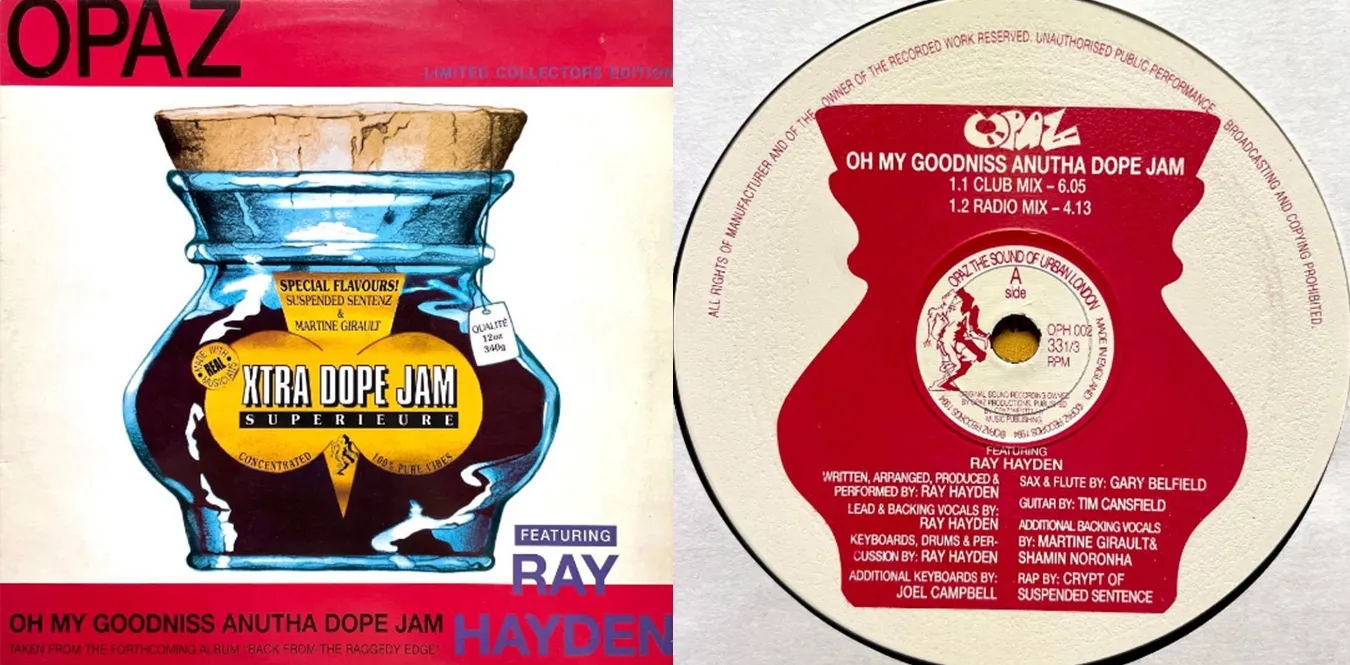
Opaz – Oh My Goodniss Anutha Dope Jam
OpazことRay Haydenは、ロンドンを拠点とするプロデューサー&ヴォーカリストであり、アシッドジャズとワールドミュージックを専門とするOpaz Recordsを運営している。
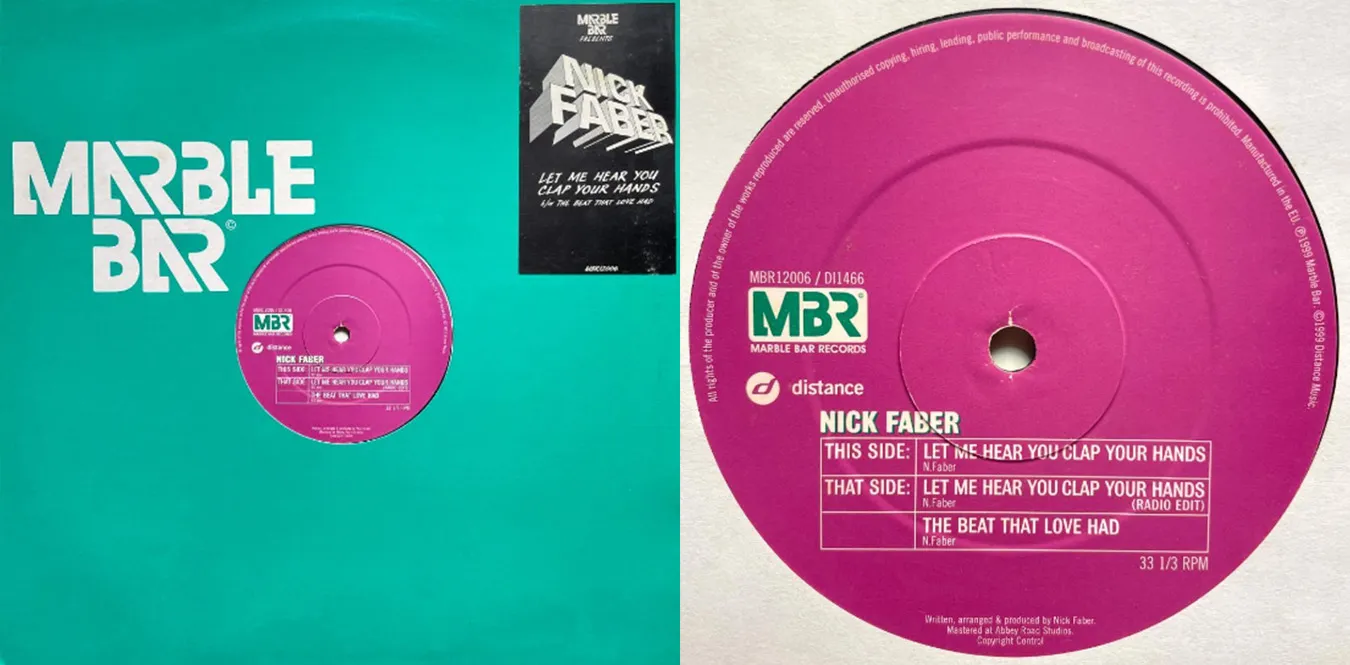
Nick Faber – Let Me Hear You Clap Your Hands
Nick Faberは、ロンドンを拠点に活動するプロデューサー/ミュージシャン。
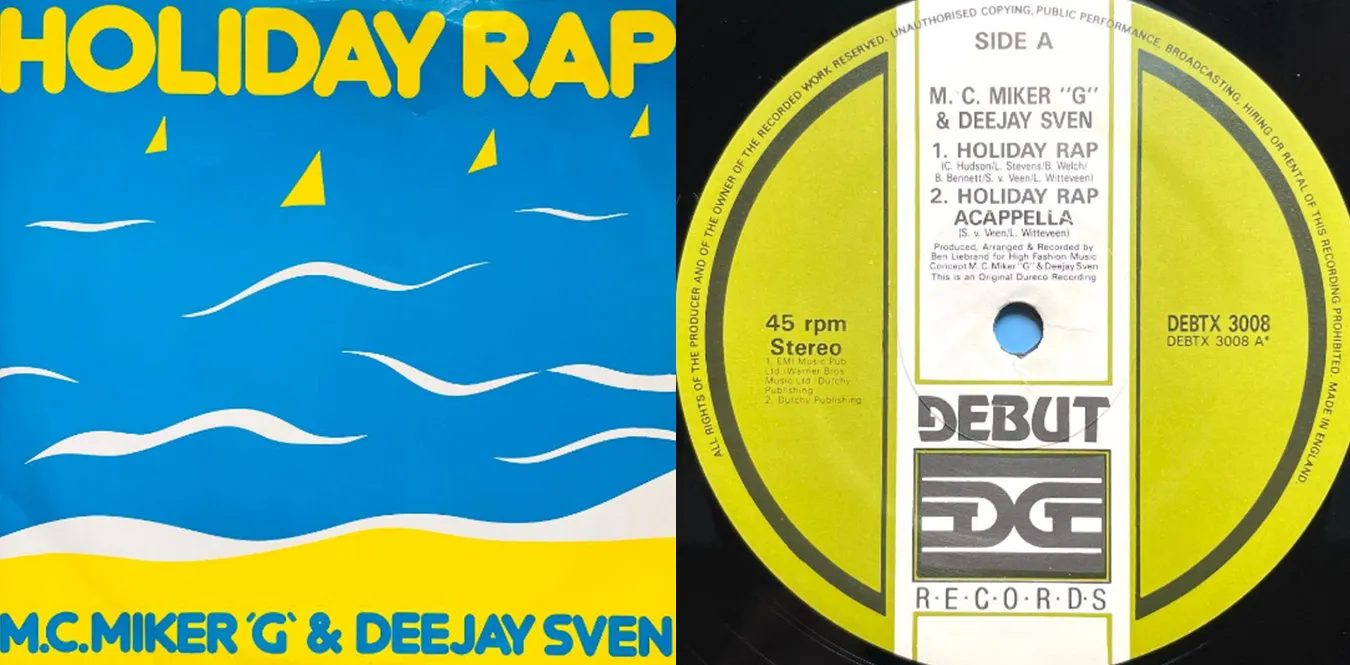
M. C. Miker 'G' & Deejay Sven – Holiday Rap
MC Miker G と DJ Sven は、オランダ出身のヒップホップデュオ。
【コラム】 Lo-Fi Hip Hop / Chillhop(宅録ビート文化)
1. 概念定義と呼称の整理
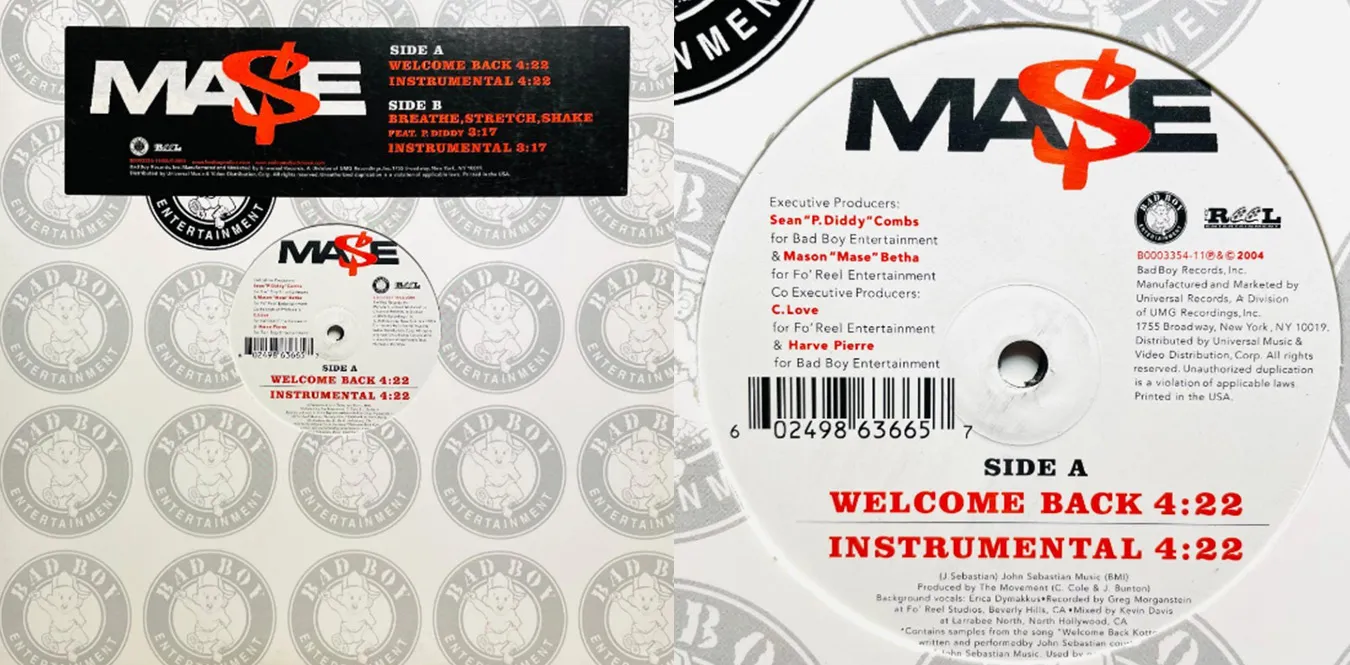
Mase – Welcome Back
Mase(メイス/Ma$e)は、ジェイZ、DMX、リル・キムなどが参加した1997年のヒットアルバム『ハーレム・ワールド』などで知られるフロリダ出身のラッパー。
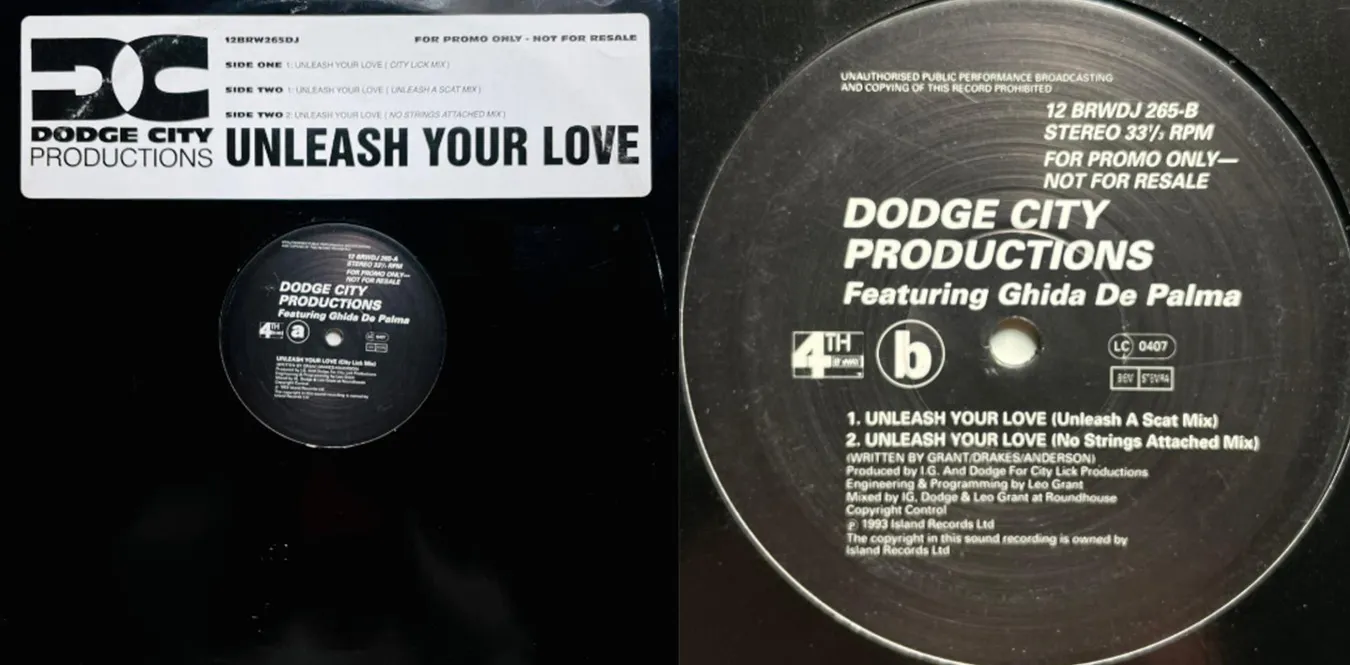
Dodge City Productions – Unleash Your Love
Dodge City Productions(DCP)は、Broken Beatの初期のイノベーターIan Grant(IG Culture)とRoger Drakes(Dodge)によるプロジェクト。Acid Jazzモーブメントを担ったデュオとして知られている。
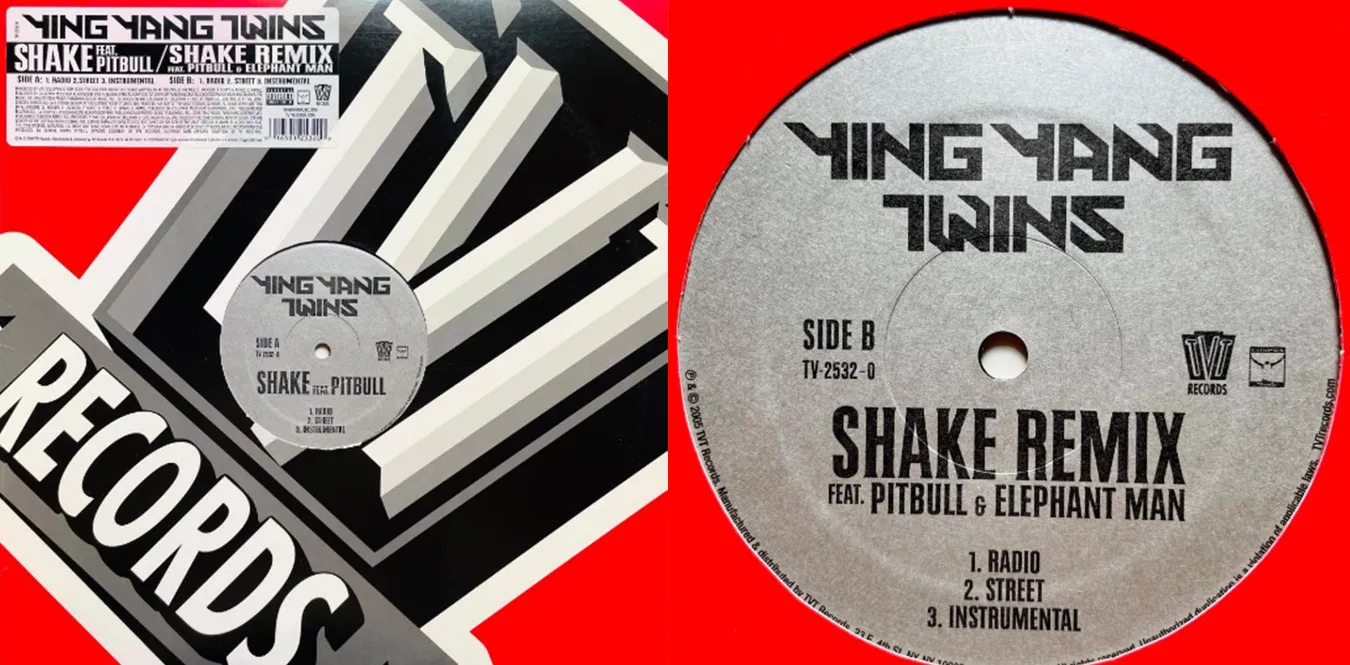
Ying Yang Twins – Shake feat. Pitbull / Shake Remix feat. Pitbull & Elephant Man
2005年にリリースされた「Shake」は、Ying Yang Twinsのアルバム「U.S.A.」からのシングルカット。Pitbull (ピットブル)とElephant Man (エレファントマン)をフィーチャーしている。この曲には、George Kranz(ジョージ・クランツ)の「Din Daa Daa」のサンプリングが含まれている。
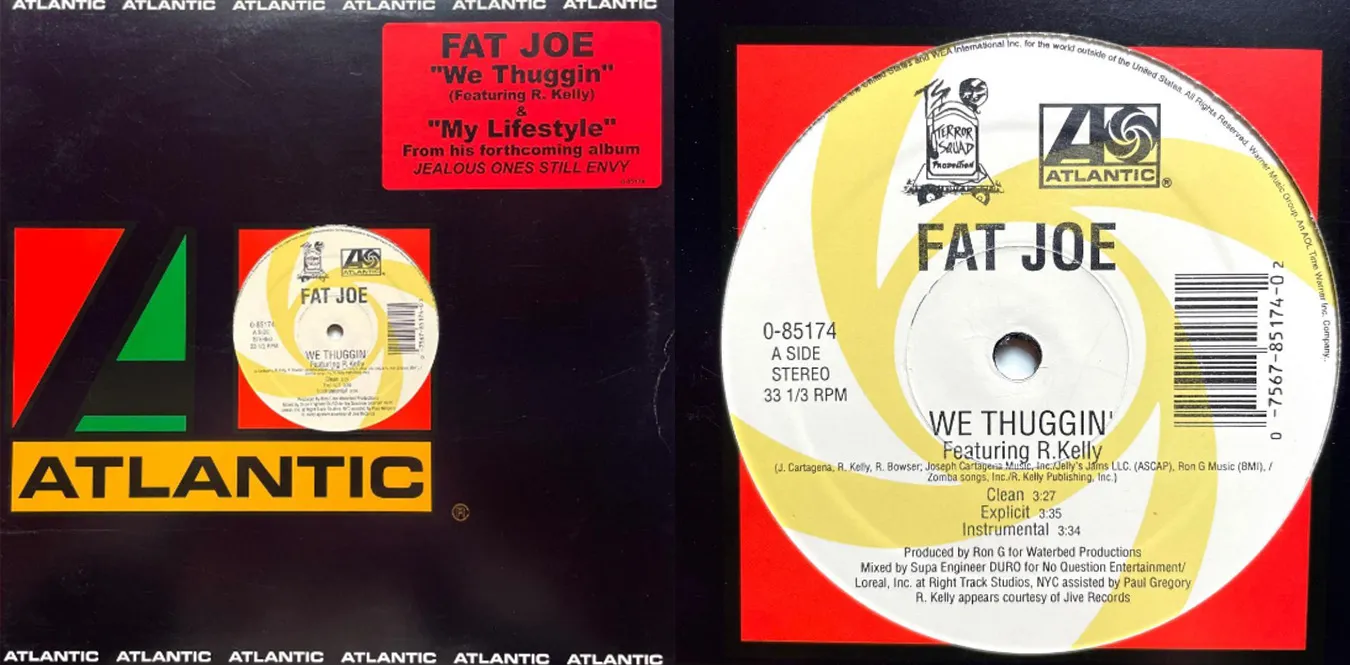
Fat Joe – We Thuggin'
Aの「We Thuggin’ 」は、R. Kelly(Rケリー)をフィーチャーし、2001年にAtlanticからリリースしたHip Hopトラック。プロデューサーはRon G。
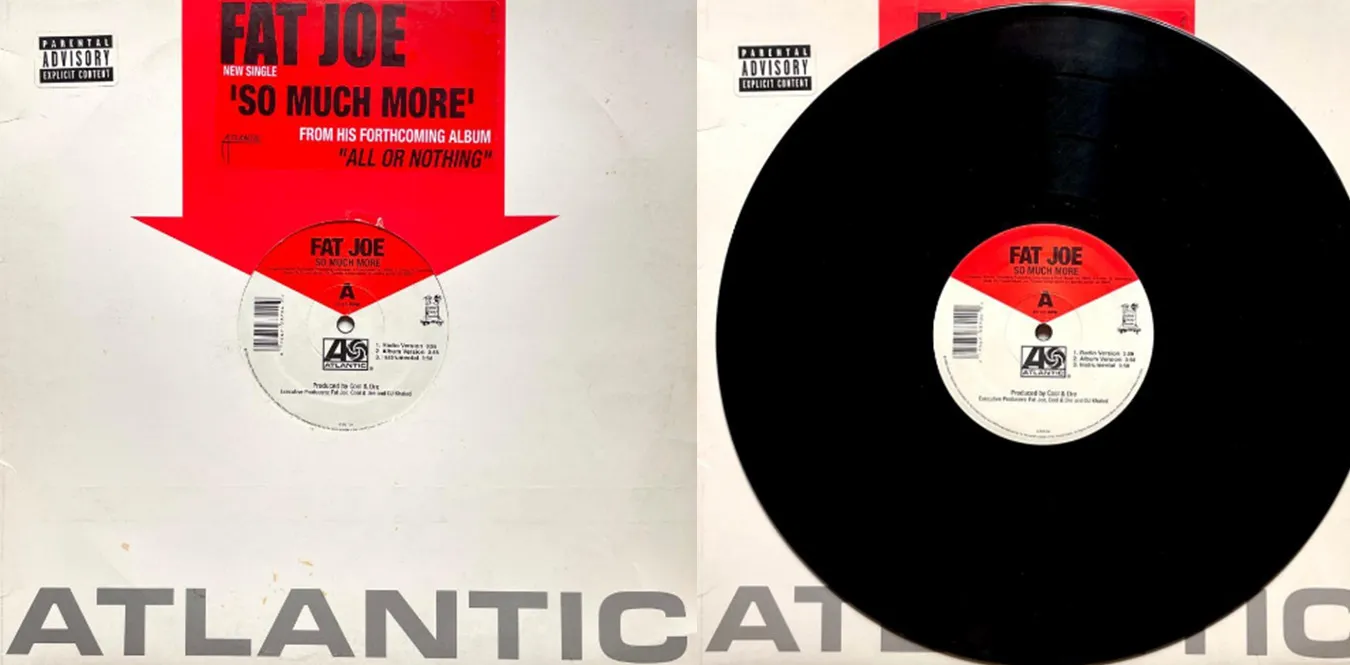
Fat Joe – So Much More
「So Much More」は、2005年にリリースされたFat JoeによるHip Hopトラック。(プロモ盤) The producers are Miami-based production duo Cool & Dre.
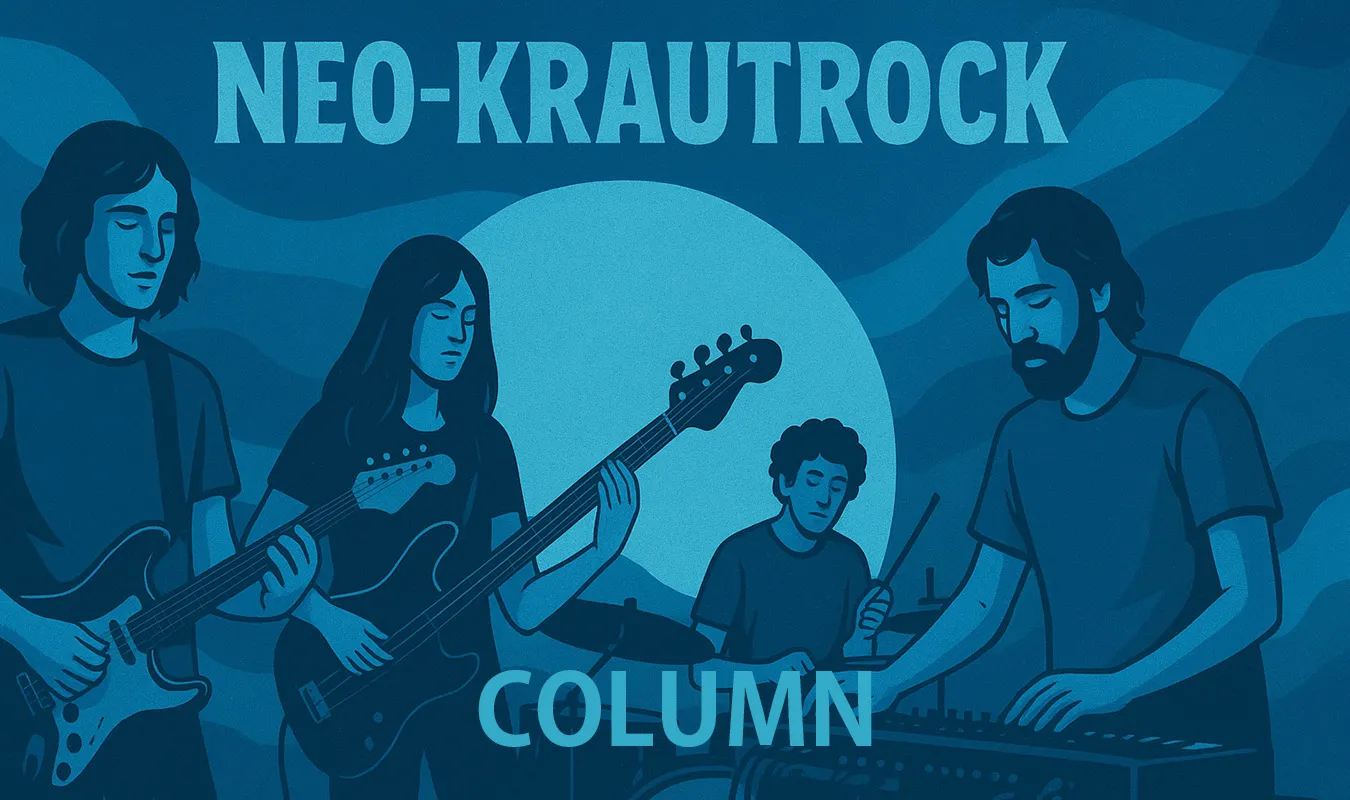
【コラム】 Neo-Krautrock:古典クラウトロックの現代再解釈
Neo-Krautrockの誕生 多層的で空間的なサウンド

【コラム】 UK Broken Beat 再評価トレンド — クラブミュージックの革新的潮流
UK Broken Beat 再評価トレンド