Command Records と“音のデザイン”──何が革新的だったのか
文:mmr|テーマ:ステレオ時代の“デモンストレーション盤”を芸術にまで高めたイノック・ライトと彼が創設したCommand Recordsの歴史、代表作、関連アーティスト、逸話、そして今日に至る影響を丹念に辿る。
1950〜60年代、オーディオ愛好家の間で「聴くためのレコード」から「聴かせるためのレコード」へと志向を変えた人物がいる。指揮者・プロデューサーの Enoch Light(イノック・ライト)──彼は1959年に高音質を追求するレーベル Command Records を立ち上げ、ユニークなアートワークと最先端録音技術で“ハイファイ文化”の象徴となった。この記事ではその全貌を歴史的文脈、代表作、Tony Mottolaとの関係、そして今日的評価までまとめました。
「ハイファイ・ラウンジ/スペースエイジポップ」
Command Records は「オーディオデモンストレーション盤」としての市場を明確に狙い、音質を最優先にした選曲・編曲・録音を行った。ライトはマルチマイク録音や35mmフィルムへのマスター記録など最新の技術を導入し、音場(ステレオイメージ)を強く意識したプロダクションを実践した。これにより“パンニング効果”や打楽器の定位を強調したアルバム群が生まれ、一般的なポップスともジャズとも異なる「ハイファイ・ラウンジ/スペースエイジポップ」というジャンル感覚を確立した。
逸話・伝説・エピソード
- ゲートフォールドとグラフィックの美学
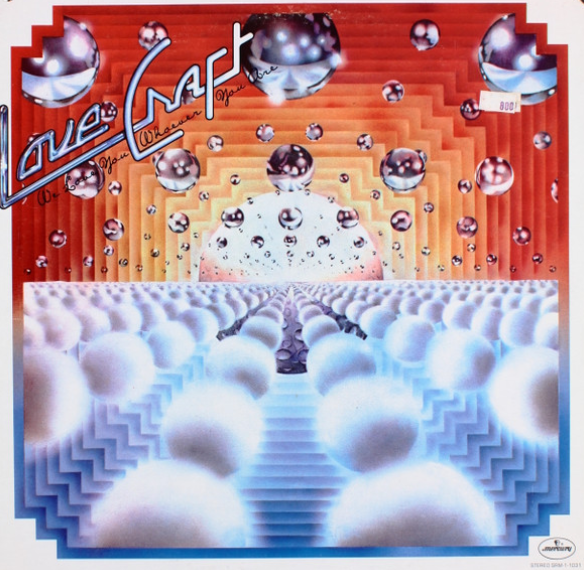
Command のLPジャケットは視覚的にも強烈で、抽象画家 Josef Albers によるカバーが使われることもあった。単なるデモ用盤を超えて“所有したくなる物”をデザインした点が、後のコレクター文化を刺激した。
- “最初に聴いた瞬間が驚きになる”という宣伝文句
Stereo 35/MM のライナーノーツやプロモーションは「初めて聴くと驚く」といった挑発的な文言を用い、リスナーの関心を煽った。技術的自信によるマーケティングの成功例である。
- 商業と芸術のせめぎ合い
「デモ用」に近い音作りはオーディオファンには歓迎されたが、ポップスとしての普遍性を問う声もあった。にもかかわらずChartで成功した例もあり(Stereo 35/MM など)、ライトは“技術アピール”を商業的に成立させた数少ないプロデューサーの一人だった。
年表
代表的なシリーズとアルバム
Persuasive Percussion シリーズ(初出1959) 打楽器を前面に出した“ステレオの見せ場”を意図したシリーズ。門外漢にもインパクトの強い選曲とレイアウトで人気を博した。ジャケットのグラフィックやゲートフォールドの解説も当時としては斬新。
Provocative Percussion シリーズ Persuasive の姉妹シリーズ。コンセプトは似ているが編曲やソロの見せ方に工夫が施され、Billboardチャートで高い順位を獲得した作品もある。
Stereo 35/MM(1961) Carnegie Hallで35mmマスターを用いて録音されたアルバム。リリース後チャートで長期間上位を維持し、技術的なアピールと商業成功を同時に達成した代表例である。
年代別:おすすめアルバム表
| Year | Album (artist) | Commentary | Link |
|---|---|---|---|
| 1959 | Persuasive Percussion(Terry Snyder & The All Stars) | シリーズ第1作。ステレオ効果を強調した“見せる録音”。 | Amazon |
| 1959 | Provocative Percussion (Enoch Light & The Light Brigade) | A masterpiece along with the Persuasive series. Visual aspects such as Josef Albers’ artwork are also noteworthy. | Amazon |
| 1961 | Stereo 35/MM(Enoch Light and His Orchestra) | Carnegie Hall録音。35mmマスター利用のハイファイ実験作。商業的にも成功。 | Amazon |
| 1960s(総括) | Persuasive/Provocative コンピCD | まとめ買い向けの再発コンピ。近年も高音質再発が散見される。 | Amazon |
関わったミュージシャン/プロデュースされたアーティスト
Enoch Light は自ら指揮をとるほか、アルバムごとにトップセッションミュージシャンを起用した(例:Doc Severinsen、Phil Bodner ら)。また、Terry Snyder、Tony Mottola、Dick Hyman といった演奏者/編曲家のアルバムをCommandで発売し、プロデューサーとして多彩な顔を見せた。録音エンジニアとしては Bob Fine 等と協働し、音響的な実験を重ねた。
Relationship between Tony Mottola and Enoch Light
Tony Mottola(トニー・モットラ)とEnoch Light(イノック・ライト)は、Command Records の核心的な関係です。
1950〜60年代のハイファイ/ステレオ録音文化において、Enoch Light(イノック・ライト) は“音の建築家”と呼ばれました。その右腕として常に演奏とソロワークで支えたのが、ジャズ/スタジオ・ギタリストの Tony Mottola(トニー・モットラ) です。Command Recordsにおける両者の関係は、単なるプロデューサーとプレイヤー以上のものでした。
指揮・プロデューサー"] --> B["Command Records
1959〜1970s"] B --> C["Persuasive Percussion
(Terry Snyder & All Stars)"] B --> D["Provocative Percussion
(Light Brigade)"] B --> E["Tony Mottola ソロ作品
Roman Guitarシリーズ"] E --> F["Roman Guitar Vol.1 (1960)"] E --> G["Roman Guitar Vol.2 (1961)"] E --> H["Roman Guitar Vol.3 (1963)"]
Who is Tony Mottola?
アメリカのジャズ/スタジオ・ギタリスト(1918–2004)
NBCオーケストラやテレビ番組のセッションでも活躍し、1950年代から70年代にかけてニューヨークで最も多忙なギタリストのひとり。
ジャズだけでなくイージーリスニング、ラテン、ポップス、映画音楽など幅広いジャンルで演奏。
Enoch Lightとの出会いと関係性
- Grand Award → Command Records 期の常連ギタリスト
Enoch Light がGrand AwardやCommandを設立した際、ニューヨークのトップ・セッション陣を集めました。その中でギター担当の常連がTony Mottola。
「Persuasive Percussion」や「Provocative Percussion」シリーズでも重要な役割を果たしました。
ラテン調リズムやステレオ定位の実験において、ギターは“左右に振り分けやすい楽器”として重宝され、Mottolaの柔軟なプレイが活かされました。
- ソロアルバムのリリース(Commandから)
Command Recordsは、Mottolaのソロ作品も数多く発表。
“Roman Guitar” (1960) シリーズは特に有名で、ラテン~イタリア民謡をハイファイにアレンジした人気作。
以降 “Roman Guitar Vol. 2”“Roman Guitar Vol. 3” など、彼の代表作はほぼEnoch Lightのプロデュース下で制作されました。
Commandの“ラウンジ/イージーリスニング路線”を支えた柱のひとつがMottolaでした。
編曲と録音スタイルでの信頼関係
- Command Recordsの常連ギタリスト
Lightが設立したGrand Award〜Commandにおける録音では必ずと言っていいほど参加。 “Persuasive Percussion”シリーズなどでギターの定位実験を担った。
- ソロアルバムのリリース
Commandから「Roman Guitar」シリーズを展開し、ラテンやイタリア音楽をハイファイ化。世界的に知られる代表作となった。
- 音響実験における役割
Localization experiment placing guitars on stereo left and right sides
- リズムセクションと絡む単音リード
リバーブや残響処理の効果を強調
→ Mottolaの柔軟な演奏がLightのビジョンを具現化した。
主な共作アルバム一覧
| 年 | アルバム | 解説 | リンク |
|---|---|---|---|
| 1959 | Persuasive Percussion | ギターでステレオ定位を演出。初期Commandの象徴作。 | Amazon |
| 1960 | Roman Guitar | Commandからのソロデビュー作。ラテン/イタリア民謡をハイファイに。 | Amazon |
| 1961 | Roman Guitar Vol.2 | 大ヒット作の続編。エキゾチックな選曲。 | Amazon |
| 1963 | Roman Guitar Vol.3 | シリーズ完成形。ラウンジ・イージーリスニングの金字塔。 | Amazon |
| 1963 | Enoch Light Presents Tony Mottola and the Quad Guitars | 4本のギターを多重録音するCommandならではの実験盤。 | Discogs |
現在の状況と影響
Command Records 自体は1970年頃に事実上の終焉を迎えるが、作品群はリイシューや高音質リマスター、オーディオマニア向けの再発により現在でも流通している。Persuasive / Provocative 系の楽曲やジャケットは“ミッドセンチュリーデザイン”やバチェラーパッド文化の文脈で引用され続け、サンプリングやリミックスの対象にもなっている。現代のリスニング文化(ヴィンテージ・オーディオ趣味、バーチャル・ルーム・シミュレーションなど)への影響は小さくない。
まとめ:Enoch Light の遺産
Enoch Lightは単に“いい音”を追求しただけでなく、レコードという物体をデザインし、ステレオ時代における「聴取体験」を再定義した人物だ。Command Records の諸作は、今日でもオーディオの歴史、デザイン史、そしてポップ・カルチャーの文脈で再評価されている。初めて聴くときの「驚き」を演出すること──それがライトの真骨頂であり、彼の作品は現在でもその魔力を保っている。
Also, the relationship between Enoch Light and Tony Mottola went beyond just “producer and guitarist.” Combining Light”s recording aesthetic with Mottola”s flexible and versatile guitar playing, Command Records became a space-age pop icon that continues to captivate audiophiles around the world.
YouTube Podcast
*This podcast is in English, but you can watch it with automatic subtitles and translation.