“An environment where everyone can deliver sound to the world”
文:mmr|テーマ:「音楽制作の民主化」を象徴する文化的装置
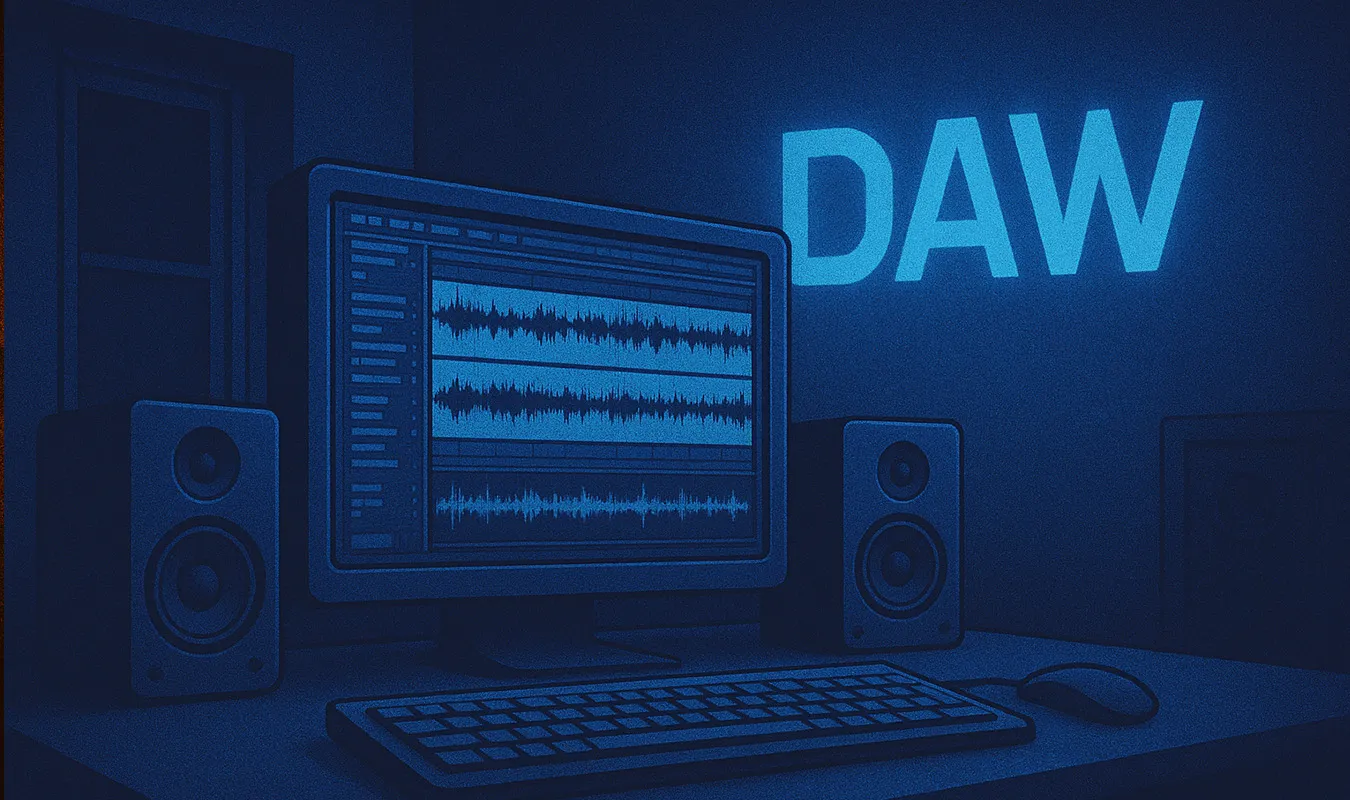
DTM(DeskTop Music/デスクトップミュージック)──日本語では「DTM」と呼ばれ、英語圏では主にDAW(Digital Audio Workstation)と呼ばれるワークフローは、録音・編集・ミックス・制作をコンピュータとソフトウェア中心に完結させる文化を指します。本稿では「技術的な転換点」と「文化的なインパクト」を軸に、発生から現在に至るまでの流れを年表と合わせて整理します。
Trend by era
1940–1960年代:テープとマルチトラック録音の時代 テープ編集、テープループ、ミュージック・コンクレートなど、音を「切って貼る」技術が発展。スタジオでの多重録音が普及。
1970年代:シンセサイザーと初期コンピュータ音楽 アナログシンセ、ミニムーグなどの楽器が広がり、電子音楽の制作手法が多様化。
1983頃:MIDI規格の登場(楽器間データ通信が標準化)→ 制作ワークフローに革命。
1980s後半–1990s前半:初期のデジタル編集/シーケンサー+ハードウェアの時代 サンプラー、ハードウェアシーケンサー、初期のコンピュータベース音楽ソフトが登場。プロ用デジタル録音システムの出現。
1990s中盤–後半:Pro Toolsとデジタル録音のプロフェッショナル化 ハードウェア依存の高性能録音システムが普及し、ポストプロダクションやレコーディングでデジタル化が急速に進む。VSTなどのプラグイン規格も確立。
2000s: Computer-based DAWs became mainstream and home studios exploded. Lower prices and improved plug-in quality have made it possible for individuals to create professional-quality products. Loop culture, combined with the expansion of online distribution.
2010s: DAW diversification and live/improvisational orientation (Ableton, etc.) ノンリニア編集やクリップベースの生演奏統合、クラウドやコラボレーションツールが登場。
2020s: AI-assisted production, cloud collaboration, further democratization Automatic mixing/mastering, generation AI, cloud project sharing, etc. affect the production flow.
起源と初期(テープ〜アナログの時代)
The origin of DTM is the act of ““recording and editing sound to create a work.’’ Experiments with physical media, such as tape editing (cutting and pasting), tape looping (creating repetitive sounds), tape reversing, and speed manipulation, shaped electronic music in the mid-20th century. This was an era where large studio equipment and skilled engineers were the focus.
MIDIの登場がもたらした革命(1983年頃)
MIDI (Musical Instrument Digital Interface) is a standard for exchanging note information and control information between keyboards, sequencers, and computers. This made production by integrating synthesizers and external modules much easier, and made software sequence control (later the core of DAWs) a reality. MIDI standardizes “performance information” and dramatically increases the flexibility of music production.
コンピュータとソフトウェアの台頭(1990年代)
コンピュータの性能向上とハードディスク録音の実用化により、音声波形の編集がデジタルで可能となりました。AvidのPro Tools(当時はDigidesign)はプロの録音・編集ワークフローをデジタルで実現し、映画・放送・音楽制作で業界標準へ。並行してSteinbergのCubaseやEmagicのLogic(後にAppleが買収)など、ソフトシーケンサー/総合DAWが普及。さらに、Steinbergが提唱したVST(Virtual Studio Technology)プラグインは、ソフト音源やエフェクトを第三者が開発できる仕組みを提供し、エコシステムを拡大しました。
ホームスタジオと「個人プロダクション」の誕生(2000年代)
With improvements in the performance of personal PCs, the spread of audio interfaces, and improvements in the quality of plug-ins, recording is no longer just for the studio. Production environments centered on loops and patterns, such as FL Studio and Ableton Live, have changed the production style of electronic music and hip-hop, and it has become common for individuals to complete albums and soundtracks at home. With the combination of Internet distribution and sales platforms (Bandcamp, SoundCloud, etc.), the threshold from production to release has dropped dramatically.
2010s and beyond: Diversification, improvisation, and cloud computing
DAWs have evolved from tools for simply “recording, arranging, and mixing” to multifunctional features such as live performance (Ableton Live), real-time collaboration, video linkage, and modular integration. Usage options are further expanding, including mobile apps/iPad DAWs, cloud project synchronization, and the introduction of subscription models.
技術的なキー要素(何がDAWを支えているか)
Audio interface: The quality of AD/DA conversion and low latency (delay) determine the comfort of production.
MIDI: Recording/editing performance information. We will also keep an eye on the evolution of standards such as MIDI CC and MIDI 2.0 (which is gradually becoming popular).
プラグイン(VST/AU/AAX等):ソフト音源やエフェクトを追加することで機能を拡張。
サンプリングとサンプラー:サウンドデザインの重要手段。サンプラー文化はヒップホップやエレクトロニカの基盤。
タイムストレッチ/ピッチ補正:音の長さ・高さを自在に操作(例:オーディオのクオンタイズ、ピッチ補正ツール)。
自動化とモジュレーション:時間軸でパラメータを変化させることでダイナミズムを実現。
Non-destructive editing: Can be edited without changing the original data. Basic functions of DAW.
Features of major DAWs
Pro Tools (Avid): Industry standard for professional recording and post-production. Its strength is its robust editing and mixing. AAX plugin.
Cubase(Steinberg):MIDIシーケンスや作曲ワークフローに強み。VST規格の生みの親。
Logic Pro (Apple): Comprehensive and good cost performance. Popular with Mac users. Abundant built-in sound sources.
Ableton Live:クリップベースの即興性とライブ用途に特化。エレクトロニック系に広く採用。
FL Studio: Ideal for creating loops/patterns, popular for beat making. Easy to use piano roll.
REAPER: Lightweight and highly customizable. Low cost and plenty of community extensions.
Changes in cultural aspects and industrial structure
Democratization: Lower production costs have made it possible for a variety of artists to participate. Indie/home production has become the norm.
コラボレーション:ネットを介した国際的な共同制作やファイル交換が拡大。バウンダリーが解ける。
商業モデルの変化:セルフプロデュースによる直販、サブスクリプションによるソフト利用、プラグイン市場の拡大。
Learning and community: The democratization of learning is progressing through know-how sharing on YouTube and forums.
現在のトレンドと近未来
AIの導入:作曲補助、ミックス補正、マスタリング自動化など、AIツールが作業の一部を肩代わりしつつある。ツールの役割が「補助」から「共同クリエイター」へ近づく可能性。
クラウド/コラボレーション:DAWプロジェクトのオンライン同期、リアルタイム共同編集が増加。
モジュラー統合/ハイブリッドワークフロー:ソフトとハード(アウトボード、モジュラー)の融合。ハード機材をソフトで再現する一方、ハードのプレゼンスを求める動きも根強い。
ライブとインタラクティブ:音楽だけでなくマルチメディア、インタラクティブな体験制作へDAWの応用が拡大。
実践的アドバイス(これからDTMを始める人へ)
目的をはっきりさせる(トラック制作、バンド録音、ライブパフォーマンス、サウンドデザイン等)。目的でDAWの選択が決まる。
The basics are a sense of sound creation and arrangement. Musical trial and error and ear training are more important than expensive equipment.
Plugins are tools. After understanding the basics of EQ, compression, and reverb, move on to special effects.
ワークフローを固める。テンプレートやショートカットを使って作業時間を短縮する習慣をつける。
バックアップとバージョン管理。プロジェクトはこまめに保存、クラウド同期を併用する。
用語ミニ辞典
DAW:Digital Audio Workstation。音声録音・編集・ミックス・制作を行うソフトウェア。
MIDI:演奏情報(ノート、ベロシティ、コントロール)を表すデジタル規格。
VST/AU/AAX:プラグインの規格(サードパーティー音源/エフェクト)。
オーディオ・インターフェース:PCとマイク/楽器を接続する機器(AD/DA変換を行う)。
サンプリング:既存音源を素材として用いる技術。
DTMとは何か — 技術と文化の共進化
DTM/DAWは単なるツールの集まりではなく、「音楽制作の民主化」を象徴する文化的装置です。テープ編集やハードウェア・シンセの時代から、MIDI・デジタル録音、VSTやプラグインエコシステム、そしてAIやクラウドへと至る流れは、技術が表現の障壁を下げ、誰もが世界に音を届けられる環境を作ってきました。
今後もテクノロジーは進化し続けますが、核となるのは「どんな音を、なぜ作るか」というクリエイターの意図です。技術を道具として使い倒すことで、これからも新たな音楽表現が生まれていくでしょう。
YouTube Podcast
※このPodcastは英語ですが、自動字幕・翻訳で視聴できます
Explore more like this
【コラム】 Neo-Krautrock:古典クラウトロックの現代再解釈
Neo-Krautrockの誕生 多層的で空間的なサウンド

【コラム】 UK Broken Beat 再評価トレンド — クラブミュージックの革新的潮流
UK Broken Beat 再評価トレンド
![[Column] Dego & Kaidi and Sound Signature](/../assets/images/column-dego-kaidi-so-we-gwarn.webp)
[Column] Dego & Kaidi and Sound Signature
Introduction — Birth and context of Broken Beat
[Column] Dego & Kaidi and Sound Signature
はじめに — Broken Beat の誕生と文脈
![[Column] Len Faki's deep analysis of techno: From Berlin to the world](/../assets/images/column-len-faki.webp)
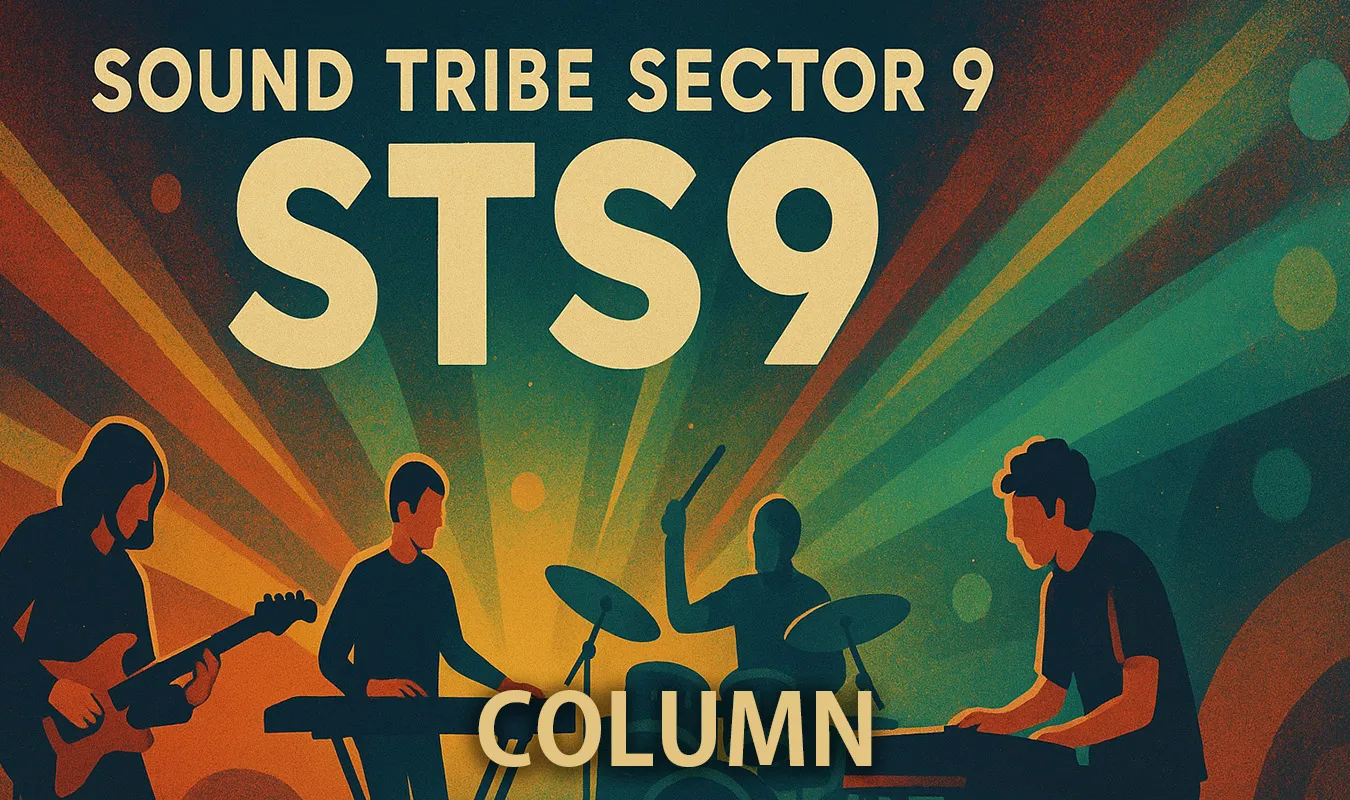
【コラム】 Sound Tribe Sector 9(STS9)――即興と電子音楽が交差する21世紀型ライブバンドの軌跡
The avant-garde of 21st century live music where improvisation and electronic music intersect
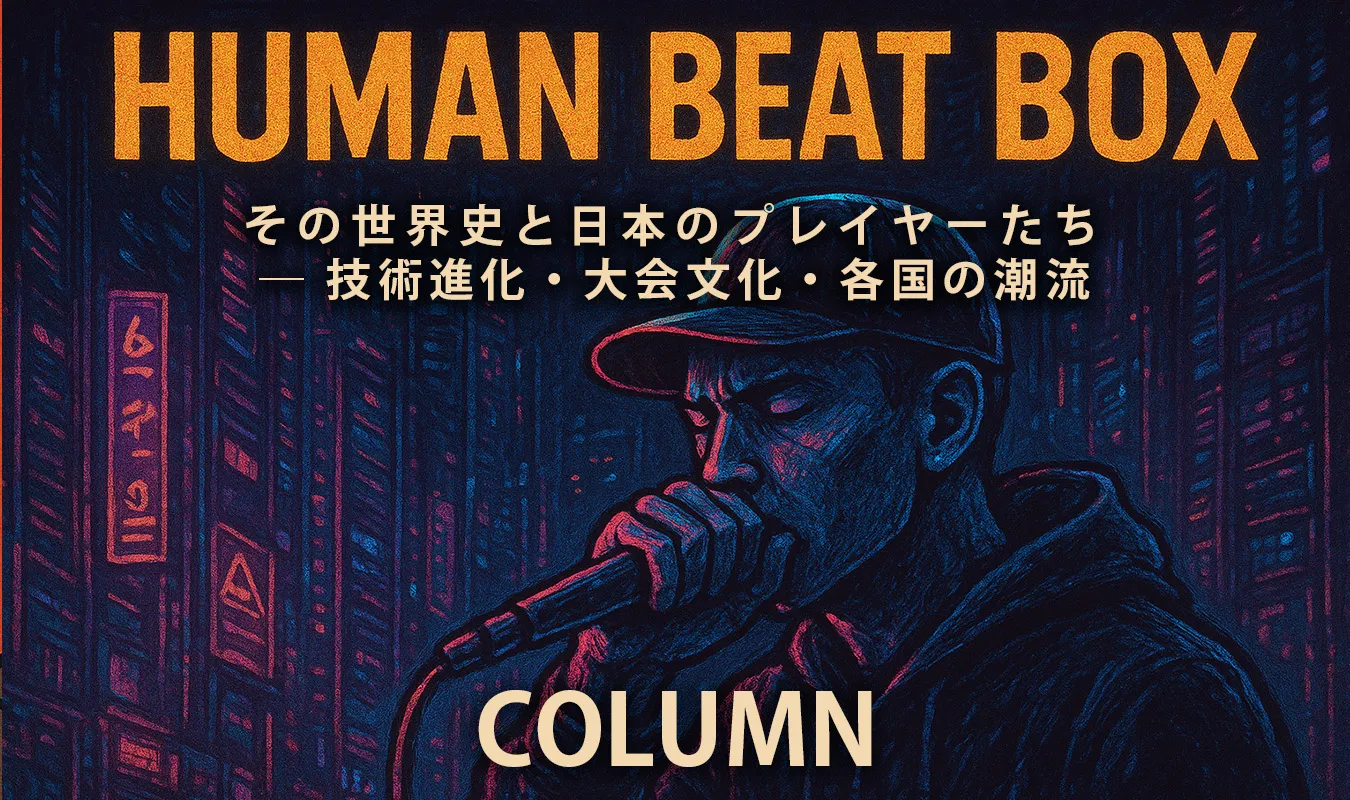
【コラム】 Human Beatbox 世界史と日本のプレイヤーたち ― 技術進化・大会文化・各国の潮流
Human Beatbox 世界史と大会文化 ― 技術・潮流・プレイヤーの歩み
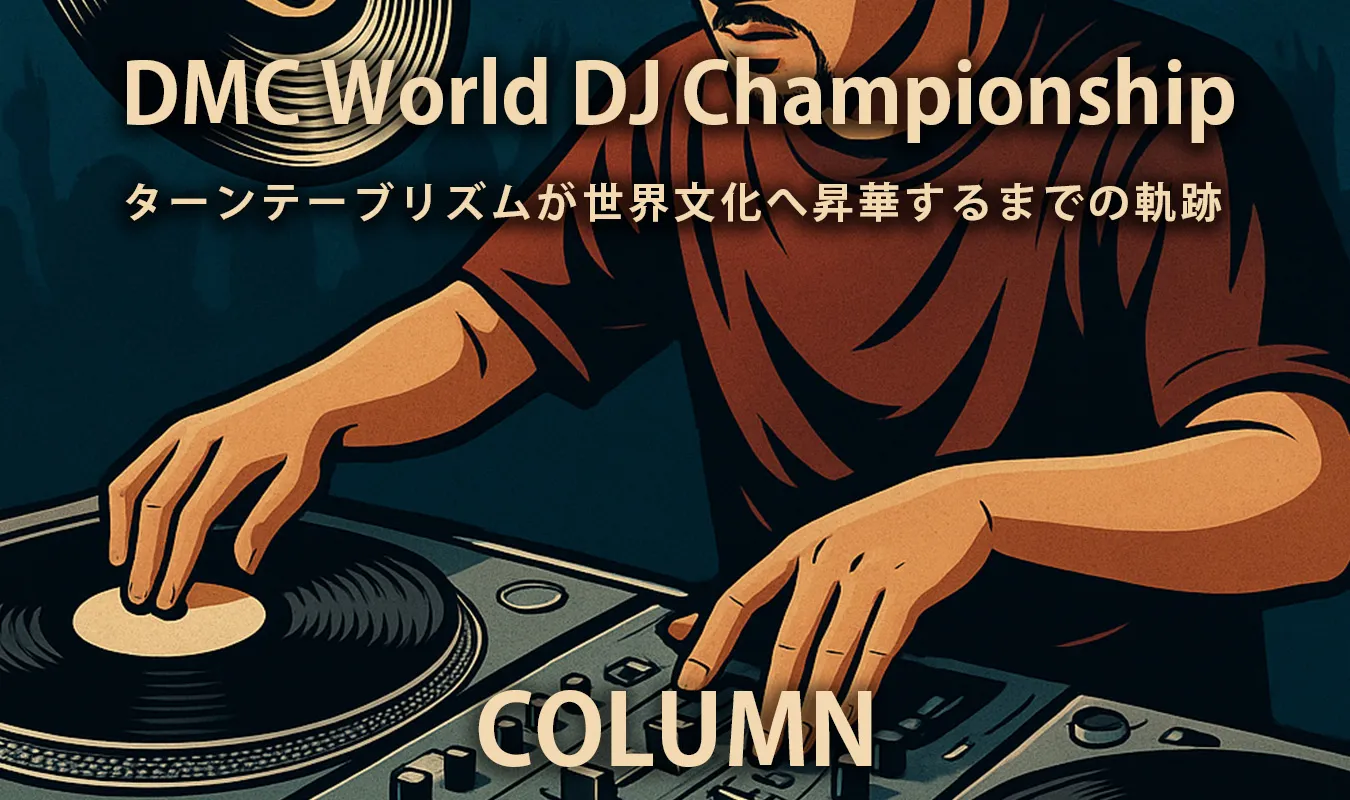
【コラム】 DMC World DJ Championship:ターンテーブリズムが世界文化へ昇華するまでの軌跡
DMC World DJ Championship——ターンテーブリズムの世界史
![[Column] Company Flow: The horizon of alternative hip-hop opened up by the DIY spirit](/../assets/images/column-company-flow.webp)
[Column] Company Flow: The horizon of alternative hip-hop opened up by the DIY spirit
Introduction——The existence that broke the “limitations of indie”
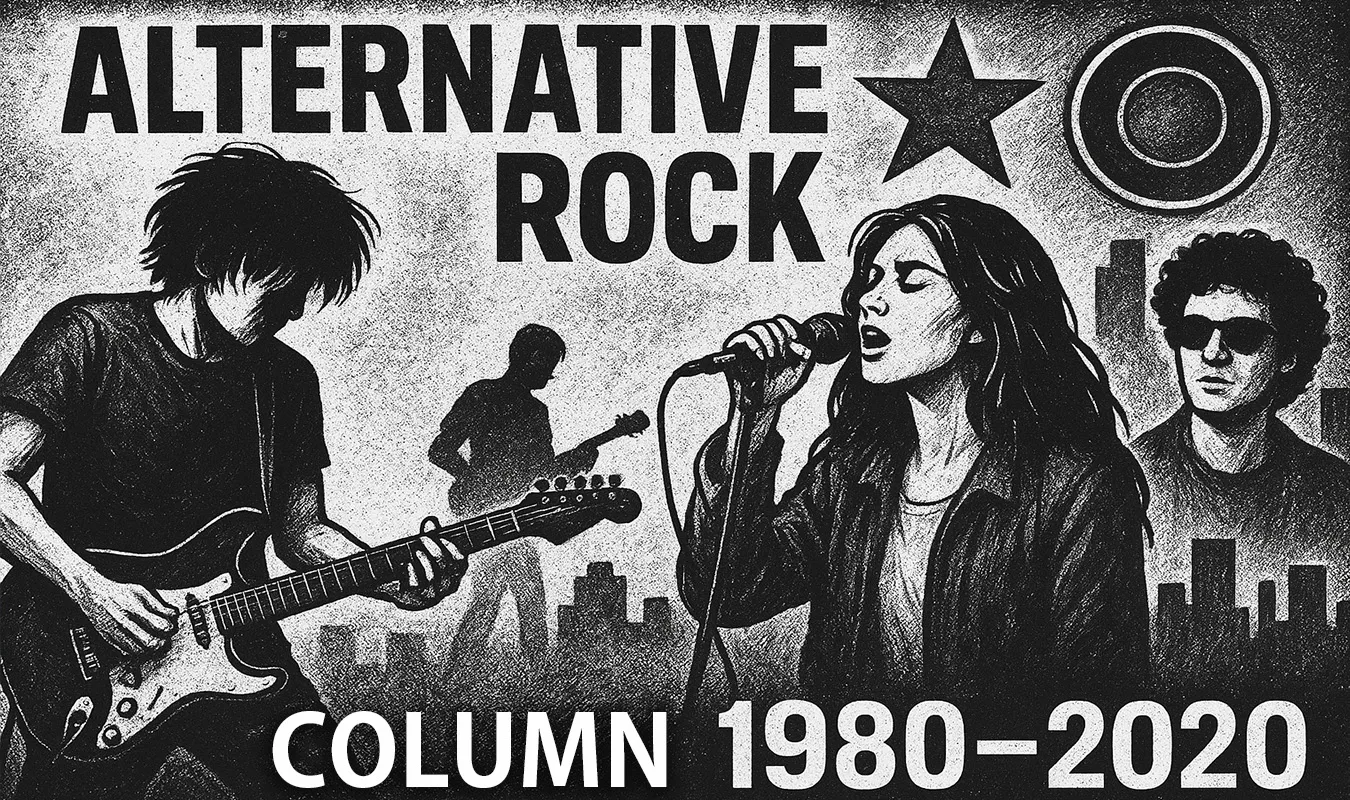
【コラム】 オルタナティヴ・ロックの歴史と変容:1980–2020
序章:オルタナティヴという言葉が生まれる以前
[Column] Company Flow: The horizon of alternative hip-hop opened up by the DIY spirit
Introduction——The existence that broke the “limitations of indie”